Category: National

  • Saudi Arabia 9/11 lawsuit can proceed, judge rules

    A lawsuit accusing the Saudi Arabian government of complicity in the Sept. 11 terrorist attacks, and seeking billions of dollars in damages, can go forward, a judge ruled Wednesday.

    A lawsuit accusing the Saudi Arabian government of complicity in the Sept. 11 terrorist attacks, and seeking billions of dollars in damages, can go forward, a judge ruled Wednesday.

    U.S. District Judge George Daniels in Manhattan dismissed Saudi Arabia’s motion to dismiss the case on the grounds of lack of proof of official complicity.

    But Judge Daniels said the plaintiffs — victims’ relatives and their families — can “narrowly articulate a reasonable basis for this Court to assume jurisdiction under [the Justice Against Sponsors of Terrorism Act] over Plaintiffs’ claims against Saudi Arabia.”

    Judge Daniels said he would “allow Plaintiffs limited jurisdictional discovery” of evidence against Saudi Arabia.

    JASTA, passed by Congress in 2016 over President Barack Obama’s veto and Saudi warnings of damage to international relations, created an exception under U.S. law to claims of sovereign immunity by foreign governments. The new law allows U.S. citizens to sue foreign governments in federal court for acts that kill Americans on U.S. soil.

    James Kreindler, a lawyer for many of the plaintiffs, told Reuters news agency he was “delighted” by the judge’s letting the lawsuit go ahead.

    “We have been pressing to proceed with the case and conduct discovery from the Kingdom of Saudi Arabia, so that the full story can come to light, and expose the Saudi role in the 9/11 attacks,” he told the British wire service.

    On Sept. 11, 2001, 19 Al Qaeda terrorists — 15 of them Saudi citizens — hijacked four planes and slammed two of them into the World Trade Center and one into the Pentagon. One crashed into a field in Pennsylvania, apparently ditching a planned attack on Congress because of a passenger uprising. All told, nearly 3,000 people were killed.

    The 9-11 Commission absolved the Saudi government of official or direct complicity in the attacks, but said it could not rule out the possibility that “charities with significant Saudi government sponsorship diverted funds to Al-Qaeda.”

    Judge Daniels did limit the plaintiffs’ case on the facts though.

    He said he would allow the 9-11 families to argue that Saudi Arabia was responsible for the activities of an imam at King Fahd Mosque in California, and Omar al-Bayoumi, said to be an intelligence officer.

    Mr. al-Bayoumi and imam Fahad al Thumairy purportedly helped two of the terrorists integrate into U.S. life and prepare for the attacks.

    But he threw out as beyond his jurisdiction claims that two Saudi banks — National Commercial Bank and Al Rajhi Bank — and the construction company owned by the estranged family of al-Qaeda chief Osama bin Laden, had helped finance the attacks.

  • Amanda Hall, Madison council member, opposes armed bank guards

    A city-council member in Madison, Wisconsin, extrapolating arguments about school security, is argued that armed guards make banks less safe and that she fears “an arms race with would-be robbers.”

    A city-council member in Madison, Wisconsin, extrapolating arguments about school security, is arguing that armed guards make banks less safe and that she fears “an arms race with would-be robbers.”

    Amanda Hall, the alderman for District 3, made the comments in a blog post concerning a request from a Chase Bank branch on Milwaukee Street to have an off-duty Madison police officer work the bank as armed security, at the bank’s expense.

    The bank in the university town had been hit been by several armed robberies in the past year, one of them deadly, according to Madison TV station WMTV, channel 15.

    But Ms. Hall said in a blog post on her pages of the City of Madison Common Council site that adding armed guards just encourages violence.

    “Current events have forced us to consider is how guns impact safety in all aspects of our lives … [including] having more armed guards to defend us, whether in our schools, or our neighborhood bank branches,” she explained.

    She applied common anti-gun arguments to the particular case of a bank and said having more people armed encourages crossfire and gunfights.

    “I do wonder if an armed guard at this location truly makes us safer,” Ms. Hall said. “I am concerned that if there is one armed guard at the branch, that instead of one person trying to rob the bank without an actual weapon, as we saw frequently before now, that we might see a group of assailants, armed with powerful guns, attempt a robbery.”

    Arming guards encourages criminal to arm themselves even more, according to Ms. Hall.

    “We do an okay job setting up our officers with weapons, but we don’t need to get into an arms race with would-be robbers. That would be terribly unsafe for everyone in the vicinity, not least our officers,” she explained.

    Ms. Hall elaborated that the bank has residential neighbors and a day-care and senior-care facility across the street and crossfire from the “good guy with a gun” is equally dangerous.

    “By the same token, I continue to be concerned with the possibility of gunfire in a residential area, regardless of who is firing the shots,” she said. “There is no such thing as a perfect shot, and a bullet from a good guy’s gun travels the same way as a bullet from a bad guy’s gun. You know me, I’m not scared of much, but I would fear everyday that an attempted robbery and a stray bullet from either an assailant or even an officer would lead to tragedy in our district.”

  • FDA announces push to slash nicotine in cigarettes

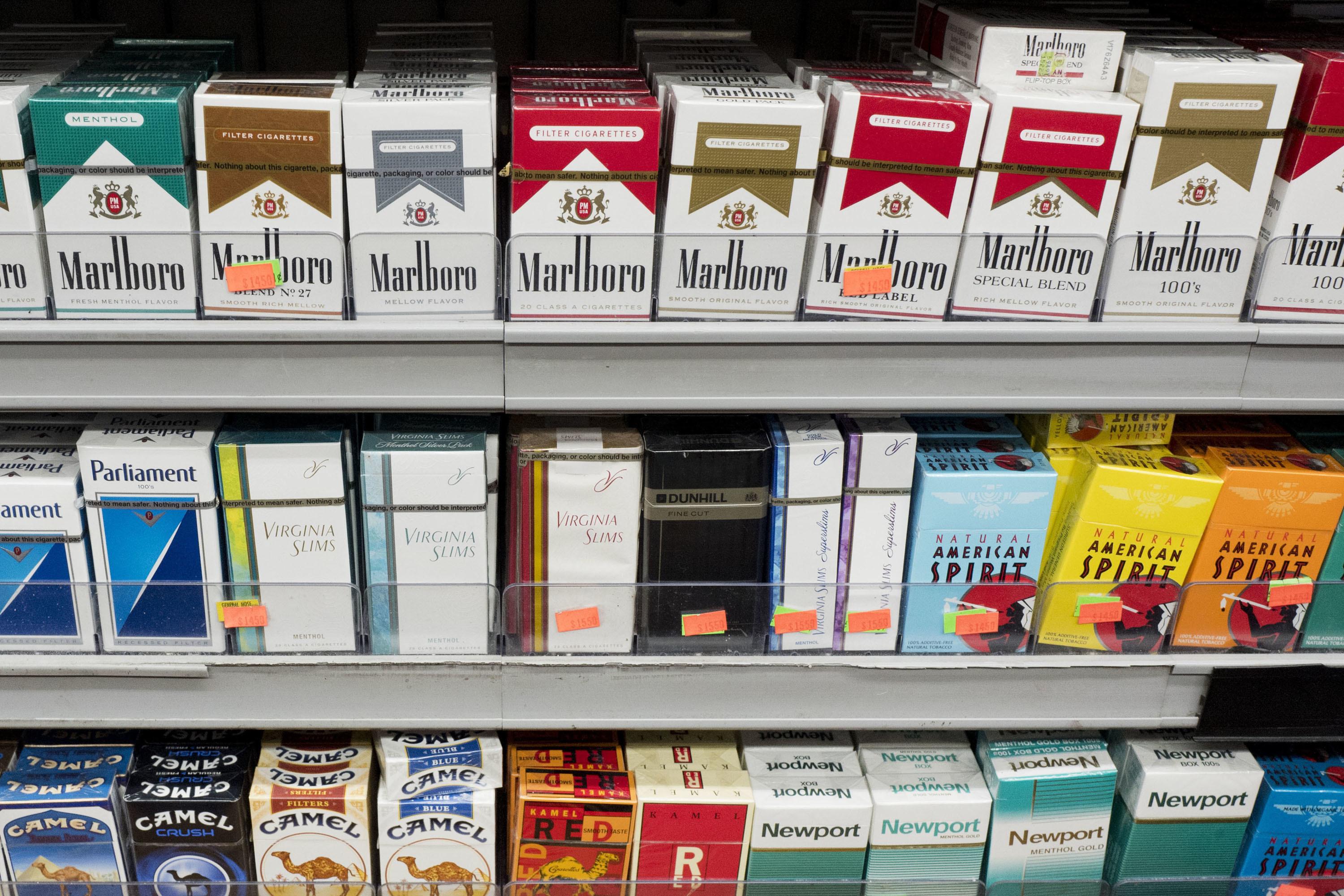
    The Food and Drug Administration launched a historic effort Thursday to try to end cigarette addiction, proposing to slash the level of nicotine in smokes in an attempt to curb what remains a deadly p

    The Food and Drug Administration launched a historic effort Thursday to try to end cigarette addiction, proposing to slash the level of nicotine in smokes in an attempt to curb what remains a deadly public health issue.

    FDA Commissioner Scott Gottlieb said the proposal is part of a broader effort to cut smoking rates from 15 percent of Americans to about 1 percent by the end of the century. The plan calls for encouraging future generations to use safer products and for legacy smokers to quit or seek less-risky alternatives such as nicotine patches or candy.

    “We believe the public health benefits and the potential to save millions of lives, both in the near and long term, support this effort,” Dr. Gottlieb said.

    The effort is being launched after years of progress. Smoking rates have dropped from more than 40 percent in the 1960s to 15 percent after years of public education, clean air rules and excise taxes on tobacco products.

    Rates among high school students rose to 36 percent in the 1990s but sank to the midteens this decade.

    Tobacco use remains the leading cause of preventable death in the U.S., killing 480,000 per year, the FDA said. That is far above the rate of opioid overdose deaths, which reached 42,000 in 2016, prompting an emergency response from Washington.

    The agency’s push is based on rules Congress passed in 2009 giving the FDA explicit power to regulate the manufacture, distribution and marketing of tobacco products.

    Under that law, the FDA forced changes to packaging and pushed retailers to move tobacco products behind checkout counters.

    In this latest phase, regulators plan to examine the role flavors play in encouraging tobacco use and vowed to be vigilant about attempts to target children as future users.

    The agency also gave notice that it will propose rules to govern how much nicotine should be allowable in cigarettes, with an eye toward protecting public health.

    Cigarettes generally contain 1.1 to 1.7 milligrams of nicotine, the notice said. The FDA is considering cutting that to 0.3 to 0.5 milligrams.

    The FDA also wants to consider the trade-offs of reducing nicotine content, such as whether smokers would turn to illicitly imported products or simply smoke more cigarettes.

    It also must determine how nicotine levels should be reduced. Options include genetic engineering by tobacco growers and changes in manufacturing.

    The agency estimates that its framework can result in 8 million fewer tobacco-related deaths by 2100.

    “Cigarettes are the only legal consumer product that, when used as intended, will kill half of all long-term users,” Dr. Gottlieb said. “Given their combination of toxicity, addictiveness, prevalence and effect on nonusers, it’s clear that to maximize the possible public health benefits of our regulation, we must focus our efforts on the death and disease caused by addiction to combustible cigarettes.”

    The Campaign for Tobacco-Free Kids urged the FDA to act expeditiously and demanded enhanced, more graphic health warnings on cigarette packs.

    “There is no other single action our country can take that would prevent more young people from smoking or save more lives,” campaign President Matthew L. Myers said. “This is truly a once-in-a-lifetime opportunity to greatly accelerate progress in reducing tobacco use — the nation’s No. 1 cause of preventable death — and bring us closer to eliminating the death and disease it causes.”

    The American Lung Association hailed the move as an “important step forward.” Leading tobacco companies responded with restraint, saying they anticipated the move and would be a part of the discussion.

    “As this process gets underway, we look forward to working with FDA on its science-based review of nicotine levels in cigarettes and to build on the opportunity of establishing a regulatory framework that is based on tobacco harm reduction and recognizes the continuum of risk,” said James Figlar, executive vice president of research and development for R.J. Reynolds Tobacco Co.

    Dr. Gottlieb said he hopes existing smokers shift from traditional cigarettes to less-dangerous products containing nicotine, though he stopped short of endorsing electronic cigarettes, which the FDA is still evaluating.

    “The jury’s still out on the value of those products as alternatives to combustible tobacco,” Dr. Gottlieb said.

    The agency said it does not know how long its nicotine-slashing effort will take but that it has no immediate effect on products in the pipeline or are sitting on shelves now.

    Altria Group Inc., the parent company of Philip Morris USA, said it is pleased that the FDA noted the distinction between regular cigarettes and noncombustible products. It cited an FDA study that said more than half of the roughly 40 million adult smokers in the U.S. are interested in “satisfying, but less harmful, nicotine alternatives to cigarettes.”

    “That’s why we invest in developing a compelling portfolio of noncombustible products, while conducting the necessary science to bring them to market,” spokesman David Sutton said. “A portfolio approach is important because we know that not all smokers are looking for the same experience.”

  • Colleges, universities see decline in public confidence

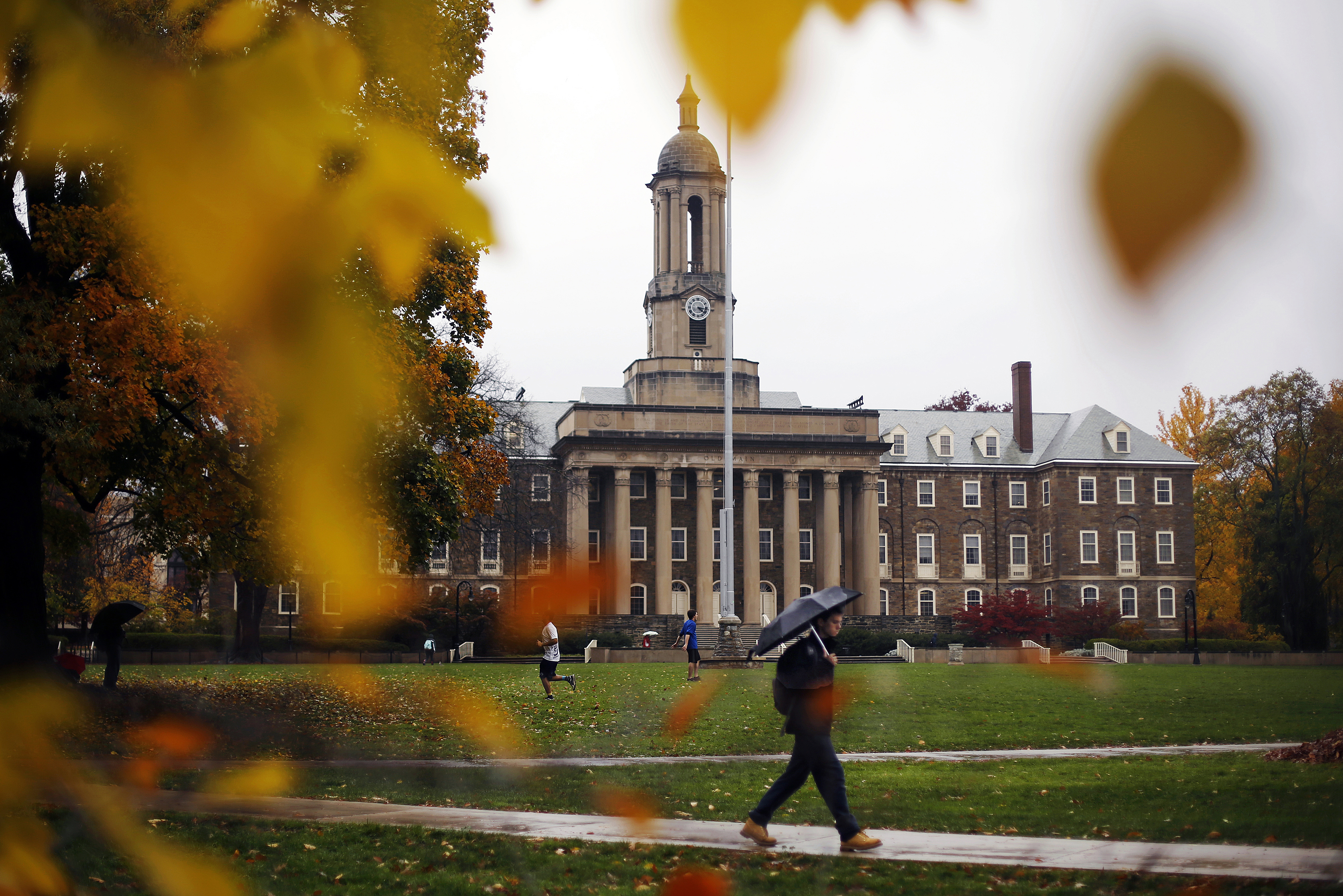
    Soaring tuition costs, degrees of dubious value and nonstop student activism have combined to bring public confidence in the ivory tower tumbling down.

    Soaring tuition costs, degrees of dubious value and nonstop student activism have combined to bring public confidence in the ivory tower tumbling down.

    Even college and university presidents acknowledge that the country is becoming disillusioned with higher education. In a recent survey conducted by Inside Higher Ed and Gallup, 51 percent of institution leaders said the 2016 election “exposed that academe is disconnected from much of American society.”

    The erosion of higher education’s brand comes as no surprise to Cornell Law School professor William A. Jacobson. He said the public’s negative perception of academia reflects the “reality of left-wing bias disconnected from American society.”

    “Particularly in the humanities and social sciences, many faculty view political activism and indoctrination as a core part of their academic mission,” said Mr. Jacobson, who runs the Legal Insurrection blog. “While they may have the academic freedom to do so, there is a price to pay for the higher educational system.”

    When asked to assess which factors are responsible for the negative view of higher education, 86 percent of college and university presidents cited the perception of liberal bias on campus.

    Seventy-seven percent said they are worried about the way conservatives view higher education, and 65 percent said the perception that colleges and universities are intolerant of conservative ideas is having a major impact on higher education.

    Despite their concern, less than one-third of college presidents agreed that conservative ideas are not tolerated on campus. Only 12 percent said Republican doubts about higher education are justified.

    Ninety-eight percent of college presidents said concerns about affordability and student debt are factors contributing to higher education’s image problem, and 95 percent pointed to concerns about whether college education adequately prepares students for careers.

    Yet university presidents said economic concerns also have more to do with perception than reality.

    Eighty-six percent said the attention paid to student debt has “led many prospective students and parents to think of college as less affordable than it is, taking into account student aid.”

    Just 16 percent of institution leaders said Americans have an “accurate view of the purpose of my sector of higher education,” and 14 percent said most Americans have an “accurate view of the purpose of higher education.”

    Lanae Erickson Hatalsky, vice president for social policy at Third Way, a left-leaning higher education think tank, knocked campus heads for chalking up dissatisfaction with their institutions to misperception.

    “The presidents 100 percent think it’s about perception,” Ms. Erickson Hatalsky told Inside Higher Ed. “There’s little acknowledgment that there might be a kernel of truth” to the public concerns.

    The survey suggests that college presidents may have tunnel vision when it comes to their institutions.

    Eighty percent of presidents said race relations are “good” or “excellent” on their campuses, and just 1 percent described them as “poor.” But when asked to evaluate race relations in higher education in general, just 20 percent described them as “good” or “excellent,” and 14 percent said they were “poor.”

    The Inside Higher Ed/Gallup survey polled 618 college and university presidents from Jan. 3 to Feb. 1.

    It builds on studies that have documented a rapid decline in Republican views toward higher education.

    A survey released last year by the Pew Research Center shows that just 36 percent of Republicans believe colleges and universities have a positive effect on the way things are going in the country, compared with 58 percent who say they have a negative effect.

    Those numbers are nearly reversed from 2010, when 58 percent of Republicans said higher education has a positive effect and 32 percent a negative effect.

    Seventy-two percent of Democrats, meanwhile, had a high regard for higher education, which is up slightly from 65 percent in 2010.

    Terry W. Hartle, senior vice president for government and public affairs at the American Council on Education, said discontent with higher education has more to do with economics than culture, citing focus groups with Trump voters in Florida and Pennsylvania.

    “They overwhelmingly think the value [of a degree] has declined, and they measure value by economic return,” Mr. Hartle told Inside Higher Ed. “They think you don’t need a college education to get a good job, but their own kids are going to go to college, and they think it’s too expensive.”

    Mr. Jacobson, the Cornell Law School professor, said the first step for university presidents is to recognize that there is a problem.

    “At least a substantial number of university presidents recognize the problem and how it has undermined public confidence in higher ed,” he said. “Whether and what they can do about it is the challenge.”

  • Munilla Construction Management, Figg Bridge Engineers involved in collapses before FIU

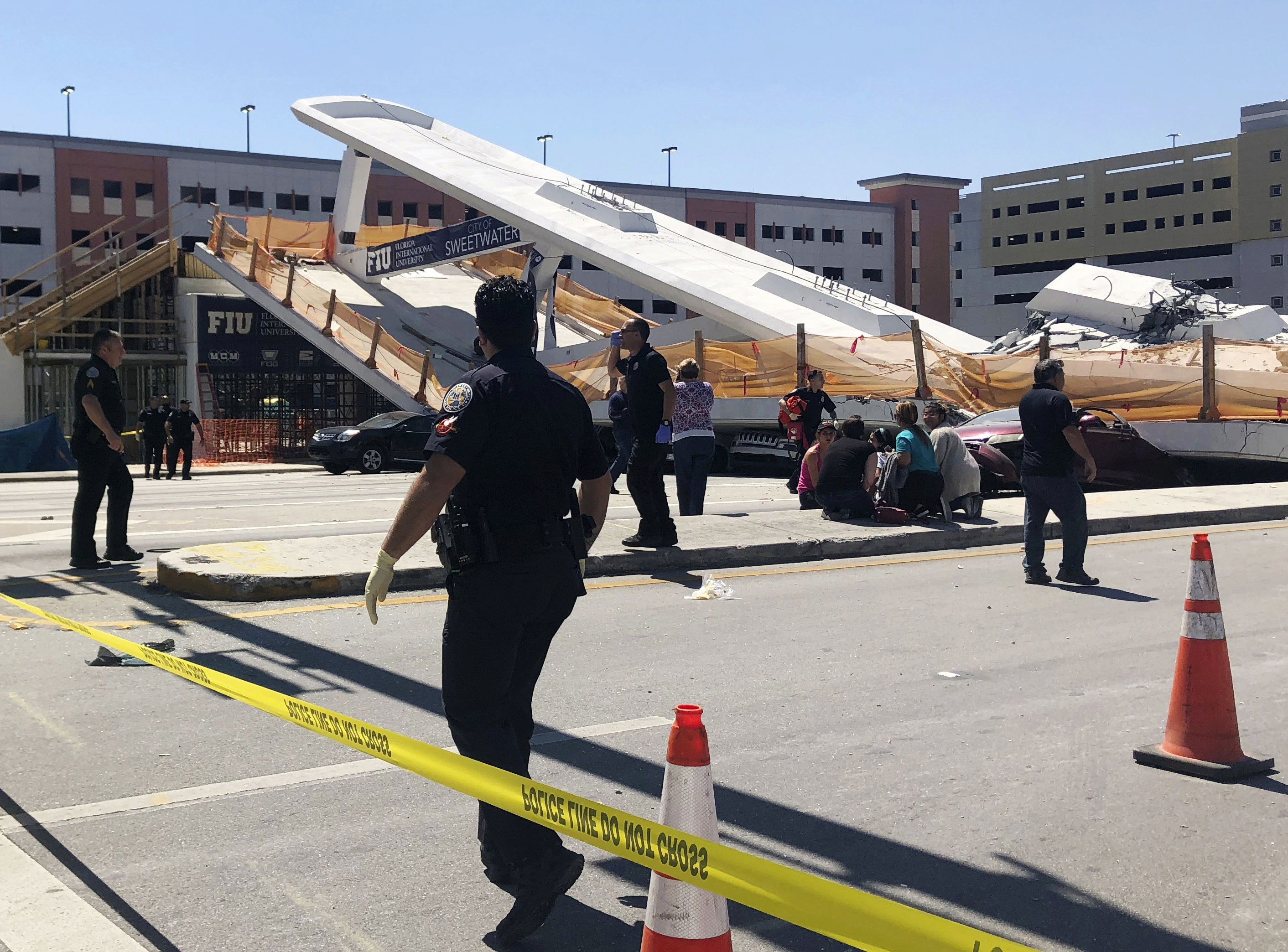
    Two companies involved in building the bridge that collapsed Thursday at Florida International University have been accused of shoddy work resulting in bridge collapses in recent years.

    Two companies involved in building the bridge that collapsed Thursday at Florida International University have been accused of shoddy work resulting in bridge collapses in recent years.

    According to a report in the Miami New Times, lead contractor Munilla Construction Management was sued less than two weeks ago over the collapse of a “makeshift bridge” built at Fort Lauderdale-Hollywood International Airport as part of a major airport expansion.

    According to a lawsuit filed March 5 in Miami-Dade Civil Court, TSA worker Jose Perez was traversing the bridge last October when it “broke under [his] weight.”

    SEE ALSO: Company that built collapsed FIU bridge offers ‘thoughts and prayers’

    “They built this makeshift bridge in the area where all the employees work, and it was poorly done. He fell and hurt himself really badly,” Tesha Allison, a lawyer representing Mr. Perez, told the New Times. “He had multiple broken bones and damage to his spine… They did shoddy work.”

    The company that designed the bridge — Figg Bridge Engineers — had an even worse accident on a bigger project happened almost six years ago in Virginia, according to the New Times.

    Four workers were injured in June 2012 when Figg-assembled span fell apart, causing “a 90-ton concrete portion of the South Norfolk Jordan Bridge to drop 40 feet onto railroad tracks below,” New Times wrote.

    State regulators called it luck that nobody was killed.

    “They were fortunate that the injuries were not more serious,” Jay Withrow, director of the legal support division for the Department of Labor and Industry, told the Norfolk Virginian-Pilot.

    Mr. Withrow’s department fined Figg $28,000 for several violations of safety rules, though the company’s manager on that project called the violations unrelated to the completed bridge’s stability.

    “The incident that occurred during construction was a construction equipment property damage issue that had nothing to do with the final bridge,” W. Jay Rohleder told the Virginian-Pilot.

  • Miami pedestrian bridge collapse is a homicide case but doesn’t mean criminal charges: Police

    Miami-Dade Police Department Chief Juan Perez said Friday that the bridge collapse in Florida is a homicide investigation, but added that doesn’t mean there will be criminal charges.

    Miami-Dade Police Department Chief Juan Perez said Friday that the bridge collapse in Florida is a homicide investigation, but added that doesn’t mean there will be criminal charges.

    “We’re not there yet. We don’t even know if it’s going to lead to that,” Mr. Perez said at a press conference in Miami.

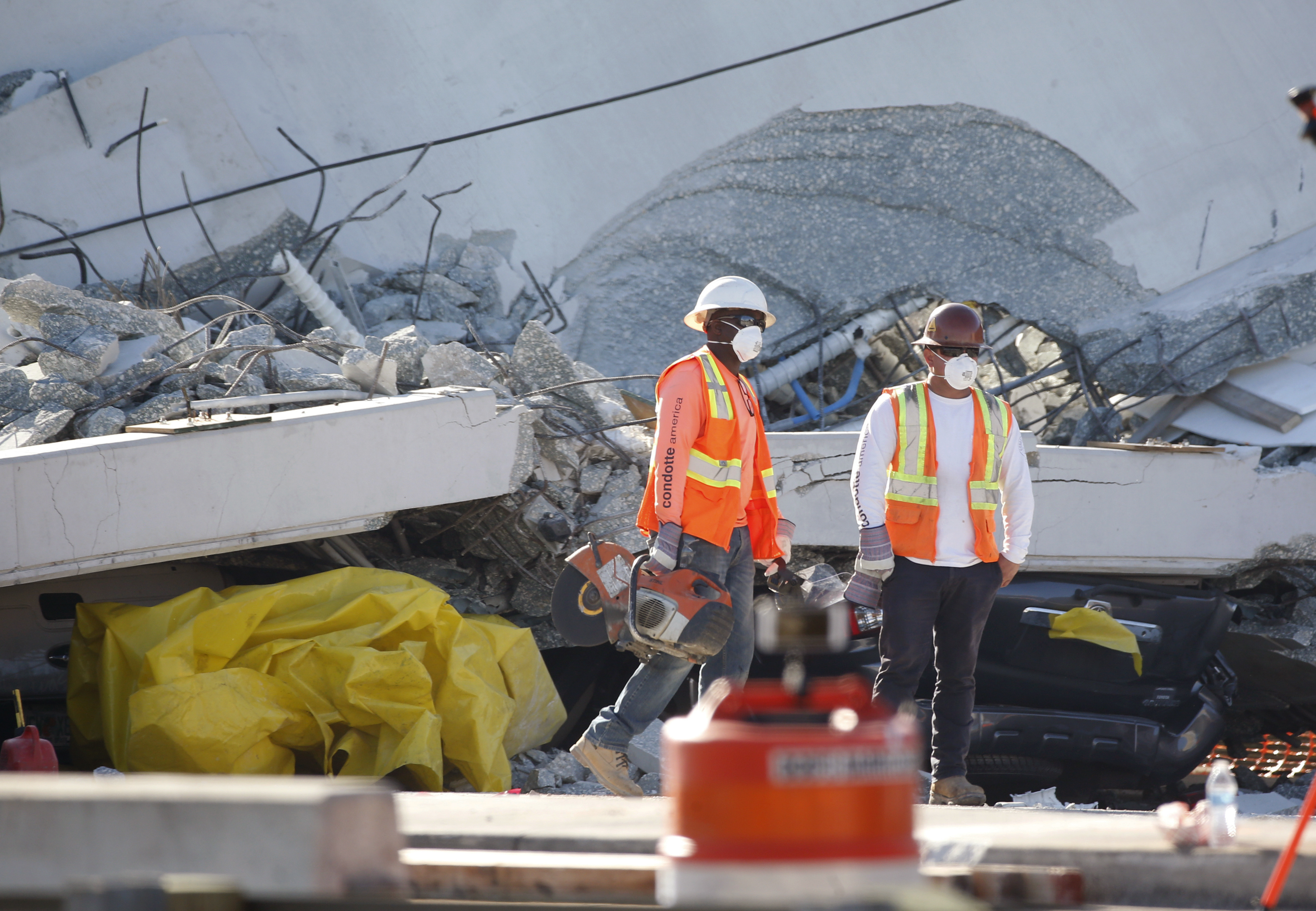
    The pedestrian bridge collapsed Thursday afternoon and left six people dead at the last count. Recovery efforts are still underway, but officials said they are not hopeful there will be any more survivors. The newly installed bridge was on Florida International University’s campus in Miami.

    SEE ALSO: Two companies in FIU bridge construction accused of ‘shoddy’ work in previous collapses

    National Transportation Safety Board Chairman Robert Sumwalt said the agency brought a full investigative team to the area Thursday night and said their investigation differs from what local authorities are looking at.

    “We’re charged by Congress to investigate transportation accidents, to determine the cause, [and] to make recommendations so that something like this does not happen in the future,” Mr. Sumwalt said.

  • Obama aide started Christopher Steele-FBI Alliance

    A senior Obama State Department official gave the green light to an FBI agent in 2016 to meet with dossier writer Christopher Steele, a new book says.

    A senior Obama State Department official gave the green light to an FBI agent in 2016 to meet with dossier writer Christopher Steele, a new book says.

    The two met at Mr. Steele’s London office, touching off a relationship that would fuel the ongoing investigation into possible Donald Trump-Russia election collusion that shows no sign of ending.

    Mr. Steele’s sensational charge that prompted an FBI wiretap on Trump volunteer Carter Page was sourced to the girlfriend of an unidentified Kremlin figure, according to the book. Republicans have roundly criticized the bureau for relying on the unverified, Democratic Party-financed dossier to ask a judge to approve a year of surveillance in 2016 and 2017.

    John O. Brennan, Mr. Obama’s CIA director, worked behind the scenes before the election to get his suspicions about Trump and Russia into the news media.

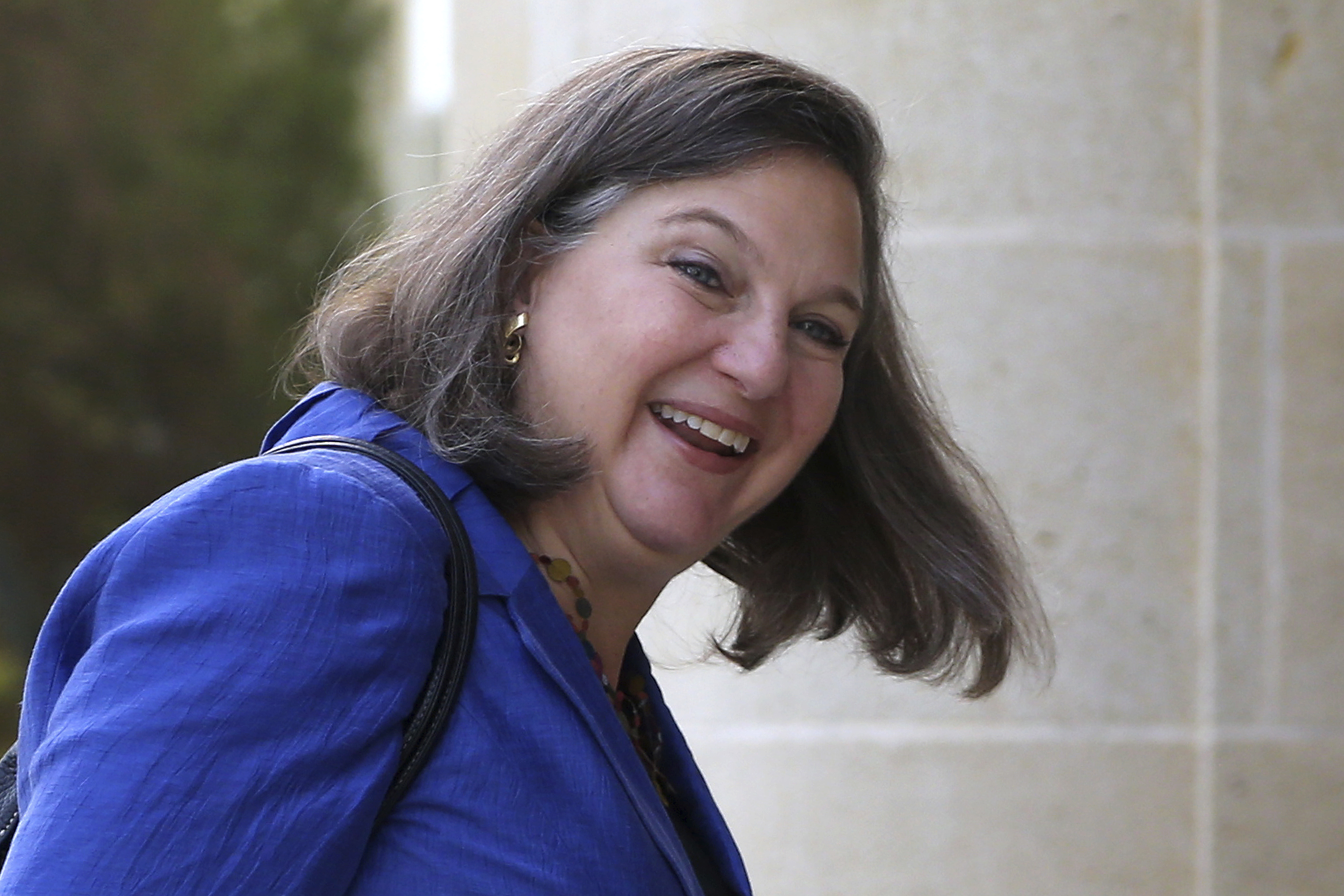
    These disclosures, including that Victoria Nuland, then at State, started the FBI-Steele marriage is contained in “Russian Roulette.” The book, which was released Tuesday, was authored by two longtime Washington media figures: Yahoo News reporter Michael Isikoff and Mother Jones magazine’s David Corn.

    Two committees, the House Permanent Select Committee on Intelligence and the Senate Judiciary Committee, are investigating how Obama officials promoted Mr. Steele’s 35-page dossier, which in essence is raw opposition research designed to destroy the Trump candidacy.

    Mr. Steele makes a series of criminal charges against Mr. Trump and his associates, contending there was an “extensive conspiracy” between them and the Kremlin. This supposed collusion has not been substantiated publicly. House intelligence committee Republicans on Monday said their 14-month investigation found no collusion and had ended.

    “Russian Roulette” shows Obama people played a role in promoting the collusion theory and getting law enforcement involved.

    Mr. Steele was excited over his findings about Mr. Trump’s supposed dalliance with Russian prostitutes and purported collusion with the Kremlin. He pressed his handler, Glenn Simpson of Fusion GPS, to let him go to the FBI.

    Mr. Simpson agreed. Mr. Steele telephoned Michael Gaeta, an FBI agent with whom he worked on soccer league corruption who was then stationed at the U.S. Embassy in Rome.

    “I can’t discuss it over the phone. You have to come here. Believe me, Mike, you have to come to London,” Mr. Steele told him that summer.

    Says “Russian Roulette,” “There were a few hoops Gaeta had to jump through. He was assigned to the U.S. embassy in Rome. The FBI checked with Victoria Nuland’s office at the State Department: Do you support this meeting? Nuland, having found Steele’s reports on Ukraine to have been generally credible, gave the green light.”

    “Within a few days, on July 5, Gaeta arrived and headed to Steele’s office near Victoria station. Steele handed him a copy of the report. Gaeta, a seasoned FBI agent, started to read. He turned white. For a while, Gaeta said nothing. Then he remarked, ‘I have to report this to headquarters.’”

    Ms. Nuland’s name surfaced in January as Senate investigators under Senate Judiciary Committee Chairman Chuck Grassley, Iowa Republican, turned up evidence that Mr. Steele met with another Obama State Department official, Jonathan Winer.

    He worked as a middleman to bring Mr. Steele together with Sidney Blumenthal, a fierce Hillary Clinton defender. Mr. Winer spoke with Ms. Nuland, who gave a heads-up to Secretary of State John F. Kerry.

    At the time, Ms. Nuland, a career diplomat, was assistant secretary of state for European and Eurasian affairs.

    She is now chief executive at the Center for a New American Security. A message to the press office was not returned.

    In the Page affair, Mr. Steele accused the energy investor of meeting with two Kremlin figures while in Moscow to deliver a public speech in July 2016. Mr. Steele said the three discussed bribes for sanctions relief.

    Mr. Page has testified under oath that he never met the two men or discussed bribes.

    Ms. Nuland was not the only Obama appointee working against the Trump candidate.

    Isikoff-Corn report that Mr. Brennan, who in retirement is one of Mr. Trump’s hardest critics, telephoned Senate Minority Leader Harry Reid, Nevada Democrat, in August 2016. He alerted him that Russia had hacked Democrat Party computers and suggested that the Trump campaign was in on the plot. This charge has not been substantiated more than a year later.

    Mr. Brennan’s call was to prompt Mr. Reid to expose the news publicly, which he did. His open letter referred, without name, to the Page trip, something right out of the dossier, which had not yet become public.

    The authors say the information likely came from the Clinton campaign, which had been briefed on Mr. Steele’s allegations. Mr. Steele was paid by Fusion with money from the Democratic National Committee and Hillary Clinton campaign. Republicans have called this collusion — using bought smut from Russian sources to inject into the campaign.

    “Russian Roulette” picks up many Democratic Party talking points.

    ⦁ Democrats are portrayed as truth-seekers while Trump people are awash in Russian contacts.

    ⦁ Mr. Steele’s sensational charges are repeated with not much skepticism.

    ⦁ Mr. Steele is possibly the most respected spy in recent British history.

    ⦁ The Trump transition team may have been violating the obscure 1799 Logan Act by conducting diplomacy. This charge was spun to reporters from the Obama Justice Department.

    As the Nov. 8 election lay days away, Mr. Simpson, who was desperate to get Steele’s anti-Trump narratives into the media, met with Mr. Corn over the former spy’s latest anti-Trump memo.

    ” ‘This stuff is almost unbelievable,’ Simpson said,” according to the book.

    Republicans today say Mr. Steele’s collusion allegations remain unbelievable. “Russian Roulette” neither confirms nor rebuts them.

  • Some teachers expected to cut class with students at National School Walkout for gun control

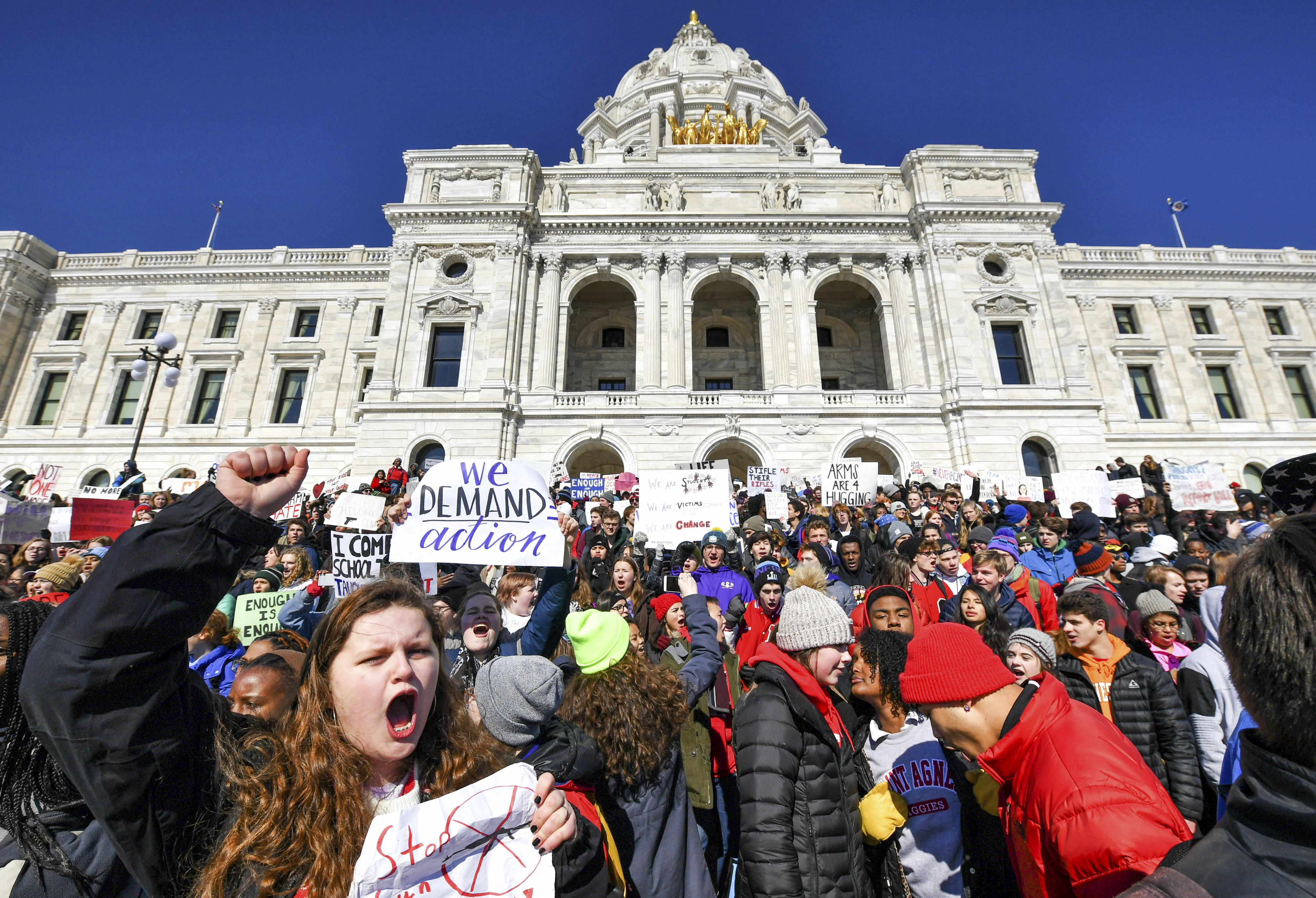
    Ordinarily teachers frown on class-cutting, but any number of K-12 instructors are planning to join students who walk out of class Wednesday in a show of support for gun control.

    Ordinarily teachers frown on class-cutting, but any number of K-12 instructors are planning to join students who walk out of class Wednesday in a show of support for gun control.

    Randi Weingarten, president of the American Federation of Teachers, said the union is working with “school administrators, local governments and others to support these efforts so that students and educators can participate safely” in the National School Walkout.

    “Students, educators and staff are taking action to demand long-overdue action to ensure schools — and our communities — are free from gun violence,” she said in a statement, citing union efforts in Massachusetts and New York.

    The involvement of teachers adds another wrinkle to the walkout, a response to the deadly school shooting last month in Parkland, Florida, organized by the left-wing Women’s March Youth EMPOWER.

    Who’s walking out tomorrow? #ENOUGHpic.twitter.com/bOKkSEH8tZ

    — Women’s March (@womensmarch) March 13, 2018

    More than 185,000 students at nearly 3,000 schools are expected to walk out “to demand that Congress take action to stop gun violence,” according to the Women’s March.

    Participants are planning to walk out of class at 10 a.m. on Wednesday, the one-month anniversary of the Feb. 14 attack at Marjory Stoneman Douglas High School, and remain outside class for 17 minutes, one minute for each of those killed.

    Supporting the nationwide event are nearly 100 activist groups ranging from gun-control organizations such as the Brady Campaign to Democratic Party allies such as Planned Parenthood, Indivisible and Organizing for Action.

    The American Civil Liberties Union has issued a legal guidance for students about their First Amendment rights, including what to expect in terms of consequences such as unexcused absences, and urged schools not to discipline students who participate.

    “Unfortunately, some schools view this act as a disruption and are threatening to discipline students who participate,” said ACLU staff attorney Sarah Hinger. “A disciplinary response is a disservice to young people and a missed educational opportunity.”

    The reaction from school districts has ranged from walkout bans to enthusiastic resolutions of support as officials grapple with the logistics of allowing thousands of students — including in some cases elementary-age kids — exit class without putting themselves in danger or disrupting those who choose to stay put.

    In Harford County, Maryland, the ACLU fired off a letter to Superintendent Barbara Canavan after she sent a letter to parents saying that students “may be subject to disciplinary action for disrupting school operations,” CBS Baltimore reported.

    The ACLU of Maryland warned her that schools “may not punish students more severely for leaving class to engage in free speech activity then they would for any other unexcused absence.”

    In Horry County, South Carolina, school officials cited concerns about student safety in banning students from leaving the building.

    “I think there’s some leeway given to each school if they want to honor the students who were slain in Florida, but one thing we have not allowed is a walkout to the outside, which obviously puts children in harm’s way having them all congregating in an area that’s outside that’s totally unprotected,” Horry County Schools board chair Joe DeFeo told the Myrtle Beach Sun News.

    Instead, schools will “identify options that will take place inside the schools and student participation will be voluntary,” according to a statement.

    Other districts are taking the same tack, offering alternatives such as letter-writing to Parkland students and moments of silence.

    Elsewhere, student and faculty protesters are planning to congregate outside but on school property such as football and soccer fields.

    In Montgomery County, Maryland, superintendent Jack R. Smith urged students to stay on school grounds, saying he was “keenly aware that some students may decide to participate in a walkout that takes them off campus.”

    “MCPS does not have the staff or resources to ensure students are safe during the school day when they are not on a school campus,” Mr. Smith said.

    Carmen Farina, New York City Schools chancellor, issued a March 8 statement saying that staff members would “be present outside their school buildings during the walkout to help ensure safety and order,” and that students who produce a note from their parents will received an excused absence.

    “We commend all students and staff members, who help make our schools safe, respectful places where all students can learn free from the threat of deadly violence,” she said in the Queens Chronicle.

    In Lynn, Massachusetts, the teachers’ union affiliate “worked with the school committee to pass a resolution in support of the walkouts on March 14, and all school staff will be permitted to participate alongside students,” Ms. Weingarten said.

    Unfortunately for the would-be protesters, Mother Nature interfered. The Lynn Public Schools announced Tuesday that all schools would be closed Wednesday as a result of the blizzard.

  • Dog dies in overhead bin on United Airlines flight

    A dog died on a United Airlines plane after a flight attendant ordered its owner to put the animal in the plane’s overhead bin.

    A dog died on a United Airlines plane after a flight attendant ordered its owner to put the animal in the plane’s overhead bin.

    United said Tuesday that it took full responsibility for the incident on the Monday night flight from Houston to New York.

    In a statement, United called it “a tragic accident that should never have occurred, as pets should never be placed in the overhead bin.”

    The dog was in a small pet carrier designed to fit under an airline seat.

    Passengers reported that they heard barking during the flight and didn’t know that the dog had died until the plane landed at LaGuardia Airport.

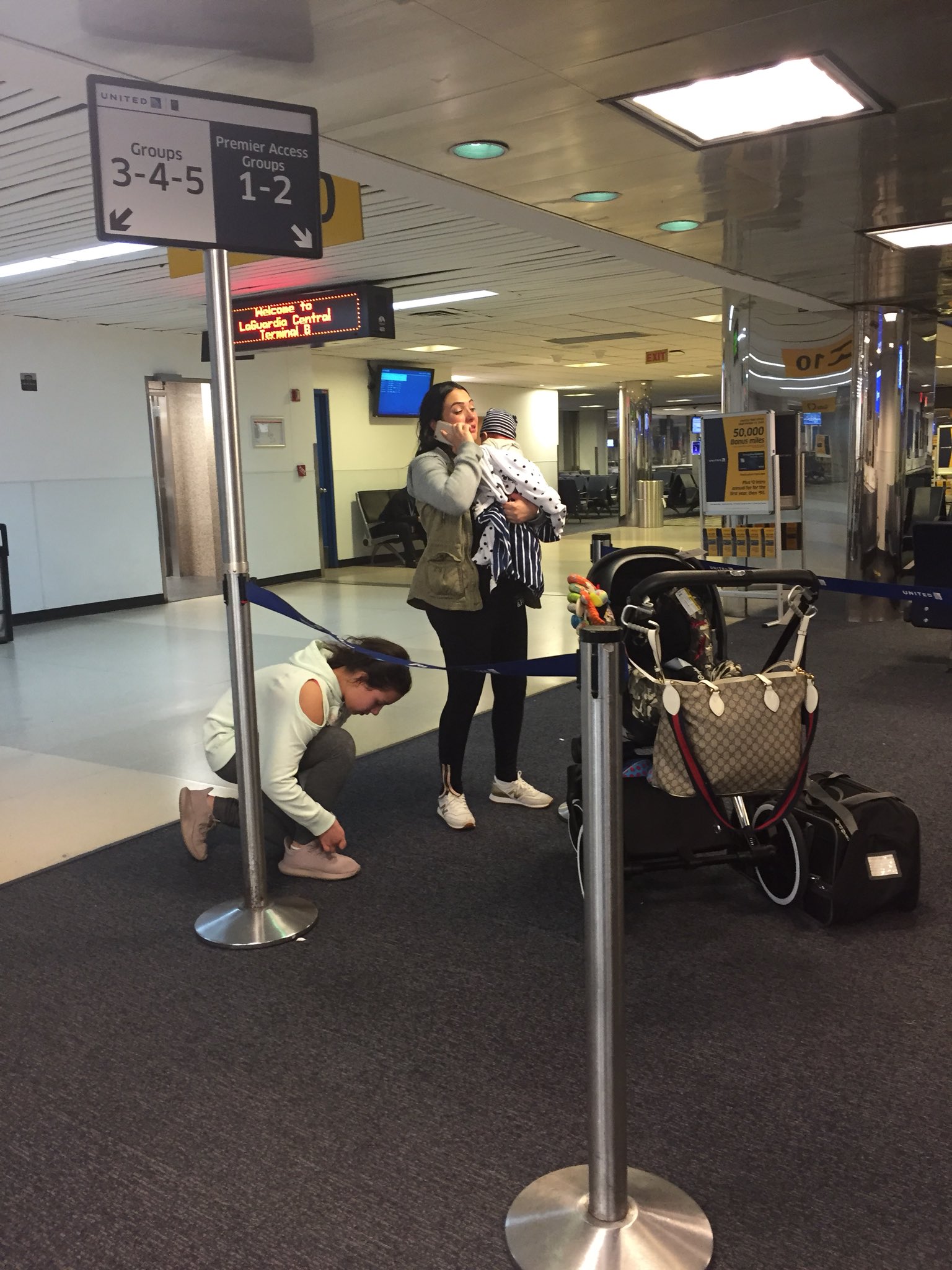
    Passenger Maggie Gremminger posted a photo on Twitter of the dog’s owner and children after the flight. “I want to help this woman and her daughter. They lost their dog because of an (at) united flight attendant. My heart is broken,” she wrote.

    United spokesman Charles Hobart said the flight attendant told the dog’s owner to put the pet carrier in the overhead bin because the bag was partly obstructing the aisle. It is unclear why the carrier was not placed under a seat, he said.

    Hobart said United is investigating the incident and talking to the flight attendant, whom he declined to identify. He said the airline refunded the tickets purchased for the dog owner and her two children and the fee that they paid to bring a pet on board – typically $200.

    The cause of the dog’s death was not immediately known. The spokesman said Chicago-based United offered to pay for a necropsy.

    Last year, 18 animals died while being transported on United – there were six cases on all other U.S. carriers combined, according to the Department of Transportation.

    United has suffered a string of incidents that generated bad publicity in the last two years, including the violent removal of a passenger from a United Express plane to make room for a crew member, and the death of a giant rabbit – its Iowa owners sued the airline, which they said cremated the animal to destroy evidence about the cause of death.

  • Donald Trump, Texas sanctuary city fight backed by appeals court

    States have the power to punish sanctuary cities within their borders and to force local police and sheriff’s departments to cooperate in turning illegal immigrants over to the federal government for

    States have the power to punish sanctuary cities within their borders and to force local police and sheriff’s departments to cooperate in turning over illegal immigrants to the federal government for deportation, an appeals court ruled Tuesday in upholding a Texas law.

    The 3-0 decision by a panel of the 5th U.S. Circuit Court of Appeals marks a major victory for President Trump, who has demanded punishment for sanctuary cities that thwart the federal government to protect illegal immigrants.

    The judges didn’t go that far, but they did say the federal government’s detainer requests, which ask local governments to hold illegal immigrants for pickup, are legal. Localities can refuse based on their own resources, the court ruled — but the detainer requests are legal, the judges said.

    Texas Gov. Greg Abbott, a Republican, praised the ruling.

    “Law is in effect,” he said on Twitter.

    Known as SB4, the legislation Mr. Abbott signed last year requires police to determine the legal status of those they encounter during their duties.

    The law also punished local elected officials, police chiefs and other law enforcement leaders who enacted or carried out sanctuary policies that refused cooperation with U.S. Immigration and Customs Enforcement.

    The law explicitly said local jurisdictions should comply with detainer requests.

    Immigrant rights advocates and a number of Texas cities objected. They said detainers forced state or local police to hold illegal immigrants beyond their usual release time, infringing on their Fourth Amendment rights.

    But Judge Edith H. Jones, writing the court’s opinion, said it’s not clear that illegal immigrants are covered by the Fourth Amendment. Beyond that, she said, federal detainer requests are legitimate.

    She said that under the Trump administration’s policy, ICE officers must issue administrative warrants to accompany their detainer requests. Those warrants serve as statements of probable cause that local police can rely on to hold someone — just as they would do for any other police officer who makes a valid request.

    “Here the ICE-detainer mandate itself authorizes and requires state officers to carry out federal detention requests,” Judge Jones wrote.

    The court did rule part of Texas’ law that prohibited local elected officials from endorsing sanctuary policies to be problematic because it could be seen as an infringement on the officials’ free speech rights. But she said the state can prevent a locality from adopting or enforcing a sanctuary policy and can impose penalties on officials who attempt to create sanctuaries.

    Sanctuary cities are jurisdictions that have policies limiting or, in their more extreme forms, thwarting cooperation with ICE deportation efforts.

    The Obama administration opposed sanctuary cities, but Mr. Trump took that policy to a new level by going to war with sanctuaries, particularly in California.

    His administration filed a lawsuit last week challenging three California sanctuary laws. On Tuesday, Mr. Trump — while visiting San Diego to tour prototypes of his border wall — said he wants Congress to strip federal grant money from sanctuaries in the upcoming spending bill.

    Mr. Trump’s threats have been unpersuasive. The number of sanctuaries has expanded dramatically during his first 14 months in office.

    Texas, however, had been a rare bright spot for the Trump administration. State officials have moved to back him up in opposing sanctuaries.

    SB4 had been slated to go into effect Sept. 1, just days after a federal district judge issued a broad injunction.

    Judge Orlando Garcia asserted that the law would erode trust between police and immigrant communities, making them less safe.

    “The mandates, penalties and exacting punishments under SB4 upset the delicate balance between federal enforcement and local cooperation and violate the United States Constitution,” Judge Garcia wrote.

    The 5th Circuit last year quickly stayed much of Judge Garcia’s blockade, and Tuesday’s ruling was an even bigger spanking for the Clinton-appointed judge.

    Lee Gelernt, an American Civil Liberties Union lawyer who appeared before the 5th Circuit during oral arguments, said the court did leave open the possibility that Texas law could be illegal as it was carried out.

    “We are exploring all legal options going forward. The court made clear that we remain free to challenge the manner in which the law is implemented, so we will be monitoring the situation on the ground closely,” he said.

    He said localities can still object to detainer requests based on a lack of resources or other nonimmigration restraints.

    Andre Segura, legal director of the ACLU of Texas, said illegal immigrants still have the right to remain silent when questioned about their immigration status.