Category: POLITICS

  • Meek Mill, rapper, details withdrawal from Donald Trump’s prison reform panel

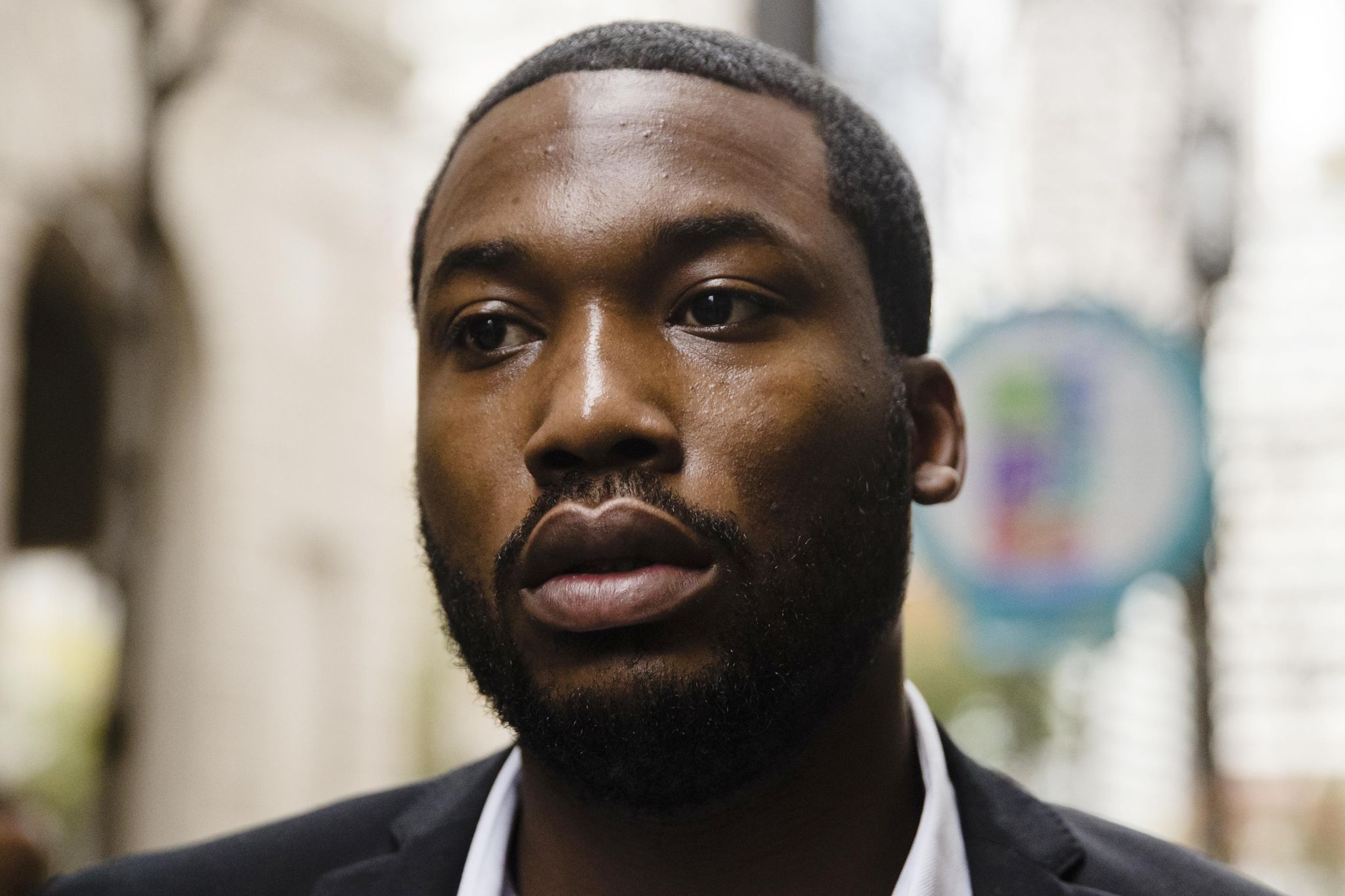
    Meek Mill, a previously incarcerated rapper scheduled to participate in President Trump’s prison reform panel Friday, said he abruptly withdrew from the event rather than risk distracting from the dis

    Meek Mill, a previously incarcerated rapper scheduled to participate in President Trump’s prison reform panel Friday, said he abruptly withdrew from the event rather than risk distracting from the discussion.

    “I was originally scheduled to be part of a panel on Prison Reform at the White House to help shed light on the issues within the system,” the performer, born Robert Rihmeek Williams, said in a statement.

    “Unfortunately, the focus turned to the President and Myself, which concerned me that it might take away from creating a positive result from today’s discussions,” added Mr. Williams, 31. “As a result, I decided not to attend so that the focus would be solely on fixing our prison system. Most importantly I remain fully committed to improving our criminal justice system.”

    Mr. Williams was released from prison in April after spending five months behind bars for a probation violation, and he emerged pledging to use his fame to help reform the existing criminal justice system.

    “Although I’m blessed to have the resources to fight this unjust situation, I understand that many people of color across the country don’t have that luxury and I plan to use my platform to shine a light on those issues,” he said in a statement following his release last month.

    “I want people to know the situation is not about me on any level,” the rapper told CBS News recently. “It’s about changing policies and doing things to protect people like myself who deserve a second chance even if you’re innocent.”

    Mr. Williams was initially sentenced to spend two to four years in prison after he was arrested in 2017 while on probation for a previous conviction, but the Pennsylvania Supreme Court granted him bail last month and he was released early as a result.

    The White House said in a statement Friday that the panel event would bring together “a diverse group of thought leaders from across the country to discuss the need for federal prison reform.

    “There is no substitute for personal accountability and there is no tolerance for those who take advantage of society’s generosity to prey upon the innocent,” Mr. Trump said afterwards. “But if we want more prisoners to take charge of their own lives, then we should work to give them the tools to stand on their own two feet.”

  • China agrees to purchase more U.S. goods after trade talks with Trump officials

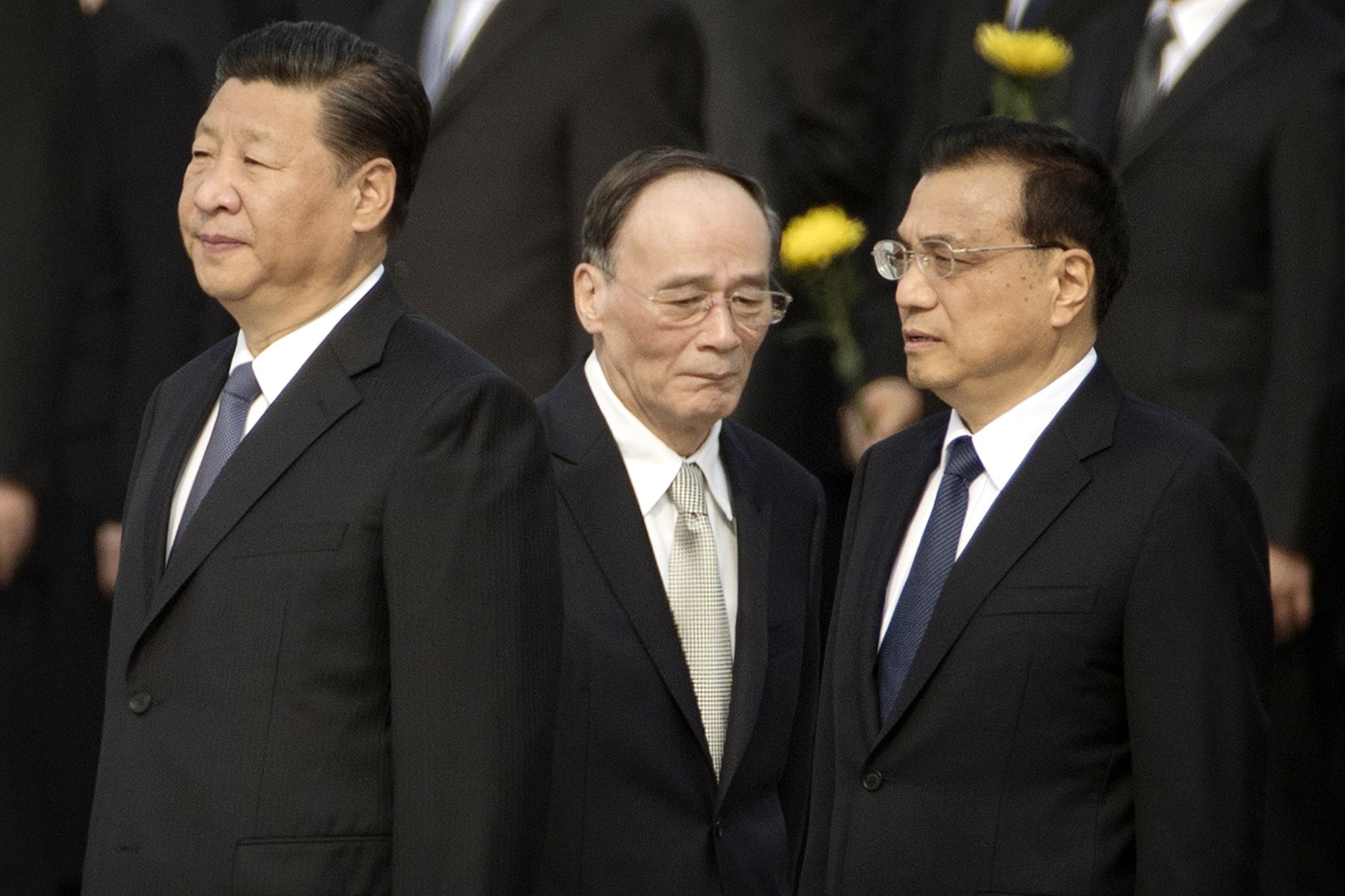
    China has agreed to “meaningful increases” in its purchase of U.S. agriculture and energy exports to help reduce the U.S. trade deficit, both countries said Saturday after wrapping up two days of high

    China has agreed to “meaningful increases” in its purchase of U.S. agriculture and energy exports to help reduce the U.S. trade deficit, both countries said Saturday after wrapping up two days of high-stakes trade talks in Washington.

    A joint statement released by the White House said negotiators from both sides found “consensus on taking effective measures to substantially reduce the United States trade deficit in goods with China.”

    “To meet the growing consumption needs of the Chinese people and the need for high-quality economic development, China will significantly increase purchases of United States goods and services,” the statement said. “This will help support growth and employment in the United States.

    The statement said both countries, which have been locked in an escalating tariff feud, agreed to resolve trade concerns “in a proactive manner.”

    Treasury Secretary Steven T. Mnuchin, U.S. Trade Representative Robert Lighthizer and other U.S. officials concluded two days of talks Friday with a Chinese delegation led by State Council Vice Premier Liu He, a special envoy of President Xi Jinping.

    President Trump has been calling for China to end unfair trade practices that have led to a more than $375 billion trade deficit for the U.S.

    The joint statement didn’t specify how much the trade deficit is expected to be impacted. The Wall Street Journal said Chinese officials resisted a U.S. demand to cut the deficit in half by the end of 2020.

    As a result of the talks, China agreed to eliminate restrictions on sorghum imports from the U.S. in a possible deal to ease U.S. sanctions on ZTE Corp., the second-larges manufacturer of phones in China. Mr. Trump said he promised to review the sanctions after a personal request from Mr. Xi, who said the ban on doing business with ZTE had hurt its 70,000 employees.

    The U.S. will send a team to China to work out the details of increasing exports of agricultural and energy products, the statement said.

    The countries also agreed to “strengthen cooperation” on intellectual-property protections, the statement said.

    The U.S. has been threatening tariffs totaling as much as $150 billion on Chinese products, with Beijing vowing to retaliate with its own tariffs on U.S. agriculture, airplanes and other products.

  • Donald Trump to rally in Tennessee, boost GOP Senate candidate

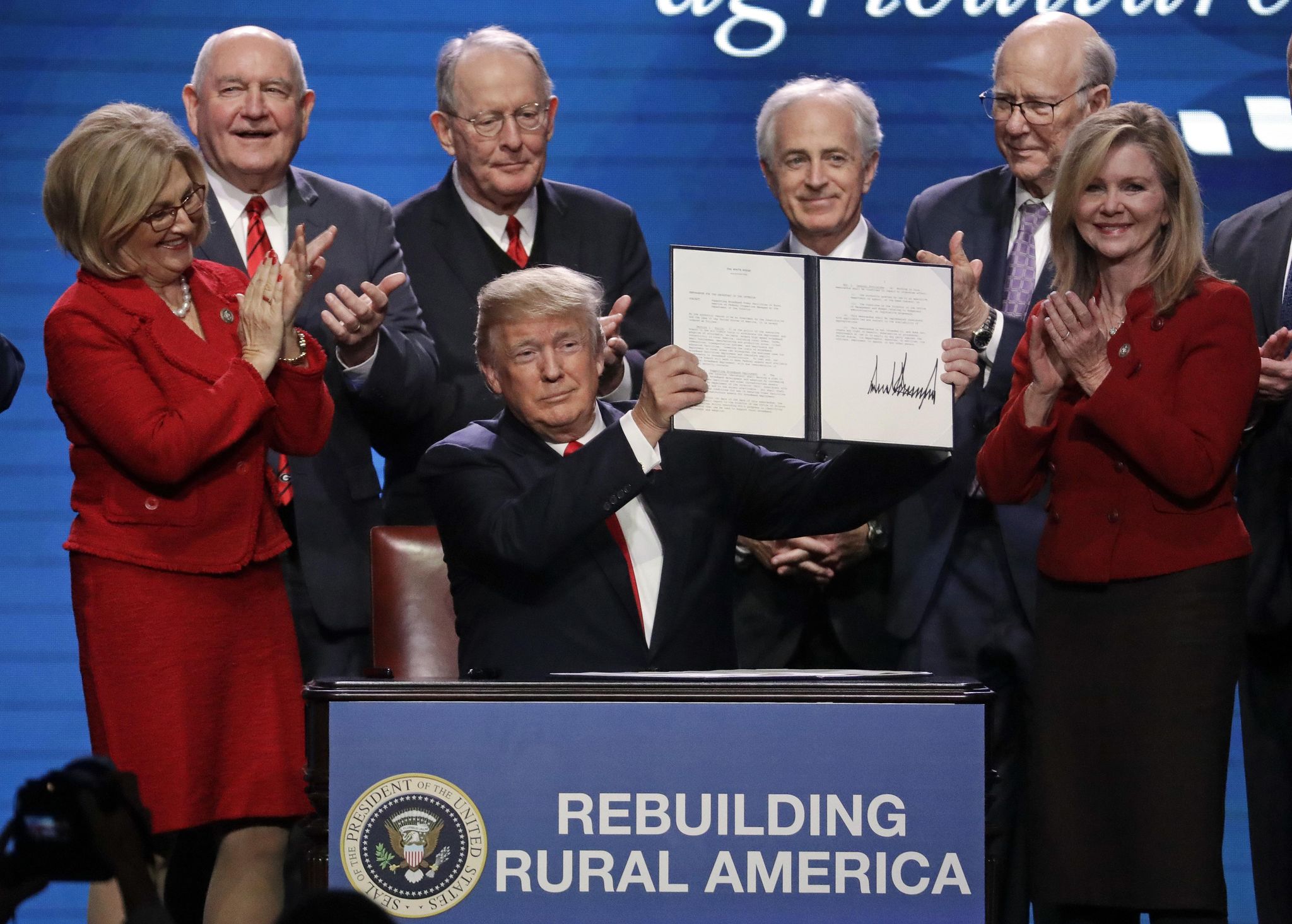
    President Trump is swooping in with a campaign rally in Tennessee to bolster the Senate campaign of Republican Rep. Marsha Blackburn, who is locked in a tight race against Democrat Phill Bredesen, a f

    President Trump is swooping in with a campaign rally in Tennessee to bolster the Senate campaign of Republican Rep. Marsha Blackburn, who is locked in a tight race against Democrat Phill Bredesen, a former governor.

    Mr. Trump will hold the “Make America Great Again” rally May 29 in Nashville, Tennessee, his campaign announced Saturday.

    “The President looks forward to being with patriotic Tennesseans once again as he celebrates this booming economy that’s helping families throughout the state thanks to his historic tax cuts and job-creating policies,” said Michael S. Glassner, CEO of Mr. Trump’s reelection campaign.

    The rally will be held in Nashville Municipal Auditorium, according to the campaign.

    After a string of visits to key states where Republicans are looking to pick up Senate seats in the midterm elections, Mr. Trump is veering to Tennessee to play defense in the fight to keep GOP control of the narrowly-divided upper chamber.

    Republicans have held on to Tennessee’s two Senate seats since 1995, but recent polling suggests a tight race this November.

    Mrs. Blackburn trailed Mr. Bredesen 46 percent to 43 percent last month in a Mason-Dixon poll. What’s more, a Vanderbilt University poll last week found independent voters had a more positive view of Mr. Bredesen than Mrs. Blackburn, and a majority of Republicans also said they have a favorable view of the former governor.

    Overall, 67 percent of Tennessee voters had a positive opinion of Mr. Bredesen, compared to 49 percent who said that about Mrs. Blackburn.

    Mrs. Blackburn has been running as a Trump Republican. A the visit by the president, who has endorsed her, will reinforce that message.

    Mr. Trump won Tennessee by a 26-point margin in 2016.

  • Md. AG defends Hillary Clinton lawyers against bar complaint

    Maryland Attorney General Brian Frosh’s office offered a new explanation Friday for why the state has refused to pursue a bar complaint against Hillary Clinton’s lawyers over their role in deleting he

    ANNAPOLIS — Maryland Attorney General Brian Frosh’s office offered a new explanation Friday for why the state has refused to pursue a bar complaint against Hillary Clinton’s lawyers over their role in deleting her emails: They changed the rules.

    Mr. Frosh’s office said a rules change last year — after the complaint was filed against David E. Kendall, Cheryl Mills and Heather Samuelson — gives them permission to ignore a complaint brought by Ty Clevenger, a crusading lawyer who says he’s being stonewalled because of politics.

    The case has taken a number of twists, with bar counsel, charged with reviewing lawyer complaints, initially saying Mr. Clevenger wasn’t aggrieved — though the rules at the time didn’t require that proof. Then at a state circuit court hearing the attorney general’s office called Mr. Clevenger’s complaint “frivolous.”

    Now, in oral argument at Maryland’s highest court Friday, state lawyers said a rules change that had been in place before the circuit hearing — but which they forgot about at the time — gives them permission to refuse to investigate any complaints from people who don’t have personal knowledge.

    In this case, they said, Mr. Clevenger is getting his information from press reports, which they said is no longer enough to force a probe.

    “The reason for denying the complaint here is he had no personal knowledge,” said Michele J. McDonald, who argued the case for Mr. Frosh, a Democrat, and the state bar.

    Under questioning by one judge, she specifically said that while the state had advanced the “frivolous” argument before, it was no longer standing by that one.

    Mr. Clevenger expressed frustration afterward, saying it’s “a moving target from one hearing to the next.”

    “We’ve got three lawyers who are accused of destroying more than 30,000 pieces of evidence that were sought by multiple subpoenas,” he said. “Any average lawyer who had intentionally destroyed one piece of evidence would have been disbarred. Period.”

    “Let’s not kid ourselves. This is political,” he said.

    Kicking off Friday’s oral argument, the state lawyers tried to get the Court of Appeals, Maryland’s equivalent to a supreme court, to clear the courtroom, kick out reporters and the public and shut down the webcast.

    Ms. McDonald said the bar rules are designed to protect the “integrity” of the court process, and Mrs. Clinton’s lawyers deserved privacy from unfair accusations.

    The court refused to close the hearing.

    “Isn’t this a problem of once the cat’s out of the bag, how do you get it back in?” said Judge Clayton Greene Jr.

    Mr. Clevenger says the old rules were clear and the state had to investigate any complaint brought before it. He said that doesn’t mean the state had to bring charges, but it must at least probe the matter.

    A circuit court had agreed with him last year, and ordered the investigation into Mr. Kendall, Ms. Mills and Ms. Samuelson.

    The Court of Appeals put that on hold in order to take the case.

    On Friday, Ms. McDonald argued that the circuit court, which had ordered an investigation, had overstepped its powers and only the Court of Appeals could force a probe.

    At this point, Ms. McDonald said, any request would also have to happen under the new rules that took effect last summer — after Mr. Clevenger’s complaint, but before the lower court’s hearing — that allow complaints to be tossed because the complainer doesn’t have knowledge.

    “That rule became effective August 1, 2017 and applies to all pending litigation as well as future complaints,” Ms. McDonald told The Washington Times in an email Friday after the hearing. “Under that rule, it is clear that Bar Counsel has discretion to decline a complaint that is not based on personal knowledge but instead is derived from published news reports of third party sources.”

    She also dismissed Mr. Clevenger’s complaint that Mr. Kendall and the other lawyers are being treated better than a non-politically connected lawyer would have been. She said a complaint about another lawyer that wasn’t based on personal knowledge “could likewise be declined under this rule.”

    The judges did not give a sense for when they might rule.

    Mr. Clevenger said after the hearing he is seeking members of Congress who were involved in the investigation into Mrs. Clinton’s emails to come forward and file complaints, which would meet the definition of someone with personal knowledge.

    The case is part of the fallout from Mrs. Clinton’s decision as State Department secretary to forgo a department-based account and instead use a secret account tied to a server she kept at her New York home.

    When her account became known during the probe into the 2012 Benghazi terrorist attack Mrs. Clinton turned over about half of her more than 60,000 messages from her time as secretary, but deleted 30,000 messages she said were not work-related.

    Subsequent investigation by the FBI found out that many of them were in fact work-related.

    The FBI investigation said Ms. Mills and Mr. Kendall oversaw the review and deletion process, while Ms. Samuelson did the review and reported to the others. They suggested the emails be deleted in late 2014 — though the actual deletion didn’t happen under late March 2015, or weeks after a subpoena was issued by a House investigation.