Category: WORLDS

  • Nigeria gunmen kill cinema-goers in Zamfara

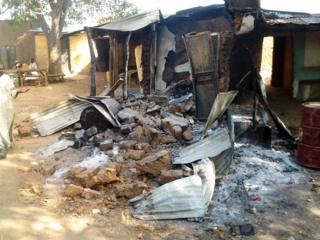
    Image of a destroyed village in Zamfara State Image copyright AFP Image caption Vigilante groups and cattle rustlers have led to a number of clashes in Zamfara State

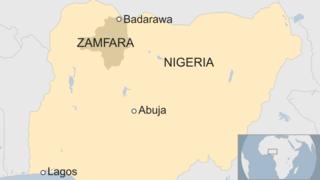
    Gunmen have attacked a cinema in Nigeria’s north-western Zamfara State, killing 11 people and injuring more than 20, witnesses and hospital sources told the BBC.

    The suspected armed bandits opened fire at a village hall, where residents gather at night to watch films.

    The cinema-goers panicked, many escaped with multiple gunshot wounds or broken bones, according to witnesses.

    Amnesty International has warned about the escalating violence in the area.

    Africa Live: Find out all the latest news from the continent How Zamfara State became a bloodbath that no-one cares about

    It is not clear why the cinema was targeted, but villages in Zamfara State have come under heavy attack from armed bandits in recent months.

    Hospital sources says some of the victims’ injuries are life-threatening, while the dead have already been buried.

    The police say security personnel have been deployed to track down the assailants.

    Nearly 400 people have been killed in the state this year amid an increase in robbery, killings, and kidnappings for ransom, according to the rights group Amnesty.

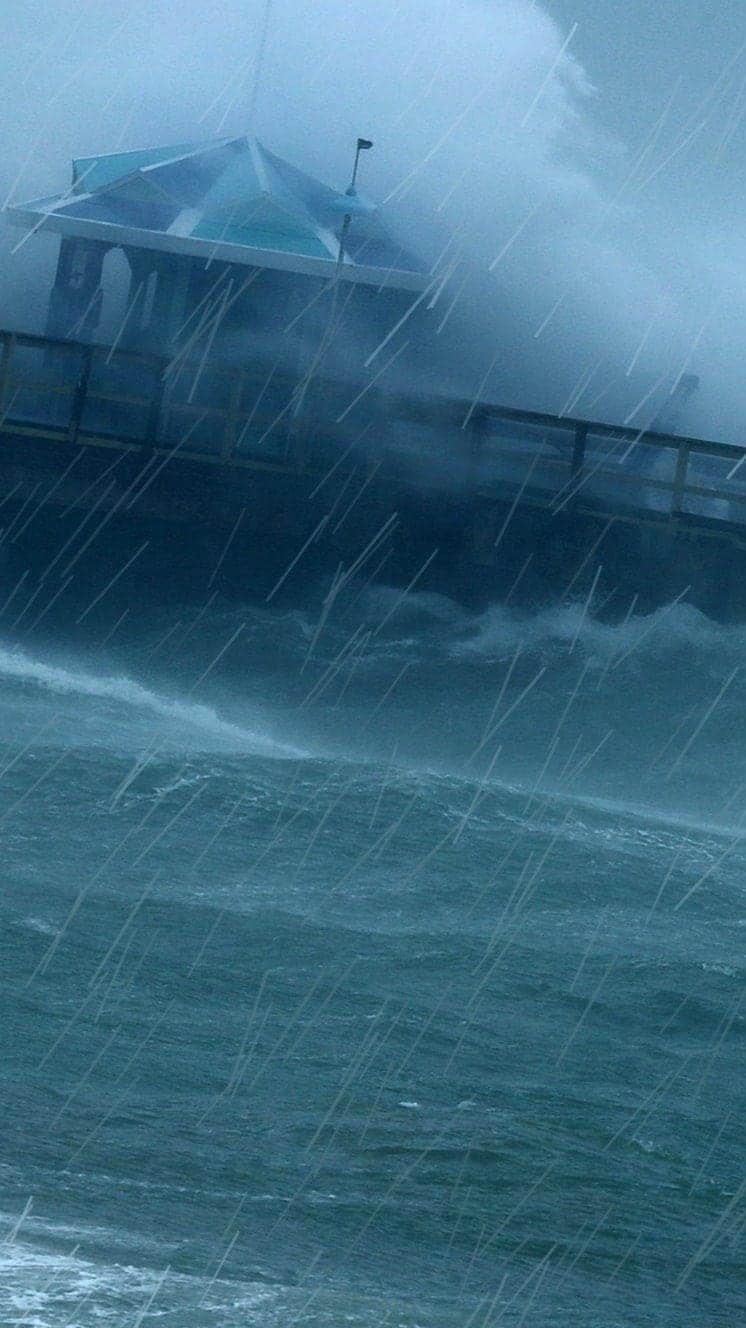
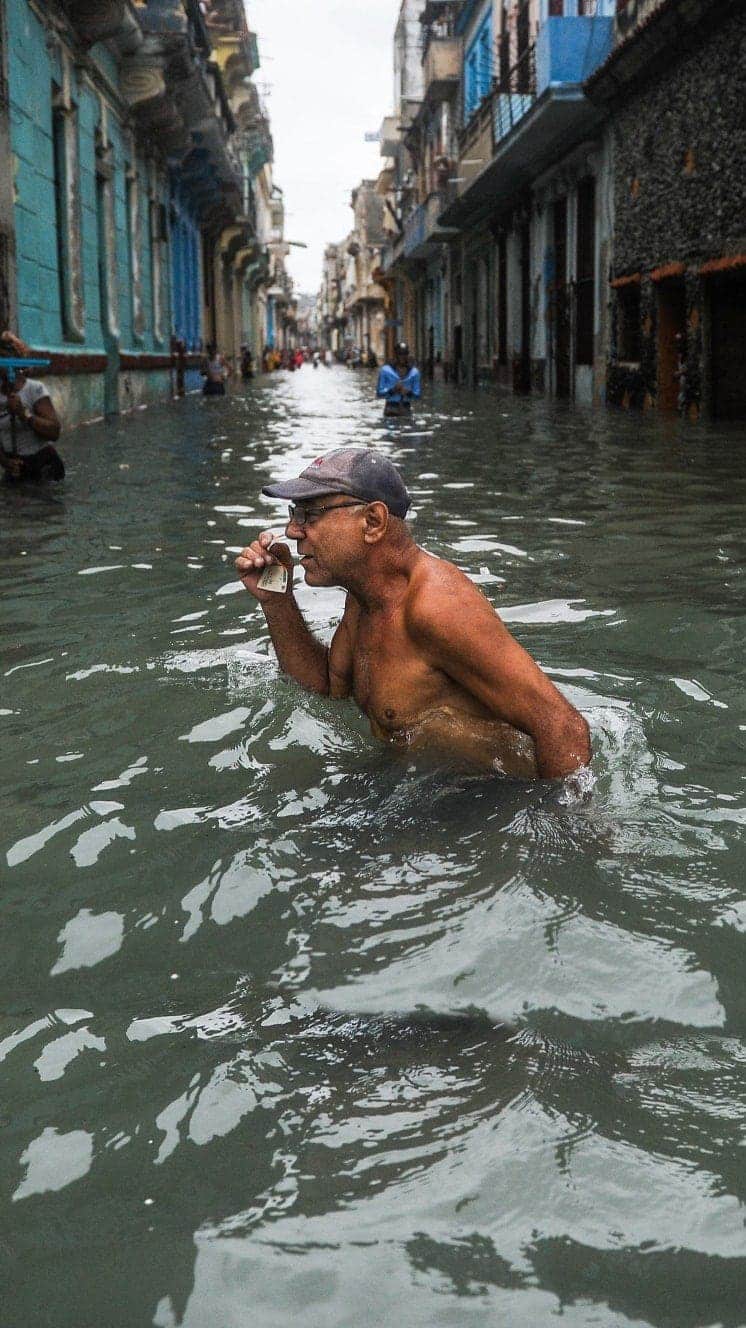
  • Hurricane Florence could ‘kill a lot of people’ Ask a question

    Floodwaters may rise up to 13ft (4m) as rivers see their flows “reversed”, meteorologists have warned.

    “So this is a very dangerous storm,” said Mr Byard. “Inland flooding kills a lot of people unfortunately and that’s what we’re about to see.”

    He warned that flooding would begin within a matter of hours.

    “Your time is running out,” he said. “The ocean is going to start rising.”

    Ask a question

    Share this chatbot.

    “Your time to get out of those areas in storm surge inundation is coming to a close. I cannot emphasise that enough.”

    He said that people living near rivers, streams and lowland areas in the region were most at risk.

    Media playback is unsupported on your device

    Media captionPeople have left homes and taken precautions ahead of the hurricane

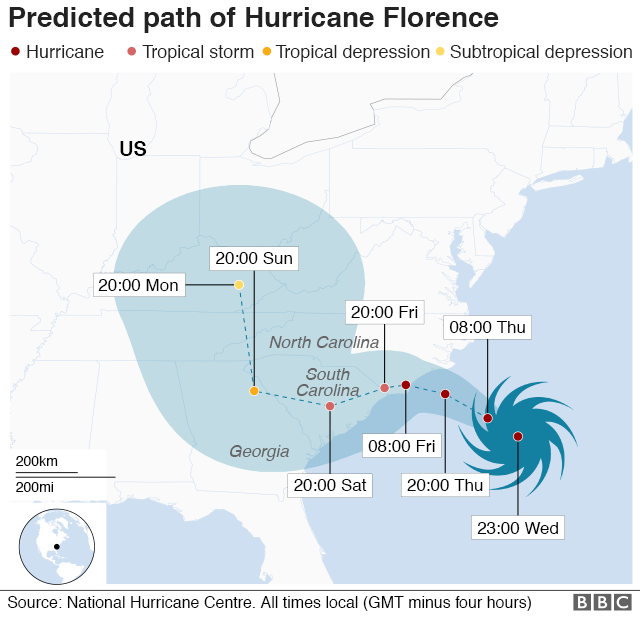
    The latest weather predictions show the storm slowing to a near standstill as it pummels the coast with “copious amounts of rain” from Thursday night to Saturday, said Fema administrator Brock Long.

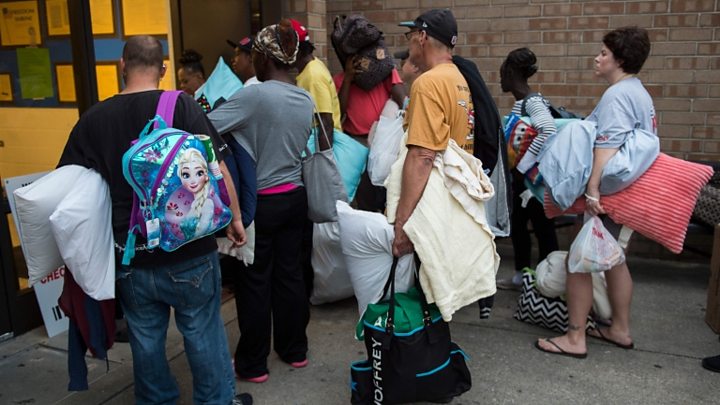
    Nearly two million people have been ordered to evacuate the coast lines in North Carolina, South Carolina and Virginia, and several highways have been reversed to aid the exodus.

    Over 1,400 flights have been cancelled, according to FlightAware.com, as most of the coastal region’s airports closed to ride out the storm.

    Hurricanes

    A guide to the world’s deadliest storms

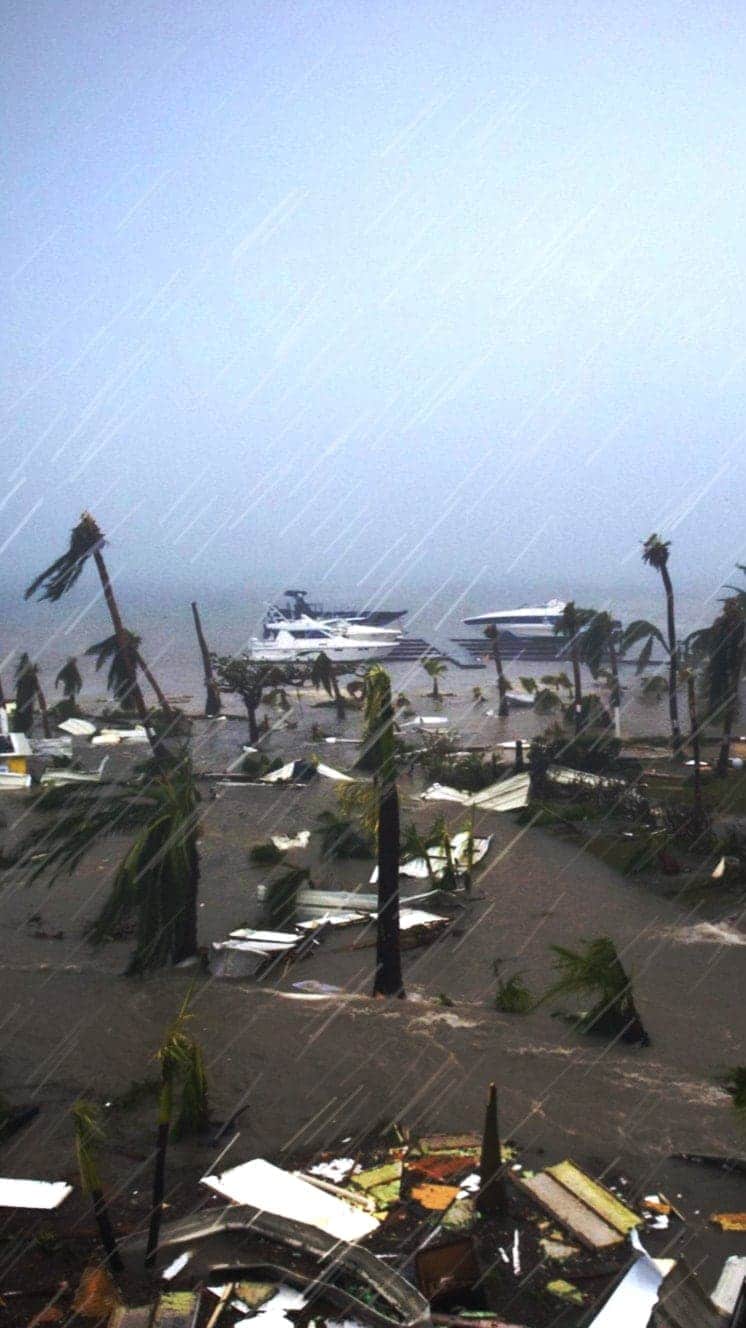
    Hurricanes are violent storms that can bring devastation to coastal areas, threatening lives, homes and businesses.

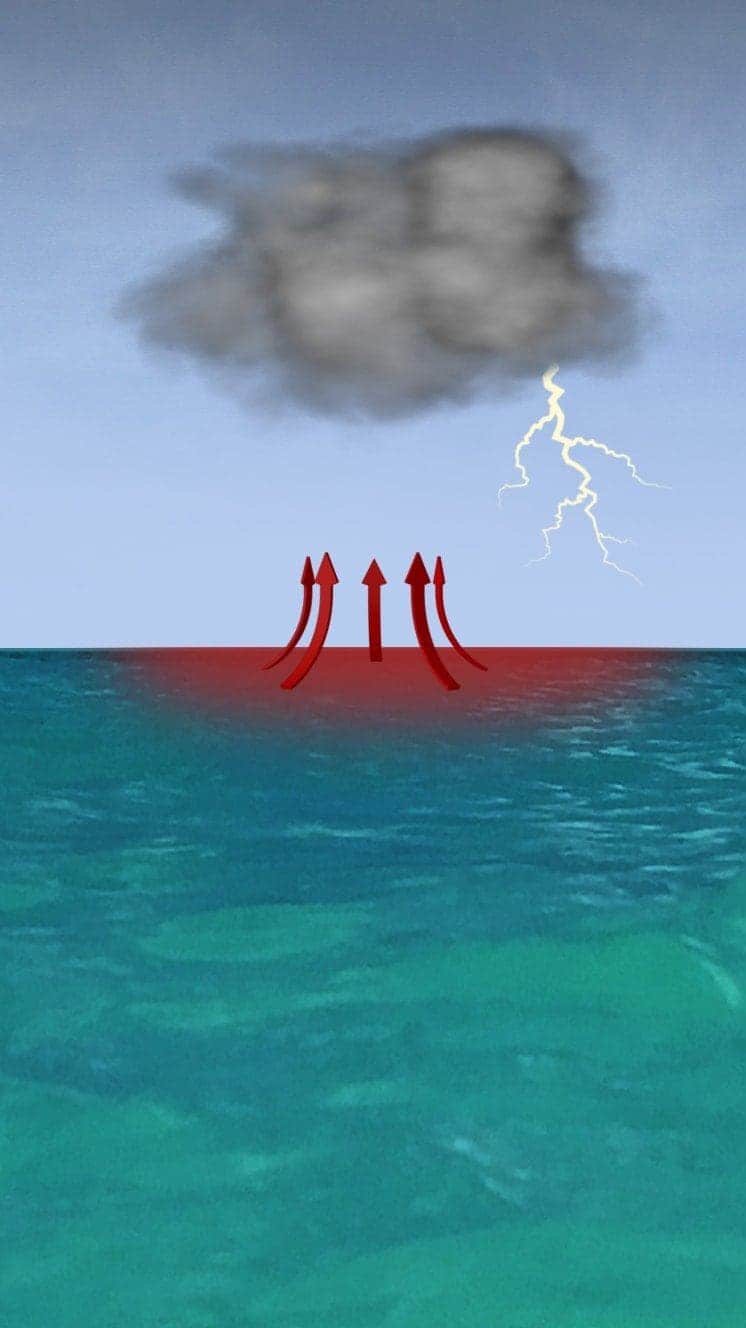
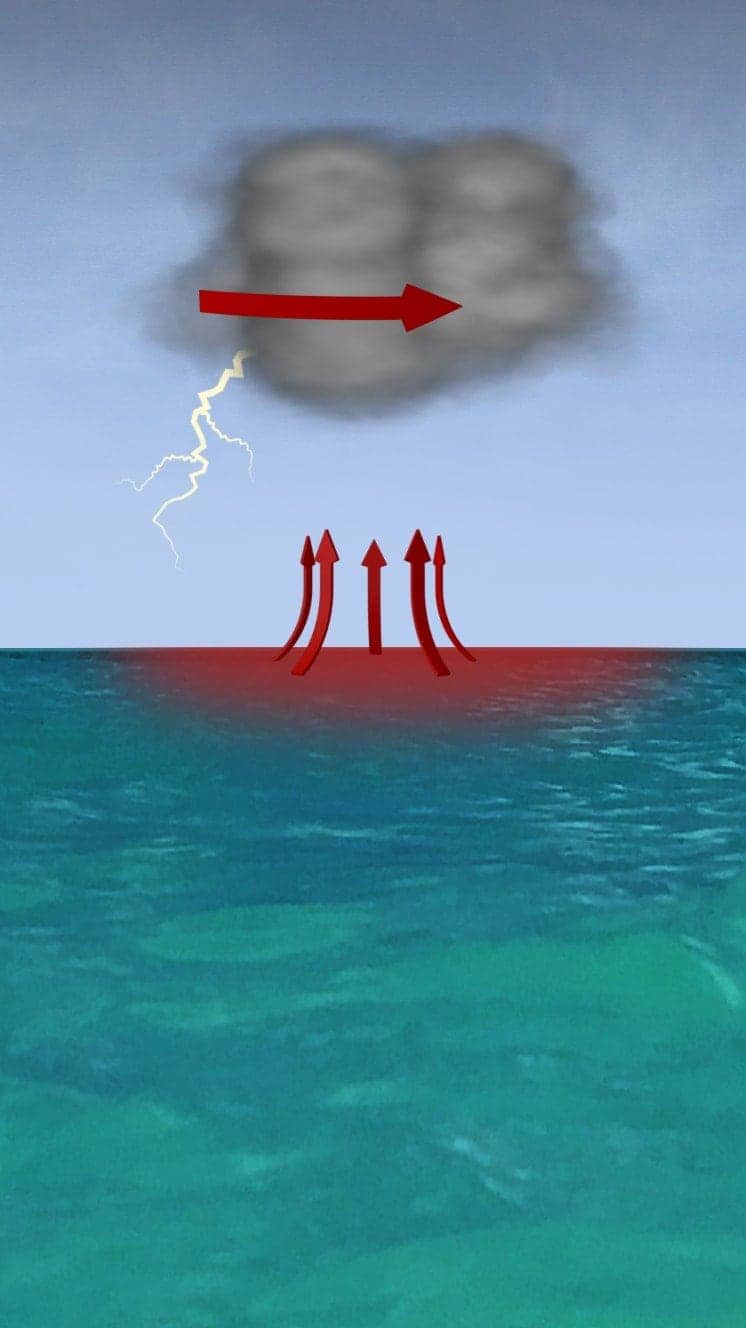
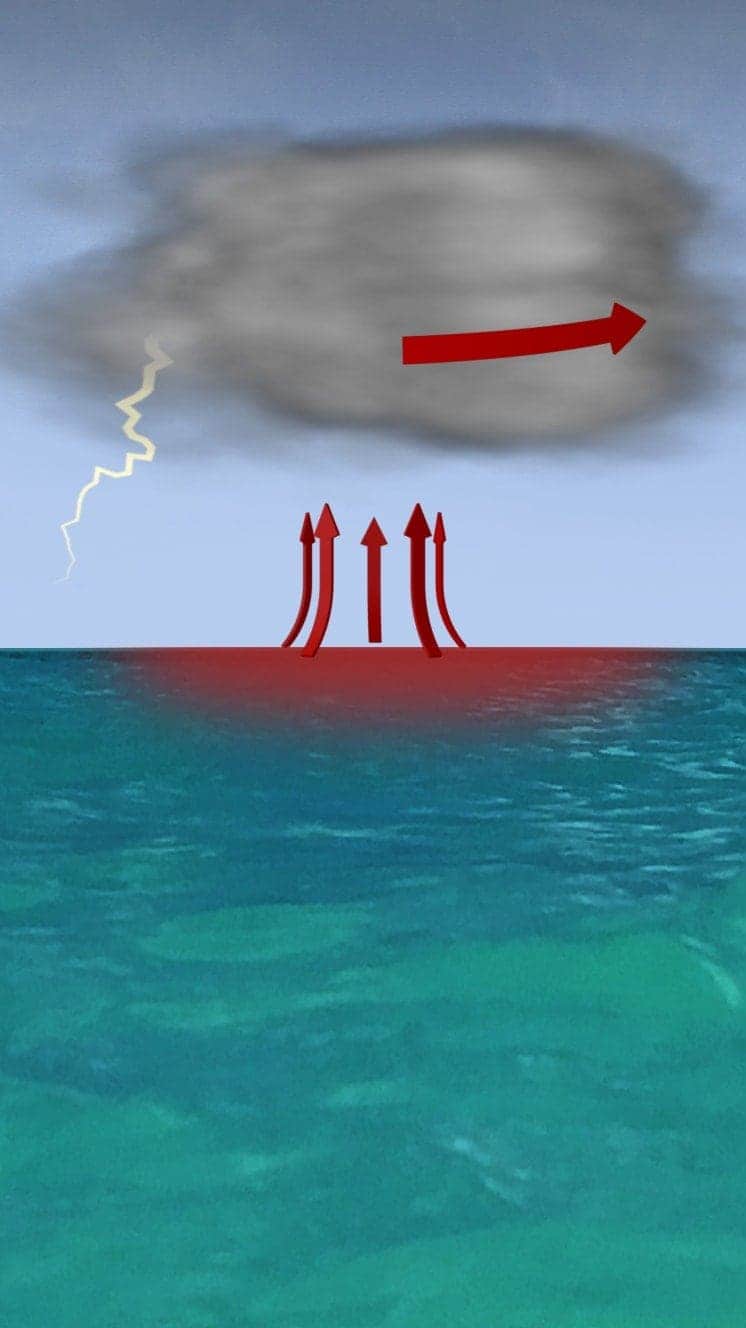
    Hurricanes develop from thunderstorms, fuelled by warm, moist air as they cross sub-tropical waters.
    Warm air rises into the storm.

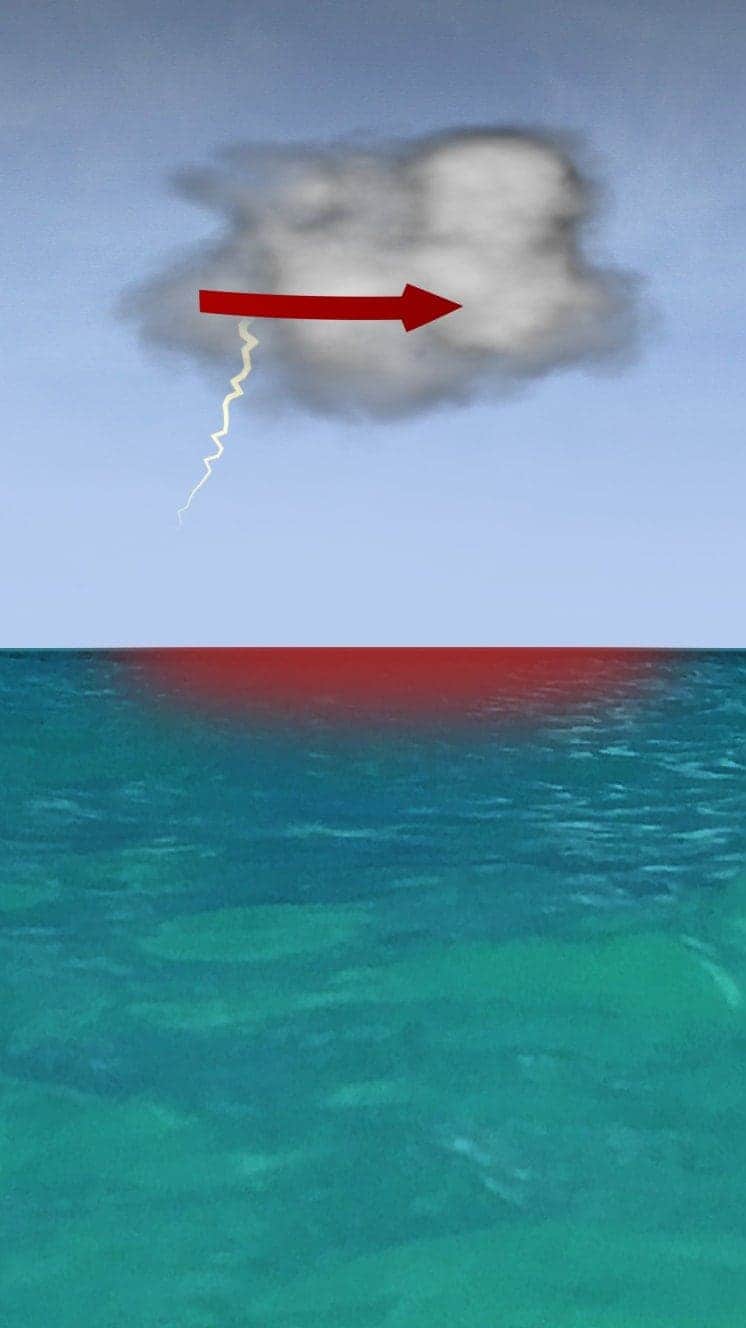
    Air swirls in to fill the low pressure in the storm, sucking air in and upwards, reinforcing the low pressure.

    The storm rotates due to the spin of the earth and energy from the warm ocean increases wind speeds as it builds.

    When winds reach 119km/h (74mph), it is known as a hurricane – in the Atlantic and Eastern Pacific – or a typhoon in the Western Pacific.

    “Everybody has a plan until they get punched in the face. Well, we’re about to get punched in the face.”
    Florida Mayor Bob Buckhorn, ahead of Hurricane Irma (2017)

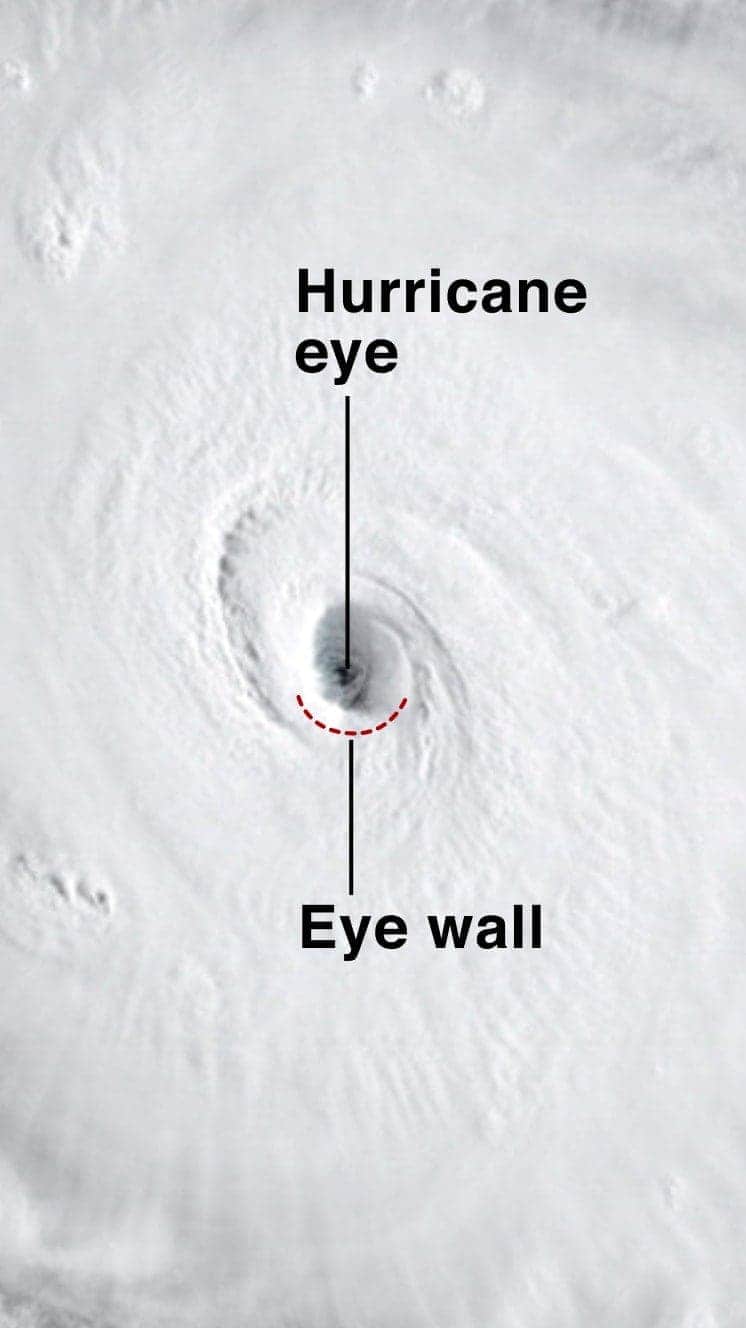
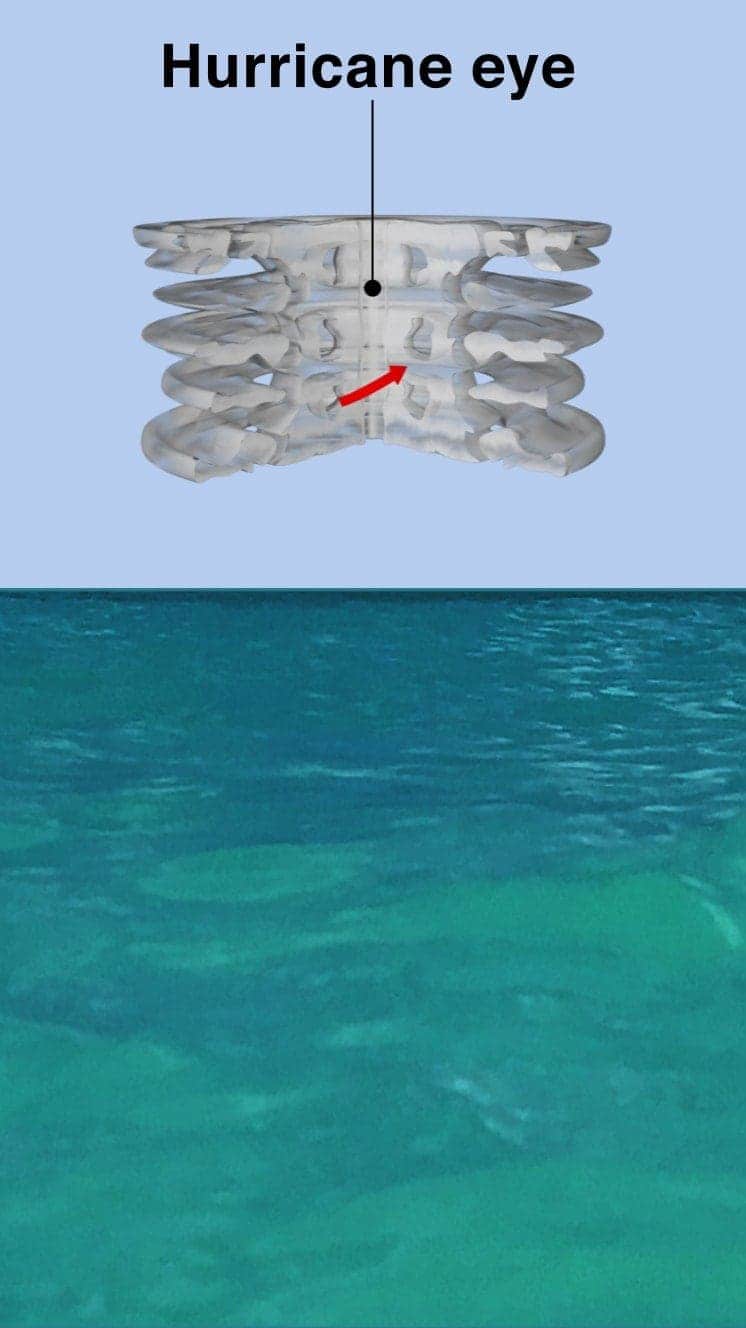
    The central eye of calmer weather is surrounded by a wall of rainstorms.
    This eyewall has the fastest winds below it and violent currents of air rising through it.

    A mound of water piles up below the eye which is unleashed as the storm reaches land.
    These storm surges can cause more damage from flooding than the winds.

    “Urgent warning about the rapid rise of water on the SW FL coast with the passage of #Irma’s eye. MOVE AWAY FROM THE WATER!”
    Tweet from the National Hurricane Center

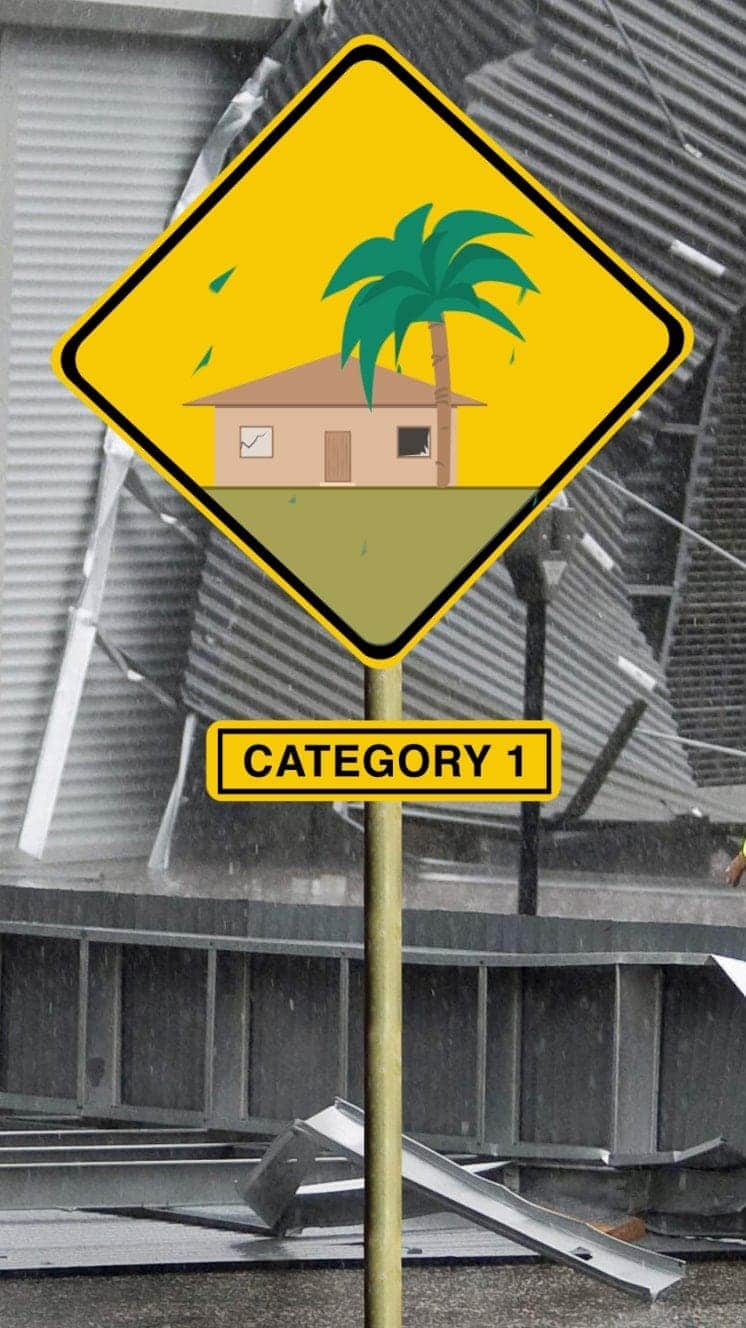
    The size of hurricanes is mainly measured by the Saffir-Simpson scale – other scales are used in Asia Pacific and Australia.

    Winds 119-153km/h
    Some minor flooding, little structural damage.
    Storm surge +1.2m-1.5m

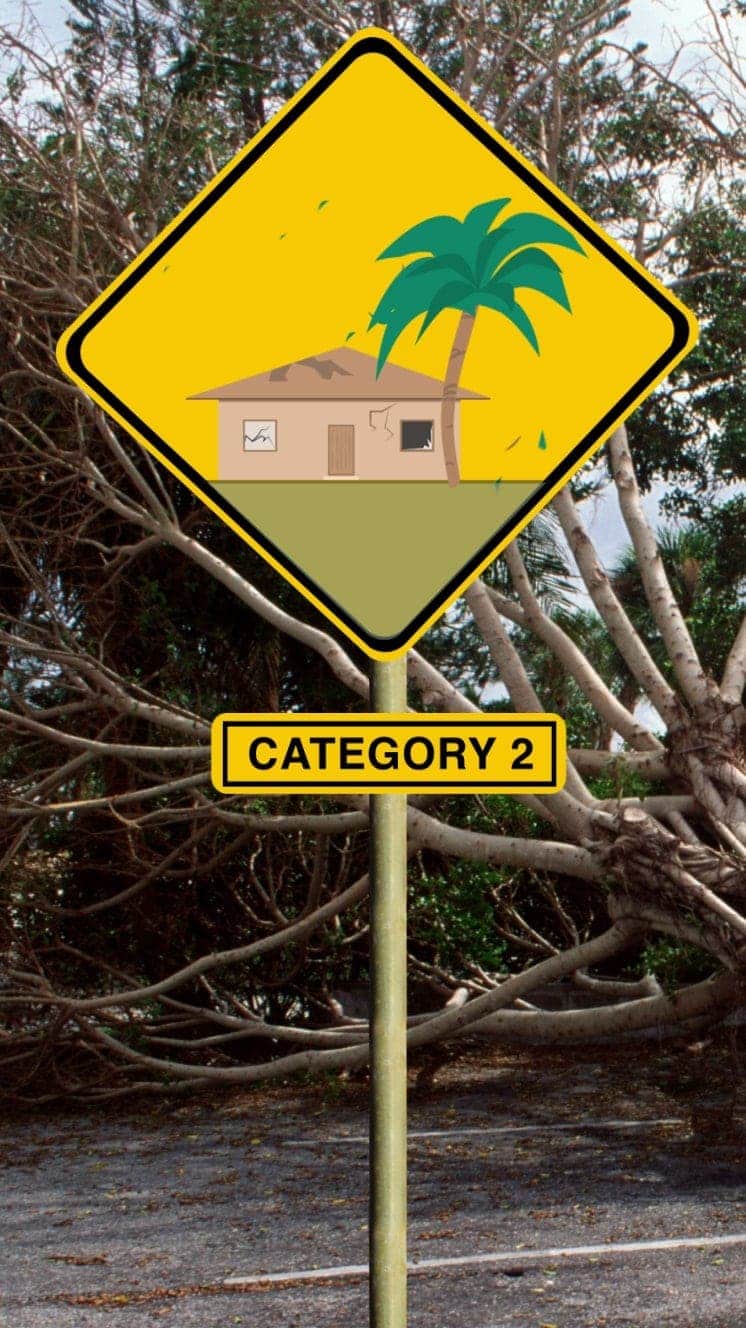
    Winds 154-177km/h
    Roofs and trees could be damaged.
    Storm surge +1.8m-2.4m

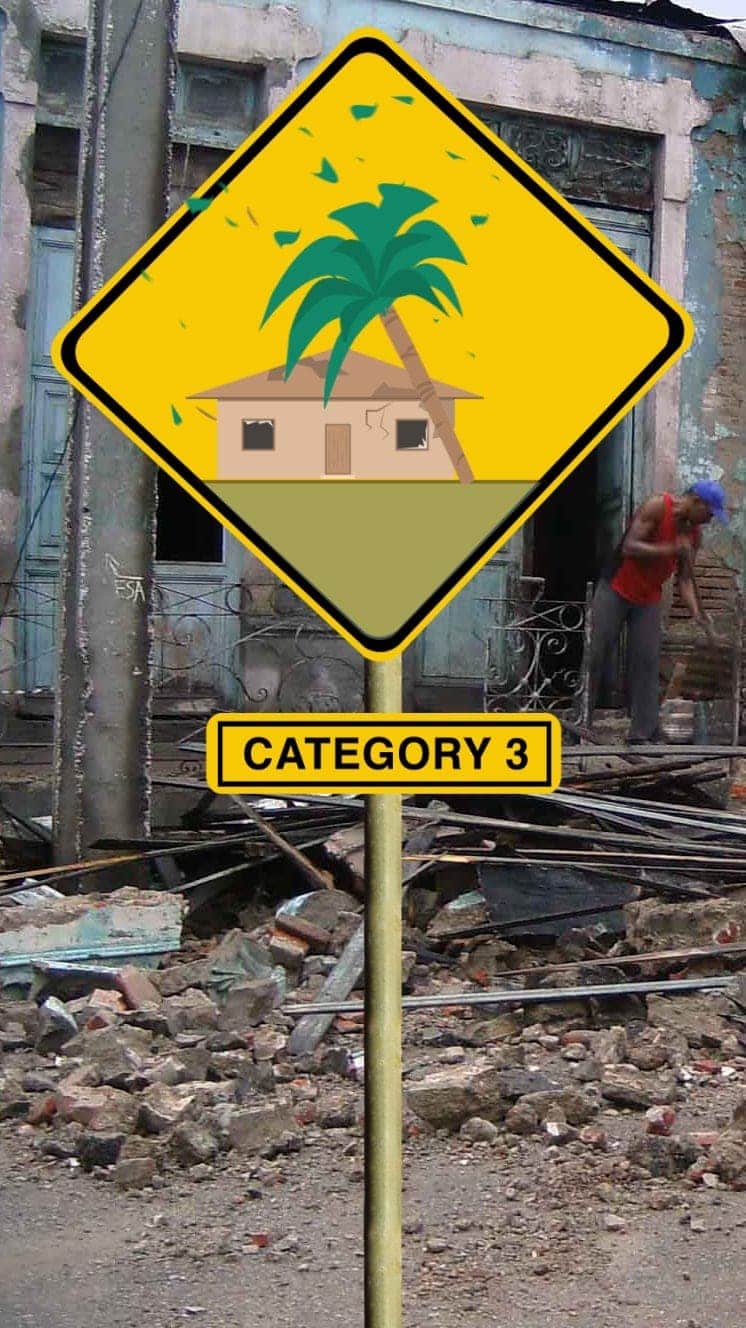
    Winds 178-208km/h
    Houses suffer damage, severe flooding
    Storm surge +2.7m-3.7m

    Hurricane Sandy (2012) caused $71bn damage in the Caribbean and New York

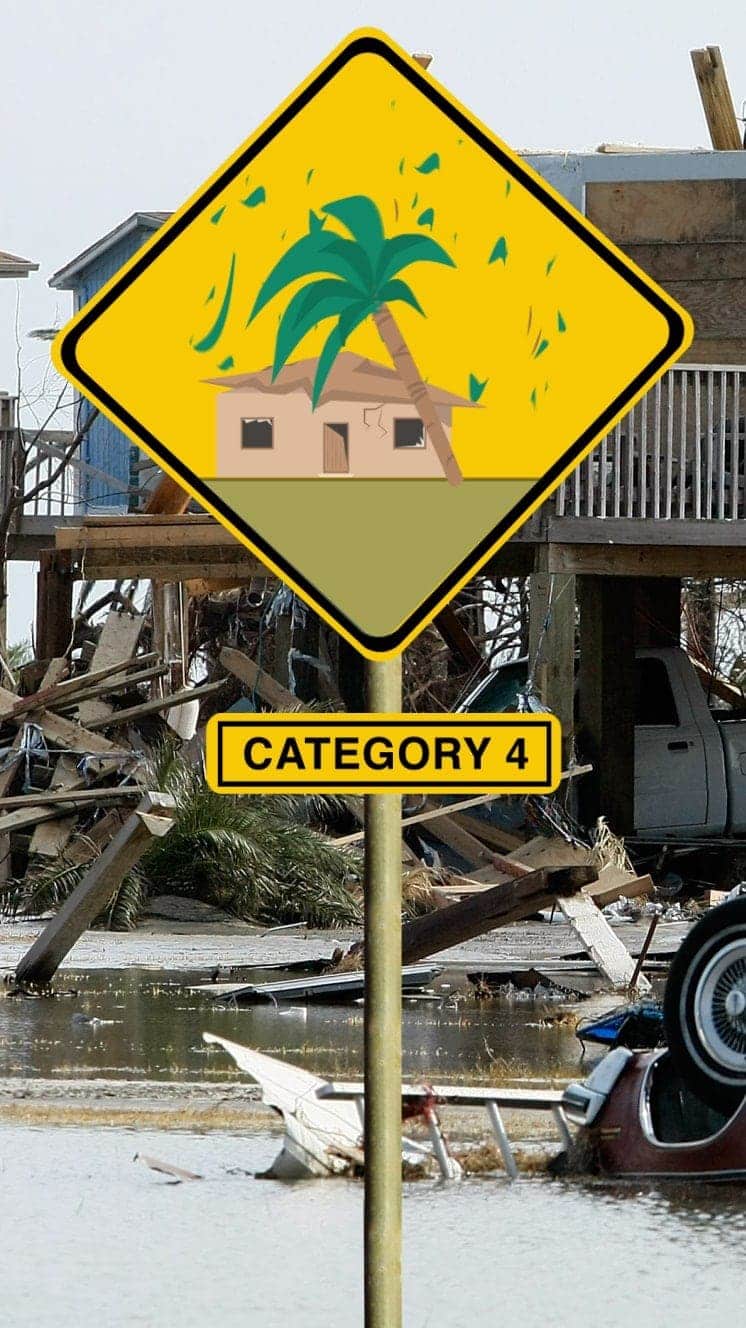
    Winds 209-251km/h
    Some roofs destroyed and major structural damage to houses.
    Storm surge +4m-5.5m

    Hurricane Ike (2008) hit Caribbean islands and Louisiana and was blamed for at least 195 deaths

    Winds 252km/h+
    Serious damage to buildings, severe flooding further inland.
    Storm surge +5.5m

    Hurricane Irma (2017) caused devastation in Caribbean islands, leaving thousands homeless

    “For everyone thinking they can ride this storm out, I have news for you: that will be one of the biggest mistakes you can make in your life.”
    Mayor of New Orleans Ray Nagin ahead of Hurricane Gustav, 2008

    Is global warming to blame?

    The relationship between climate change and hurricanes is a complex one.

    Warmer seas power hurricanes. So as the temperature of ocean water goes up, we might expect the intensity of hurricanes to increase in future.

    A hotter atmosphere can also hold more water, so this should allow hurricanes to dump more water on affected areas.

    But there are so many factors that contribute to these rare events, it has been difficult to tease out clear trends from the data.

    Are you in the area? How are you preparing for the hurricane? Let us know by emailing haveyoursay@bbc.co.uk.

    Please include a contact number if you are willing to speak to a BBC journalist. You can also contact us in the following ways:

    WhatsApp: +447555 173285 Tweet: @BBC_HaveYourSay Send pictures/video to yourpics@bbc.co.uk Upload your pictures/video here Send an SMS or MMS to 61124 or +44 7624 800 100 Please read our terms and conditions and privacy policy

    (more…)

  • Trump disputes Puerto Rico hurricane death toll

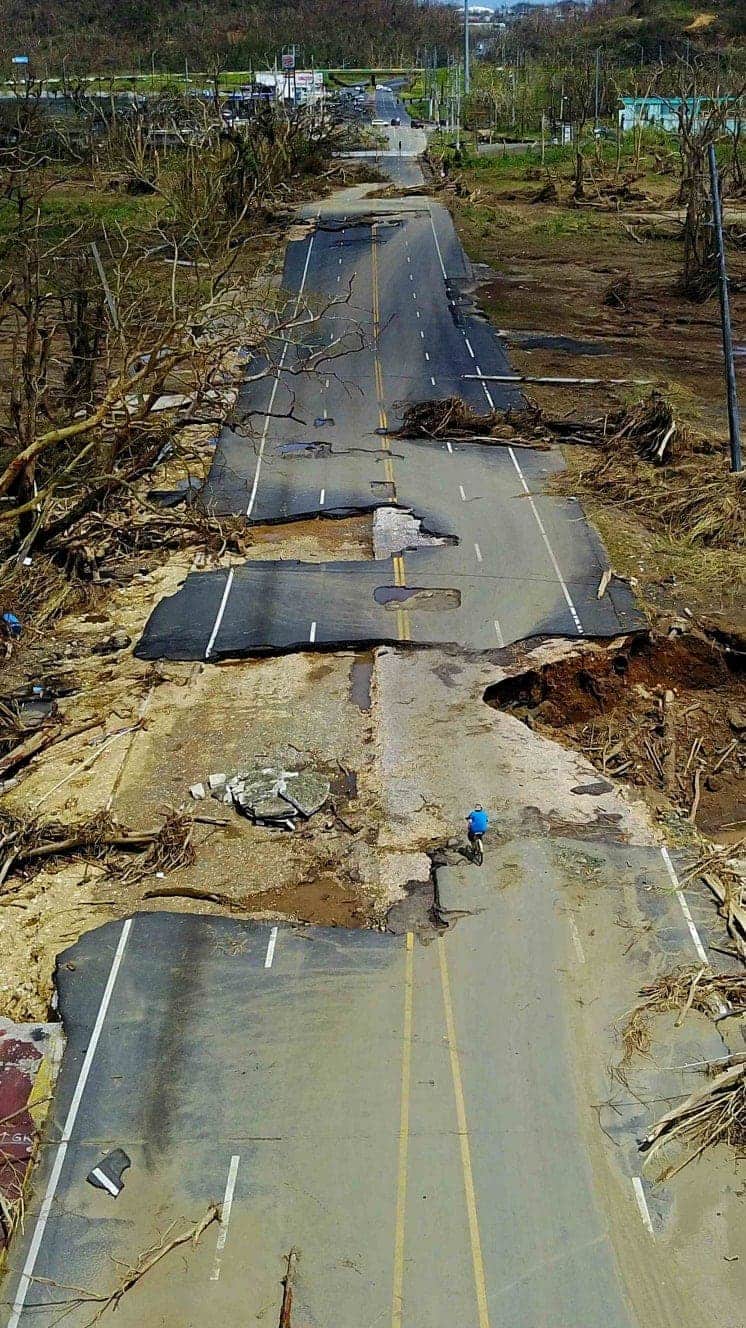
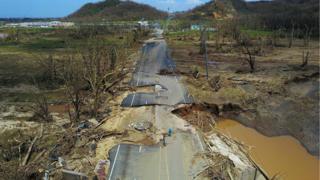
    A man rides his bicycle through a damaged road in Toa Alta, west of San Juan, Puerto Rico Image copyright AFP/Getty Image caption The US territory has asked Congress for $139bn in recovery funds

    US President Donald Trump is disputing that nearly 3,000 people died in Puerto Rico after the island was hit by two hurricanes last year.

    “3000 people did not die in the two hurricanes that hit Puerto Rico,” Mr Trump wrote on Twitter, without offering evidence for the claim.

    He added that Democrats had inflated the official death toll to “make me look as bad as possible”.

    The official figure was released last month after an independent study.

    On Thursday, Mr Trump wrote in a pair of tweets that Democrats were attacking him “when I was successfully raising Billions of Dollars to help rebuild Puerto Rico”.

    Where does the official death toll come from?

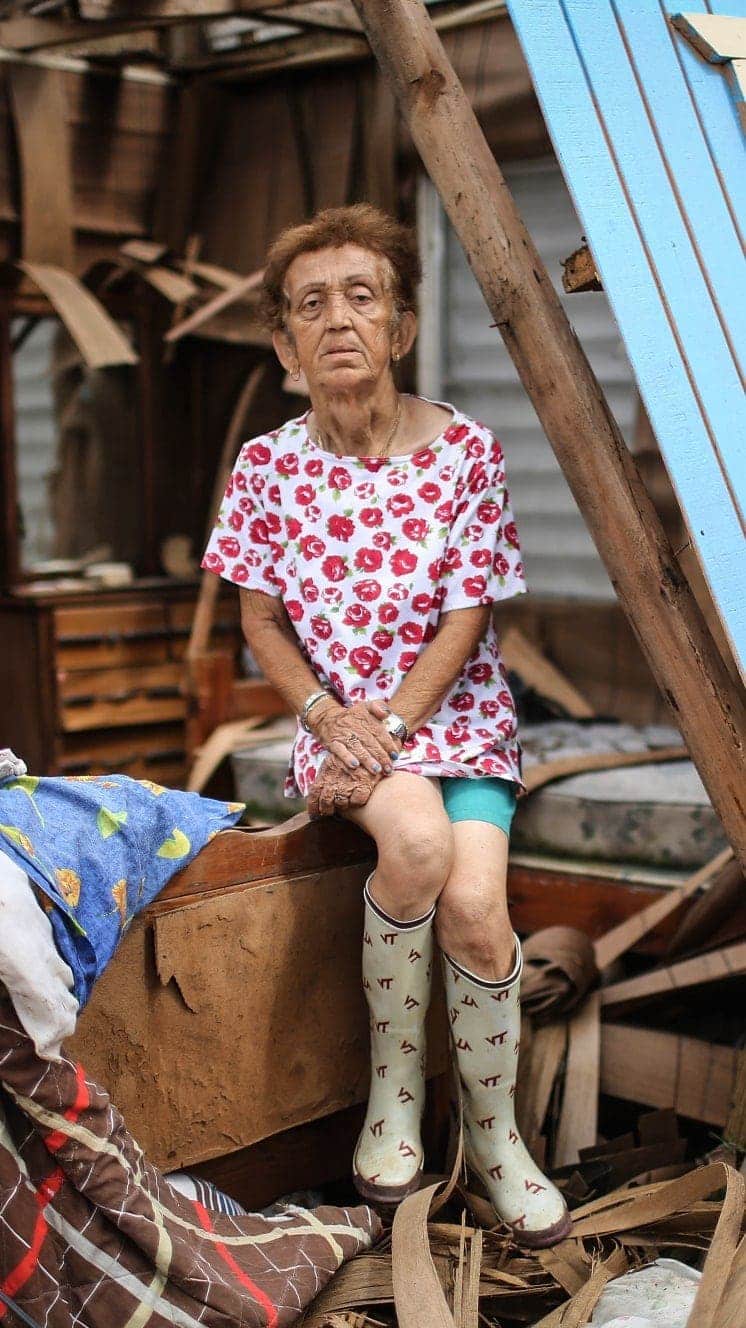
    A George Washington University study in July found that 2,975 people died in Puerto Rico as a result of Hurricane Maria, which struck the island territory in September 2017.

    The governor of Puerto Rico, who commissioned the research, said he accepted the estimate as official.

    The study concluded that the initial death toll of 64 only included those killed directly by hurricanes Maria and Irma – either by drowning, flying debris or building collapse.

    George Washington University also counted those who died in the six months following the storm as a result of poor healthcare provision and a lack of electricity and clean water.

    Puerto Rico hurricane death toll jumps Anger at Trump Puerto Rico ‘success’ claim

    Repeated power cuts also led to an increased number of deaths from diabetes and sepsis.

    US hurricane a looming ‘disaster’

    Last May, Harvard University public health researchers estimated the death toll was even higher.

    They said about 4,600 people died in Puerto Rico in the aftermath of the hurricane from delayed medical care.

    Media playback is unsupported on your device

    Media captionMonths after Maria, many on this US island still suffered in the dark

    What have Puerto Rican officials said?

    In response, the Mayor of Puerto Rico’s capital San Juan, Carmen Yulin Cruz, tweeted: “Mr Trump you can try and bully us with your tweets BUT WE KNOW OUR LIVES MATTER.”

    “You will never take away our self respect. Shame on you!”

    Earlier this week, after Mr Trump hailed the US response in Puerto Rico as “tremendous” and “an incredible, unsung success”.

    Ms Cruz shot back: “If he thinks the death of 3,000 people is a success God help us all.”

    Last month she described Mr Trump’s handling of Maria as a “stain on his presidency”.

    Puerto Rico Governor Ricardo Rosello said in a statement this week that Maria was “the worst natural disaster in our modern history.

    “Our basic infrastructure was devastated, thousands of our people lost their lives and many others still struggle.”

    Puerto Rico, an unincorporated territory of the US, is home to some 3.3 million people.

    (more…)

  • Aung San Suu Kyi: The democracy icon who fell from grace

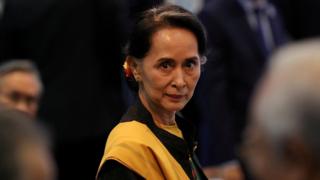
    Myanmar State Counsellor Aung San Suu Kyi attends the opening session of the 31st ASEAN Summit in Manila, Philippines, November 13, 2017 Image copyright Reuters Image caption Aung San Suu Kyi has been criticised by many former allies and friends

    She was once seen as a beacon for universal human rights – a principled activist willing to give up her freedom to stand up to the ruthless generals who ruled Myanmar for decades.

    In 1991, “The Lady”, as Aung San Suu Kyi is known, was awarded the Nobel Peace Prize, and the committee chairman called her “an outstanding example of the power of the powerless”.

    But since becoming Myanmar’s de facto leader in 2016 after a democratic opening, Ms Suu Kyi has been rounded on by the same international leaders and activists who once supported her.

    Outraged by the exodus of hundreds of thousands of Rohingya Muslims from Myanmar into neighbouring Bangladesh due to an army crackdown, they have accused her of doing nothing to stop rape, murder and possible genocide by refusing to condemn the powerful military or acknowledge accounts of atrocities.

    Her few remaining international supporters counter that she is a pragmatic politician trying to govern a multi-ethnic country with a complex history and a Buddhist majority that holds little sympathy for the Rohingya.
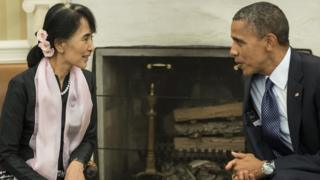
    Image copyright AFP Image caption The Obama administration lifted sanctions on Myanmar in return for democratic reforms

    Although the Myanmar constitution forbids her from becoming president because she has children who are foreign nationals, Ms Suu Kyi is widely seen as de facto leader.

    Her official title is state counsellor. The president, Win Myint, is a close aide.

    Political pedigree

    Aung San Suu Kyi is the daughter of Myanmar’s independence hero, General Aung San.

    He was assassinated during the transition period in July 1947, just six months before independence, when Ms Suu Kyi was only two.

    In 1960 she went to India with her mother Daw Khin Kyi, who had been appointed Myanmar’s ambassador in Delhi.

    Four years later she went to Oxford University in the UK, where she studied philosophy, politics and economics. There she met her future husband, academic Michael Aris.

    After stints of living and working in Japan and Bhutan, she settled in the UK to raise their two children, Alexander and Kim, but Myanmar was never far from her thoughts.

    Image copyright Aris Family Collection/Getty Images Image caption Aung San Suu Kyi with Michael Aris and son Alexander in London in 1973

    When she arrived back in Rangoon (now Yangon) in 1988 – to look after her critically ill mother – Myanmar was in the midst of major political upheaval.

    Thousands of students, office workers and monks took to the streets demanding democratic reform.

    “I could not as my father’s daughter remain indifferent to all that was going on,” she said in a speech in Rangoon on 26 August 1988, and was propelled into leading the revolt against the then-dictator, General Ne Win.

    Inspired by the non-violent campaigns of US civil rights leader Martin Luther King and India’s Mahatma Gandhi, she organised rallies and travelled around the country, calling for peaceful democratic reform and free elections.

    Has Suu Kyi turned her back on free press? Myanmar leader plaque will be removed

    But the demonstrations were brutally suppressed by the army, who seized power in a coup on 18 September 1988. Ms Suu Kyi was placed under house arrest the following year.

    The military government called national elections in May 1990 which Aung San Suu Kyi’s NLD convincingly won – but the junta refused to hand over control.

    House arrest

    Ms Suu Kyi remained under house arrest in Rangoon for six years, until she was released in July 1995.

    She was again put under house arrest in September 2000, when she tried to travel to the city of Mandalay in defiance of travel restrictions.

    She was released unconditionally in May 2002, but just over a year later she was imprisoned after a clash between her supporters and a government-backed mob.
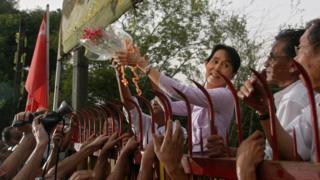
    Image copyright AFP Image caption Huge crowds greeting Aung San Suu Kyi on her release from house arrest in 2010

    She was later allowed to return home – but again under effective house arrest.

    During periods of confinement, Ms Suu Kyi busied herself studying and exercising. She meditated, worked on her French and Japanese language skills, and relaxed by playing Bach on the piano.

    At times she was able to meet other NLD officials and selected diplomats.

    But during her early years of detention she was often in solitary confinement. She was not allowed to see her two sons or her husband, who died of cancer in March 1999.

    The military authorities had offered to allow her to travel to the UK to see him when he was gravely ill, but she felt compelled to refuse for fear she would not be allowed back into the country.

    Re-entering politics

    Ms Suu Kyi was sidelined from Myanmar’s first elections in two decades on 7 November 2010 but released from house arrest six days later. Her son Kim Aris was allowed to visit her for the first time in a decade.

    As the new government embarked on a process of reform, Aung San Suu Kyi and her party rejoined the political process.

    When by-elections were held in April 2012, to fill seats vacated by politicians who had taken government posts, she and her party contested seats, despite reservations. “Some are a little bit too optimistic about the situation,” she said in an interview before the vote. “We are cautiously optimistic. We are at the beginning of a road.”

    She and the NLD won 43 of the 45 seats contested, in an emphatic statement of support. Weeks later, Ms Suu Kyi took the oath in parliament and became the leader of the opposition.

    The following May, she embarked on a visit outside Myanmar for the first time in 24 years, in a sign of apparent confidence that its new leaders would allow her to return.

    ‘Overly optimistic’

    However, Ms Suu Kyi became frustrated with the pace of democratic development.

    In November 2014, she warned that Myanmar had not made any real reforms in the past two years and that the US – which dropped most of its sanctions against the country in 2012 – had been “overly optimistic” in the past.

    And in June 2015, a vote in Myanmar’s parliament failed to remove the army’s veto over constitutional change.

    Four months later, on 8 November 2015, Myanmar held its first openly-contested election in 25 years. Ms Suu Kyi’s NLD won a landslide victory.

    Suu Kyi ‘should have resigned’ on Rohingya Aung San Suu Kyi stripped of Scots honour The country where Facebook posts whipped up hate

    Although she was not allowed to become president due to a constitutional restriction barring candidates with foreign spouses or children, Ms Suu Kyi became de facto leader in 2016, in a “state counsellor” role.

    Since taking power, apart from the Rohingya crisis, Ms Suu Kyi and her NLD government have also faced criticism for prosecuting journalists and activists using colonial-era laws.

    Progress has been made in some areas, but the military continues to hold a quarter of parliamentary seats and control of key ministries including defence, home affairs and border affairs.

    In August 2018, Ms Suu Kyi described the generals in her cabinet as “rather sweet”.

    Myanmar’s democratic transition, analysts say, appears to have stalled.
  • Kofi Annan’s funeral: World leaders bid farewell to ex-UN chief

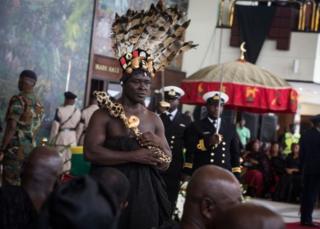
    Ashanti chiefs join local chiefs, politicians and extended family members to pay their respects to Kofi Annan, Ghanaian diplomat and former Secretary General of United Nations who died on August 18 at the age of 80 after a short illness, at the entrance of Accra International Conference Centre in Accra on September 12, 2018 Image copyright AFP Image caption Funeral ceremonies in Ghana are usually elaborate affairs
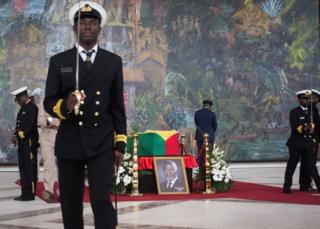
    World leaders and royalty have paid their respects to one of Africa’s most famous diplomats, Kofi Annan, at his funeral in his home country of Ghana.

    It is the climax of three days of mourning which saw thousands of Ghanaians file past his coffin as it lay in state in the capital, Accra.

    Annan died on 18 August in Switzerland at the age of 80.

    He was UN secretary-general from 1997 to 2006, the first black African to hold the world’s top diplomatic post.

    He was awarded the Nobel Peace Prize in 2001 for helping to revitalise the international body, during a period that coincided with the Iraq War and the HIV/Aids pandemic.

    Africa Live: More updates on funeral The human side of a UN chief The lessons Annan learnt in boarding school Militaries guard the coffin of Kofi Annan, Ghanaian diplomat and former Secretary General of United Nations who died on August 18 at the age of 80 after a short illness, at the Accra International Conference Centre in Accra ahead of his funeral on September 12, 2018. Image copyright AFP Image caption Mr Annan’s body lay in state after it was brought from Switzerland

    Speaking at the funeral, current UN secretary-general Antonio Guterres said Annan was an exceptional leader who saw the UN as a force for good.

    “As we face the headwinds of our troubled and turbulent times, let us always be inspired by the legacy of Kofi Annan,” Mr Guterres said.

    “Our world needs it now more than ever,” he added.

    Presentational grey line

    ‘Irresistible aura’

    By Mayeni Jones, BBC News, Accra

    Media playback is unsupported on your device

    Media captionBBC Africa looks back at the career of the former UN secretary-general Kofi Annan.

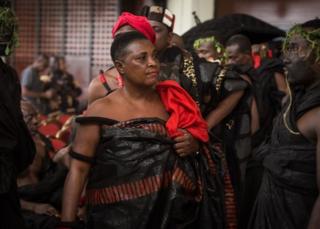
    Mourners in traditional black and red attire filled the main hall of the Accra Conference Centre, which sits about 4,000 people. More are watching proceedings on a giant screen in an auditorium just outside the hall.

    There have been hymns and a performance by soprano and human rights campaigner Barbara Hendricks.

    Annan’s nephew Kojo Amoo-Gottfried read a eulogy, describing how he had led a hunger strike in his secondary school to protest against the quality of food in the dining hall.

    There were also a moving tribute by his wife, Swedish lawyer and artist Nane Maria Annan. She described how her husband was always excited to return home, and thanked Ghana for giving the world such an extraordinary man.

    She said her husband had an irresistible aura of radiant warmth.

    “His legacy would live on through his foundation and through all of us,” she concluded.

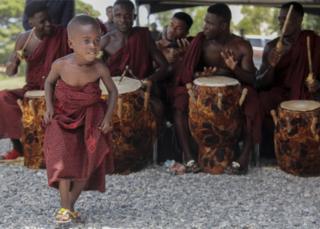
    Presentational grey line A boy dances as drummers in traditional dress perform at the Accra International Conference centre where the body of the late Kofi Annan has been laid in state in Accra, Ghana, 11 September 2018 Image copyright EPA Image caption Drumming echoed through the funeral venue as Ghanaians celebrated Mr Annan’s life
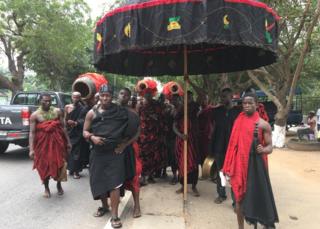
    The former queen of the Netherlands, Princess Beatrix, and her daughter-in-law Princess Mabel, who were close friends of Annan, were among the mourners.

    The king of Ghana’s Asante people, Otumfuo Nana Osei Tutu II, awarded Annan the title Busumuru in 2012 to honour his role as an international diplomat.

    Busumuru is one of the swords attached to the monarch’s Golden Stool, or throne.

    Paramount chiefs' magnificent ceremonial umbrellas at Annan's funeral Image copyright Ayo Bello/BBC Image caption Ghana’s traditional rulers came with magnificent ceremonial umbrellas to pay their respects
    The Anglican bishop of Annan’s home city of Kumasi in central Ghana, the Most Reverend Daniel Sarfo, said: “Today history is being made in Ghana. One of our illustrious sons is lying here.

    “But we are grateful that God used him over the years to work for humanity, for peace. Today, as he lies here, he has finished his work.”

    Local chiefs, politicians and extended family members wait to pay their respects to Kofi Annan, Ghanaian diplomat and former Secretary General of United Nations who died on August 18 at the age of 80 after a short illness, at the entrance of Accra International Conference Centre in Accra on September 12, 2018. Image copyright AFP Image caption Ghanaians were extremely proud of Mr Annan’s achievements
    All pictures subject to copyright

    (more…)

  • Skripal suspects interview: Key excerpts

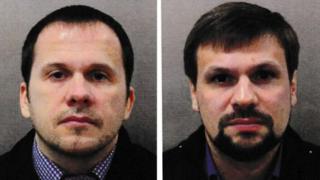
    Alexander Petrov and Ruslan Boshirov Image copyright Reuters Image caption Alexander Petrov and Ruslan Boshirov said they were tourists visiting Salisbury
    The two men named as suspects in the poisoning of a Russian ex-spy in the UK – Alexander Petrov and Ruslan Boshirov – have been speaking to RT, Russia’s state-run international broadcaster. They claim they were merely tourists visiting the English town of Salisbury at the time the poisoning happened. Here are key excerpts of their interview.

    “Well, we came there [to the UK] on 2 March, then went to a railway station to see the timetable. We arrived in Salisbury on 3 March and tried to walk through the town, but we lasted for only half an hour because it was covered in snow,” Mr Petrov said.

    “Of course, we went there to see Stonehenge, Old Sarum, but we couldn’t do it because there was muddy slush everywhere. The town was covered by this slush. We got wet, took the nearest train and came back [to London].”

    “We spent no more than an hour in Salisbury, mainly because of the lags between trains,” Mr Boshirov said. “Maybe we did [approach] Skripal’s house, but we don’t know where is it located.”

    When the interviewer asked them whether they had Novichok or any poison with them, they emphatically said no.

    What happened to the Skripals? The new Russian disinformation game Russian spy poisoning: What we know so far What is the GRU?

    Then she asked whether they had the Nina Ricci perfume bottle that had been shown as evidence.

    “Is it silly for decent lads to have women’s perfume? The customs are checking everything, they would have questions as to why men have women’s perfume in their luggage. We didn’t have it,” Mr Boshirov said.

    Both men sounded distressed as they spoke about how their lives had changed since they were named in the UK as Russian intelligence agents who attempted to poison the Skripals.

    “When your life [is] turned upside down, you don’t know what to do and where to go. We’re afraid of going out, we fear for ourselves, our lives and the lives of our loved ones,” Mr Boshirov said. 

    Asked whether they had recently been to any European state, the two said they had.

    “Sure… In Switzerland, we were a couple of times… We spent New Year in Switzerland.”

    The journey was part of their holiday, they said, though they had also been in Europe to do business related to sports nutrition.

    “We examine the market, look if there is something new – some biologically active additives, amino acids, vitamins, microelements. We pick up the most necessary, come here and decide how to deliver the new products from this market here.”

  • Hurricane Florence: Your guide to the story

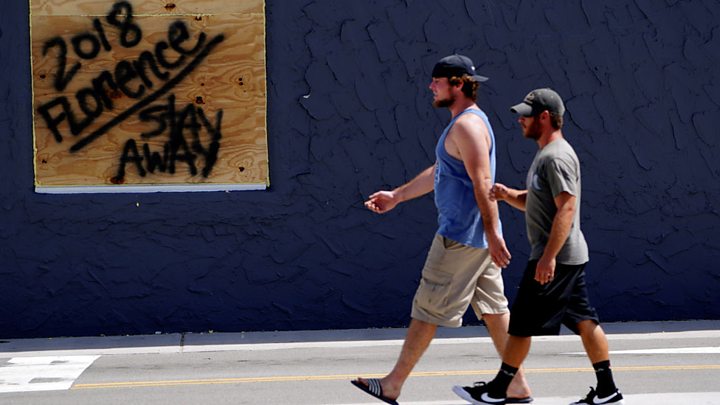
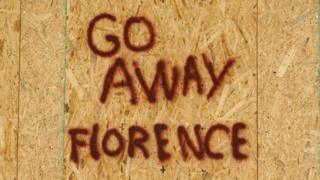
    A message is posted on a boarded up building before the arrival of Hurricane Florence on Oak Island, North Carolina Image copyright Reuters

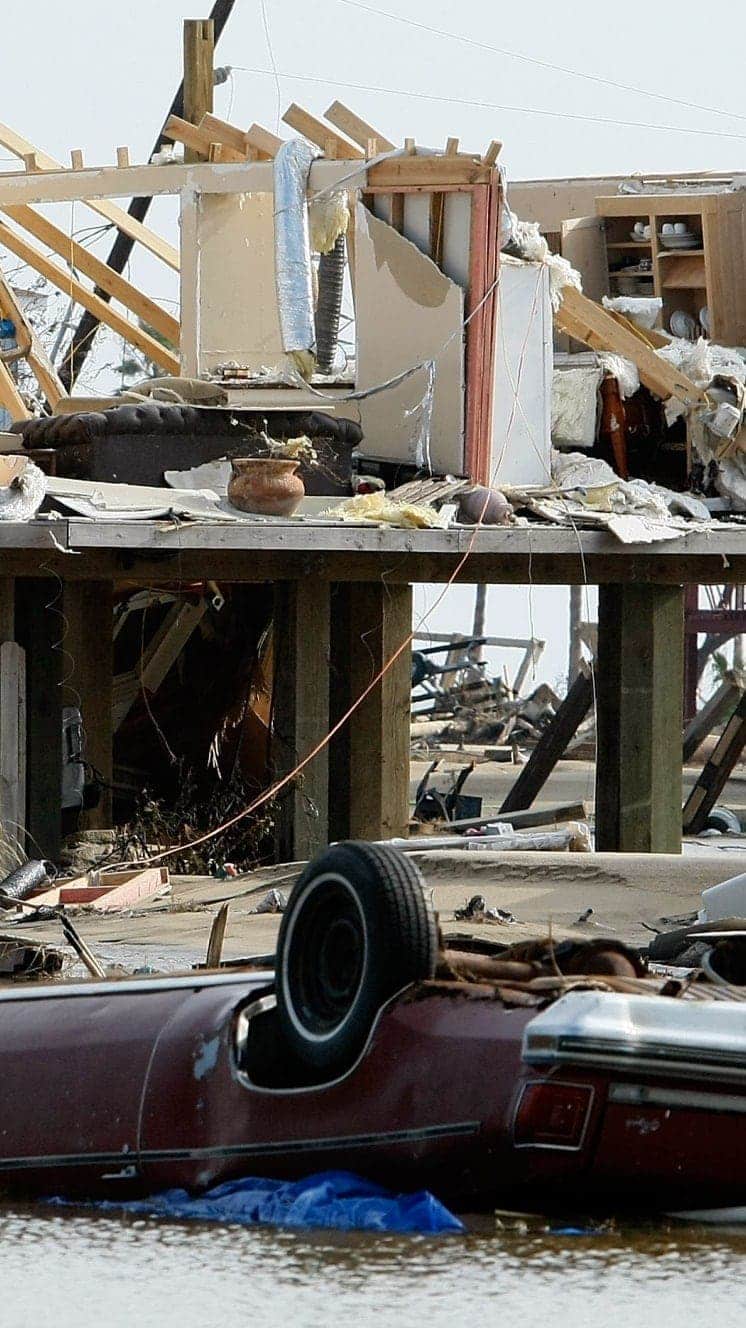
    You may have heard about Hurricane Florence, the storm careering towards the US east coast prompting warnings of an impending disaster.

    But what makes Florence so different from other storms this year? From Beryl, Chris, and Debby?

    We’ve pulled together some of the key elements that explain why officials are so worried, and what damage Florence could cause.

    One video to watch

    The storm’s winds may have weakened in recent days – they are now at 110mph (175km/h) – but there are fears Florence’s slow-moving nature could bring different problems.

    Forecasters say it could slow dramatically when it nears land and then linger until Saturday, moving unpredictably along the coast and bringing torrential rain.

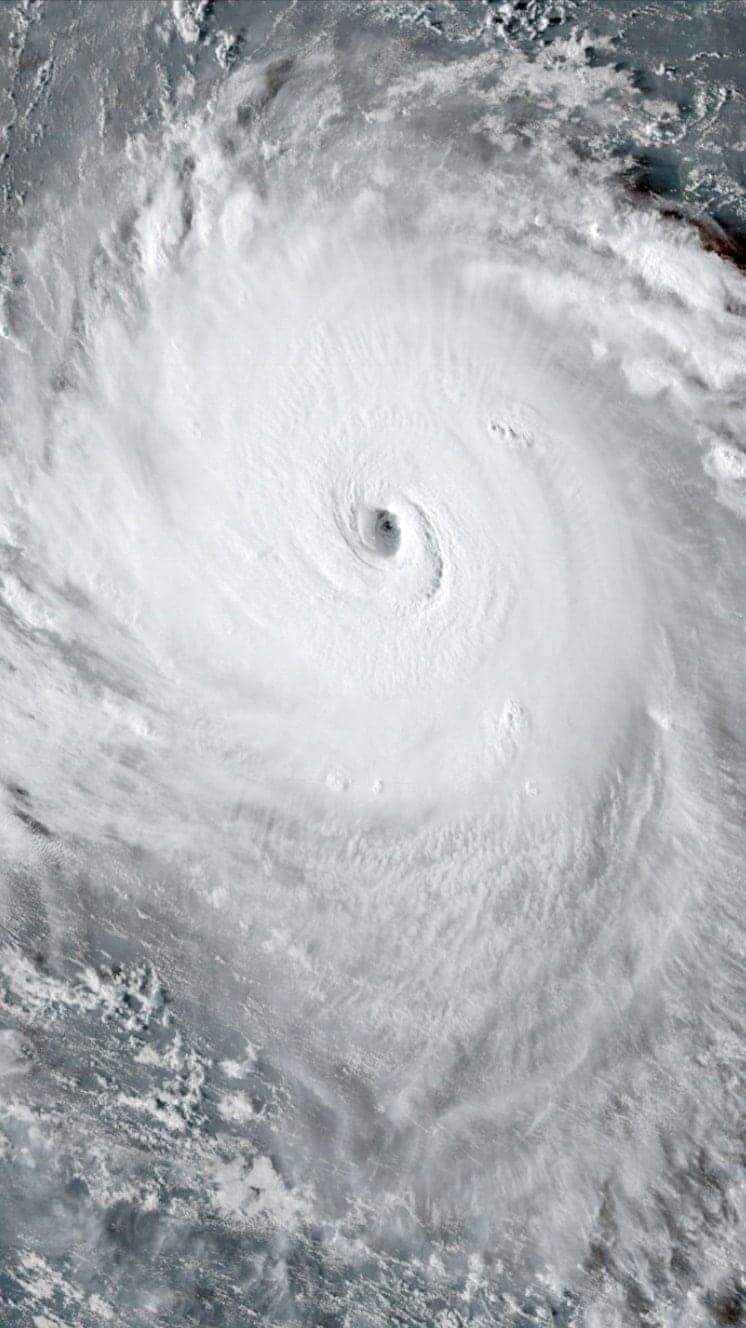
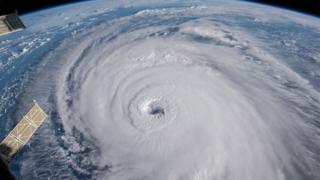
    Image copyright Reuters Image caption Hurricane Florence seen off the US east coast in the Atlantic Ocean
    This satellite image of Florence hurtling towards the east coast on Wednesday gives a sense of its massive scale.

    A National Weather Service forecaster has said it will be the “storm of a lifetime” for parts of the Carolina coast. One emergency official said it will be a “Mike Tyson punch” to the area.

    There will be hurricane-force winds up to 80 miles from the centre of the storm, meteorologists say.

    Some forecasters have predicted it could be the most powerful storm ever to hit the region.

    One big number

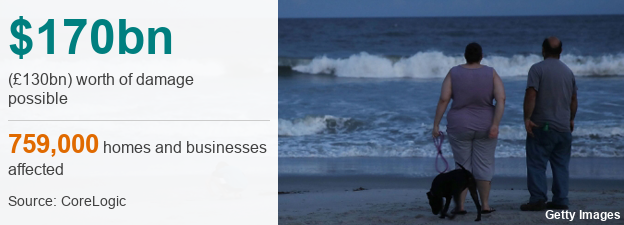
    Florence could do more than $170bn (£130bn) of damage and affect nearly 759,000 homes and businesses, says analytics firm CoreLogic.

    Energy companies have also warned that the storm could knock out power for the foreseeable future in some areas.

    “This is no ordinary storm, and people could be without power for a very long time – not days but weeks,” a president of one energy company in North Carolina said on Wednesday.

    One bit of context

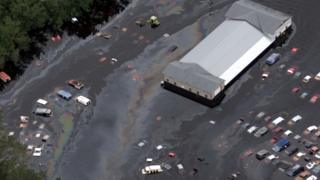
    Image copyright Getty Images Image caption Hurricane Floyd hit North Carolina in 1999 and left floodwaters that were heavily polluted by agricultural waste
    If the storm lingers for a few days, the sheer amount of rainfall could lead to catastrophic flooding.

    But the biggest danger could be life-threatening storm surges. These could be as high as 13ft (4m) along parts of the North Carolina coast.

    All of this has led to fears that the state could face an environmental disaster if industrial waste – including hog manure and coal ash – is washed into people’s homes.

    North Carolina has had this problem before. In 1999, Hurricane Floyd barrelled into the region and flooded vast areas with toxic water.

    Dead hogs and chickens were pictured floating in the floodwaters, which had been polluted with agricultural waste and petrol.

    One quote that tells a story

    Many people in coastal communities have followed the mandatory evacuation orders, but some are vowing to stay put and ride it out.

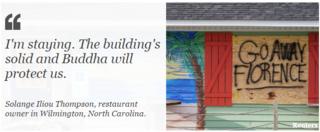
    Solange Iliou Thompson, a restaurant owner in the town of Wilmington, North Carolina, made her stance clear.

    “I’m staying. The building’s solid and Buddha will protect us,” she told AFP news agency. “What can you do? You can’t stop Mother Nature.”

    A delicatessen owner in the same town told Reuters that he was also going to stay.

    “I’m not approaching Florence from fear or panic,” he said. “It’s going to happen. We just need to figure out how to make it through.”

    Media playback is unsupported on your device

    Media captionWhy do people ignore hurricane warnings?

    (more…)

  • Chemnitz protests: Hitler salute wolves displayed

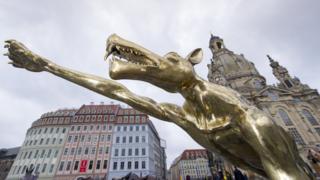
    A wolf sculpture by artist Rainer Opolka making a Nazi salute is pictured in Dresden, 15 March 2016 Image copyright Getty Images Image caption Some of the statues were previously displayed in Dresden and other German cities

    In a country where Nazi symbols are illegal, the sight of snarling wolves performing a Hitler salute is unusual.

    But 10 bronze figures have now gone on display in the eastern German city of Chemnitz to protest against what organisers see as “growing hatred”.

    Tensions have risen in the city in recent weeks after a German man was allegedly killed by two migrants.

    Far-right protesters reportedly used the Hitler salute and chased migrants and journalists.

    Germany’s far right march en masse

    The organisers of the sculpture The Wolves are Back explain that the installation is based on the fact that both the Nazis and current-day right-wing radicals often describe themselves as “wolves”.

    The wolves were created by artist Rainer Opolka and will be in front of Chemnitz’s iconic Karl Marx statue until Thursday evening, together with signs accusing right-wing groups of “exploiting our fears” and describing right-wing radicalism as “the mother of all problems”.

    Some of the figures are ready to attack, while others are blindfolded.

    The wolf statues were previously displayed outside a court in Munich during the sentencing of Beate Zschäpe, a member of a neo-Nazi gang who was found guilty of 10 racially-motivated murders in July, as well as in Berlin and Dresden.

    It is not the first anti-racism event in Chemnitz. More than 60,000 attended a free concert in the city last week to protest against the far-right.