Category: WORLDS

  • Russia World Cup: How Pussy Riot managed to burst into final

    Croatia's Lovren grabbed pitch invader Pyotr Verzilov, 15 Jul 18 Image copyright Reuters Image caption Croatia defender Dejan Lovren (L) grabbed pitch invader Pyotr Verzilov

    A Pussy Riot activist who ran onto the pitch during the World Cup final says the stunt worked because of Russian deference for authority.

    Pyotr Verzilov said it was easy for him and three female activists to buy police uniforms, used in order to slip past security at the Croatia-v-France match in Moscow on 15 July.

    “No one stopped us,” he told BBC Russian, when interviewed at a prison north of the capital.

    “I know the Russian psychology: a police uniform is sacred. Nobody will ask for your permit or accreditation.

    “I pretended to be yelling into my phone – ‘Nikolayich, where do you want me to look for them?!’ – and I gestured to the steward to let me through the gate. He opened it.”

    Image copyright Reuters Image caption Pussy Riot invaded the pitch in front of President Putin and other dignitaries

    Pussy Riot – a feminist punk group opposed to President Vladimir Putin – said the “performance art” was intended to draw attention to human rights abuses in Russia.

    The four activists have been given 15-day prison terms and a three-year ban on attending sports events.

    Their pitch invasion in the second half lasted about 25 seconds – they stopped play but were quickly hustled off by stewards. France went on to win 4-2.

    Image copyright Reuters Image caption The activists (L-R): Verzilov, Nikulshina, Pakhtusova, Kurachyova

    Activists Veronika Nikulshina, Olga Kurachyova and Olga Pakhtusova are being held in a jail in the south of Moscow.

    “We were speaking for Russia,” Verzilov told the BBC.

    “Throughout the World Cup, which I really enjoyed, there wasn’t a word of political criticism [against the government].

    “I categorically disagree with Western countries who call for a boycott of Russian sporting events. But to avoid criticising what’s going on in Russia today is wrong.”

    Image copyright AFP Image caption President Putin was delighted with a successful World Cup

    President Putin however saw the World Cup as a great achievement for Russia. On 18 July he told a Moscow forum that visitors had praised Russia’s facilities and “hospitality and friendliness”.

    “The improved squares and streets of our cities have become points of attraction, friendship and communication for tourists,” he said.

    And at his swearing-in as president in May he said openness was vital for Russia’s future. He called for “a free society that is open to all new and cutting-edge advances, while rejecting injustice, ignorance, crass conservatism and bureaucratic red tape”.

    Read more on Pussy Riot’s protests:

    Court condemns Russia over Pussy Riot case Russia frees jailed Pussy Riot pair Pussy Riot to put audience ‘in prison’

    Pussy Riot’s protest took four weeks of planning, Verzilov said, although they had got hold of tickets for the final six months ago.

    “We bought several tickets on the Fifa website, and supporters of Pussy Riot in other countries obtained tickets for us too,” he said. “We sat in ordinary seats, we weren’t in the VIP zone.”

    Getting hold of police uniforms had been easy, Verzilov said. When police officers demanded to know where he had got them, he said, he answered the same way that President Putin had, when he was asked about Russian troops in Crimea.

    Mr Putin repeatedly denied any Russian military role in the takeover of Ukraine’s Crimea region in March 2014, but did admit it months later.

    Verzilov said: “I told them that Putin himself said you can pick up any military uniform you like these days, that it was easy to do and that it would set you back about 5,000 roubles [£61; $79].”

    Policeman’s trim

    To look the part, he said, he had had to shave for the first time in three years. “I told my barber I needed to look like a police officer.”

    One of the women protesters wore a wig, because she normally has pink hair, he said.

    They had rehearsed by running around a local football pitch.

    Image copyright Reuters Image caption One of the pitch invaders high-fived France’s Kylian Mbappé

    The four had gone to the match in ordinary clothes, carrying the police uniforms in rucksacks. Nobody asked about the clothes at the bag check, going into the stadium.

    At half-time the group changed into their police uniforms in the toilets. Shortly after that they leapt into the world’s spotlight.

    One of the women high-fived the young French star Kylian Mbappé.

    But Croatia defender Dejan Lovren grabbed Verzilov in anger.

    Later a video clip emerged on social media, in which a police officer berated Verzilov and Nikulshina. He accused them of bringing shame on Russia and said Fifa would impose a heavy fine for their protest.

    Pussy Riot’s motive was to get political prisoners released, stop the arrests of people at political rallies, or for posting “likes” on social media, and end trumped-up cases against dissidents in Russia, Verzilov told the BBC.

    Pussy Riot first drew international attention when they performed an anti-Putin punk song in Moscow’s Cathedral of Christ the Saviour in 2012, wearing colourful balaclavas. Three women were jailed in labour camps for that “blasphemy”.

  • Pussy Riot activist Pyotr Verzilov ‘in hospital’

    Pyotr Verzilov was one of those jailed for invading the World Cup final pitch Image copyright Reuters Image caption Pyotr Verzilov was one of those jailed for invading the World Cup final pitch

    Pyotr Verzilov, an activist with Russian protest group Pussy Riot, is reported to have been taken to hospital in a serious condition.

    Relatives speaking to the Meduza website said they believed he may have suffered poisoning but there is no official word on his condition.

    He reportedly fell ill after a court hearing on Tuesday for fellow Pussy Riot activist Veronika Nikulshina.

    Mr Verzilov was one of the activists who invaded the World Cup final pitch.

    The story of Pussy Riot’s 2012 jailing

    Ms Nikulshina told Meduza that Mr Verzilov had complained of losing his sight, “then the ability to talk, then the ability to walk”.

    Image copyright Reuters Image caption Croatia’s Dejan Lovren squared up to Mr Verzilov during the World Cup pitch invasion in July

    Meduza said Mr Verzilov was in the toxicology department of a hospital in Moscow’s Sokolniki district.

    It said Mr Verzilov’s mother had not been allowed to see her son.

    Mr Verzilov, who also holds Canadian citizenship, was part of the Voina performance art group with Ms Tolokonnikova before it split in 2009 and then acted as spokesperson for Pussy Riot during the 2012 trial.

    He was jailed for 15 days this year along with three women activists after invading football’s World Cup final in Moscow on 15 July wearing police uniforms.

    How Pussy Riot managed to burst into final

    They said the action, under the name of Pussy Riot, was a protest against human rights abuses in Russia.

  • Hurricanes: A guide to the world’s deadliest storms

    As Hurricane Florence approaches the east coast of the United States, use our guide to see how these deadly storms form, their devastating effects and how they are measured.

    Hurricanes

    A guide to the world’s deadliest storms

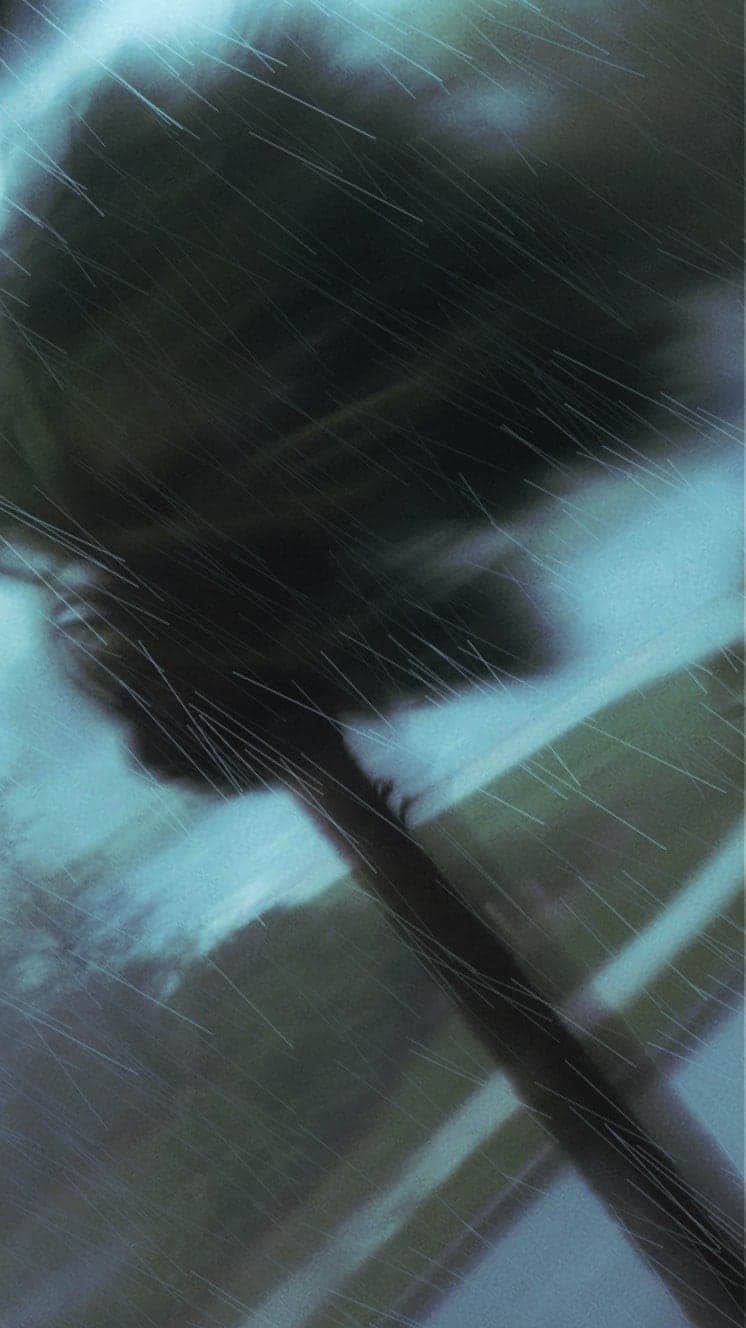
    Hurricanes are violent storms that can bring devastation to coastal areas, threatening lives, homes and businesses.

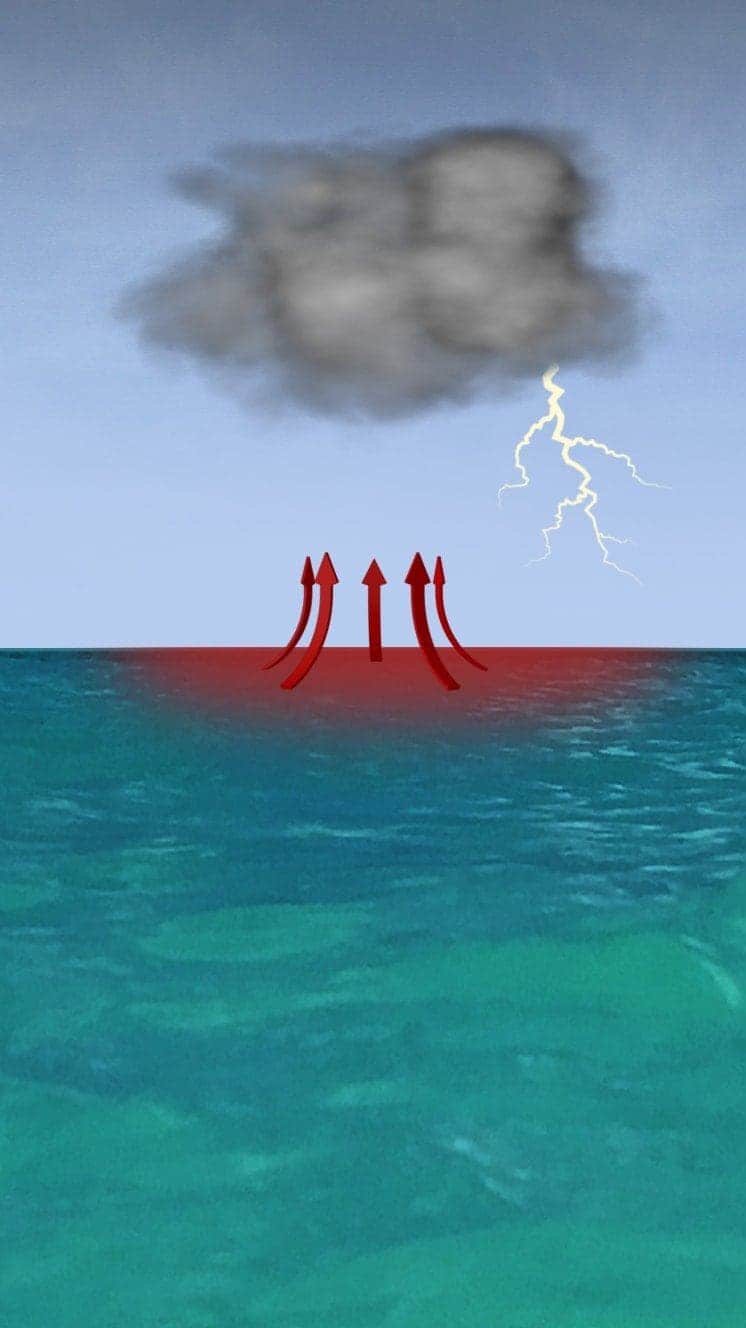
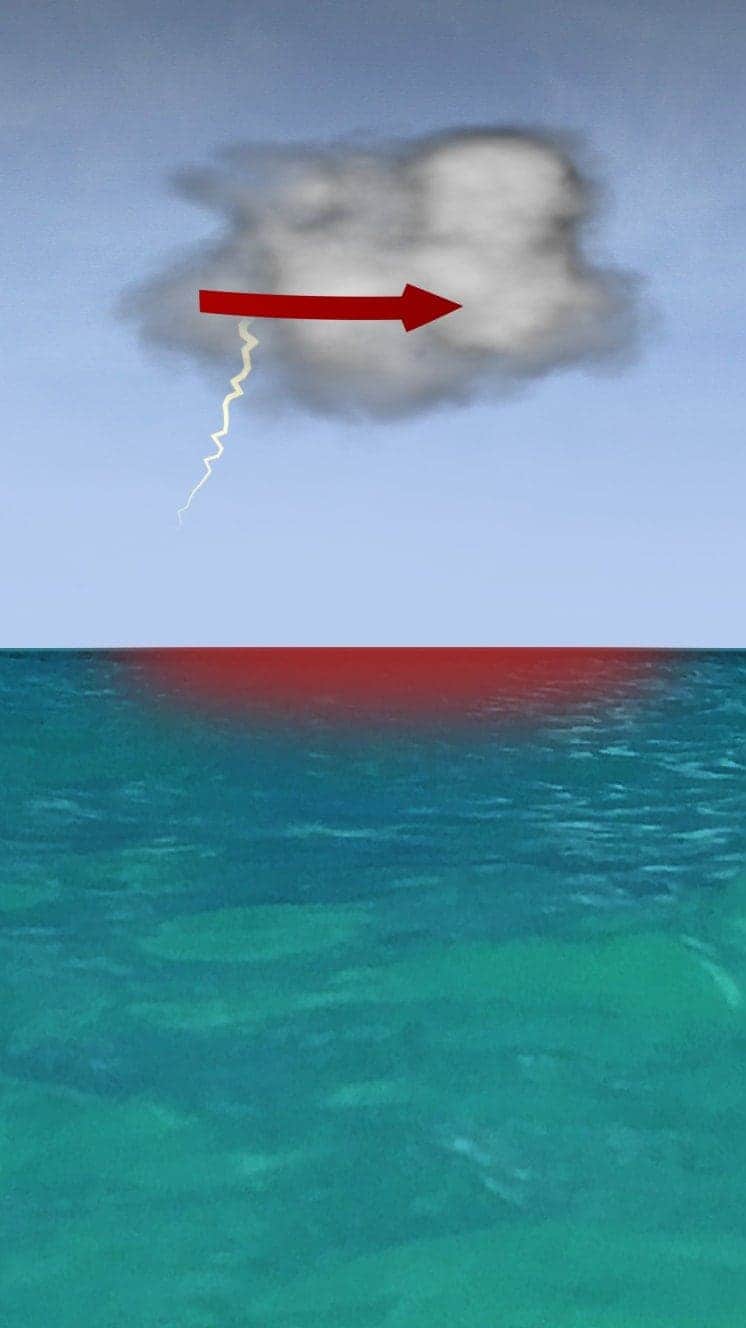
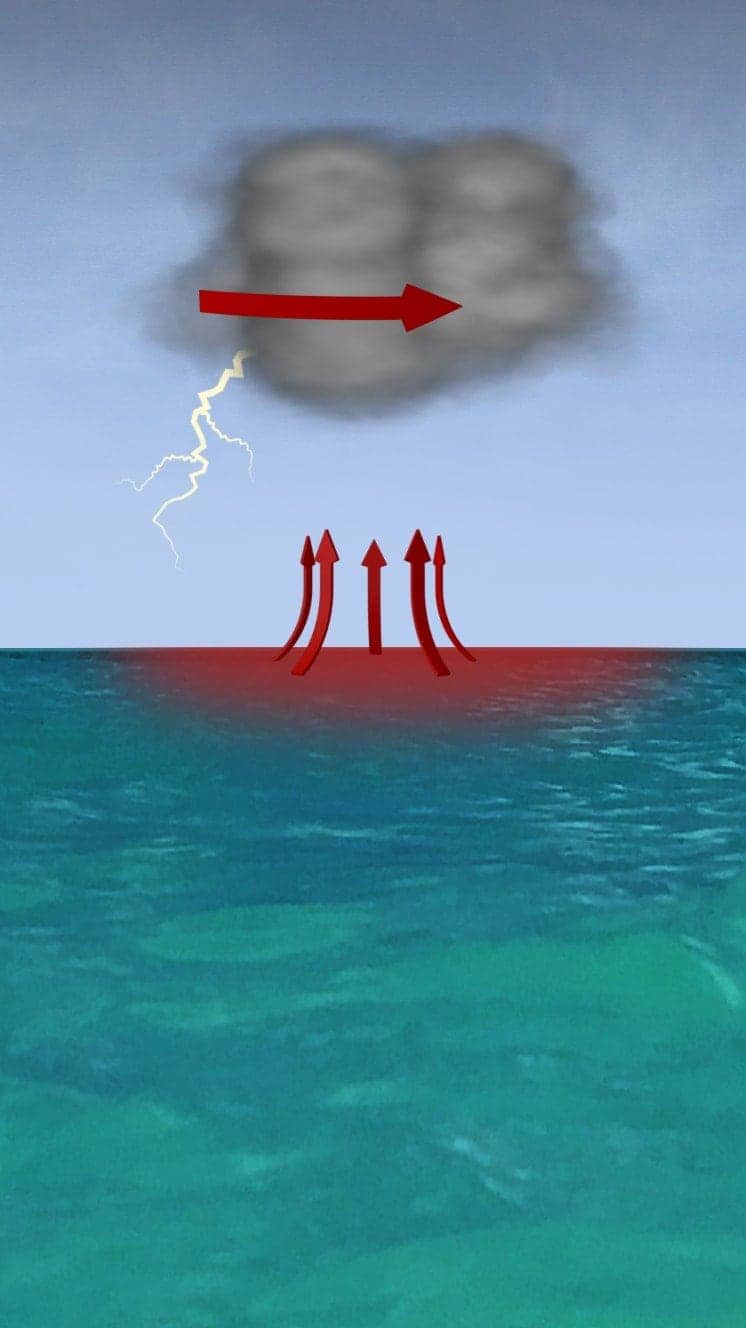
    Hurricanes develop from thunderstorms, fuelled by warm, moist air as they cross sub-tropical waters.
    Warm air rises into the storm.

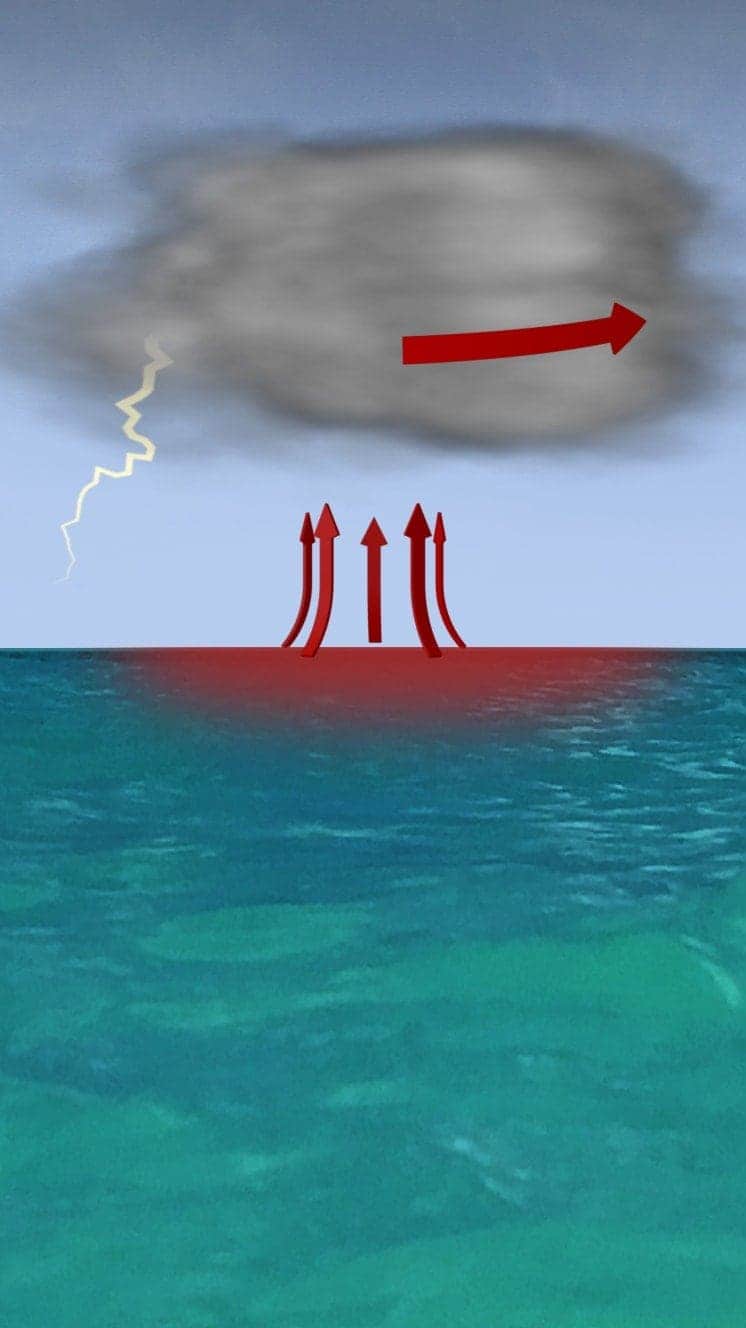
    Air swirls in to fill the low pressure in the storm, sucking air in and upwards, reinforcing the low pressure.

    The storm rotates due to the spin of the earth and energy from the warm ocean increases wind speeds as it builds.

    When winds reach 119km/h (74mph), it is known as a hurricane – in the Atlantic and Eastern Pacific – or a typhoon in the Western Pacific.

    “Everybody has a plan until they get punched in the face. Well, we’re about to get punched in the face.”
    Florida Mayor Bob Buckhorn, ahead of Hurricane Irma (2017)

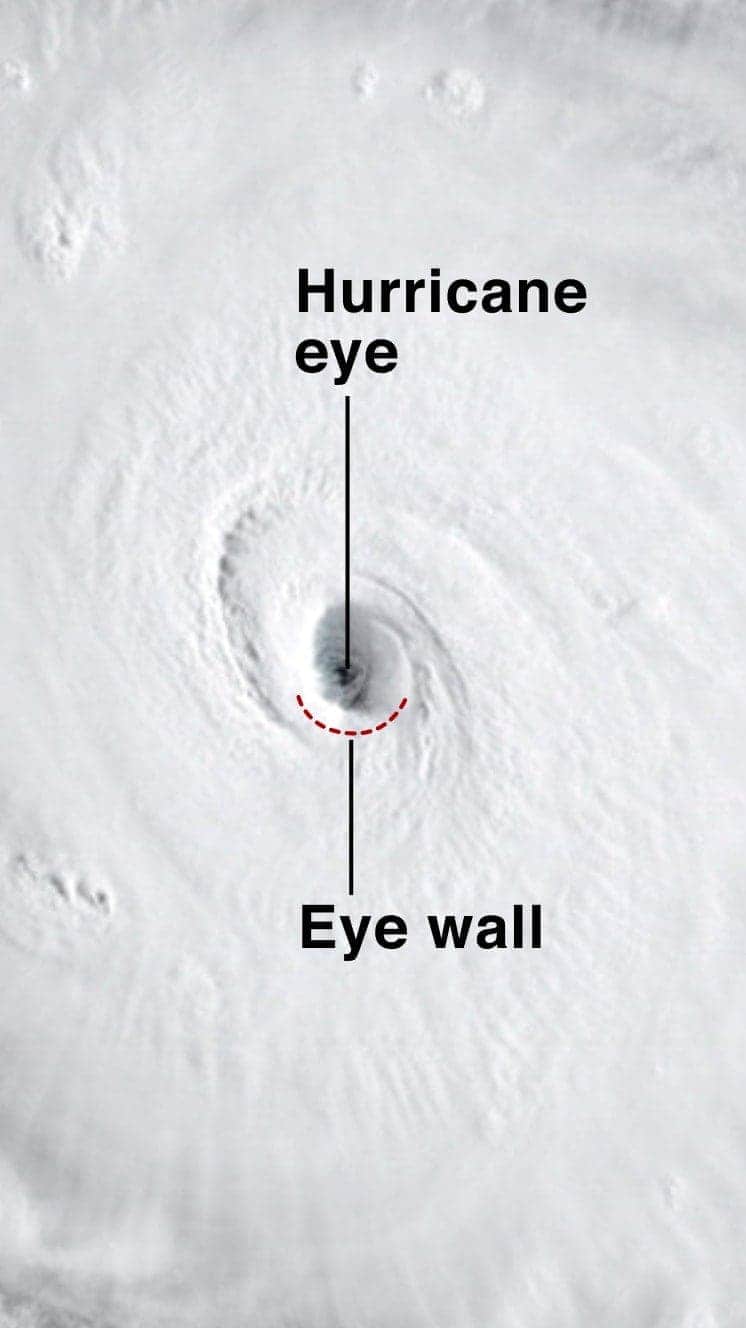
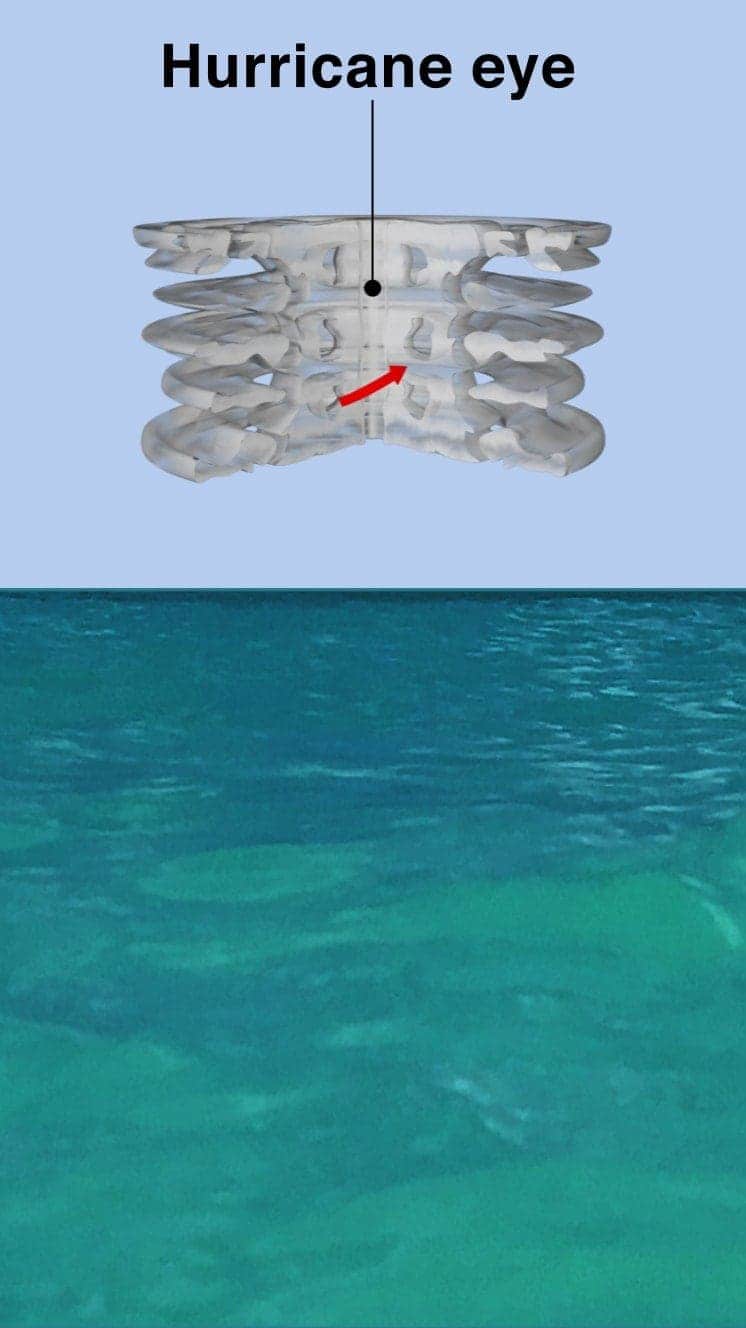
    The central eye of calmer weather is surrounded by a wall of rainstorms.
    This eyewall has the fastest winds below it and violent currents of air rising through it.

    A mound of water piles up below the eye which is unleashed as the storm reaches land.
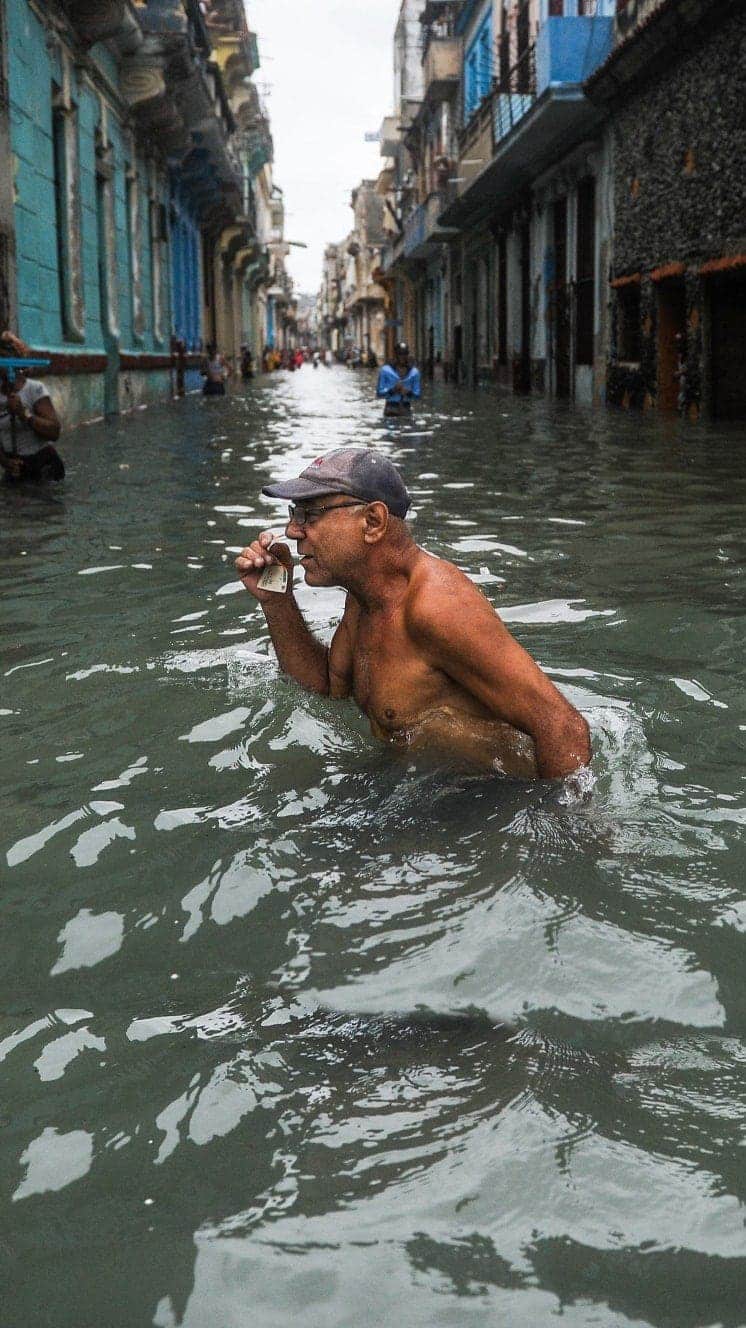
    These storm surges can cause more damage from flooding than the winds.

    “Urgent warning about the rapid rise of water on the SW FL coast with the passage of #Irma’s eye. MOVE AWAY FROM THE WATER!”
    Tweet from the National Hurricane Center

    The size of hurricanes is mainly measured by the Saffir-Simpson scale – other scales are used in Asia Pacific and Australia.

    Winds 119-153km/h
    Some minor flooding, little structural damage.
    Storm surge +1.2m-1.5m

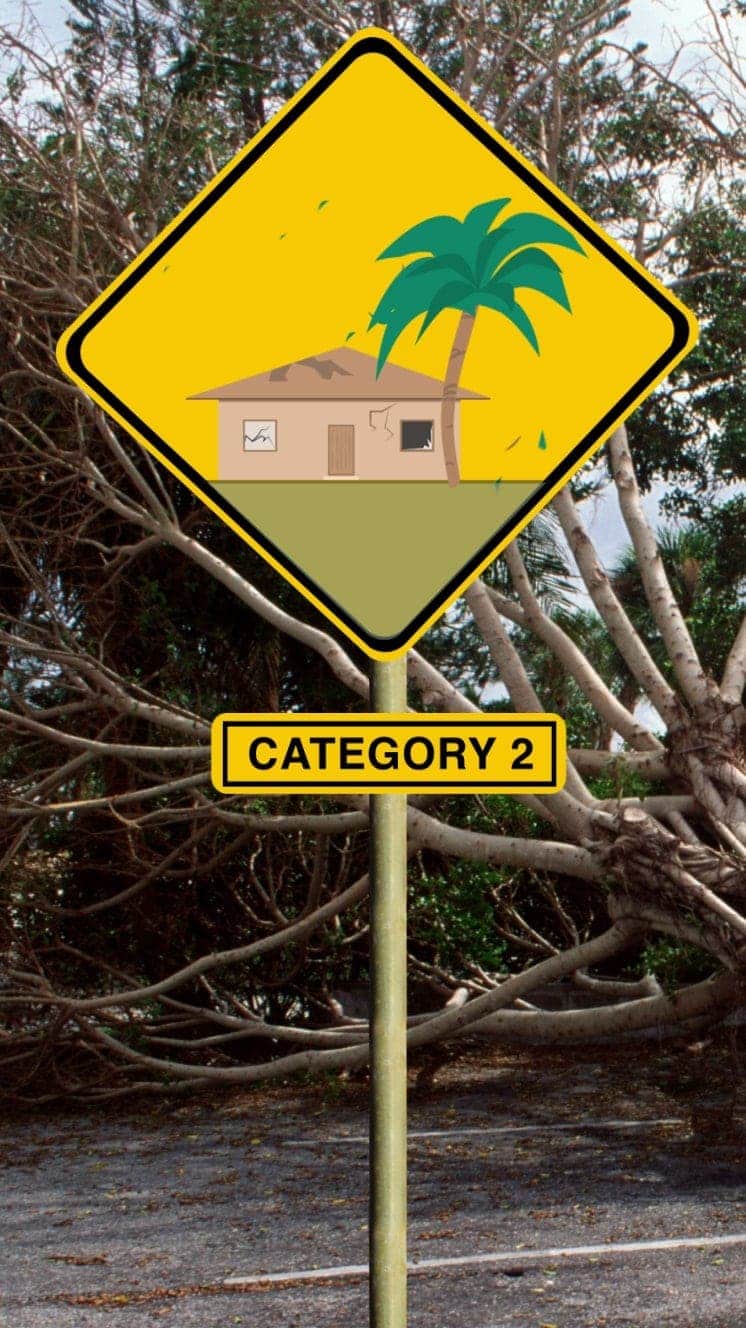
    Winds 154-177km/h
    Roofs and trees could be damaged.
    Storm surge +1.8m-2.4m

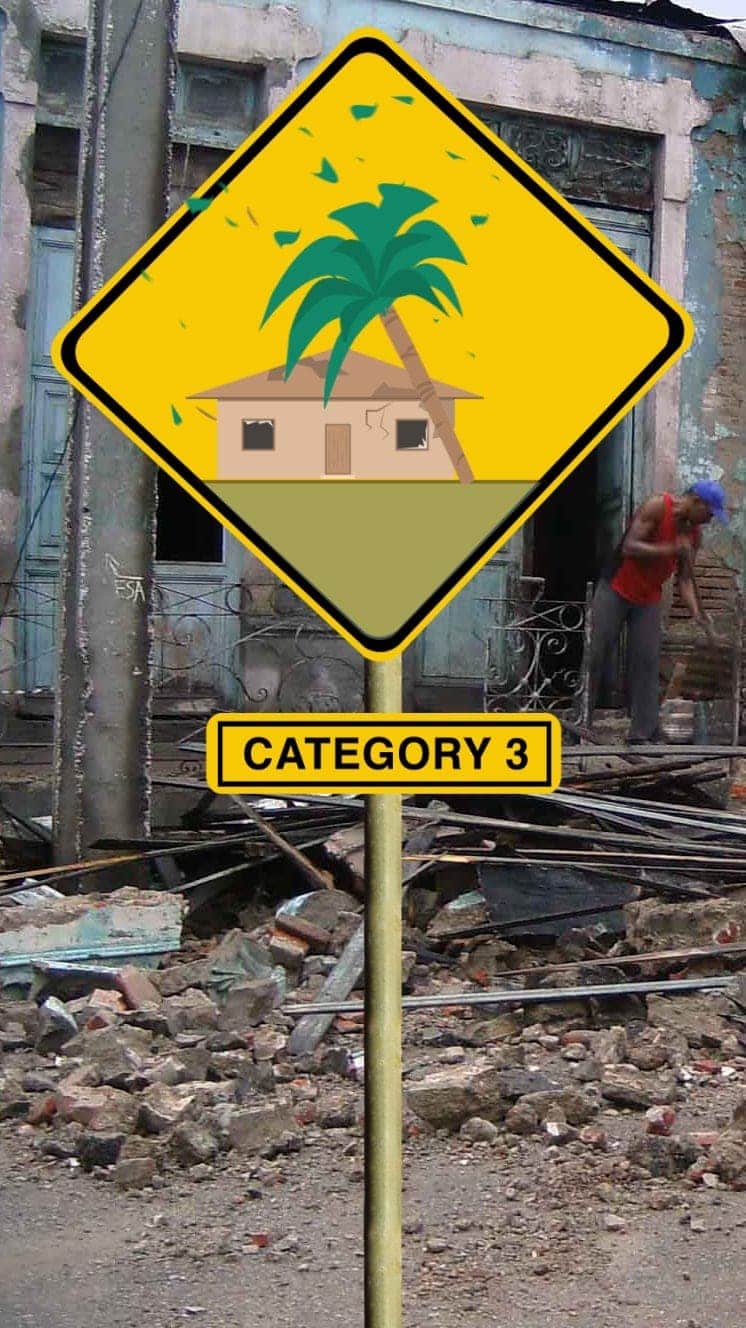
    Winds 178-208km/h
    Houses suffer damage, severe flooding
    Storm surge +2.7m-3.7m

    Hurricane Sandy (2012) caused $71bn damage in the Caribbean and New York

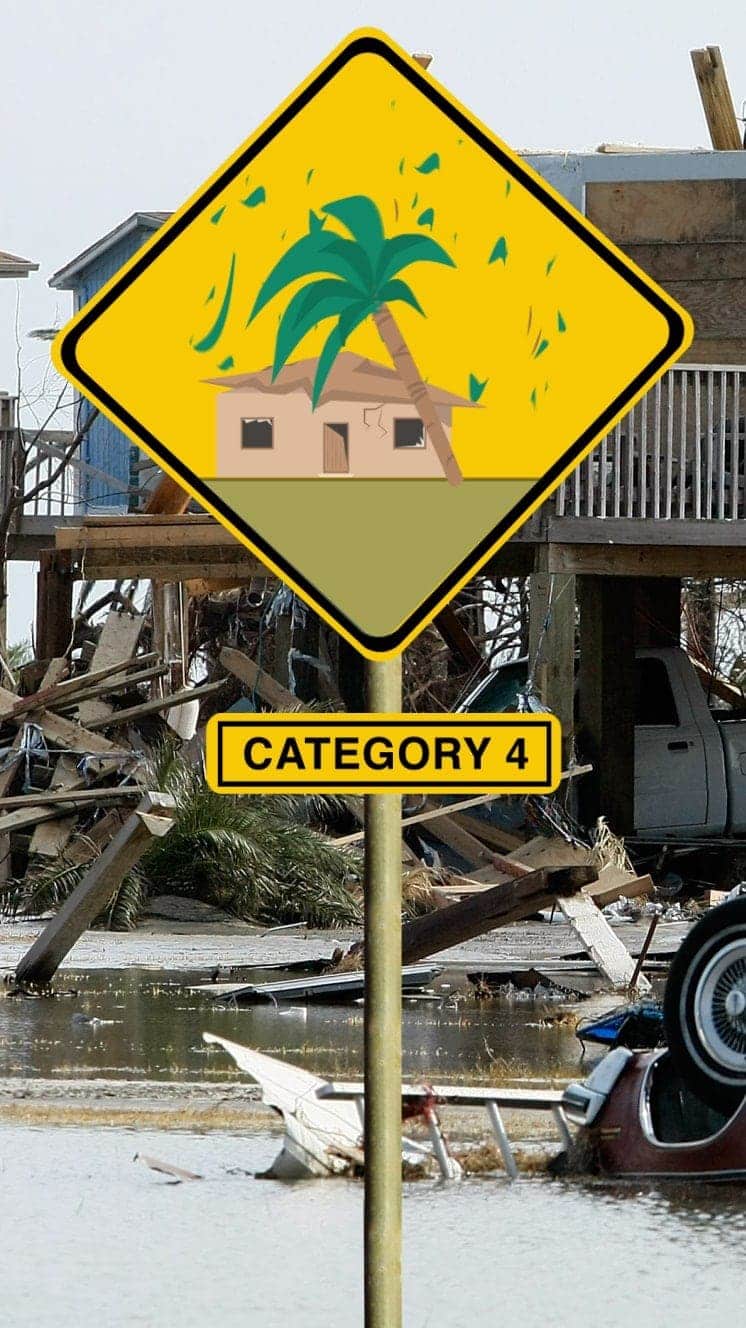
    Winds 209-251km/h
    Some roofs destroyed and major structural damage to houses.
    Storm surge +4m-5.5m

    Hurricane Ike (2008) hit Caribbean islands and Louisiana and was blamed for at least 195 deaths

    Winds 252km/h+
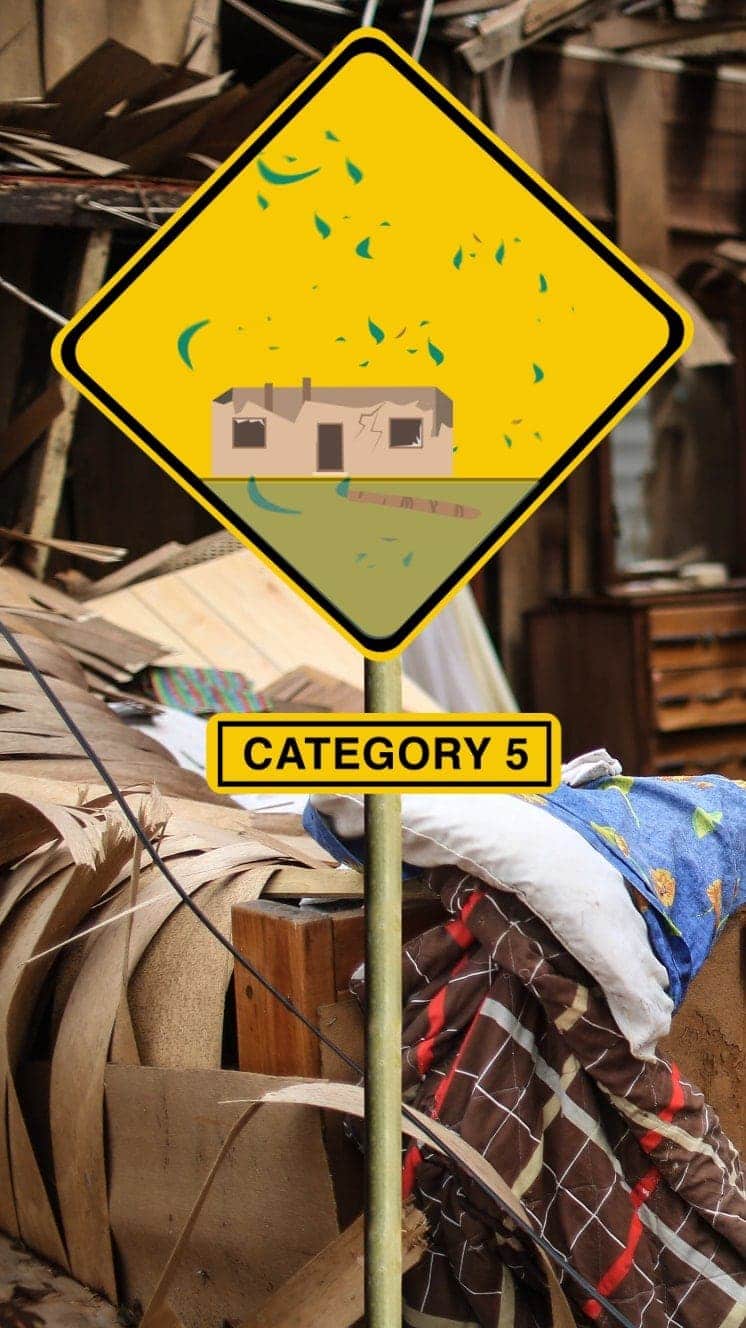
    Serious damage to buildings, severe flooding further inland.
    Storm surge +5.5m

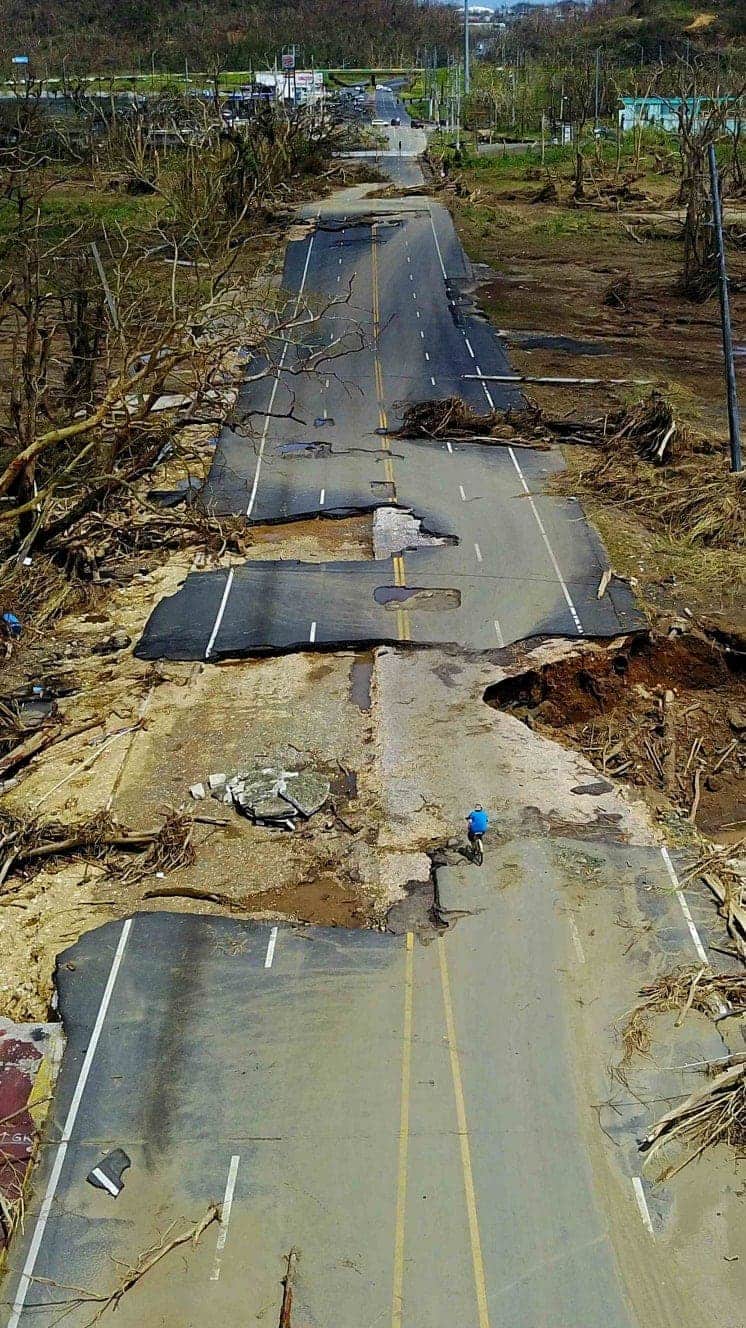
    Hurricane Irma (2017) caused devastation in Caribbean islands, leaving thousands homeless

    “For everyone thinking they can ride this storm out, I have news for you: that will be one of the biggest mistakes you can make in your life.”
    Mayor of New Orleans Ray Nagin ahead of Hurricane Gustav, 2008

    If you can’t see the explainer above, follow this link

    Looming hurricane sparks Trump warning

    Hurricane Irma: Visual guide

    Six graphics that sum up Puerto Rico disaster

  • CBS’s Jeff Fager: 60 Minutes producer out amid #MeToo claims

    Jeff Fager of the TV show 60 Minutes Image copyright Getty Images Image caption CBS said producer Jeff Fager had “violated company policy” – while he claims he was fired for a text he sent

    The long-time producer of the CBS News show 60 minutes, Jeff Fager, is leaving his job “immediately” amid claims that he sexually harassed colleagues.

    In an internal memo, CBS News president David Rhodes said the departure was “not directly related to the allegations surfaced in press reports”.

    He said Mr Fager had “violated company policy”, without elaborating on how.

    Mr Fager himself denies harassment, and told reporters he had been fired over a “harsh” text he sent to a colleague.

    The news comes just three days after top CBS executive Les Moonves resigned with immediate effect after being accused of sexual misconduct, which he denies.

    Image copyright AFP Image caption Les Moonves is one of the most powerful men in US media

    CBS is currently the most-watched network in the US. The programme 60 Minutes, which airs on Sunday evenings, was first broadcast in 1968.

    Earlier this year, CBS fired veteran presenter Charlie Rose, who was accused of sexual harassment by a number of women, including several CBS employees.

  • Neanderthals were capable of making art

    Cave art Image caption In Maltravieso Cave, western Spain, Neanderthals stencilled their hands by blowing red paint over them

    Contrary to the traditional view of them as brutes, it turns out that Neanderthals were artists.

    A study in Science journal suggests they made cave drawings in Spain that pre-date the arrival of modern humans in Europe by 20,000 years.

    They also appear to have used painted sea shells as jewellery.

    Art was previously thought to be a behaviour unique to our species (Homo sapiens) and far beyond our evolutionary cousins.

    The cave paintings include stencilled impressions of Neanderthal hands, geometric patterns and red circles.

    Image copyright CD Standish, AWG. Pike, DL Hoffmann Image caption This ladder-shaped drawing from La Pasiega cave consists of red horizontal and vertical lines and is older than 64,000 years

    Prof Alistair Pike, from the University of Southampton, who is a co-author of the study, said: “Soon after the discovery of the first of their fossils in the 19th Century, Neanderthals were portrayed as brutish and uncultured, incapable of art and symbolic behaviour, and some of these views persist today.

    “The issue of just how human-like Neanderthals behaved is a hotly debated issue. Our findings will make a significant contribution to that debate.”

    Prof Chris Stringer, from London’s Natural History Museum, who was not involved in the study, commented: “Some previous claims for Neanderthal symbolic behaviour had dating uncertainties or lay within inferred overlaps between Neanderthals and Homo sapiens 40-60,000 years ago, meaning that they could still be attributed to modern humans, or to the influence of modern humans on Neanderthal behaviour.”

    He said the new work “seems to remove any doubts” that Neanderthals were capable of symbolic or artistic expression. Prof Stringer explained: “They further narrow any perceived behavioural gap between the Neanderthals and us.”

    But he said it could be argued there were still no clear examples of Neanderthal figurative art – artwork drawn from real sources, such as animals or people.

    Prof Pike told BBC News: “The next big question is: ‘did Neanderthals make figurative art? We’ve got hand stencils, we’ve got lots of red dots and we’ve got these lines. We want to know whether there are paintings of the kind of animals they were hunting.”

    ‘Meaningful’ expression

    In La Pasiega cave, in northern Spain, the researchers dated a ladder-shaped (scalariform) drawing to a minimum age of 64,800 years ago. However, the artwork from this cave has yielded dates of up to 80,000 years ago. There are animals painted within the rungs of the ladder, but the scientists haven’t yet dated these – and they could be younger.

    “Even different groups of modern humans were approaching art in different ways. So it’s really about the meaning of your symbols,” said Prof Pike. “Just because they didn’t paint animals, it doesn’t mean they couldn’t paint animals.”

    The early ages for the cave art are supported by the dating of sea shells that were perforated to be used on necklaces and are stained with pigments.

    Two of the four samples dated to about 115,000 years ago – again, much further back in time than the known presence of modern humans in the region.

    Commenting on the work, Prof Clive Finlayson, from the Gibraltar Museum, told BBC News: “The work is very good; there’s nothing to fault the dates.

    He added: “It suggests they’re much older than anything we know of from Europe or beyond the boundaries of Europe.”

    Image copyright STEWART FINLAYSON Image caption Ancient “hashtag”? This engraving, in Gorham’s Cave, Gibraltar, was reported in 2014. It may have been made by a Neanderthal

    In 2014, Prof Finlayson and colleagues reported the discovery of an engraving in Gorham’s Cave, Gibraltar, that may have been carved by a Neanderthal. But the recent finds add to mounting evidence we have underestimated the intellectual capabilities of our evolutionary cousins.

    But he said: “If we are going to be strict in our interpretations, that Neanderthals made these paintings is really inferred from the dates.” While there is no direct evidence of other human species in Iberia at this time, Prof Finlayson added: “To pin it on Neanderthals is highly likely… but from my knowledge I don’t think any of those three caves have Neanderthal remains.”

    Early symbolic artefacts, dating back 70,000 years, have been found in Africa but are associated with modern humans.

    Prof Pike said of the Spanish finds: “Some of these things are placed in the very darkest bits of caves, where you couldn’t do it by accident. You need a light source, you’ve got to wander through passages and you’ve got to prepare your pigments.”

    On the other hand, he said, “the panel in La Pasiega is on a really nice, smooth bit of wall framed by stalagmitic formations on either side. It looks like something you would stand in front of and look at”.

    He added: “As to the meaning, I don’t think we’ll ever know. But I think we’re pretty happy to say it’s meaningful.”

    Follow Paul on Twitter.

  • Why do people ignore hurricane warnings?

    Video Why do people ignore hurricane warnings?

    (more…)

  • ‘Miracle’ recovery for boy after meat skewer pierces head

    X-ray showing meat skewer piercing through boys head Image copyright CBS Image caption Miraculously, the meat skewer missed major blood vessels and the boy’s brain and eyes.

    A 10-year-old boy in Missouri is recovering after he was attacked by wasps, fell from a tree house and impaled in the face by a meat skewer.

    The metal skewer that went through Xavier Cunningham’s head “miraculously” missed his eyes, brain, spinal cord and major blood vessels.

    He fell 4ft (1.2m) down from a tree house when the freak accident occurred on Saturday. He was taken to hospital.

    Kansas University Hospital told local media he is expected to recover fully.

    A team of Kansas University doctors successfully removed the square rod – which made for a trickier surgery than a rounded skewer due to the sharp edges – over several hours.

    Image copyright CBS Image caption The tree house from which 10-year-old Xavier fell

    He fell four feet from the tree house and landed directly on a foot-long (30cm) metal meat skewer. The skewer penetrated around six inches into the boys skull.

    Xavier’s mother Gabrielle Miller told Kansas City Star that she saw her son walk into the house, screaming, with the rod “just sticking out” of his head.

    “I’m dying Mom, I can feel it,” Mrs Miller recalled him telling her on the way to hospital.

    Xavier was taken to local hospital, transferred to hospital in Kansas City and again transferred to the University of Kansas hospital where he would eventually undergo surgery.

    His injury had no active bleeding and had avoided his eyes, brainstem, spinal cord and blood vessels, which enabled doctors to call in expert surgeons before attempting the removal surgery on Sunday morning.

    Image copyright CBS Image caption Xavier is recovering in hospital after being impaled by a meat skewer
    Koji Ebersole, director of endovascular neurosurgery at the University of Kansas Health System, told the Star: “You couldn’t draw it up any better. It was one in a million for it to pass 5 or 6 inches through the front of the face to the back and not have hit these things.”

    He said the biggest concern while removing the rod was the blood vessels in the boy’s neck.

    Dr Ebersole called the boy’s recovery “miraculous”.

    “I have not seen anything passed to that depth in a situation that was survivable, let alone one where we think the recovery will be near complete if not complete,” he told the Star.

  • Cave paintings change ideas about the origin of art

    Image copyright Maxime Aubert

    The artworks are in a rural area on the Indonesian Island of Sulawesi.

    Until now, paintings this old had been confirmed in caves only in Western Europe.

    Researchers tell the journal Nature that the Indonesian discovery transforms ideas about how humans first developed the ability to produce art.

    Image copyright Maxime Aubert

    Australian and Indonesian scientists have dated layers of stalactite-like growths that have formed over coloured outlines of human hands.

    Image copyright Maxime Aubert Image caption This painting, from Bone, is of a variety a wild endemic dwarfed bovid found only in Sulawesi, which the inhabitants probably hunted
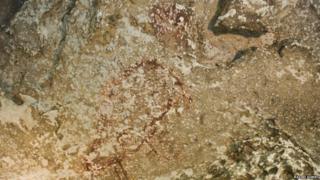
    There are also human figures, and pictures of wild hoofed animals that are found only on the island. Dr Maxime Aubert, of Griffith University in Queensland, Australia, who dated the paintings found in Maros in Southern Sulawesi, explained that one of them (shown immediately below) was probably the earliest of its type.

    Image copyright Maxime Aubert Image caption At the top of the worn painting is a faint outline of a human hand. Below it is possibly the earliest depiction of an animal

    “The minimum age for (the outline of the hand) is 39,900 years old, which makes it the oldest hand stencil in the world,” said Dr Aubert.

    This find enables us to get away from this Euro-centric view of a creative explosion that was special to EuropeProf Chris Stringer, Natural History Museum

    “Next to it is a pig that has a minimum age of 35,400 years old, and this is one of the oldest figurative depictions in the world, if not the oldest one,” he told BBC News.

    There are also paintings in the caves that are around 27,000 years old, which means that the inhabitants were painting for at least 13,000 years.

    In addition, there are paintings in a cave in the regency of Bone, 100 km north of Maros. These cannot be dated because the stalactite-like growths used to determine the age of the art do not occur. But the researchers believe that they are probably the same age as the paintings in Maros because they are stylistically identical.

    The discovery of the Indonesian cave art is important because it shows the beginnings of human intelligence as we understand it today.

    1. Click on links that appear in the video below to explore the story in more depth with Pallab on location in caves in Britain.

    2. Return to the main video by clicking on the box/image, bottom right.

  • ‘Oldest known drawing’ found on tiny rock in South Africa

    The oldest-known drawing, painted in ochre pigment on a small stone Image copyright Reuters Image caption The drawing dates back 73,000 years
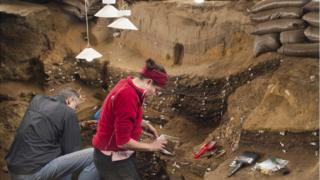
    Scientists say they have discovered humanity’s oldest known drawing on a small fragment of rock in South Africa.

    The drawing is about 73,000 years old, and shows cross-hatch lines sketched onto stone with red ochre pigment.

    Scientists discovered the small fragment of the drawing – which some say looks a bit like a hashtag – in Blombos Cave on the southern coast.

    The find is “a prime indicator of modern cognition” in our species, the report says.

    While scientists have found older engravings around the world, research published on Wednesday in the journal Nature says the lines on this stone mark the first abstract drawing.

    Image copyright Reuters Image caption Scientists found the stone fragment in Blombos Cave, 300 kilometres (185 miles) east of Cape Town

    Humanity has used ochre, a clay earth pigment, for at least 285,000 years.

    The drawing was “probably more complex” in its entirety, archaeologist Christopher Henshilwood told Reuters.

    “The abrupt termination of all lines on the fragment edges indicates that the pattern originally extended over a larger surface,” he said.

    You may also like:

    Ancient ‘paint factory’ unearthed Neanderthals were capable of making art Traces found of ‘world’s oldest cheese’ Egyptian mummification ‘recipe’ revealed

    Mr Henshilwood works at Norway’s University of Bergen and South Africa’s University of the Witwatersrand and led the research into the drawing.

    He told Reuters that while the team would be “hesitant to call it art”, it almost definitely had “some meaning to the maker”.

    There have been numerous other artefacts found in Blombos Cave, 300 kilometres (185 miles) east of Cape Town, including beads covered in red ochre, engraved ochre fragments, and a paint-making kit dating back around 100,000 years.

    Modern man, known as homo sapiens, is first known to have appeared more than 315,000 years ago in what is now Africa.