Tag: Politics

  • Seoul: North Korea estimated to have 20-60 nuclear weapons

    A top South Korean official told lawmakers that North Korea is estimated to have up to 60 nuclear weapons, in Seoul’s first public comment about the size of the North’s secrecy-clouded weapons arsenal

    SEOUL, South Korea (AP) — A top South Korean official told lawmakers that North Korea is estimated to have up to 60 nuclear weapons, in Seoul’s first public comment about the size of the North’s secrecy-clouded weapons arsenal.

    Unification Minister Cho Myoung-gyon told parliament Monday the estimates on the size of North Korea’s nuclear arsenal range from 20 bombs to as many as 60. He was responding to a question by a lawmaker, saying the information came from the intelligence authorities. The National Intelligence Service, South Korea’s main spy agency, couldn’t immediately comment.

    Cho may have unintentionally revealed the information. His ministry said Tuesday Cho’s comments didn’t mean that South Korea would accept North Korea as a nuclear state, suggesting Seoul’s diplomatic efforts to rid the North of its nuclear program would continue.

    The South Korean assessment on the North’s arsenal is not much different from various outside civilian estimates largely based on the amount of nuclear materials that North is believed to have produced.

    According to South Korean government reports, North is believed to have produced 50 kilograms (110 pounds) of weaponized plutonium, enough for at least eight bombs. Stanford University scholars, including nuclear physicist Siegfried Hecker who visited North Korea’s centrifuge facility at Nyongbyon in 2010, wrote earlier this year that North Korea is estimated to have a highly enriched uranium inventory of 250 to 500 kilograms (550 to 1,100 pounds), sufficient for 25 to 30 nuclear devices.

    Many foreign experts say North Korea are likely running additional secret uranium-enrichment plants.

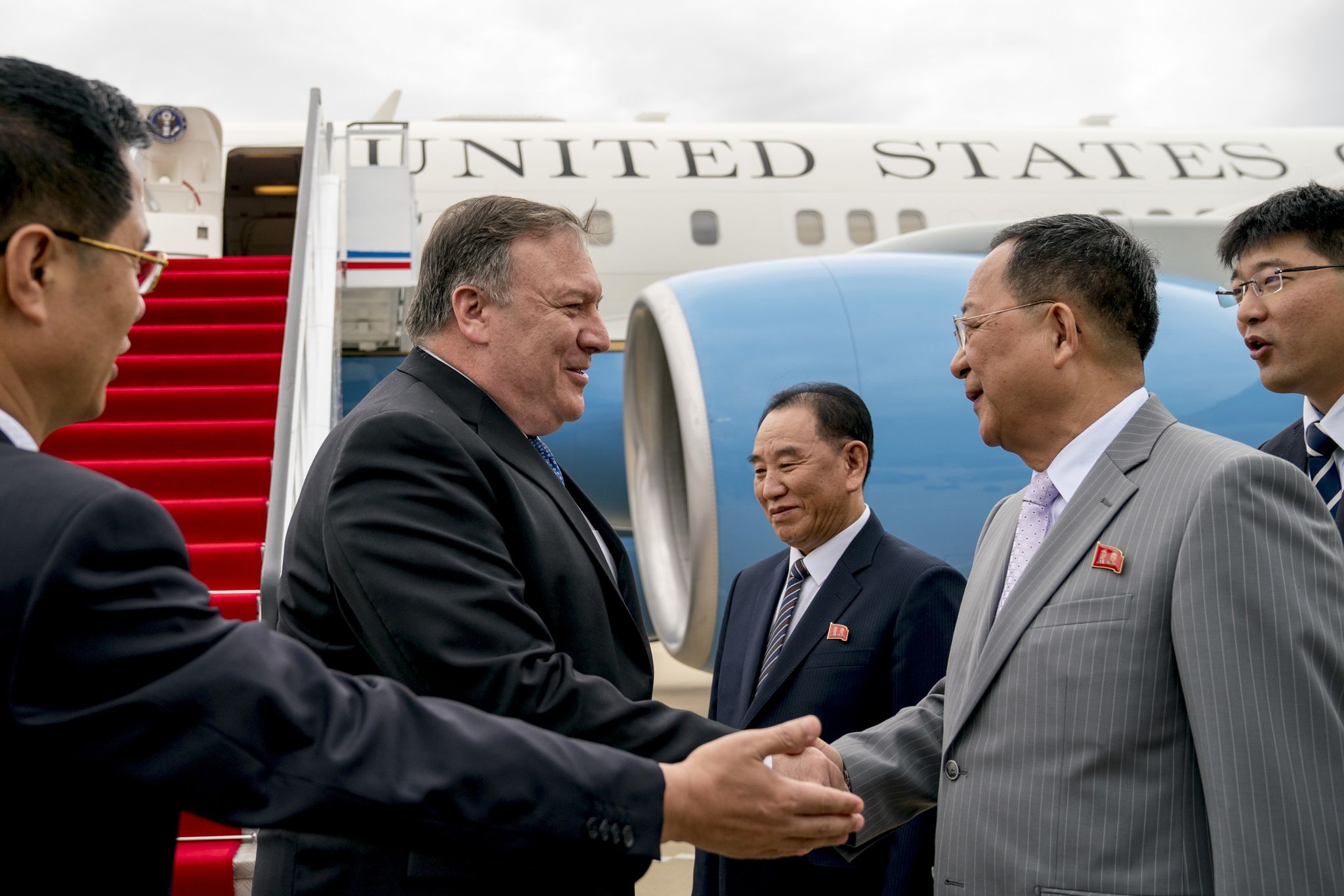
    The North entered talks with the United States and South Korea earlier this year, saying it’s willing to negotiate away its advancing nuclear arsenal. Nuclear diplomacy later stalled due to suspicions over how sincere North Korea is about its disarmament pledge, but U.S. Secretary of State Mike Pompeo is to visit Pyongyang this month to set up a second summit between President Donald Trump and North Korean leader Kim Jong Un.

  • U.S., NATO consider preemptive action against Russian cruise missile program

    The United States and its NATO allies are threatening preemptive action against Russia’s ongoing effort to build a new cruise missile, an effort Washington and its Western European partners say is in

    The United States and its NATO allies are threatening preemptive action against Russia’s ongoing effort to build a new cruise missile, an effort Washington and its Western European partners say is in violation of standing treaties between Moscow and the alliance.

    Alliance officials say the nuclear-powered cruise missile under development would allow Moscow to launch a ballistic weapon on targets inside Western Europe at a moment’s notice. Building and fielding such a weapon is in clear violation of several Cold War-era treaties agreed to by Russia and the West, officials contend

    Russian diplomats and top military brass have repeatedly refuted such claims. But U.S. Ambassador to NATO Kay Bailey Hutchinson said Tuesday that if Moscow continues down the path toward the new cruise missile, alliance members will have no other option than to respond with military force.

    “At that point, we would be looking at the capability to take out a [Russian] missile that could hit any of our countries,” she said during a press conference at NATO headquarters in Brussels.

    “Counter measures (by the United States) would be to take out the missiles that are in development by Russia in violation of the treaty,” she said, adding Russian officials “are on notice”

    The new, nuclear-powered cruise missile was one of several advanced weapons Russian President Vladimir Putin unveiled during a March press conference, designed to showcase the former Soviet Union’s military prowess

    “I want to tell all those who have fueled the arms race over the last 15 years, sought to win unilateral advantages over Russia, introduced unlawful sanctions aimed to contain our country’s development: All what you wanted to impede with your policies have already happened,” the Russian leader said at the time.

    “You have failed to contain Russia,” he added.

    In May, Moscow claimed to have developed the first combat-ready hypersonic missile. The weapon’s speed and versatility has positioned hypersonic weapons technology viable alternative to nuclear weapons — which is the only other weapon in the American arsenal that can travel as far as fast as a hypersonic weapon.

    Russian military officials announced the first deployment of the Kinzhal or “Dagger” hypersonic missile aboard 10 MiG-31 fighter jets on “test combat duty,” Russian Deputy Defense Minister Yuri Borisov said that month.

    “It is a cutting-edge weapon, namely a hypersonic long-range missile capable of overcoming air and missile defenses. It is invincible, having serious combat might and potential,” Mr. Borisov said, confirming the weapon’s deployment.

  • North Korean media silent on Mike Pompeo meeting in New York

    Domestic political pressure on Kim Jong-un to move slowly in denuclearization talks with the U.S. is so intense that North Korean state media is avoiding any mention of the high-level meeting the nati

    Domestic political pressure on Kim Jong-un to move slowly in denuclearization talks with the U.S. is so intense that North Korean state media is avoiding any mention of the high-level meeting the nation’s foreign minister had with Secretary of State Mike Pompeo last week in New York.

    Rodong Sinmun, the official newspaper of Mr. Kim’s ruling Workers’ Party, ran a report Tuesday featuring a long list of meetings Foreign Minister Ri Yong-ho had with others on the sidelines of the U.N. General Assembly — including with Chinese, Russian, Swiss, Kazakh, Venezuelan and other officials.

    But, according to South Korea’s Yonhap News Agency, the Rodong report neglected to point out Mr. Ri’s direct talks with Mr. Pompeo on Sept. 26, after which the secretary of state revealed that he had accepted an invitation to personally visit to Pyongyang in the weeks ahead to plan for a second summit between President Trump and Mr. Kim.

    The North Korean state newspaper also avoided any mention of talks that Mr. Ri had in New York with Taro Kono, the foreign minister of Japan, a close ally in the Trump administration’s ongoing push to get the Kim regime to abandon its nuclear weapons.

    Analysts say the denuclearization issue is sensitive for the regime because Mr. Kim’s father and grandfather spent decades staking their own legacies on developing the North Korean nuclear program.

    That Mr. Kim might now destroy the program — even if he did so in exchange for sanctions relief — is apparently deemed so risky by the 35-year-old dictator’s advisers that they’re downplaying progress the ongoing denuclearization talks.

    After stalling during the late summer, the talks have appeared to gain fresh momentum in recent weeks, following a three-day, mid-September summit in Pyongyang between Mr. Kim and South Korean President Moon Jae-in.

    Mr. Pompeo wrote on Twitter last week that he’d had a “very positive” subsequent meeting with Mr. Ri in New York.

  • U.S. slaps sanctions on Venezuelan President Nicolas Maduro’s wife for corruption

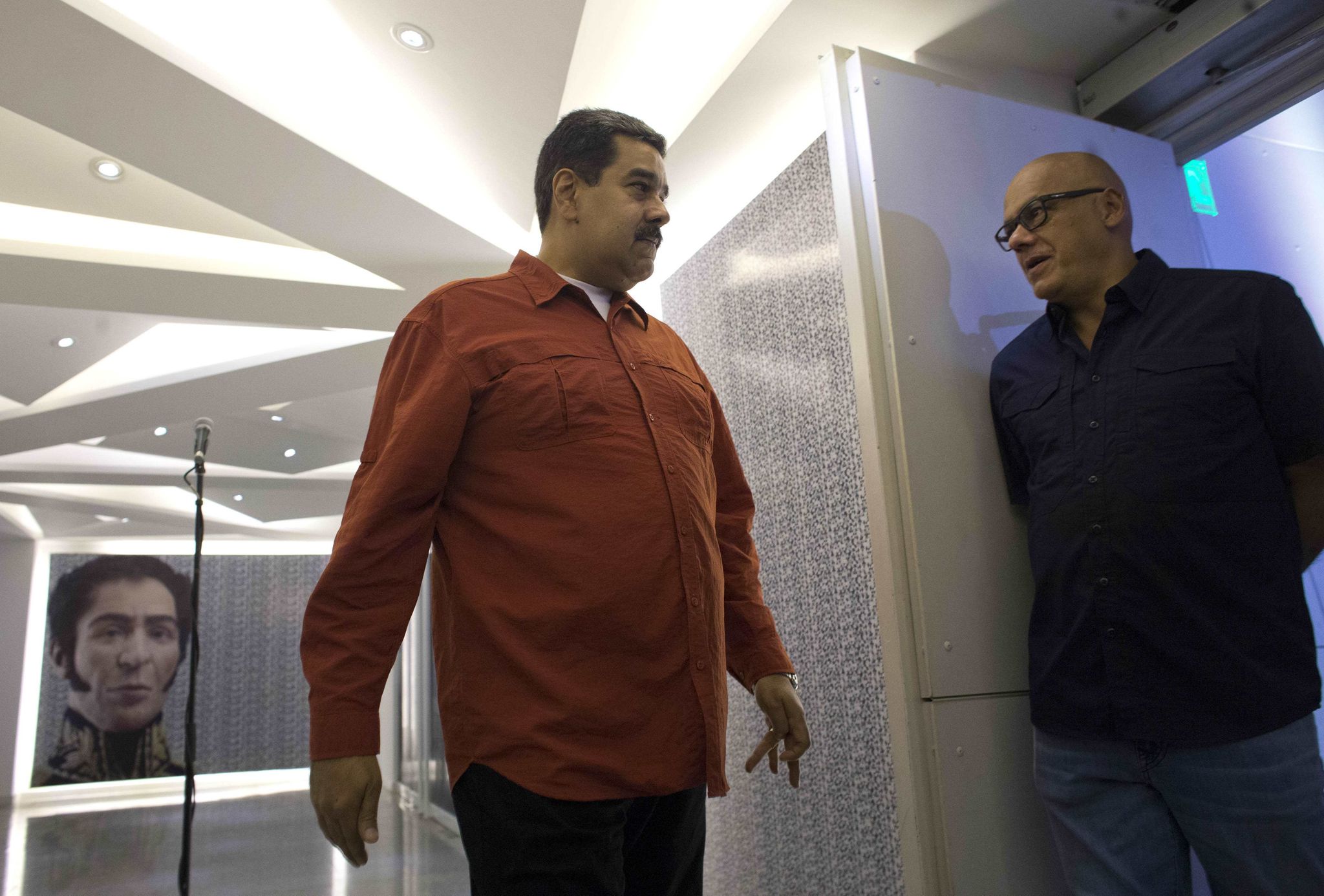
    The Trump administration on Tuesday announced new sanctions on Venezuelan President Nicolas Maduro’s wife and other Venezuelans from his inner circle in Washington’s latest move to further punish his regime for corruption and anti-democratic practices.

    Cilia Adela Flores de Maduro is the first lady, a former attorney general and head of the National Assembly. The U.S. Department of the Treasury’s Office of Foreign Assets Control (OFAC), which announced the designation, also named Delcy Eloina Rodriguez Gomez, Jorge Jesus Rodriguez Gomez, Vladimir Padrino Lopez.

    “President Maduro relies on his inner circle to maintain his grip on power, as his regime systematically plunders what remains of Venezuela’s wealth,” Secretary of the Treasury Steven Mnuchin said in a statement. “We are continuing to designate loyalists who enable Maduro to solidify his hold on the military and the government while the Venezuelan people suffer.”

    Mr. Mnuchin added: “Treasury will continue to impose a financial toll on those responsible for Venezuela’s tragic decline, and the networks and front-men they use to mask their illicit wealth.”

    The Trump administration has increased pressure on Mr. Maduro as the South American country continues to spiral into a historic political and economic crisis that has many Venezuelans struggling to afford scarce food and medicine. Masses are fleeing into neighboring countries, threatening to destabilize the region.

    Widely unpopular, Mr. Maduro has nevertheless clung to power through what Washington diplomats insist was a rigged recent election, in addition to massive corruption.

    “Today’s action shows that the United States will continue to take concrete and forceful action against those who are involved in the destruction of democracy in Venezuela as well as those who are enriching themselves at the expense of the Venezuelan people,” the State Department added in a statement.

    Later on Tuesday, President Trump is scheduled to meet with Colombian President Ivan Duque Marquez at the United Nations General Assembly. The two leaders are expected to discuss Venezuela’s refugee crisis which has exploded during Mr. Maduro’s reign.

  • WHO: Ebola metrics improving, but ‘perfect storm’ threatens DRC response

    The World Health Organization warned Tuesday that armed conflict, public distrust of global aid workers and political maneuvering may combine into a “perfect storm” that undermines the massive respons

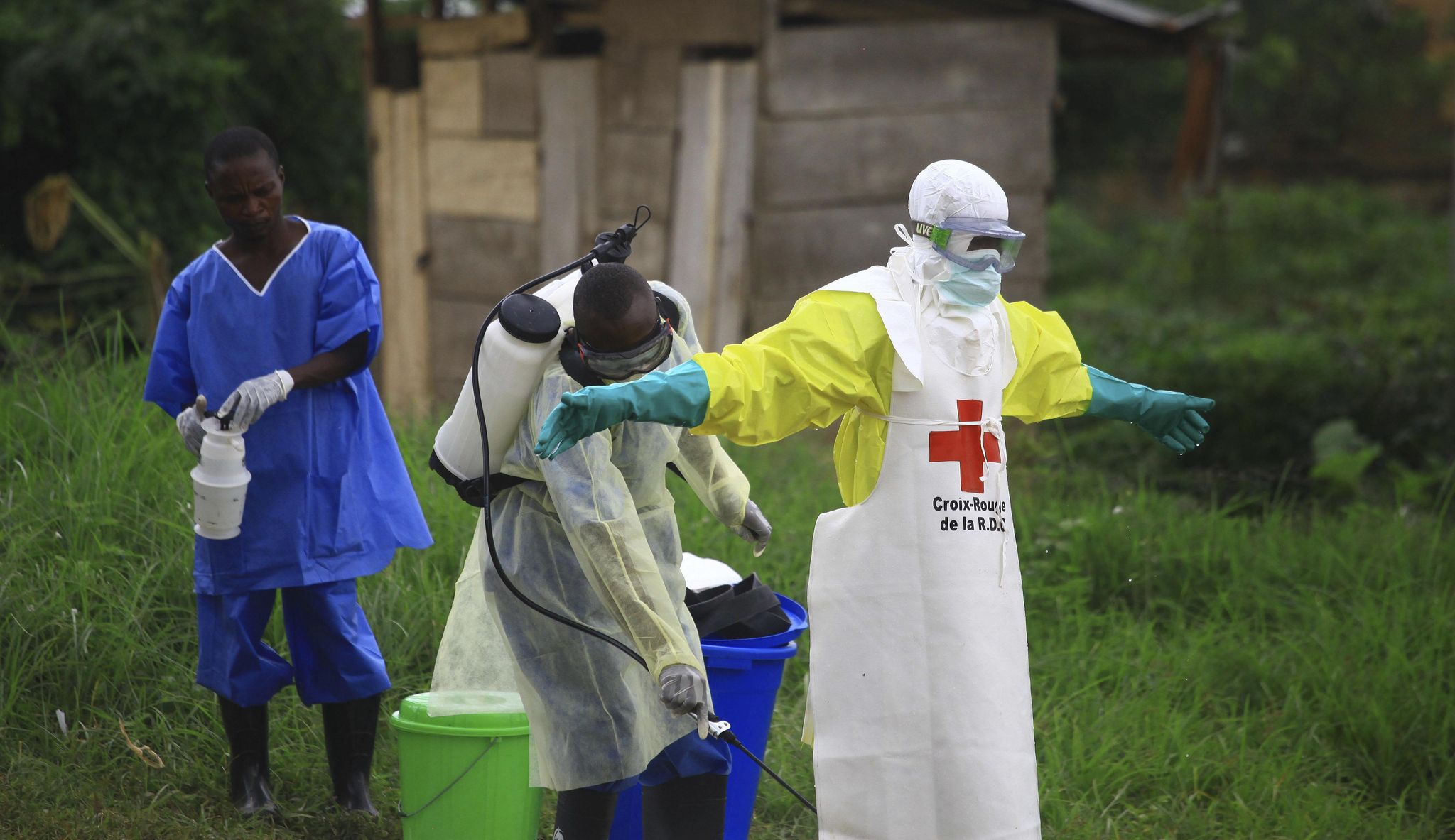
    The World Health Organization (WHO) warned Tuesday that armed conflict, public distrust of global aid workers and political maneuvering may combine into a “perfect storm” that undermines the massive response to Ebola virus in the Democratic Republic of Congo (DRC).

    WHO’s emergencies director, Peter Salama, said the response is showing progress overall, with 10 cases per week in the affected region compared to 40 per week at the start of the outbreak in August.

    However, a rebel attack on the WHO’s base town of Beni suspended critical response operations through Friday.

    “That means this entire week we may have cases that become more symptomatic and become more infectious that we’re unable to respond to,” Dr. Salama said, noting they were unable to reach three suspected cases around Beni on Monday.

    Typically, they can reach a potentially infected patient within 24 hours.

    So far, the outbreak in North Kivu province has been linked to 150 cases and 100 deaths.

    The outbreak is unfolding in a region marked by armed conflict between insurgent groups and the government.

    Dr. Salama said politicians eyeing an upcoming DRC election are making things worse, as opposition parties accuse the army and central government of failing to repel the attacks.

    By extension, locals begin to look askance at the governmental Ebola response, and allies like WHO feel that skepticism, too.

    Any response to Ebola is marked by suspicion vaccines and outsiders, and those fears have been exacerbated at times by social media posts, Dr. Salama said.

    Meanwhile, the rebel attack on Beni killed 14 civilians over the weekend, forcing multiple groups to suspend operations during a week of mourning and protest.

    “As the days go on, if we do see unsafe burials that we can’t be responded to if we do see symptomatic people that can’t be accessed, we can see this situation deteriorating very quickly, which is why there is the real potentiation for a perfect storm in the coming days and weeks,” Dr. Salama said.

  • Suspension of U.S. military drills with South Korea hurt readiness, says top general

    The Trump White House’s decision to suspend several, large-scale military exercises with South Korea earlier this year harmed U.S. readiness to respond to potential conflicts on the peninsula.

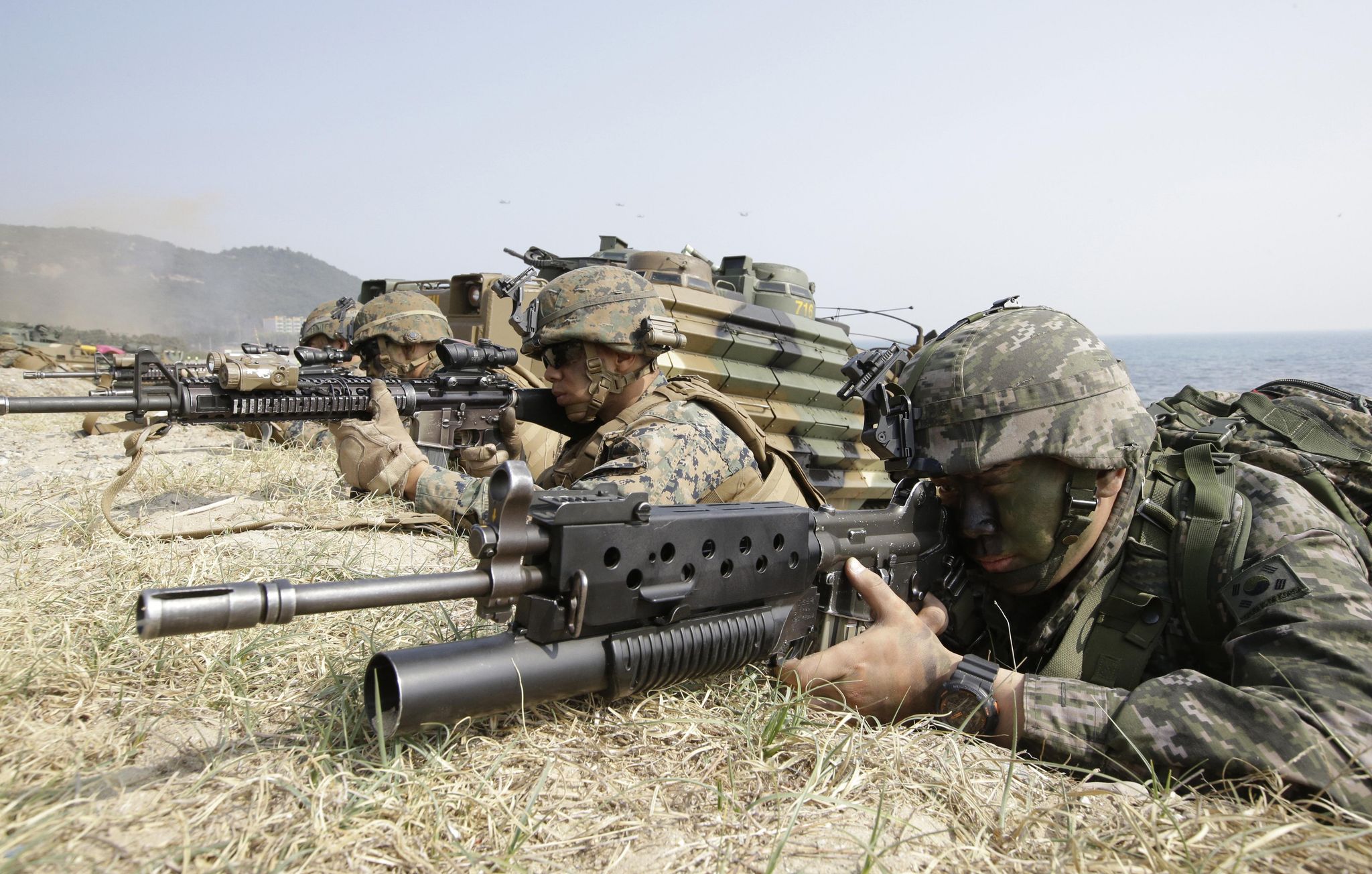
    The Trump White House’s decision to suspend several, large-scale military exercises with South Korea earlier this year harmed U.S. readiness to respond to potential conflicts on the peninsula.

    Army Gen. Robert Abrams, the administration’s pick to become the new top U.S. commander in South Korea, told lawmakers Tuesday the decision had degraded the ability for American forces to coordinate with their counterparts in Seoul, should hostilities break out between North Korea and the South.

    Gen. Abrams, who is slated to replace current U.S. Forces-Korea Commander Gen. Vincent Brooks, made his comments on the effect of the suspended military drills during his confirmation hearing before the Senate Armed Services Committee, the Associated Press reports.

    U.S. military leaders on the peninsula are in the midst of setting up several, smaller bilateral drills with South Korean forces, in an attempt to rebuild the lost readiness capabilities due to the suspended exercises, he told panel members alongside Navy Vice Adm. Craig Faller. Adm. Faller has been nominated to take over U.S. Southern Command.

    Planning for next year’s iteration of the South Korean drills suspended this year is also ongoing, Gen. Abrams said, noting that no decision has been made by the White House or the Defense Department on whether those exercises would go forward.

    Commanders are planning a number of smaller staff exercises to rebuild the ability of U.S. and allied forces to work together. He says planning is ongoing for large exercises next year, but alliance leaders will decide if they are canceled or not.

    The move to indefinitely suspend large-scale war games between the U.S. and Seoul was ordered by the Trump White House shortly after the landmark deunclearization summit with the North in June. The decision was intended as an olive branch to Pyongyang, in an attempt to coerce the North Korean regime to embrace efforts to eliminate their nuclear capabilities.

    But the State Department and Pentagon had been seemingly caught unaware of Mr. Trump’s cancellation of U.S. military drills on the peninsula, until the White House’s announcement. It came just as U.S. defense officials were in the midst of planning for one of those major exercise, dubbed Ulchi Freedom Guardian, which had been slated to begin in July.

    Mr. Trump characterized the drills as “provocative” and a costly byproduct of the Cold War-era strategy being imparted by U.S. military leaders on the peninsula. Mr. Kim and others in the North Korean regime have repeatedly cited the provocative nature of the exercises, in its criticism of U.S. military operations in the region.

  • Donald Trump laughed at by world leaders as he boasted of his accomplishments

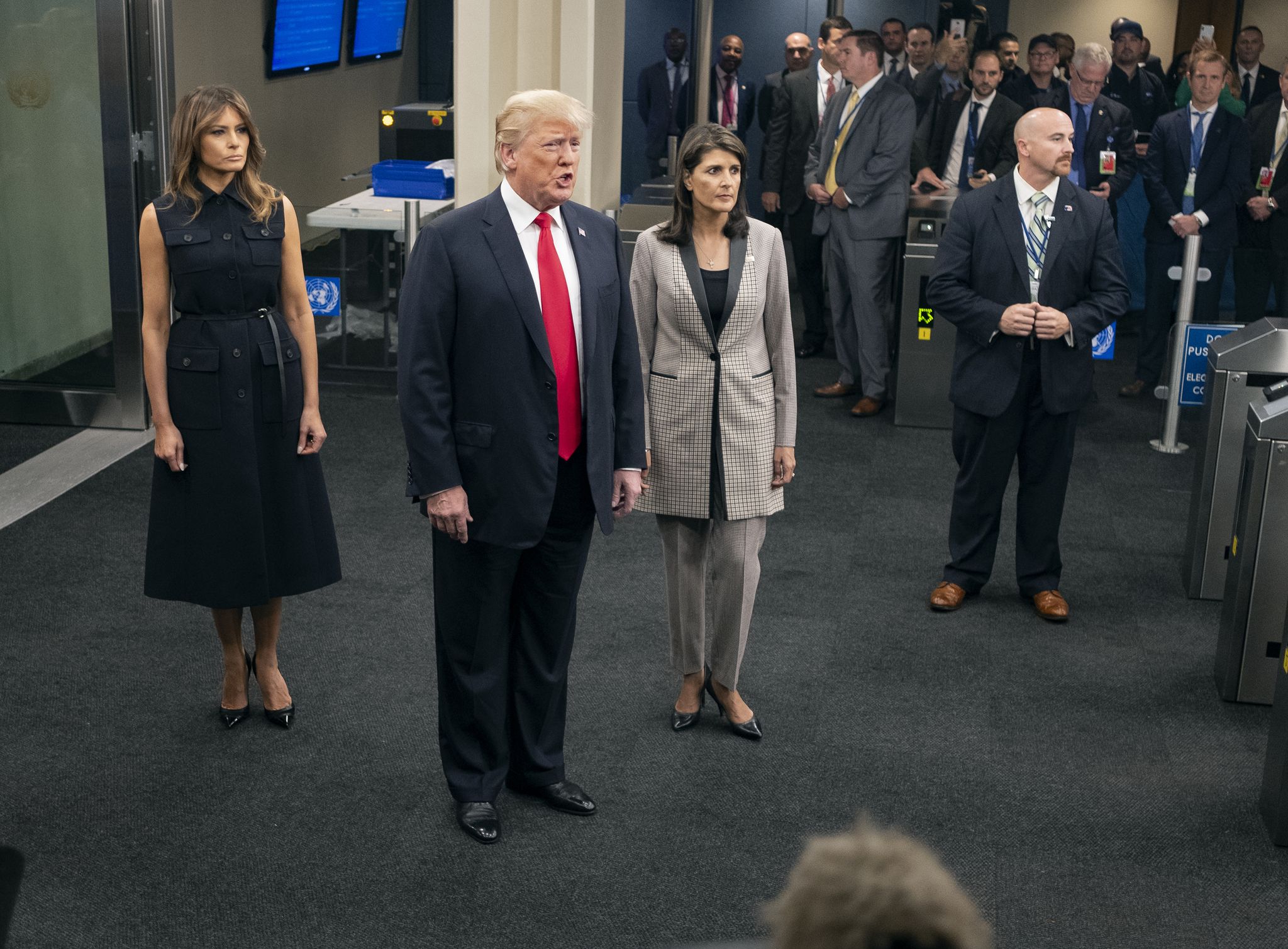
    President Donald Trump is highlighting U.S. gains under his watch as he opens his address to the U.N. General Assembly — and is getting a laugh.

    President Donald Trump is highlighting U.S. gains under his watch as he opens his address to the U.N. General Assembly — and is getting a laugh.

    Trump told leaders from around the world Tuesday the American economy is “booming like never before” and his administration has accomplished more in less than two years than almost any other administration. His boast elicited laughter from the scores of heads of state and delegates in the audience for the speech.

    Trump responded by saying, “I didn’t expect that reaction, but that’s OK.”

    Trump says the U.S. is a “stronger, safer and richer country” than when he took office in January 2017. He says “we are standing up for America and for the American people, and we are also standing up for the world.”

  • Moscow floods advanced anti-aircraft systems into Syria, days after shoot down of Russian aircraft

    Russian defense officials have ordered emergency deployments of its advanced S-300 anti-aircraft systems into Syria, days after Moscow claimed Israeli forces prompted the shoot down of one of its surv

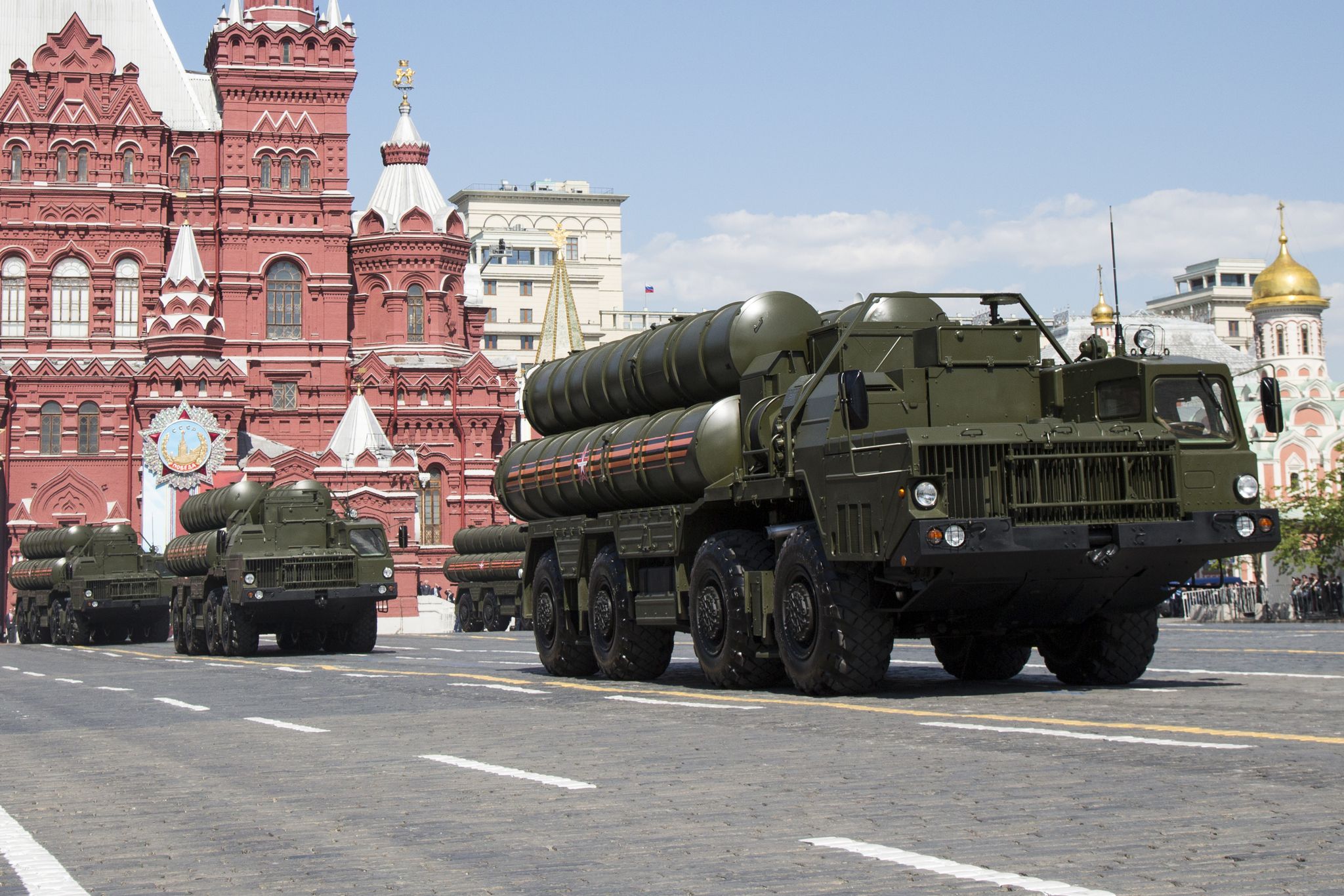
    Russian defense officials have ordered emergency deployments of its advanced S-300 anti-aircraft systems into Syria, days after Moscow claimed Israeli forces prompted the shoot down of one of its surveillance aircraft, conducting intelligence operations in support of the Syrian regime.

    The S-300 air defense systems will be in the hands of Syrian forces loyal to President Bashar Assad within the next two weeks, Russian Defense Minister Sergei Shoigu said in a statement released Monday. The new air defense systems will be directly linked to Russian outposts scattered throughout Syria, to “guarantee that Russian aircraft are identified by Syrian air defenses,” he said.

    In addition, “Russia will jam satellite navigation, on-board radars and communication systems of combat aircraft, which attack targets in the Syrian territory, in the regions over waters of the Mediterranean Sea bordering with Syria,” he added in Monday’s statement. The new S-300 deployments come in addition to the reported S-400 long-range anti-aircraft and missile defense systems already in the field in Syria.

    Defense Secretary James Mattis said Monday that there had been no communication between either the Pentagon or U.S. Central Command and their Russian counterparts on the decision to deploy the S-300 systems, prior to Monday’s announcement by Moscow.

    “Any additional weapons going in keeps [President Bashar Assad] in a position to threaten the region,” Mr. Mattis told reporters at the Defense Department. “Anything like this puts him in a position as an obstruction to peace” in the war-torn nation, the defense chief added.

    The shoot-down of the Russian I1-20 reconnaissance plane, which kicked off a chain of claims and counterclaims between Moscow, Damascus and Tel Aviv, took place late last week. The Assad regime’s bloody campaign to quash rebel forces in the country has been largely sustained by Russian air power and Iranian-backed paramilitary forces on the ground.

    Israeli commanders sent in four bombers into Syrian airspace to take out a nearby Syrian weapons facility, housing weapons that Israel argued argue would have ultimately been transferred to the terrorist group Hezbollah. During the bombing raid, Syrian forces launched anti-aircraft missiles to take out the Israeli fighters but apparently struck the Russian plane instead, downing it into the sea and killing everyone on board. Moscow immediately laid blame for the attack on Israel.

    “The Israeli pilots were using the Russian aircraft as a shield and pushed it into the line of fire of the Syrian defense,” said Russian Defense Ministry spokesman Maj. Gen. Igor Konashenkov in a statement at the time.

    Israel Defense Forces blamed Mr. Assad and expressed “sorrow” for the Russians killed in the incident, while Secretary of State Mike Pompeo expressed his regret for the incident, saying the deaths of the 15 crewmen underscored the need to bring the Syrian conflict to a peaceful resolution.

    On Monday, Mr. Mattis placed the blame for the ongoing violence in Syria’s civil war squarely on the shoulders of Moscow, adding the S-300 deployments only add fuel to that fire.

    “This tragedy … would have ended long ago” if not for Russian and Iranian interference in the conflict, he said.

  • Beijing accuses White House of trade bullying as new U.S. tariffs take effect

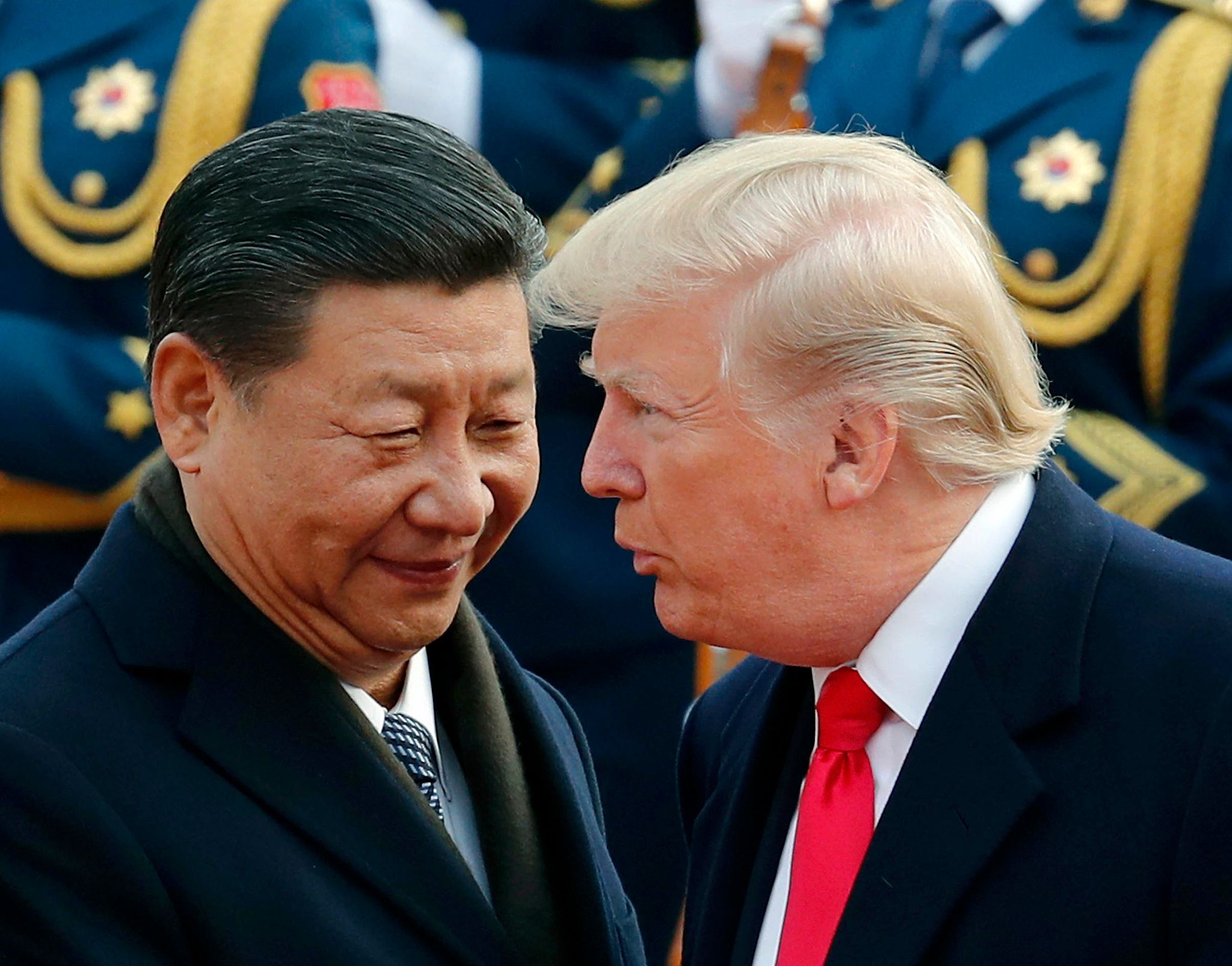
    In the latest escalation of the U.S.-China trade war, Beijing on Monday accused Washington of “economic bullying” just as trade tariffs on $200 billion of Chinese made goods came into effect.

    In the latest escalation of the U.S.-China trade war, Beijing on Monday accused Washington of “economic bullying” just as trade tariffs on $200 billion worth of Chinese made goods came into effect.

    The hard-hitting attack on President Trump was delivered in an official white paper released by the Xinhua news agency and features Beijing’s argument that the U.S. is intimidating other countries through economic measures, damaging the global economy and using “trade bullyism practices.”

    Considered Beijing’s most comprehensive public statement in the tariff war thus far, the white paper, which runs 36,000 words, keeps with Beijing’s stance of not personalizing the conflict by never mentioning Mr. Trump by name.

    It does, however, lash out at his administration’s “America first” economic policies, criticizing them for threatening the world’s established multilateral free trade agreements and restating Beijing’s position that the only way to stop the battle is through cooperation.

    “Cooperation is the only right option and only win-win cooperation can lead to a better future,” the white paper said.

    To justify the trade war, Mr. Trump has long accused China of stealing technologies from America and unfairly subsidizing Chinese state-owned enterprises.

    To punish them, Mr. Trump has argued for the U.S. to clamp down on Chinese imports and since July, roughly half of all Chinese good shipped to the U.S. have become subject to new duties.

    The latest round of tariffs, which kicked in at 12 p.m. Monday, Beijing time, target almost 6,000 Chinese imports, including bicycles, furniture, handbags, rice and textiles, with smartwatches and high chairs reportedly exempt.

    China, meanwhile, has responded by slapping tariffs on more than 5,000 U.S. goods, from honey to industrial chemicals, worth an estimated $110 billion.

    Over the weekend, China recalled its naval chief from the U.S. to protest sanctions Washington slapped on Chinese entities for procuring Russian-made military equipment.

    Chinese Vice-Premier Liu He, who is leading trade talks with the U.S., also cancelled a trip to Washington in protest of the tariffs.

  • The Latest: EU’s Tusk says Brexit compromise still possible

    The Latest on Brexit, the political divorce between Britain and the rest of the European Union (all times local):

    LONDON (AP) – The Latest on Brexit, the political divorce between Britain and the rest of the European Union (all times local):

    6:30 p.m.

    EU Council President Donald Tusk says he remains convinced that a Brexit compromise that is “good for all, is still possible.”

    His comments come a day after a clear lack of progress at an EU leaders summit in the Austrian city of Salzburg and hours after Prime Minister Theresa May rebuked the EU for damning her Brexit proposals. The Brexit talks, she said, have hit at an “impasse.”

    In a statement, Tusk said “the U.K. stance presented just before and during the Salzburg meeting was surprisingly tough and in fact uncompromising.”

    In spite of that viewpoint, he insisted he remained “a close friend of the U.K. and a true admirer of PM May.”

    Ahead of the summit, Tusk said some parts of May’s plan were a step in the right direction, even though the Irish border and the economic cooperation proposals need to be reworked.

    ___

    4:15 p.m.

    British Prime Minister Theresa May’s parliamentary allies welcomed her assurances that Northern Ireland would avoid a hard border – even as they urged her to stand up for the interests of the entire country in talks on leaving the European Union.

    Nigel Dodds, a senior leader in the Democratic Unionist Party, says May’s remarks on Friday show “she is not going to be pushed around by Europe.”

    By contrast, the president of the Irish nationalist party, Sinn Fein, argued May’s comments were “an exercise in tired rhetoric.”

    Mary Lou McDonald says that rather than accept her plan has failed to resolve fundamental issues, May’s “focus has unfortunately remained on infighting within her own party and her pact with the DUP, instead of coming to an acceptable negotiating position.”

    ___

    3:05 p.m.

    The pound has fallen further after British Prime Minister Theresa May took a tougher line in the Brexit talks.

    The currency was down a sharp 1.5 percent at $1.3066 after May said Brexit negotiations are “at an impasse” after the European Union rejected her proposals for leaving the bloc.

    The proposal was to keep the U.K. in the EU single market for goods, but not services, to ensure free trade with the bloc and an open border between the U.K.’s Northern Ireland and EU member Ireland.

    EU officials dismissed the plan, saying Britain can’t “cherry-pick” elements of membership in the bloc.

    The disagreement raises the risk of Britain leaving the EU without any deal on future trade relations after Brexit day on March 29, which would mean tariffs on exports and disruptions to commerce, travel and other activities.

    ___

    2:30 p.m.

    British Prime Minister Theresa May has sought to reassure European Union citizens living in the U.K., saying they will retain their rights in case the country leaves the European Union without a deal.

    May issued an update Friday on the ongoing Brexit negotiations in the wake of the rejection of her plans by EU leaders in Salzburg – a situation she says might cause concern among the 3 million EU citizens who live in Britain.

    May says told those worried about their future that “you are our friends, our neighbors, our colleagues. We want you to stay.”

    She also addressed the other thorny issue in the talks: the border with Northern Ireland. May says that in the event of no deal, “we will do everything in our power to prevent a return to a hard border.”

    ___

    2:15 p.m.

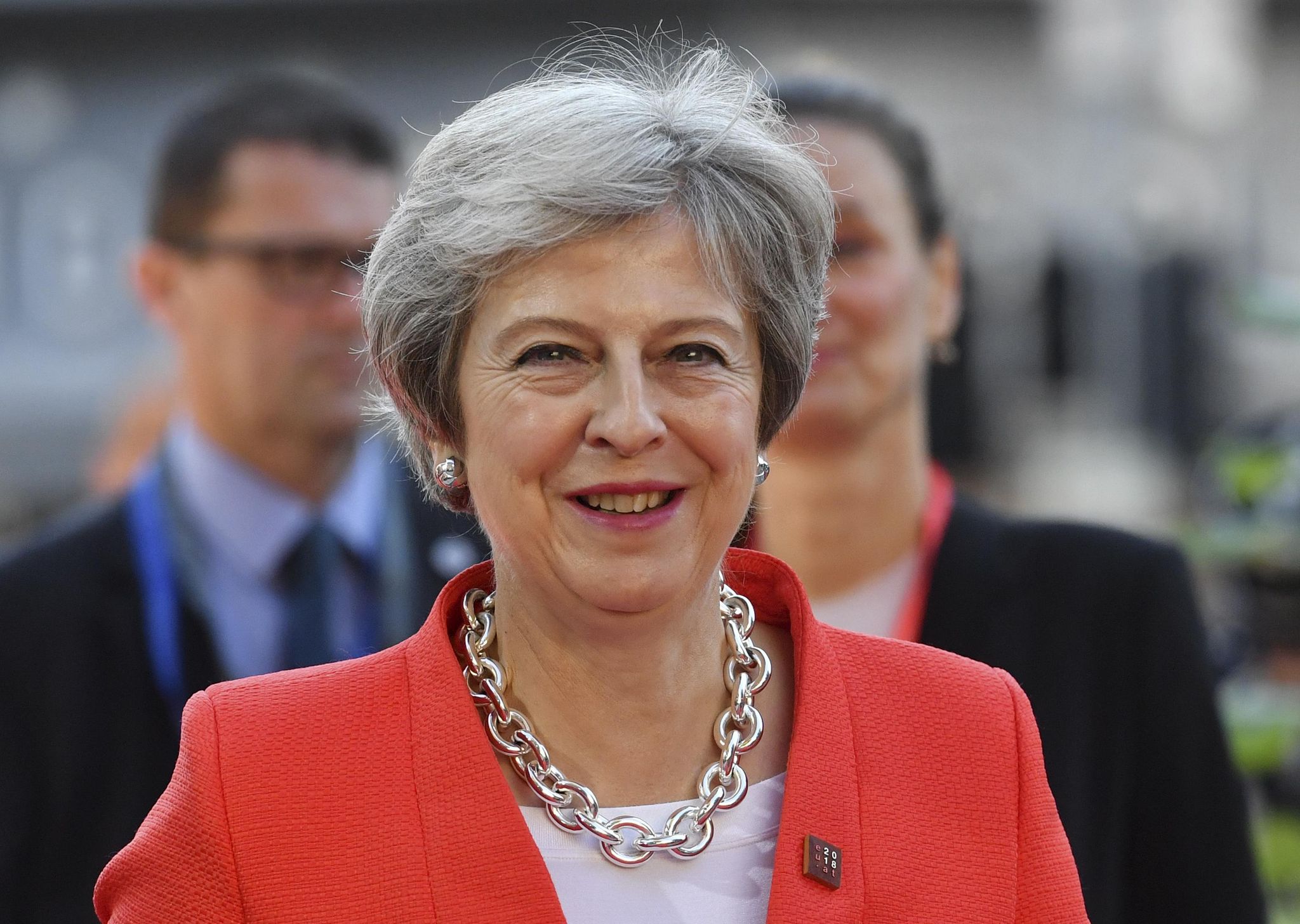
    British Prime Minister Theresa May says Brexit negotiations are “at an impasse” after the European Union rejected her proposals for leaving the bloc.

    Speaking at 10 Downing St. in London, May said it was “not acceptable” that the EU had rejected her plan without offering alternatives.

    EU chief Donald Tusk said at a summit in Salzburg that May’s plan would not work.

    May says both sides want a deal, but remain far apart on key issues of future trade relations and the Irish border. She called for “serious engagement” to solve the problems.

    The pound fell on May’s comments, trading down a sharp 1.2 percent on the day to $1.3104.

    ___

    9:30 p.m.

    The British government on Friday accused the European Union of slamming the handbrake on Brexit negotiations, after the bloc said Prime Minister Theresa May’s blueprint was unworkable.

    European Council President Donald Tusk said bluntly at a meeting in Salzburg, Austria on Thursday that parts of May’s plan simply “will not work,” while French President Emmanuel Macron called pro-Brexit U.K. politicians “liars” who had misled the country about the costs of leaving the 28-nation bloc.

    A rattled May insisted that her plan was the only one on the table – and that Britain was prepared to walk away from the EU without a deal if it was rejected.

    The rebuff sparked British headlines saying May had been “humiliated,” and a strong response from the U.K. government.

    Brexit Secretary Dominic Raab accused the EU of rejecting Britain’s proposals without offering “credible alternatives” and said the bloc had “yanked up the handbrake” on negotiations.