Tag: Donald Trump

  • Donald Trump to meet South Korean president amid uncertainty over Kim Jong-un summit

    President Trump will host South Korean President Moon Jae-in at the White House next week for a meeting expected to center on clarifying expectations for an upcoming summit with North Korea’s Kim Jong

    President Trump will host South Korean President Moon Jae-in at the White House next week for a meeting expected to center on clarifying and aligning the expectations that Washington and Seoul have for Mr. Trump’s upcoming summit with North Korea’s Kim Jong-un.

    The Moon visit Tuesday comes amid uncertainty over the planned June 12 summit after North Korea threatened this week to pull out amid anger over National Security Advisor John R. Bolton’s claims that Washington seeks a quick, verifiable, “Libya model” denuclearization from Pyongyang.

    President Trump walked back Mr. Bolton’s assertions Thursday, telling reporters “the Libyan model isn’t a model that we have at all when we’re thinking of North Korea,” and stressing that if Mr. Kim is serious about abandoning his nuclear program, Washington will provide the North Korean leader’s regime with “protections.”

    While those comments hang in the backdrop, national security sources say the White House is scrambling behind-the-scenes to nail down exactly what its expectations are for the highly-anticipated summit with Mr. Kim in Singapore.

    That’s where President Moon comes in, says Hak-Soon Paik, the head North Korea analyst at the Sejong Institute, a top South Korean think tank.

    Mr. Paik, who’s in Washington ahead of Mr. Moon’s visit to the White House, says it “comes at an opportune moment” for both South Korea and the U.S.

    “On the U.S. side, the administration has a chance to hear directly from the South Korean president what his views toward what Mr. Trump’s expectations should be for the upcoming summit with Kim,” Mr. Paik told The Washington Times on Friday.

    “For the South Korean side,” he said, “this is a moment to advise Mr. Trump directly on Seoul’s view of what would or would not amount to a successful [summit].”

    The Moon visit comes roughly a month after Mr. Trump held a similar meeting with Japanese Prime Minister Shinzo Abe to soak in his perspective on how a one-on-one with Mr. Kim should play out.

    A top aid to Mr. Abe said at the time that the Japanese premier told Mr. Trump to demand Mr. Kim meet a hard deadline of 2020 to permanently surrender his nuclear programs and that no sanctions relief for Pyongyang should be granted until the deadline is met.

    Katsuyuki Kawai, the special adviser for foreign affairs to Mr. Abe from Japan’s ruling Liberal Democratic Party, said Mr. Abe also pressed Mr. Trump to realize “America is in a stronger position than Chairman Kim” and that North Korean denuclearization has to occur before Mr. Trump faces a potentially difficult re-election campaign in just two years.

    Sources close to Mr. Moon have told The Times the South Korean president is likely to offer similar advice next week, with particular emphasis on the timeline the administration should demand for denuclearization.

    One source said Mr. Moon will attempt to make the case that at least a year, if not considerably longer, will be needed in order for any kind of successful, verifiable denuclearization to occur.
  • Trump calls for prison reform, more job training for inmates

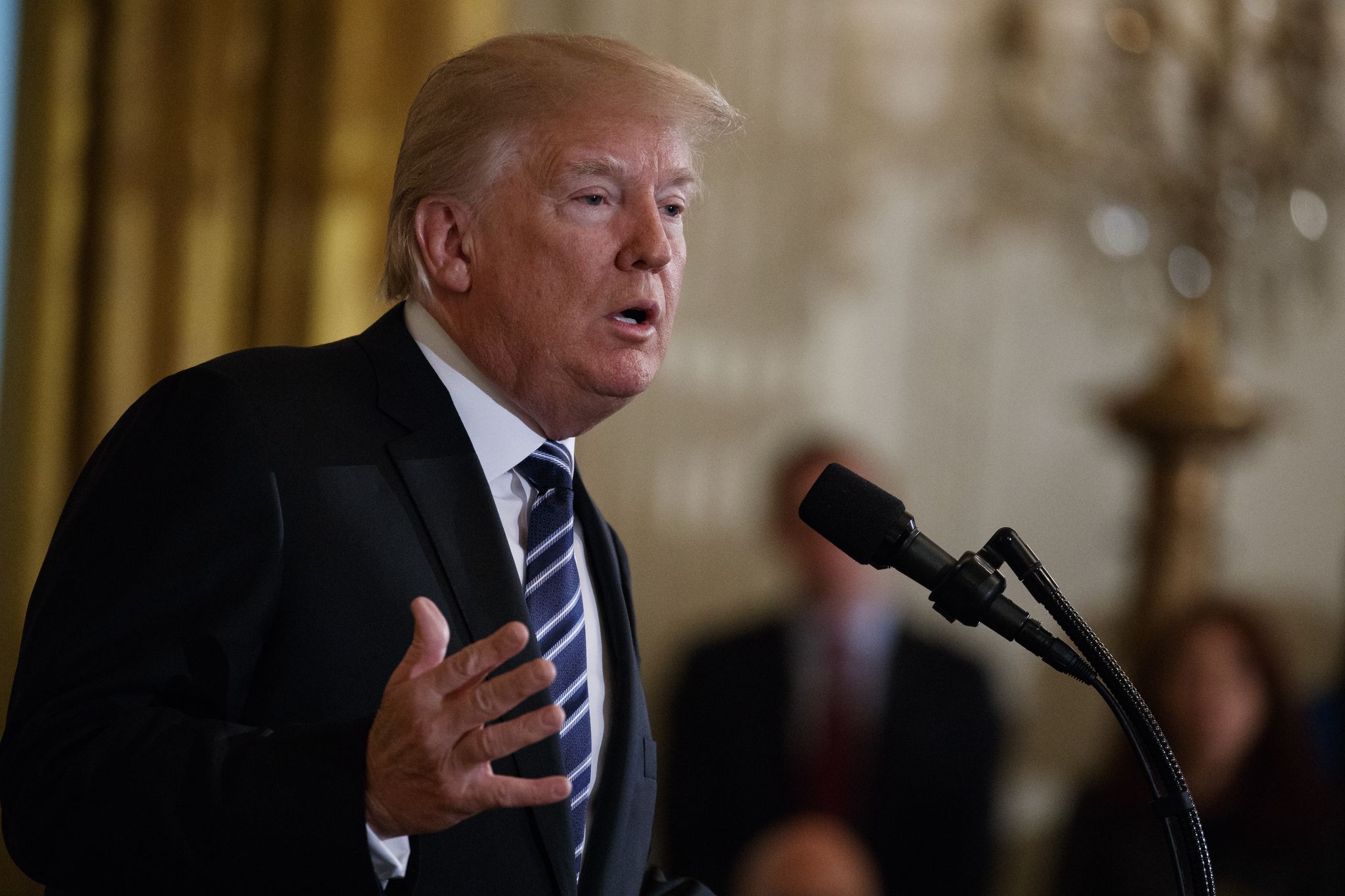
    President Trump said Friday that the U.S. can reform prisons and release more inmates without endangering communities

    President Trump said Friday that the U.S. can reform prisons and release more inmates without endangering communities

    Hosting a summit on prison reform at the White House with state and federal officials, faith leaders and others, the president said legislation moving through Congress can help to reduce crime and save tax dollars.

    “Our whole nation benefits if former inmates are able to reenter society as productive, law-abiding citizens,” Mr. Trump said.

    About 620,000 inmates are released from prison annually after completing their sentences. But the president said that more than 33 percent of federal inmates, and more than three-fourths of state inmates, are re-arrested within five years.

    “We want former inmates to find a path to success so they can support their families and support their communities,” the president said. “Crucial to this effort is helping former prisoners find jobs. It is not merely a waste of money, but a waste of human capital … to put former inmates on public assistance instead of placing them into a steady job where they can pay taxes, contribute to their country, gain dignity and pride that comes with a career.”

    The event was moderated by Van Jones, a former Obama administration official and CNN commentator who has frequently criticized Mr. Trump. The president thanked Mr. Jones “primarily because he constantly says such nice things about me.”

    “Not too often … it does feel good,” Mr. Trump joked.

    Among those attending was Freedom Partners Chairman Mark Holden, who said the goal is for Congress to approve prison reform this year.

    “States have proven that preparing prisoners for reentry starting on day one of their sentences will increase public safety, reduce recidivism, bring incarceration rates down and save taxpayers money,” Mr. Holden said.

  • Rudy Giuliani: Jeff Sessions could have prevented a special counsel investigation

    Trump lawyer Rudy Giuliani said Friday that Attorney General Jeff Sessions could have prevented a special counsel investigation, attributing that as the reason President Trump remains upset with him.

    Trump lawyer Rudolph W. Giuliani said Friday that Attorney General Jeff Sessions could have prevented a special counsel investigation, attributing that as the reason President Trump remains upset with him.

    “What Jeff Sessions has done to him is stick him with a special counsel because he didn’t step up and say, ‘I can make this decision.’ Stick him with a special counsel, that has now $20 million later, has come up with nothing,” Mr. Giuliani said on CNN.

    He said there is no need for a special counsel investigation into collusion claims between the Trump campaign and Russia. Mr. Giuliani argued that Mr. Sessions’ recusal triggered the need for an outside counsel in the case and damaged the Justice Department’s ability to handle the investigation.

    SEE ALSO: EXCLUSIVE: Mueller agrees to narrow scope of questions in bid to interview Trump

    “Nobody else in the Justice Department is recused because Sessions is recused,” Mr. Giuliani said.

    He also stood by his previous statements that Mr. Trump should not testify in the case saying special counsel Robert Mueller’s team will try to trap the president.

    “Explain to me why they even need to interview the president if it isn’t to try and trap him into perjury,” Mr. Giuliani said.

    The former New York City mayor has also said that he does not believe Mr. Mueller’s team will indict Mr. Trump.

  • President Trump calls reports of FBI informant on campaign ‘biggest political scandal’

    President Trump tweeted Friday that there was a report that an FBI informant was placed on his campaign.

    President Trump tweeted Friday that there was a report that an FBI informant was placed on his campaign.

    “Reports are there was indeed at least one FBI representative implanted, for political purposes, into my campaign for president. It took place very early on, and long before the phony Russia Hoax became a “hot” Fake News story. If true – all time biggest political scandal!” Mr. Trumptweeted.

    Mr. Giuliani addressed the New York Times report that there was a government informant that met with Trump campaign representatives Carter Page and George Papadopoulos. The former New York mayor said neither he nor the president knew for sure if there was an informant.

    “Here’s the issue that I really feel strongly about with this informant, if there is one. First of all, I don’t know for sure, nor does the president, if there really was. We’re told that,” he said on CNN earlier on Friday.

    He said the Times report correlates with what Mr. Trump’s legal team has been told off the record, but he added he’s still not sure if those reports are accurate.

  • Democrats call for multi-agency investigation into Russian sanctions

    Three top Democratic senators have called for multi-agency inspectors general investigations into what they argue is a failure by the Trump administration to fully implement congressionally mandated s

    Three top Democratic senators have called for multi-agency inspectors general investigations into what they argue is a failure by the Trump administration to fully implement congressionally mandated sanctions against Russia.

    Last year Congress voted nearly unanimously to create the Countering America’s Adversaries Through Sanctions Act (CAATSA) in order to pressure President Trump to clamp down on Russia in response to Kremlin meddling in the 2016 presidential election.

    In a May 18 letter to the inspectors general of the State and Treasury Departments as well as the U.S. Intelligence Community, the three senators argue the Trump administration has sent mixed signals, or been inactive in implementing seven mandatory CAATSA provisions, despite evidence of sanctionable activity.

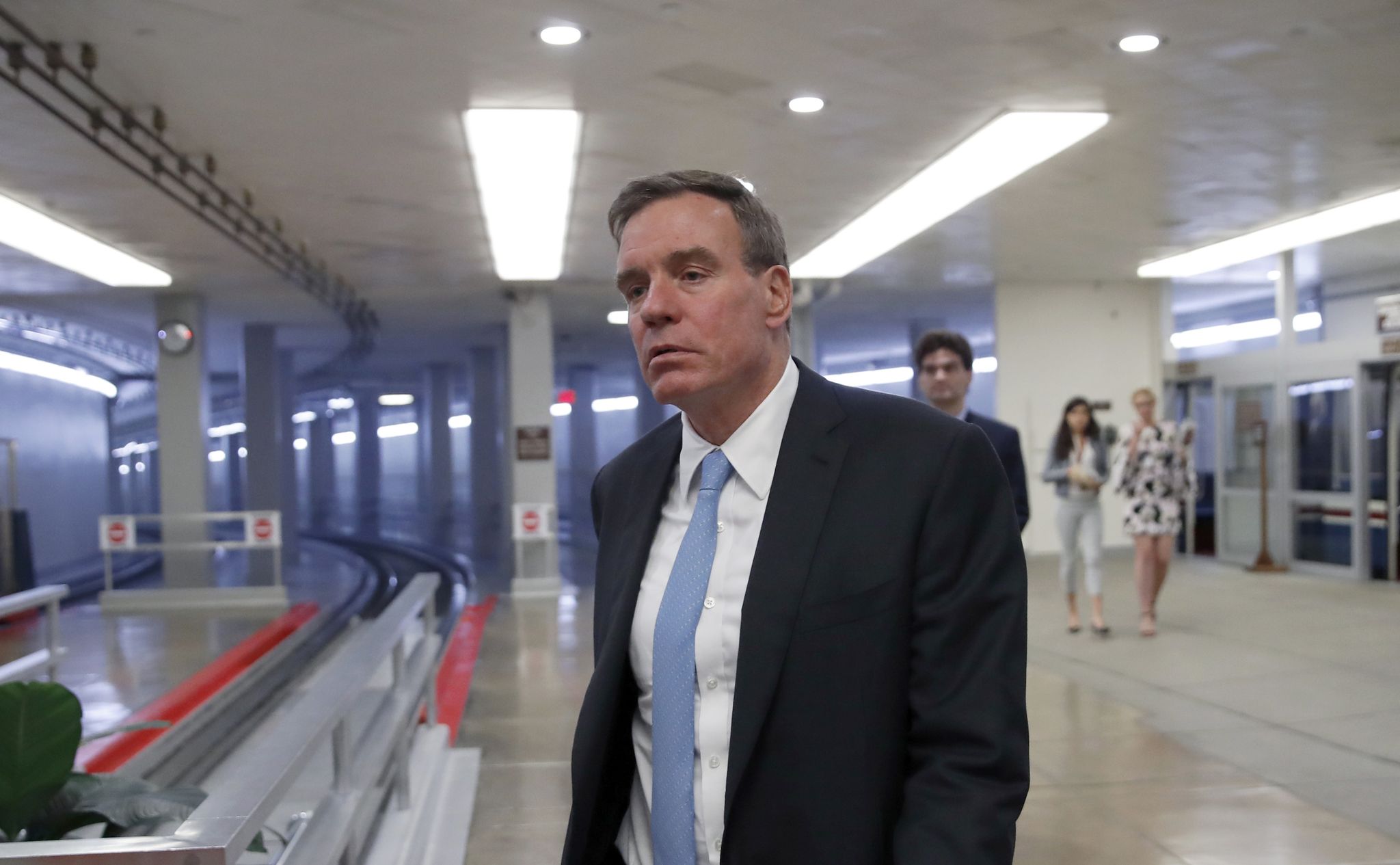
    “Several mandatory provisions of the law have not been implemented by the administration, despite strong evidence that actions taken by or on behalf of the Russian government are in violation of the CAATSA sanctions law and applicable executive orders codified by CAATSA,” Sen. Bob Menendez, New Jersey, Sen. Mark Warner, Virginia and Sen. Sherrod Brown, Ohio wrote on Friday.

    Mr. Menendez, Mr. Warner and Mr. Brown are the top Democrats on the Senate’s foreign relations, intelligence, and banking committees, respectively.

    CAATSA primarily targets Russia’s defense and intelligence sectors and those who do business with them. The senators also say the Trump White House has not followed through addressing related sanctions and penalties.

    “We also remain concerned that the administration has not formally determined whether individuals are conducting significant transactions with the Russian defense and intelligence sectors under Section 231 [part of CAATSA],” they wrote. “Without such determinations, it is impossible to ascertain whether individuals are substantially reducing significant transactions with these entities as outlined in the law.”

    The senators also argue the administration did not follow through last month with additional sanctions against Russia for supporting Syrian President Bashar al-Assad despite Nikki Haley, the U.S. ambassador to the United Nations, having announced new sanctions would be forthcoming.

    Senior Trump administration officials maintain they are pushing back harder on Russian President Vladimir Putin than the Obama administration, while Democrats say Mr. Trump has shown a reluctance to use the full force of CAATSA.

  • Meek Mill, rapper, details withdrawal from Donald Trump’s prison reform panel

    Meek Mill, a previously incarcerated rapper scheduled to participate in President Trump’s prison reform panel Friday, said he abruptly withdrew from the event rather than risk distracting from the dis

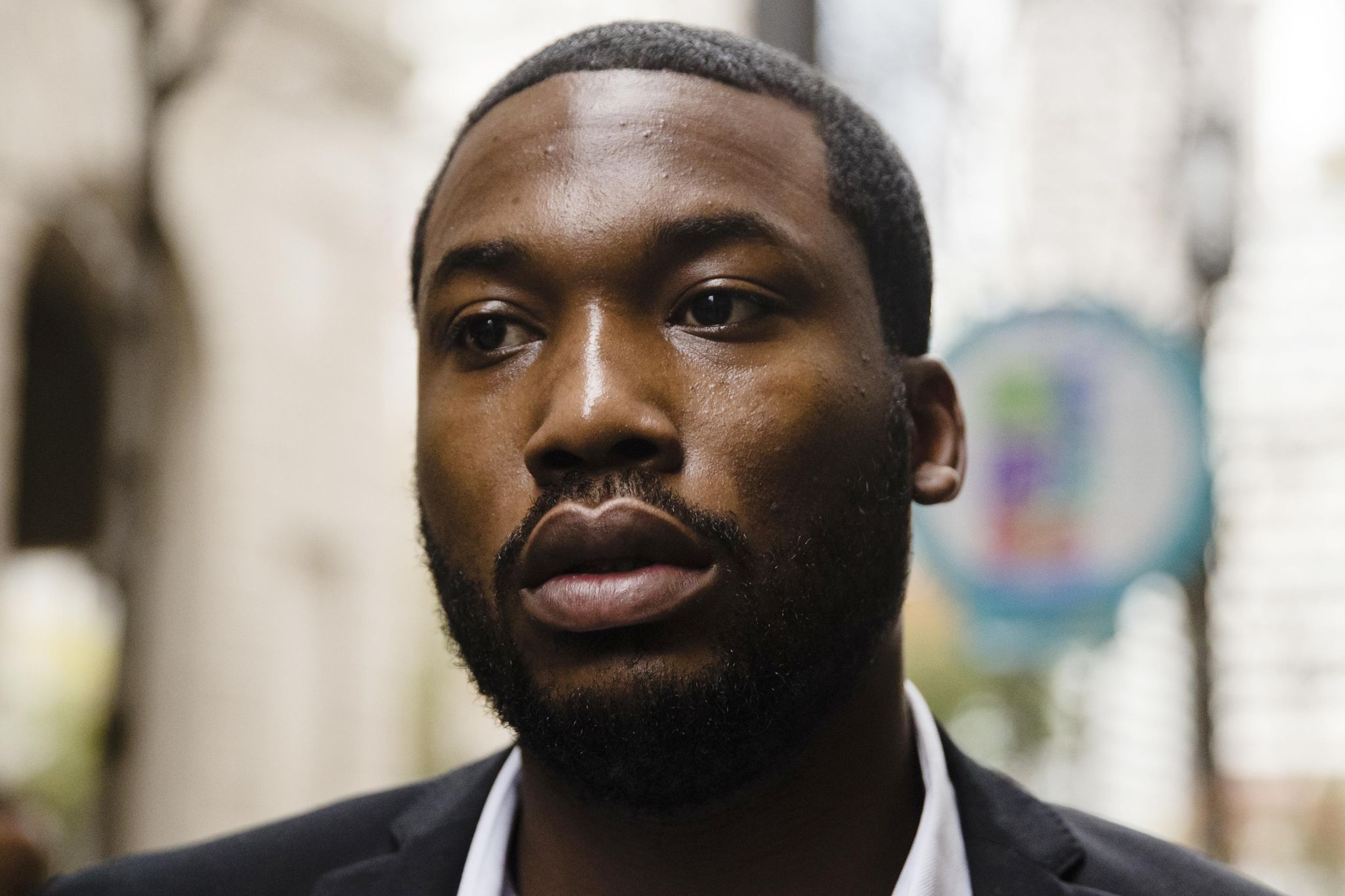
    Meek Mill, a previously incarcerated rapper scheduled to participate in President Trump’s prison reform panel Friday, said he abruptly withdrew from the event rather than risk distracting from the discussion.

    “I was originally scheduled to be part of a panel on Prison Reform at the White House to help shed light on the issues within the system,” the performer, born Robert Rihmeek Williams, said in a statement.

    “Unfortunately, the focus turned to the President and Myself, which concerned me that it might take away from creating a positive result from today’s discussions,” added Mr. Williams, 31. “As a result, I decided not to attend so that the focus would be solely on fixing our prison system. Most importantly I remain fully committed to improving our criminal justice system.”

    Mr. Williams was released from prison in April after spending five months behind bars for a probation violation, and he emerged pledging to use his fame to help reform the existing criminal justice system.

    “Although I’m blessed to have the resources to fight this unjust situation, I understand that many people of color across the country don’t have that luxury and I plan to use my platform to shine a light on those issues,” he said in a statement following his release last month.

    “I want people to know the situation is not about me on any level,” the rapper told CBS News recently. “It’s about changing policies and doing things to protect people like myself who deserve a second chance even if you’re innocent.”

    Mr. Williams was initially sentenced to spend two to four years in prison after he was arrested in 2017 while on probation for a previous conviction, but the Pennsylvania Supreme Court granted him bail last month and he was released early as a result.

    The White House said in a statement Friday that the panel event would bring together “a diverse group of thought leaders from across the country to discuss the need for federal prison reform.

    “There is no substitute for personal accountability and there is no tolerance for those who take advantage of society’s generosity to prey upon the innocent,” Mr. Trump said afterwards. “But if we want more prisoners to take charge of their own lives, then we should work to give them the tools to stand on their own two feet.”

  • Donald Trump to rally in Tennessee, boost GOP Senate candidate

    President Trump is swooping in with a campaign rally in Tennessee to bolster the Senate campaign of Republican Rep. Marsha Blackburn, who is locked in a tight race against Democrat Phill Bredesen, a f

    President Trump is swooping in with a campaign rally in Tennessee to bolster the Senate campaign of Republican Rep. Marsha Blackburn, who is locked in a tight race against Democrat Phill Bredesen, a former governor.

    Mr. Trump will hold the “Make America Great Again” rally May 29 in Nashville, Tennessee, his campaign announced Saturday.

    “The President looks forward to being with patriotic Tennesseans once again as he celebrates this booming economy that’s helping families throughout the state thanks to his historic tax cuts and job-creating policies,” said Michael S. Glassner, CEO of Mr. Trump’s reelection campaign.

    The rally will be held in Nashville Municipal Auditorium, according to the campaign.

    After a string of visits to key states where Republicans are looking to pick up Senate seats in the midterm elections, Mr. Trump is veering to Tennessee to play defense in the fight to keep GOP control of the narrowly-divided upper chamber.

    Republicans have held on to Tennessee’s two Senate seats since 1995, but recent polling suggests a tight race this November.

    Mrs. Blackburn trailed Mr. Bredesen 46 percent to 43 percent last month in a Mason-Dixon poll. What’s more, a Vanderbilt University poll last week found independent voters had a more positive view of Mr. Bredesen than Mrs. Blackburn, and a majority of Republicans also said they have a favorable view of the former governor.

    Overall, 67 percent of Tennessee voters had a positive opinion of Mr. Bredesen, compared to 49 percent who said that about Mrs. Blackburn.

    Mrs. Blackburn has been running as a Trump Republican. A the visit by the president, who has endorsed her, will reinforce that message.

    Mr. Trump won Tennessee by a 26-point margin in 2016.

  • Russia eyes closer Iran ties, more trade if Trump nixes nuclear deal

    A top Russian official said bilateral relations and trade with Iran could actually be enhanced if President Trump follows through on a threat to take the United States out of the 2015 nuclear deal wit

    A top Russian official said bilateral relations and trade with Iran could actually be enhanced if President Trump follows through on a threat to take the United States out of the 2015 nuclear deal with Tehran next week.

    Vladimir Yermakov, head of arms control and nonproliferation for the Russian Foreign Ministry, told reporters Friday that a U.S. withdrawal would not kill the deal, which Iran signed with the Obama administration and five international powers — Russia, China, Britain, France and Germany.

    The European allies have lobbied heavily for Mr. Trump not to withdraw from the deal, fearing that the reimposition of American economic and financial sanctions could cast a heavy cloud over their own business dealings with Tehran.

    But Mr. Yermakov argued the deal, which curbed Iranian nuclear programs in exchange for an end to international sanctions, would survive even without U.S. participation, according to the Moscow Times. He spoke to reporters at a nuclear nonproliferation summit in Geneva.

    “It might even be easier for us on the economic front, because we won’t have any limits on economic cooperation with Iran,” he said. “We would develop bilateral relations in all areas — energy, transport, high-tech, medicine.”

    Iranian officials have said they would not be bound by the nuclear restrictions in the deal if the U.S. withdrew, and have rejected any attempt to re-write its terms. But they have stopped short of saying the entire agreement would be void if the U.S. pulled out.

    Mr. Yermakov said Friday it would be smarter for Tehran to stay in the deal and honor its commitments not to seek nuclear weapons.

    “It’s not in anybody’s interest that Iran goes back to the kind of development of its nuclear program that all states would be concerned about,” he said. “But Iran is fully entitled to develop peaceful nuclear energy.”

    China this week also said it continued to support the nuclear accord and called on all sides to honor their commitments.

    The U.N. nuclear watchdog agency says Iran has met its commitments under the deal, but Mr. Trump and other critics say the accord has failed to restrain Iran’s other military programs and its moves to destabilize other states in the region. Many of the restrictions on Iran’s nuclear programs in the deal are also set to expire in just seven years.

  • Trump exit from Iran nuclear deal enters uncharted territory

    It’s not as simple as just saying “we’re out” of the Iran nuclear deal.

    WASHINGTON (AP) – It’s not as simple as just saying “we’re out” of the Iran nuclear deal.

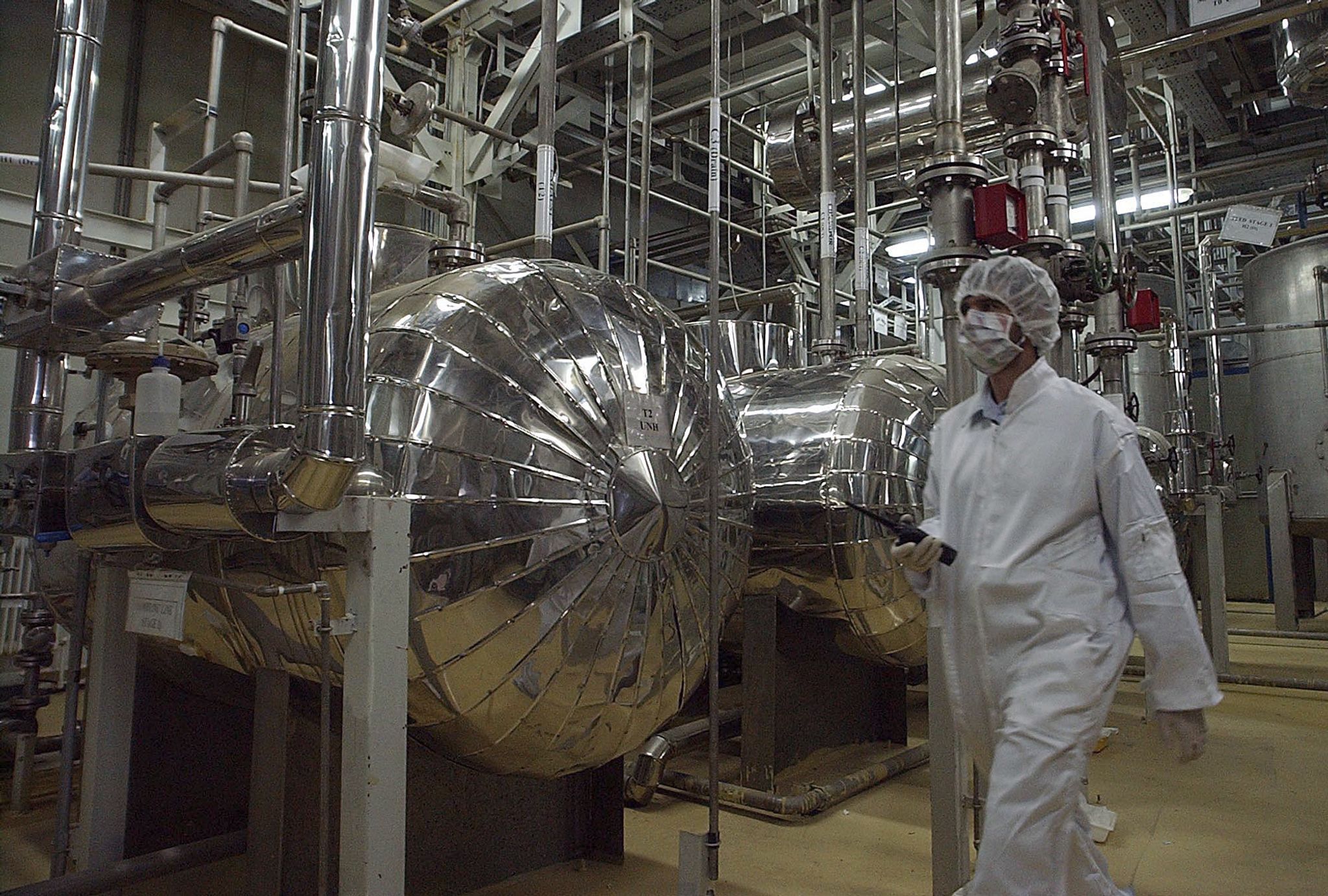
    If President Donald Trump follows through on his threat to pull the U.S. out of the Iran nuclear deal on May 12, the rest of the world will be thrust into uncharted territory, forced to navigate a complex web of U.S. sanctions that were lifted under the landmark accord but would ostensibly be put back in place.

    Would Trump re-impose sanctions on those who do business with Iran? How quickly? And would Europe follow suit? How would Iran respond? And what happens to Iran’s pre-existing obligations to allow nuclear inspections?

    “It’s going to be very complicated,” said Ama Adams, who advises clients on international sanctions compliance at the law firm Ropes & Gray. “There are lots of opportunities to trip up and make mistakes. It’s going to be a period of a lot of activity and flurry.”

    A look at possible scenarios for what stays and goes if Trump exits the accord:

    U.S. SANCTIONS

    Under the 2015 deal, the United States issued waivers to longstanding sanctions punishing Iran for its nuclear program. Iran, in turn, restricted its program and allowed more inspections.

    Trump has essentially two options for re-imposing sanctions.

    On May 12, he faces a deadline on whether to renew the waivers that eased one basket of sanctions: those on Iran’s central bank, intended to hit Iranian oil exports. Another basket of sanctions waivers are up for renewal on July 11, focusing on more than 400 specific Iranian companies, individuals and business sectors.

    One of Trump’s options, being called “the nuclear option” by some experts, would re-impose all the sanctions at once – even those not scheduled for renewal until July. That would put the U.S. in immediate violation of the deal’s terms, which say sanctions remain lifted as long as Iran is complying with its terms. So far, the International Atomic Energy Agency, the U.N.’s nuclear monitoring agency, has said Iran is complying, and Secretary of State Mike Pompeo agrees.

    A second option: re-imposing only the central bank sanctions. That would start a 180-day clock in which companies or countries would be expected to reduce their purchases of oil from Iran. Those that don’t would ultimately be penalized by Washington.

    Why not restore all the sanctions at once? Proponents of doing it piece by piece say it would give the U.S. more leverage to bring about a “fix” to the deal so that Trump could stay in after all. Trump has long said the deal needed to be strengthened or abandoned, but efforts with European allies to strengthen it haven’t yet succeeded. With sanctions about to kick in again in 180 days, there might be enough pressure on the Iranians, the Europeans and other members of the deal to give in to Trump’s demands, proponents say.

    But supporters of the nuclear deal say that’s not a viable option because the U.S., by starting the 180-day clock, would have already breached the deal. And as soon as Trump announces sanctions will be coming back, companies will immediately start shutting down their business with Iran. That means Iran would suffer from lost business and could decide to walk away from the deal itself.

    Adams, the sanctions attorney, said some companies have already started winding down business in anticipation that Trump may re-impose sanctions.

    __

    THE REST OF THE WORLD

    What would Europe do? Germany, France and the U.K. have suggested they have no intention of leaving the deal, even if the U.S. withdraws. But it might not matter much. The global financial system is so interconnected and so tied to New York that it would be almost impossible for anyone anywhere in the world to continue their business with Iran without risk of violating U.S. sanctions. For example, Europe businesses owned or controlled by American parent companies would breach the sanctions if they didn’t cut off Iran.

    It’s a major dilemma for European businesses, made even more complicated if the European Union decides to invoke a measure put in place in the 1990s to counter the U.S. embargo on Cuba. The EU can use those regulations to prohibit European companies from complying with some U.S. sanctions. That puts businesses in the position of choosing whether to defy the United States or the EU.

    __

    IRAN‘S RESPONSE

    Iran’s leaders have been coy, although Foreign Minister Mohammad Javad Zarif told The Associated Press last week Iran would “most likely” abandon the deal if Trump withdraws. Yet the key question is whether Iran would resume nuclear activities, such as enrichment and processing, beyond the limits that were imposed by the deal – and how aggressively.

    How would the world even know? If the deal collapses, Iran would no longer be bound by the rigorous inspections regime by the IAEA that it agreed to in the deal. That regime included the so-called Additional Protocol, which expanded the IAEA’s access to sites in Iran, including giving inspectors insight into all parts of the nuclear fuel cycle, access on short notice to all buildings at an acknowledged nuclear site, and the right to obtain samples from military sites.

    Even without the nuclear deal, Iran would still be required to allow a more limited regime of inspections required by the Nuclear Nonproliferation Treaty, which Iran has signed. But it’s unclear how rigorously Iran would comply. After all, alleged cheating and delay tactics by Iran were a major concern prior to the 2015 deal. And Iranian officials haven’t explicitly ruled out the possibility that if Trump blows up the nuclear deal, Iran may also leave the Nonproliferation Treaty.

    Then there’s the question of whether Iran, feeling swindled on a deal the U.S. itself brokered, would take other steps to retaliate – such as ballistic missile tests or more support for militant groups abroad.

  • Iranian dissidents call for Trump to ‘rip up’ nuclear deal

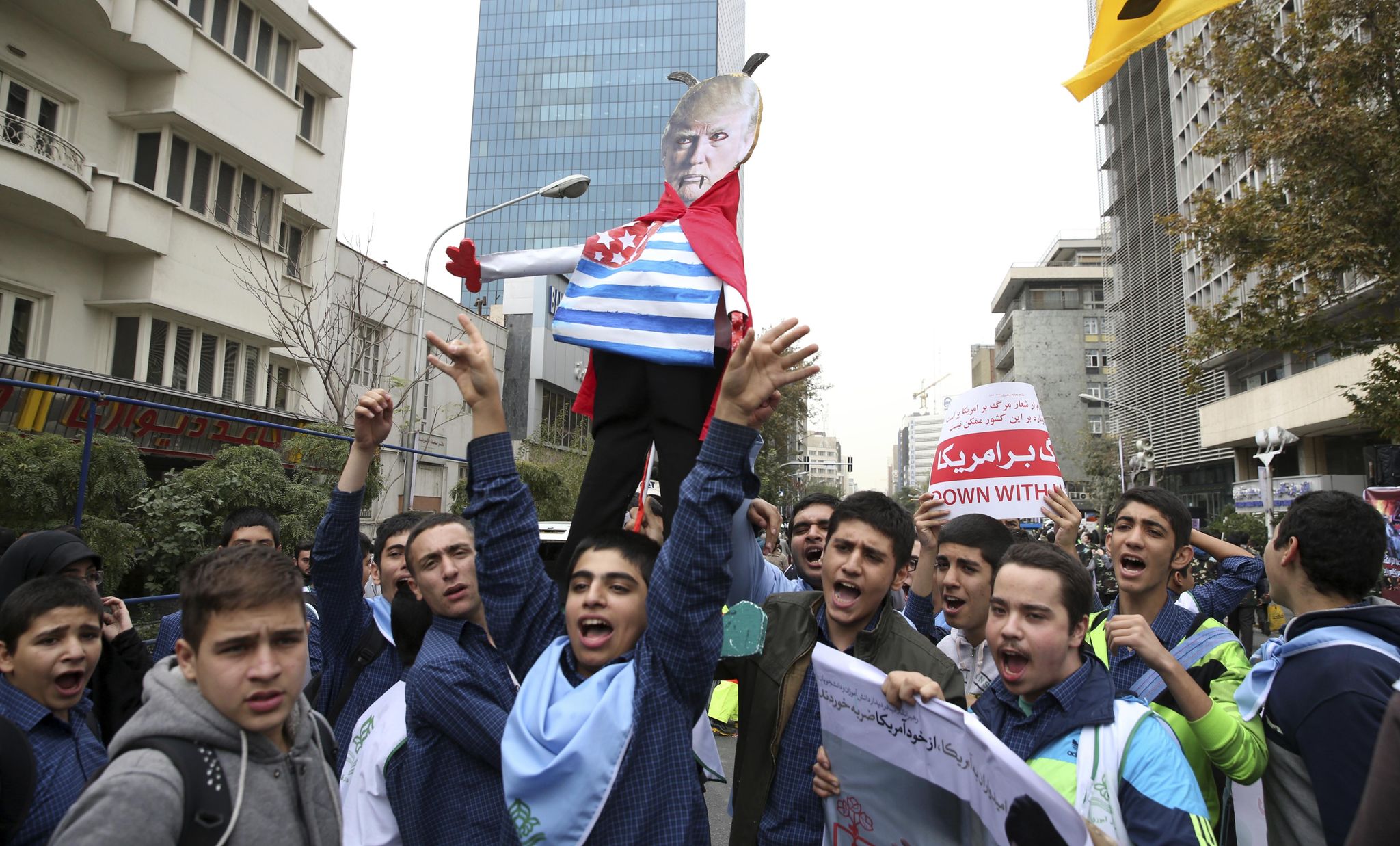
    Thousands of supporters of Iranian opposition groups rallied just blocks from the White House on Saturday for the downfall of Tehran’s theocratic government and to invite President Trump to “rip up” t

    Thousands of supporters of Iranian opposition groups rallied just blocks from the White House on Saturday for the downfall of Tehran’s theocratic government and to invite President Trump to “rip up” the Iran nuclear deal.

    The rally came one week before Mr. Trump’s May 12 deadline to decide whether to pull out of the Obama-era Iranian nuclear deal that saw the U.S., Britain, France, Germany, Russia and China ease sanctions on Tehran in exchange for limits to its nuclear program. Mr. Trump has criticized the 2015 accord since it took effect.

    “What do you think is going to happen to that nuclear agreement?” former New York City Mayor Rudolph Giuliani yelled to a packed conference hall at the Grand Hyatt Hotel.

    A longtime ally of Iranian dissidents, Mr. Giuliani just joined Mr. Trump’s personal legal team. Holding a piece of paper in his hands, he drove the rally wild by pretending to rip it apart.

    “We do not want President Trump to renegotiate, we want him to rip it up,” said Shirin Nariman, a spokeswoman for the Organization of Iranian American Communities (OIAC) and an event organizer.

    Saturday’s rally saw organizers gather more than 1,000 Iranian delegates from across the U.S. for a rowdy flag ceremony, fiery speeches and music. In addition to criticizing the nuclear deal, dissidents blasted the Islamic Republic’s human rights record, and argued for a free, democratic and secular Iran.

    Several speakers zeroed-in current unrest across Iran. Protests are still underway after a major uprising that erupted in 142 cities across in January, the largest since 2009.

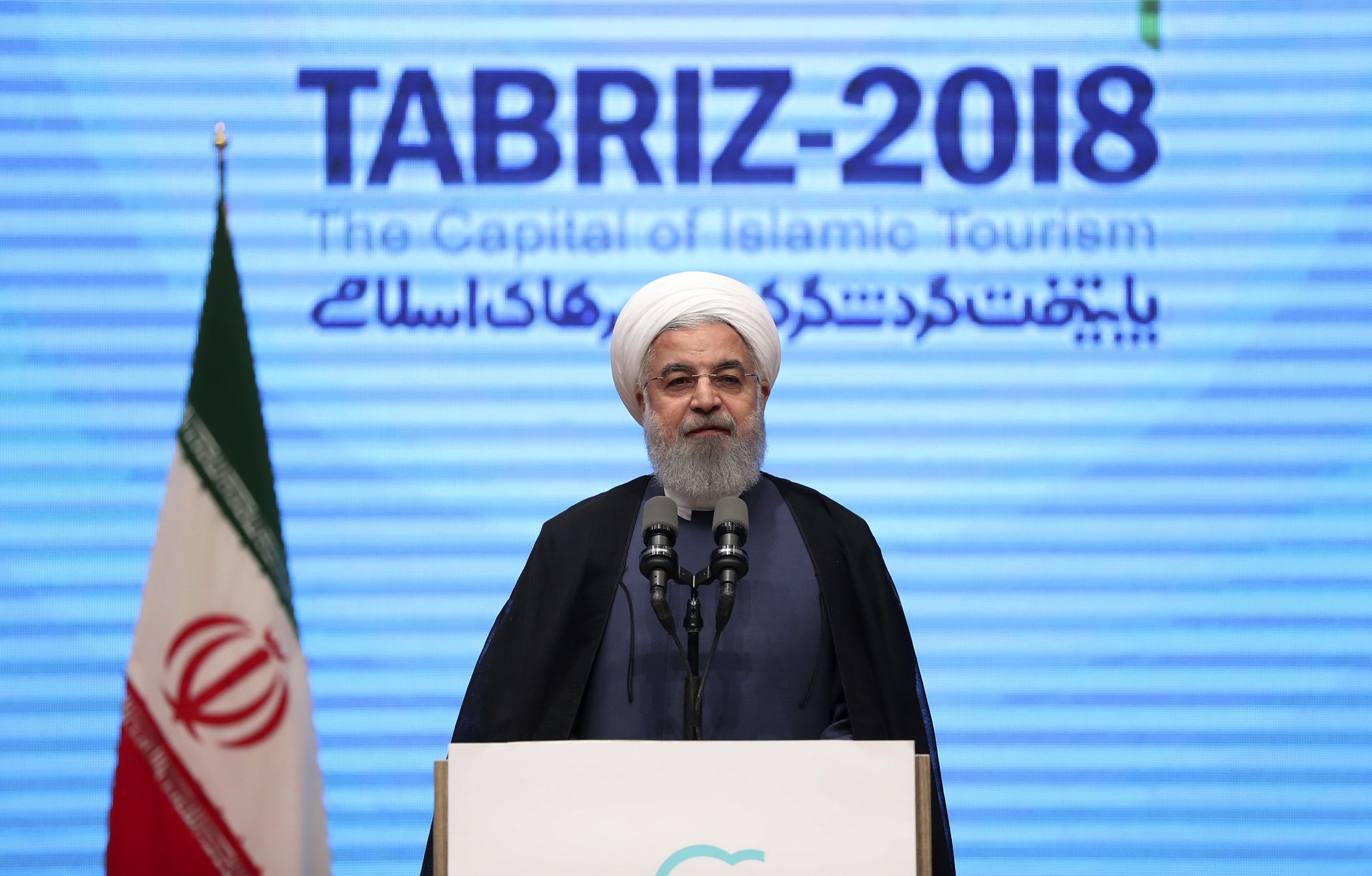
    Some analysts believe the demonstrations began as an attempt by hard-line conservatives in the regime to undercut President Hassan Rouhani, a relatively moderate cleric who strongly backed the nuclear deal and just won a second four-year term.

    Mr. Rouhani has claimed that one of the exiled opposition groups involved in organizing Saturday’s rally — the Mujahedeen-e-Khalq (MEK) — was inciting the violence.

    The MEK has close ties to a Paris-based organization, the National Council of Resistance (NCRI) of Iran. The NCRI holds an annual rally in France that draws tens of thousands to call for the downfall of Iran’s mullah-led government and has deep sources in Iran.

    The group is credited with exposing secretive Iranian nuclear facilities in the early 2000s. It also has had a contentious relationship with Washington, and was listed it as a terrorist organization by the State Department until 2012.

    Many prominent U.S. politicians from both sides of the aisle, including Mr. Giuliani, have long spoken out in support of the NCRI and the MEK, claiming the latter was wrongly put on the terror list.

    NCRI President-elect Maryam Rajavi addressed the rally via video link from Paris.

    “At no time has the regime been so engulfed in crisis, and at no time has the time been so ripe to organize and expand the uprising,” she said.

    Mrs. Rajavi, who also called for the end of the Iranian death penalty, which has been liberally used as a scare tactic to subdue protests, also voiced opposition to the nuclear deal. She urged the international community to abandon the agreement and instead conduct unconditional inspections of Iran’s nuclear weapons and ballistic missiles program.

    Former U.S. Energy Secretary and New Mexico Gov. Bill Richardson, a longtime MEK and NCRI supporter, fired up the convention hall.

    “The regime is on the ropes as they say with boxers,” he said. “The debate is no longer the hard liners against the reformers. It is now the entire people against the regime.”

    Mr. Richardson also praised OIAC, MEK and NCRI as “leadership that is willing to sacrifice and take risks.”

    When Mr. Giuliani noted that Mr. Trump backed the Iranian protests earlier this year with the words “we support their fight for freedom,” the crowd erupted.

    All speakers predicted regime change is coming soon, with Ms. Nariman noting that one of the organization’s most prominent Washington supporters, John R. Bolton, is Mr. Trump’s new national security adviser.

    Secretary of State Mike Pompeo also supports regime change.

    Ms. Nariman expressed hope that this group, in addition to Mr. Giuliani and Mr. Trump, would soon bring about change.