Tag: Politics

  • John Bolton as Donald Trump national security adviser ‘a shame,’ Iran says

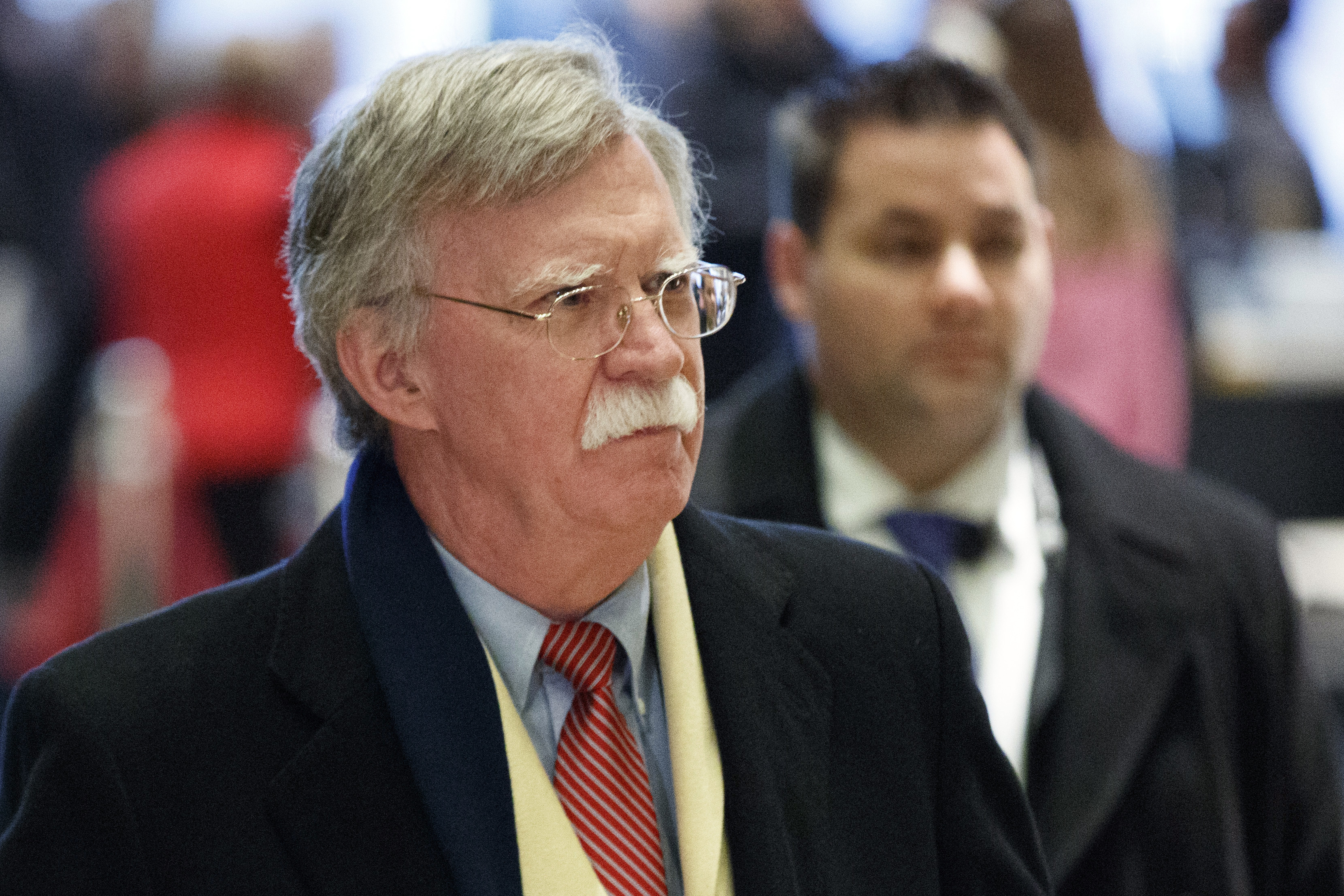
    Iran has called the appointment of the former U.N. Ambassador John Bolton to the role of National Security Adviser of the United States “a shame.”

    TEHRAN, Iran — Iran has called the appointment of the former U.N. Ambassador John Bolton to the role of National Security Adviser of the United States “a shame.”

    The Sunday report by the semi-official Fars news agency quotes Ali Shamkhani, secretary of the country’s Supreme National Security Council, as saying for an “apparent superpower it is a matter of shame that its national security adviser receives wages from a terrorist group,” referring to Bolton attending a gathering of the Iranian opposition group Mujahedeen-e-Khalq (MEK) group in 2017.

    The U.S. removed MEK from its list of foreign terrorist organizations in 2012.

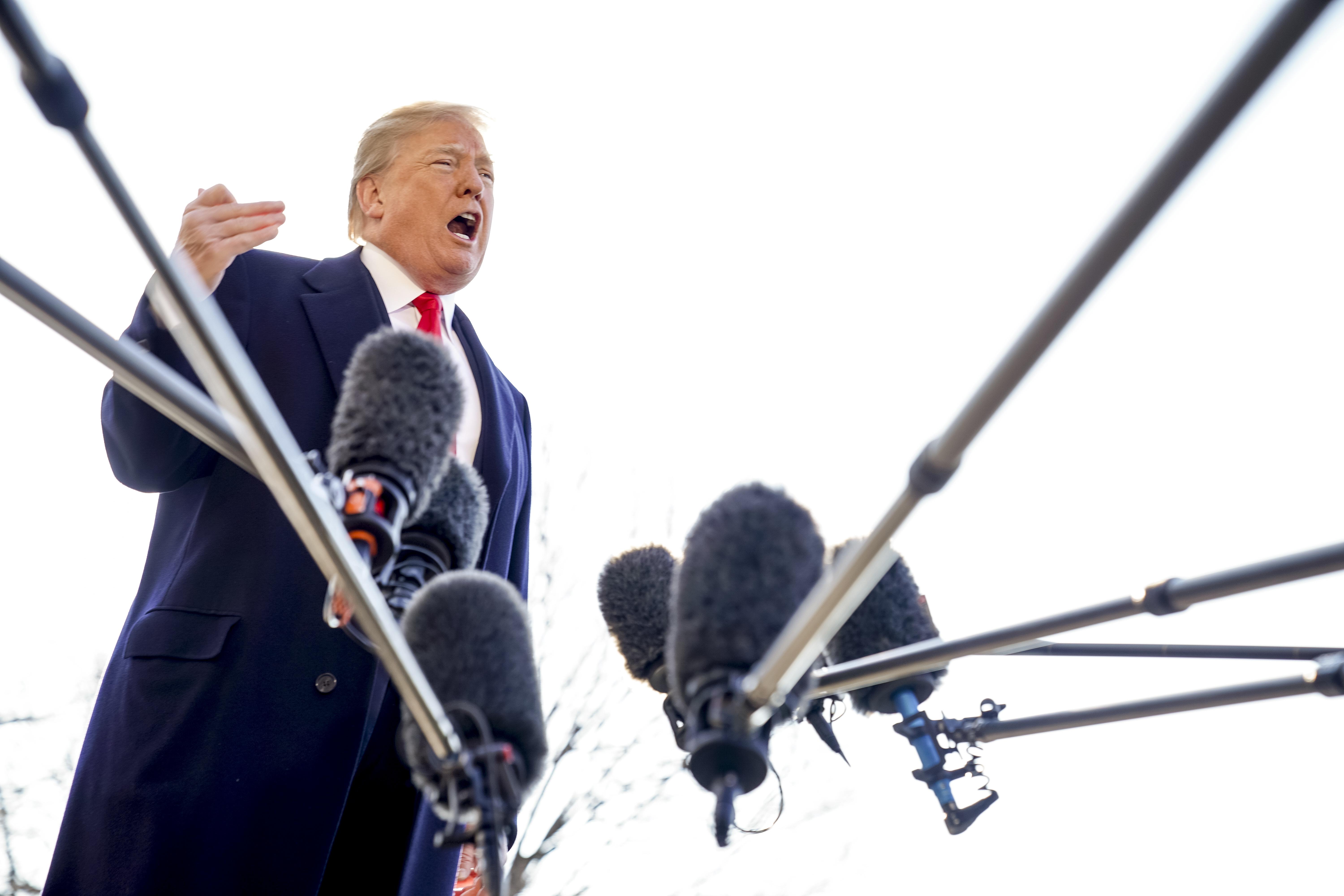
    President Donald Trump said Thursday he would appoint Bolton to the post as his administration faces a key decision on whether to pull out of the Iran nuclear deal.

  • Obama, in Japan, says NKorea’s isolation means less leverage

    Former President Barack Obama said Sunday that negotiations with North Korea on its nuclear weapons program are difficult, partly because the country’s isolation minimizes possible leverage, such as t

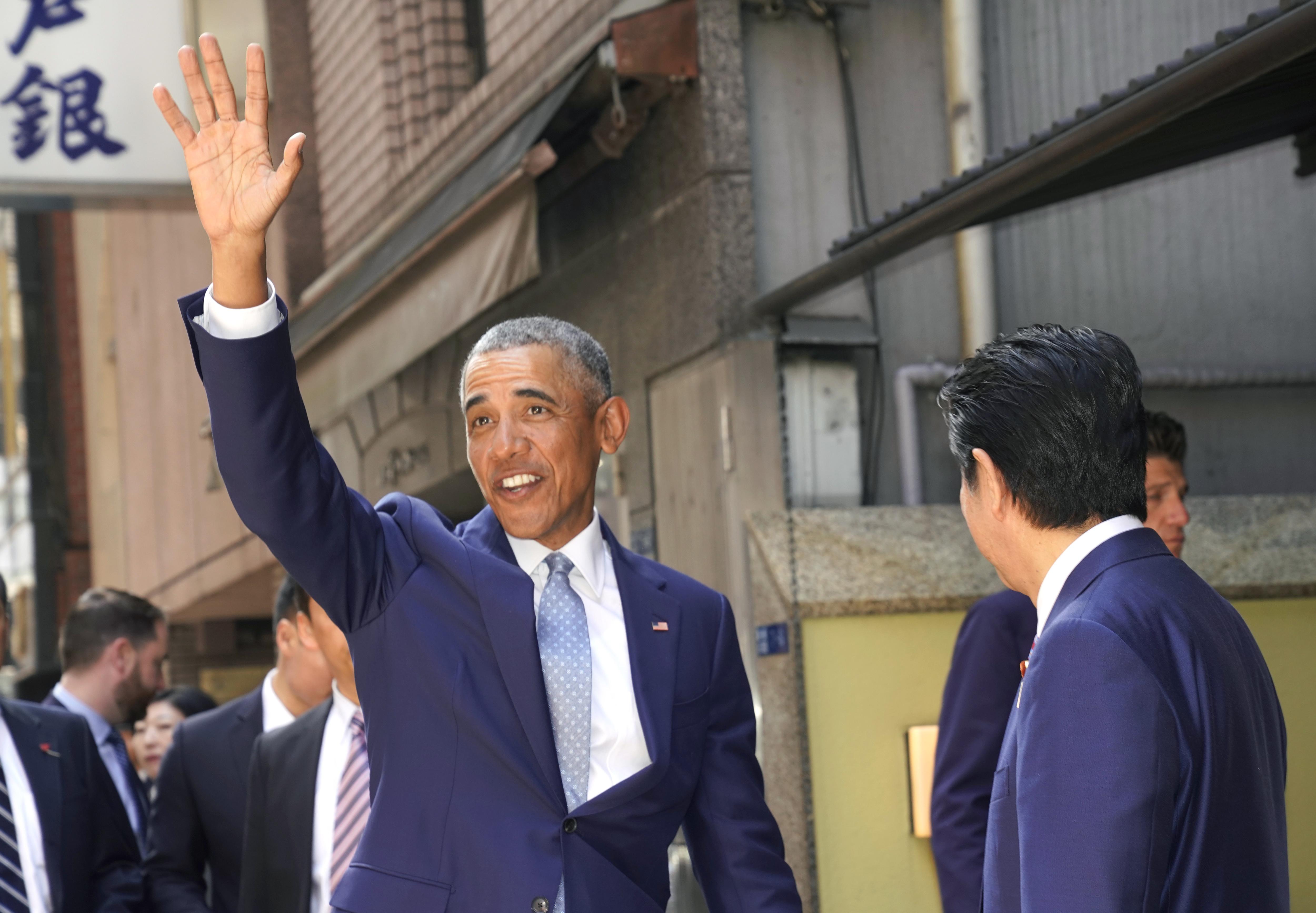
    TOKYO (AP) – Former President Barack Obama said Sunday that negotiations with North Korea on its nuclear weapons program are difficult, partly because the country’s isolation minimizes possible leverage, such as trade and travel sanctions against Pyongyang.

    “North Korea is an example of a country that is so far out of the international norms and so disconnected with the rest of the world,” Obama told a packed hall in Tokyo.

    He stressed that the effort to get North Korea to give up nuclear weapons remains difficult, but said countries working together, including China, South Korea and Japan, to pressure the North is better than nations working alone.

    He noted that past U.S. efforts on Iran’s nuclear weapons were more successful because there was more leverage, but that there’s little commerce and travel with North Korea to being with.

    “That makes them less subject to these kinds of negotiations,” he said of North Korea.

    Obama was speaking at an event sponsored by a Japanese nonprofit group during an Asia-Pacific trip that included earlier stops in Singapore, New Zealand and Australia. Obama’s work after leaving office has been focused on nurturing young leaders.

    Obama, welcomed by a standing ovation, said that the U.S.-Japan alliance remains strong, and that the U.S. is committed to defending Japan.

    “North Korea is a real threat,” he said.

    “Our view has always been that we would prefer to resolve these issues peacefully,” he said, adding that otherwise “the cost in terms of human life would be significant.”

    He acknowledged that progress on a nuclear-free world will likely take a long time as long as Russia and the U.S. can’t agree to reduce their stockpiles.

    Obama also reflected on his 2016 visit to Hiroshima, one of two Japanese cities where the U.S. dropped atomic bombs in the closing days of World War II. His visit was the first by an American president.

    Almost all American presidents tend to be relatively popular in Japan, which views the U.S. as its most important ally. But many Japanese particularly appreciate Obama’s efforts on denuclearization and remember with fondness his trip to Hiroshima and his message of working toward a world without nuclear weapons.

    “It was an extraordinarily powerful moment for me,” Obama recalled.

    ___

    Follow Yuri Kageyama on Twitter at https://twitter.com/yurikageyama

    Her work can be found at https://www.apnews.com/search/yuri%20kageyama

  • Colleges, universities see decline in public confidence

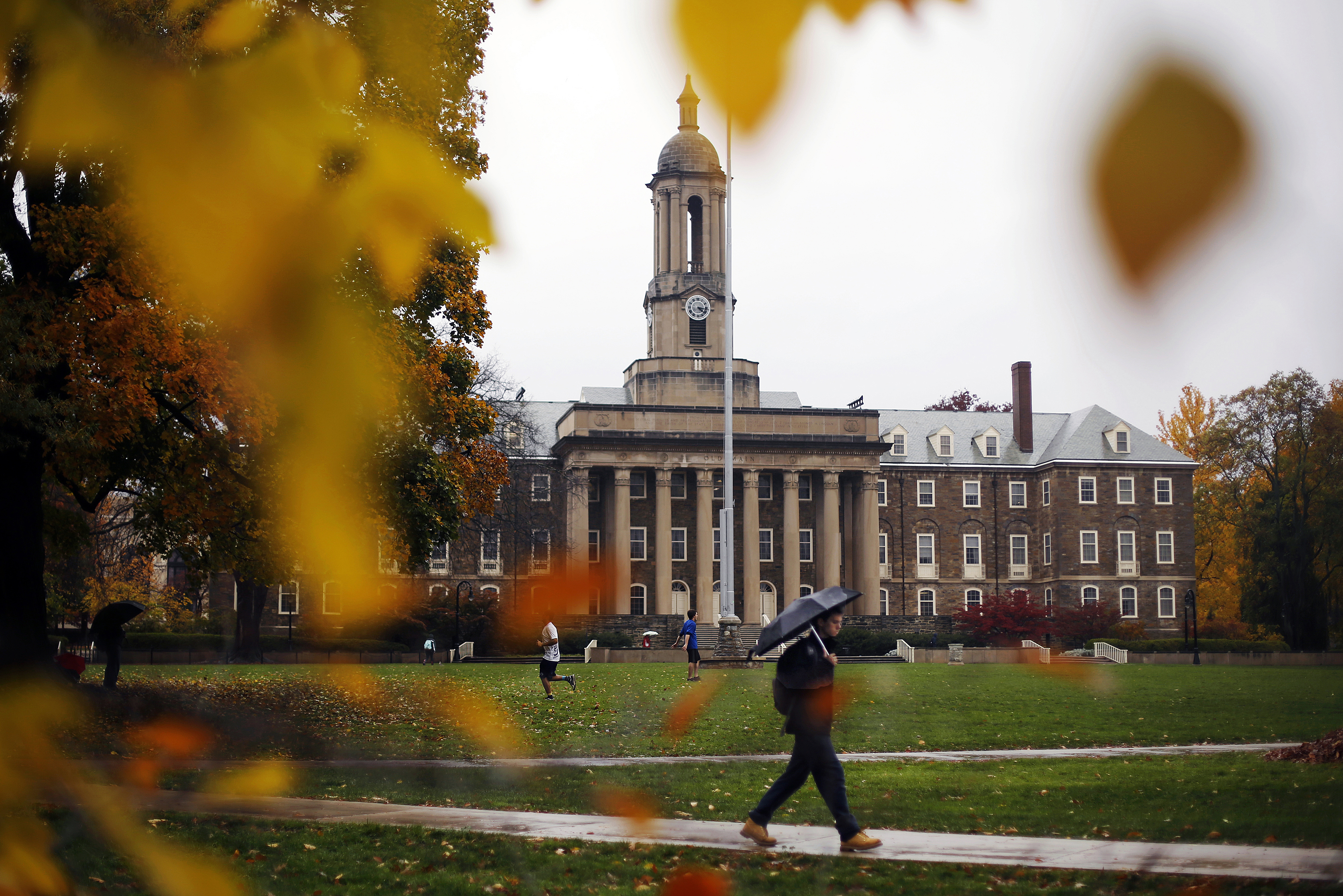
    Soaring tuition costs, degrees of dubious value and nonstop student activism have combined to bring public confidence in the ivory tower tumbling down.

    Soaring tuition costs, degrees of dubious value and nonstop student activism have combined to bring public confidence in the ivory tower tumbling down.

    Even college and university presidents acknowledge that the country is becoming disillusioned with higher education. In a recent survey conducted by Inside Higher Ed and Gallup, 51 percent of institution leaders said the 2016 election “exposed that academe is disconnected from much of American society.”

    The erosion of higher education’s brand comes as no surprise to Cornell Law School professor William A. Jacobson. He said the public’s negative perception of academia reflects the “reality of left-wing bias disconnected from American society.”

    “Particularly in the humanities and social sciences, many faculty view political activism and indoctrination as a core part of their academic mission,” said Mr. Jacobson, who runs the Legal Insurrection blog. “While they may have the academic freedom to do so, there is a price to pay for the higher educational system.”

    When asked to assess which factors are responsible for the negative view of higher education, 86 percent of college and university presidents cited the perception of liberal bias on campus.

    Seventy-seven percent said they are worried about the way conservatives view higher education, and 65 percent said the perception that colleges and universities are intolerant of conservative ideas is having a major impact on higher education.

    Despite their concern, less than one-third of college presidents agreed that conservative ideas are not tolerated on campus. Only 12 percent said Republican doubts about higher education are justified.

    Ninety-eight percent of college presidents said concerns about affordability and student debt are factors contributing to higher education’s image problem, and 95 percent pointed to concerns about whether college education adequately prepares students for careers.

    Yet university presidents said economic concerns also have more to do with perception than reality.

    Eighty-six percent said the attention paid to student debt has “led many prospective students and parents to think of college as less affordable than it is, taking into account student aid.”

    Just 16 percent of institution leaders said Americans have an “accurate view of the purpose of my sector of higher education,” and 14 percent said most Americans have an “accurate view of the purpose of higher education.”

    Lanae Erickson Hatalsky, vice president for social policy at Third Way, a left-leaning higher education think tank, knocked campus heads for chalking up dissatisfaction with their institutions to misperception.

    “The presidents 100 percent think it’s about perception,” Ms. Erickson Hatalsky told Inside Higher Ed. “There’s little acknowledgment that there might be a kernel of truth” to the public concerns.

    The survey suggests that college presidents may have tunnel vision when it comes to their institutions.

    Eighty percent of presidents said race relations are “good” or “excellent” on their campuses, and just 1 percent described them as “poor.” But when asked to evaluate race relations in higher education in general, just 20 percent described them as “good” or “excellent,” and 14 percent said they were “poor.”

    The Inside Higher Ed/Gallup survey polled 618 college and university presidents from Jan. 3 to Feb. 1.

    It builds on studies that have documented a rapid decline in Republican views toward higher education.

    A survey released last year by the Pew Research Center shows that just 36 percent of Republicans believe colleges and universities have a positive effect on the way things are going in the country, compared with 58 percent who say they have a negative effect.

    Those numbers are nearly reversed from 2010, when 58 percent of Republicans said higher education has a positive effect and 32 percent a negative effect.

    Seventy-two percent of Democrats, meanwhile, had a high regard for higher education, which is up slightly from 65 percent in 2010.

    Terry W. Hartle, senior vice president for government and public affairs at the American Council on Education, said discontent with higher education has more to do with economics than culture, citing focus groups with Trump voters in Florida and Pennsylvania.

    “They overwhelmingly think the value [of a degree] has declined, and they measure value by economic return,” Mr. Hartle told Inside Higher Ed. “They think you don’t need a college education to get a good job, but their own kids are going to go to college, and they think it’s too expensive.”

    Mr. Jacobson, the Cornell Law School professor, said the first step for university presidents is to recognize that there is a problem.

    “At least a substantial number of university presidents recognize the problem and how it has undermined public confidence in higher ed,” he said. “Whether and what they can do about it is the challenge.”

  • Russia retaliates against sanctions, puts more Americans on its ‘blacklist’

    Moscow is striking back against new U.S. sanctions by expanding the number of Americans on its “blacklist,” Russian Deputy Foreign Minister Sergei Ryabkov said Friday.

    Moscow is striking back against new U.S. sanctions by expanding the number of Americans on its “blacklist,” Russian Deputy Foreign Minister Sergei Ryabkov said Friday.

    “Those [American] politicians are playing with fire by destroying Russian-American relationship because simultaneously they shake global stability,” Mr. Ryabkov said, according to a report by the new service RIA.

    It is the first retaliation for the Trump administration slapping new sanctions on Russian individuals and entities, including Russian spy agencies, for meddling in the 2016 U.S. election and cyberattacks on the U.S.

    SEE ALSO: Russia will expel British diplomats in poisoning standoff

    Tension between the West and Russia reached the breaking point this month with a nerve-gas assassination attempt for a former double agent and his daughter in the U.K.

    U.S. national security officials cited the assassination attempt and cyberattacks, including a series of attacks on America’s power grid, nuclear power plants and aviation, as contributing to the sanction regime.

    Mr. Rybkov said adding more Americans to the “blacklist” would maintain Moscow’s policy of parity in sanctions.

    The Trump administration expanded sanctions against Russia by 19 individuals and five entities, Russian spy agency FSB and Russia’s military intelligence agency GRU.

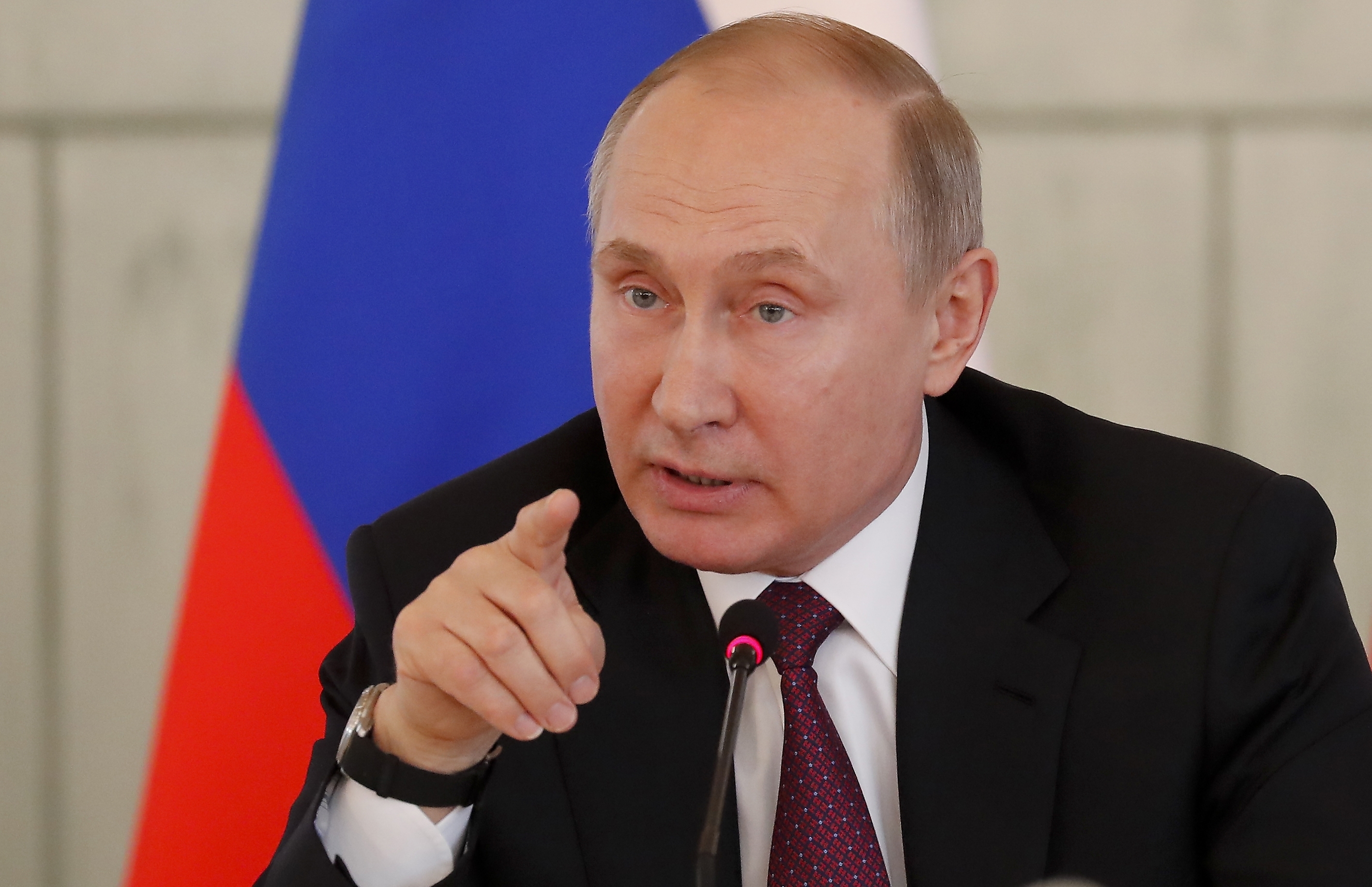
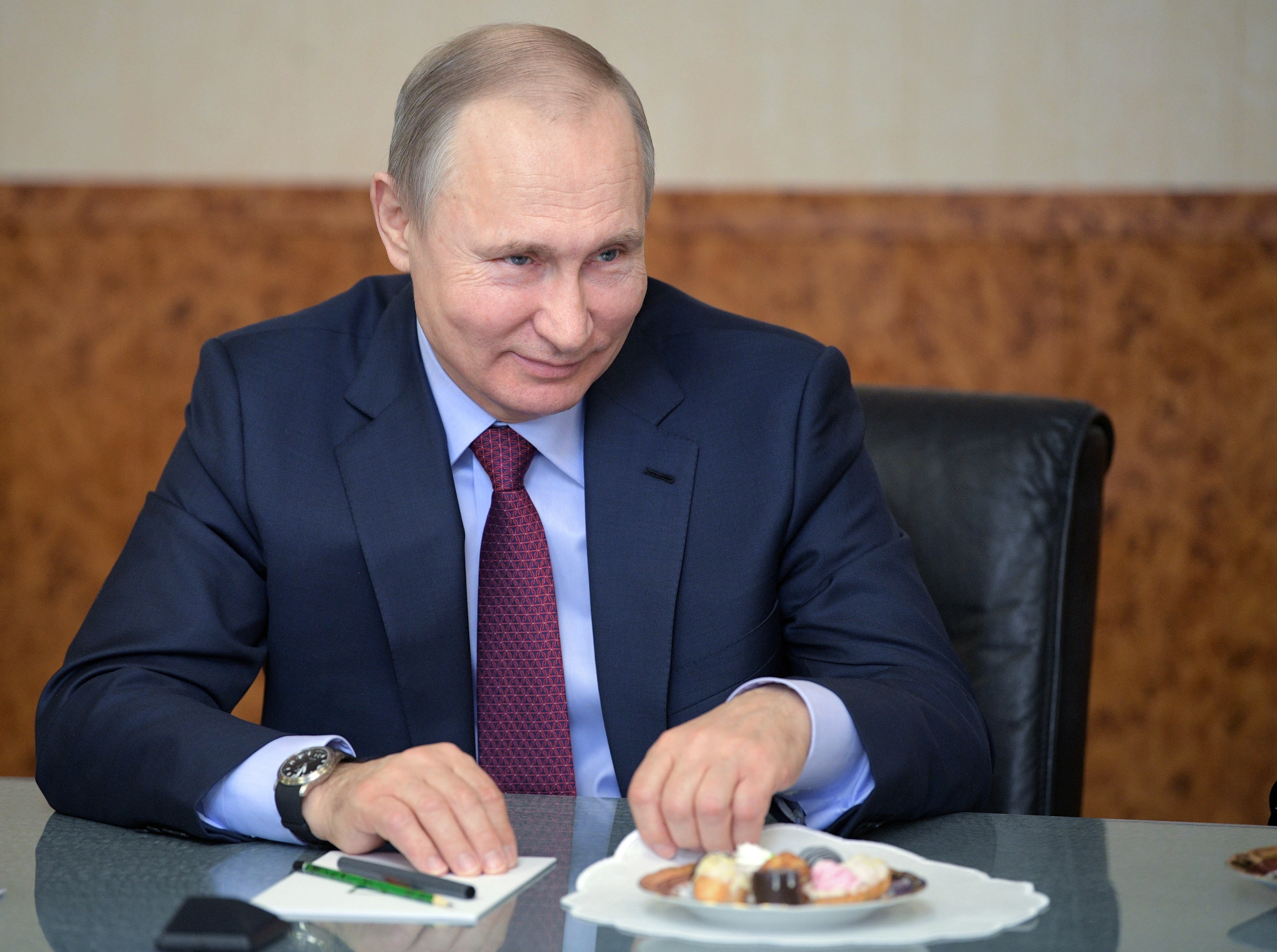
    Russian President Vladimir Putin, who is expected to easily win re-election Sunday, has denied his country was involved in election meddling.

    Moscow also denies involvement in the nerve-agent attack in Britain.

  • Donald Trump, South Korea prep for nuclear talks with the North

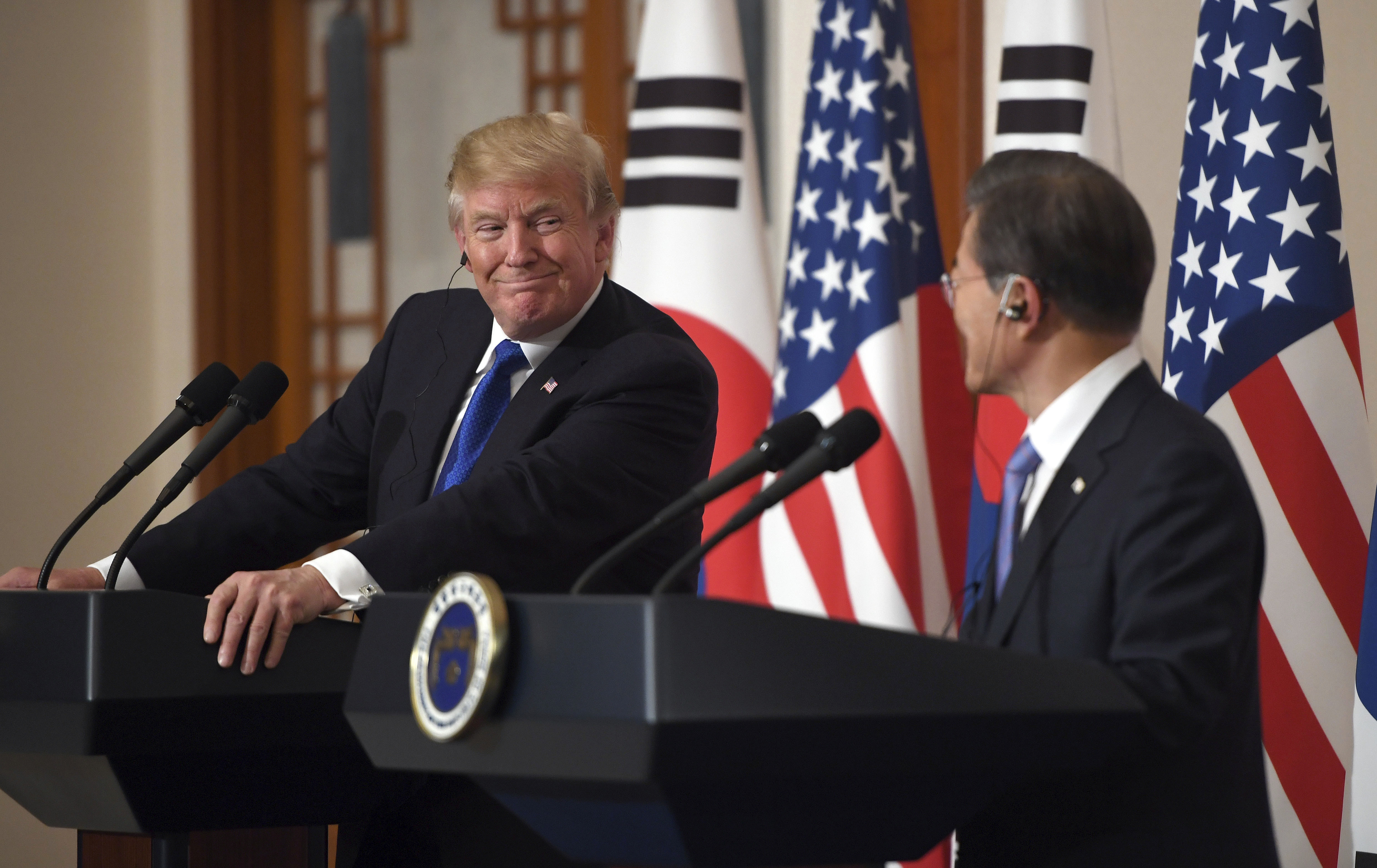
    President Trump spoke Friday with South Korea President Moon Jae-in about setting up denuclearization talks with the North, said the White House.

    President Trump spoke Friday with South Korea President Moon Jae-in about setting up denuclearization talks with the North, said the White House.

    Mr. Trump said he wants to hold the historic face-to-face talks with North Korea dictator Kim Jong-un before the end of May.

    “Both leaders affirmed the importance of learning from the mistakes of the past, and pledged continued, close coordination to maintain maximum pressure on the North Korean regime,” the White House said in a statement.

    Mr. Kim requested the talks, agreeing to cease nuclear weapons and missile tests, after severe economic sanctions were imposed on the Hermit Kingdom by the U.S. and other nations, including North Korea chief sponsor China.

    Mr. Trump has demanded North Korea demonstrate its willingness to stop nuclear test before opening talks, an issue that came up in the call Mr. Moon.

    “The two leaders agreed that concrete actions, not words, will be the key to achieving permanent denuclearization of the Korean Peninsula,” said the White House. “The two leaders expressed cautious optimism over recent developments and emphasized that a brighter future is available for North Korea, if it chooses the correct path.”

  • Obama aide started Christopher Steele-FBI Alliance

    A senior Obama State Department official gave the green light to an FBI agent in 2016 to meet with dossier writer Christopher Steele, a new book says.

    A senior Obama State Department official gave the green light to an FBI agent in 2016 to meet with dossier writer Christopher Steele, a new book says.

    The two met at Mr. Steele’s London office, touching off a relationship that would fuel the ongoing investigation into possible Donald Trump-Russia election collusion that shows no sign of ending.

    Mr. Steele’s sensational charge that prompted an FBI wiretap on Trump volunteer Carter Page was sourced to the girlfriend of an unidentified Kremlin figure, according to the book. Republicans have roundly criticized the bureau for relying on the unverified, Democratic Party-financed dossier to ask a judge to approve a year of surveillance in 2016 and 2017.

    John O. Brennan, Mr. Obama’s CIA director, worked behind the scenes before the election to get his suspicions about Trump and Russia into the news media.

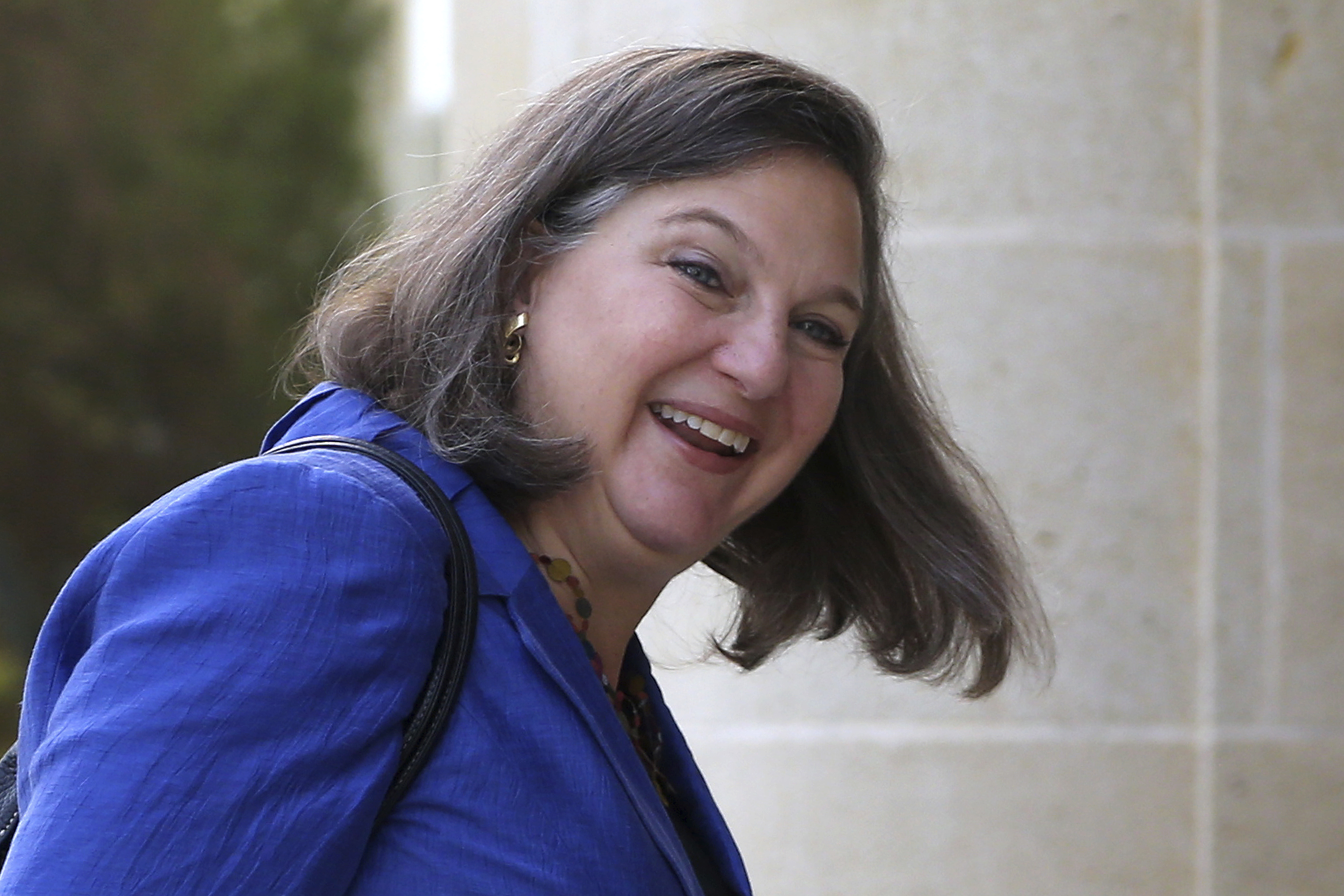
    These disclosures, including that Victoria Nuland, then at State, started the FBI-Steele marriage is contained in “Russian Roulette.” The book, which was released Tuesday, was authored by two longtime Washington media figures: Yahoo News reporter Michael Isikoff and Mother Jones magazine’s David Corn.

    Two committees, the House Permanent Select Committee on Intelligence and the Senate Judiciary Committee, are investigating how Obama officials promoted Mr. Steele’s 35-page dossier, which in essence is raw opposition research designed to destroy the Trump candidacy.

    Mr. Steele makes a series of criminal charges against Mr. Trump and his associates, contending there was an “extensive conspiracy” between them and the Kremlin. This supposed collusion has not been substantiated publicly. House intelligence committee Republicans on Monday said their 14-month investigation found no collusion and had ended.

    “Russian Roulette” shows Obama people played a role in promoting the collusion theory and getting law enforcement involved.

    Mr. Steele was excited over his findings about Mr. Trump’s supposed dalliance with Russian prostitutes and purported collusion with the Kremlin. He pressed his handler, Glenn Simpson of Fusion GPS, to let him go to the FBI.

    Mr. Simpson agreed. Mr. Steele telephoned Michael Gaeta, an FBI agent with whom he worked on soccer league corruption who was then stationed at the U.S. Embassy in Rome.

    “I can’t discuss it over the phone. You have to come here. Believe me, Mike, you have to come to London,” Mr. Steele told him that summer.

    Says “Russian Roulette,” “There were a few hoops Gaeta had to jump through. He was assigned to the U.S. embassy in Rome. The FBI checked with Victoria Nuland’s office at the State Department: Do you support this meeting? Nuland, having found Steele’s reports on Ukraine to have been generally credible, gave the green light.”

    “Within a few days, on July 5, Gaeta arrived and headed to Steele’s office near Victoria station. Steele handed him a copy of the report. Gaeta, a seasoned FBI agent, started to read. He turned white. For a while, Gaeta said nothing. Then he remarked, ‘I have to report this to headquarters.’”

    Ms. Nuland’s name surfaced in January as Senate investigators under Senate Judiciary Committee Chairman Chuck Grassley, Iowa Republican, turned up evidence that Mr. Steele met with another Obama State Department official, Jonathan Winer.

    He worked as a middleman to bring Mr. Steele together with Sidney Blumenthal, a fierce Hillary Clinton defender. Mr. Winer spoke with Ms. Nuland, who gave a heads-up to Secretary of State John F. Kerry.

    At the time, Ms. Nuland, a career diplomat, was assistant secretary of state for European and Eurasian affairs.

    She is now chief executive at the Center for a New American Security. A message to the press office was not returned.

    In the Page affair, Mr. Steele accused the energy investor of meeting with two Kremlin figures while in Moscow to deliver a public speech in July 2016. Mr. Steele said the three discussed bribes for sanctions relief.

    Mr. Page has testified under oath that he never met the two men or discussed bribes.

    Ms. Nuland was not the only Obama appointee working against the Trump candidate.

    Isikoff-Corn report that Mr. Brennan, who in retirement is one of Mr. Trump’s hardest critics, telephoned Senate Minority Leader Harry Reid, Nevada Democrat, in August 2016. He alerted him that Russia had hacked Democrat Party computers and suggested that the Trump campaign was in on the plot. This charge has not been substantiated more than a year later.

    Mr. Brennan’s call was to prompt Mr. Reid to expose the news publicly, which he did. His open letter referred, without name, to the Page trip, something right out of the dossier, which had not yet become public.

    The authors say the information likely came from the Clinton campaign, which had been briefed on Mr. Steele’s allegations. Mr. Steele was paid by Fusion with money from the Democratic National Committee and Hillary Clinton campaign. Republicans have called this collusion — using bought smut from Russian sources to inject into the campaign.

    “Russian Roulette” picks up many Democratic Party talking points.

    ⦁ Democrats are portrayed as truth-seekers while Trump people are awash in Russian contacts.

    ⦁ Mr. Steele’s sensational charges are repeated with not much skepticism.

    ⦁ Mr. Steele is possibly the most respected spy in recent British history.

    ⦁ The Trump transition team may have been violating the obscure 1799 Logan Act by conducting diplomacy. This charge was spun to reporters from the Obama Justice Department.

    As the Nov. 8 election lay days away, Mr. Simpson, who was desperate to get Steele’s anti-Trump narratives into the media, met with Mr. Corn over the former spy’s latest anti-Trump memo.

    ” ‘This stuff is almost unbelievable,’ Simpson said,” according to the book.

    Republicans today say Mr. Steele’s collusion allegations remain unbelievable. “Russian Roulette” neither confirms nor rebuts them.
  • Britain mulls hacking Russia in response to former spy’s poisoning

    Britain hasn’t ruled out conducting cyberattacks in retaliation for the recent poisoning of a former double agent and his daughter on U.K. soil, triggering a stern warning from Russia after Prime Mini

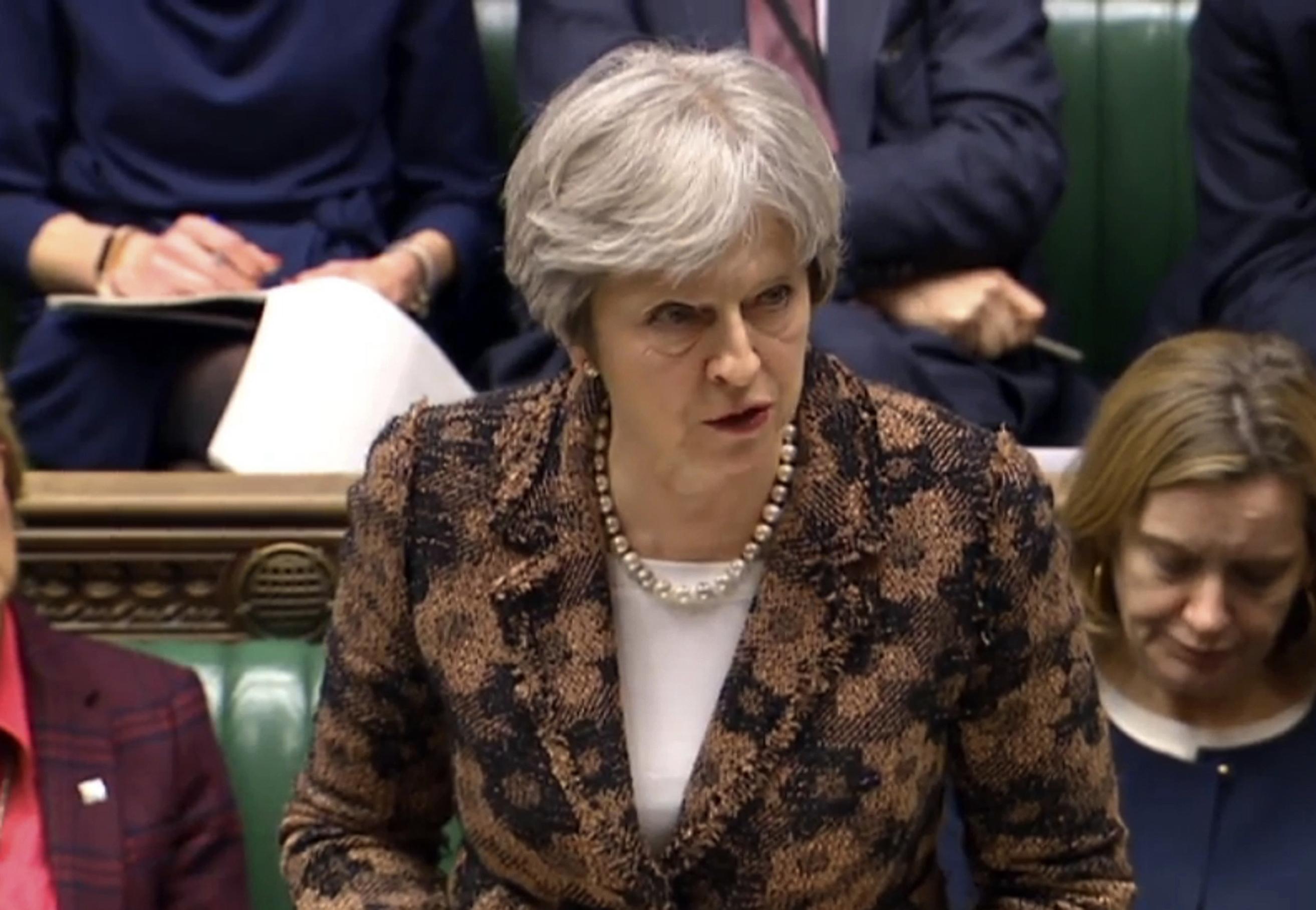
    Britain hasn’t ruled out conducting cyberattacks in retaliation for the recent poisoning of a former double agent and his daughter on U.K. soil, triggering a stern warning from Russia after Prime Minister Theresa May said Moscow was likely behind last week’s assassination attempt in the English city of Salisbury.

    “Not only is Russia groundlessly and provocatively accused of the Salisbury incident, but apparently, plans are being developed in the U.K. to strike Russia with cyber weapons,” Russia’s embassy in London said in a statement Tuesday.

    “Statements by a number of MPs, ‘Whitehall sources’ and ‘experts’ regarding a possible ‘deployment’ of ‘offensive cyber-capabilities’ cause serious concern,” the statement said. “We invite the British side to once again consider the consequences of such a reckless move.”

    Ms. May announced on Monday that Britain believed Russia was likely responsible for poisoning Sergei Skripal and his daughter Yulia, and that the U.K. will “take the full range of appropriate responses against those who would act against our country in this way.”

    “On Wednesday, we will consider in detail the response from the Russian State. Should there be no credible response, we will conclude that this action amounts to an unlawful use of force by the Russian State against the United Kingdom. And I will come back to this House and set out the full range of measures that we will take in response,” the Conservative Party leader told lawmakers.

    Addressing a question from a member of Parliament, Ms. May suggested cyberattacks could indeed be in the cards.

    “Can she confirm that if it is the conclusion of her majesty’s government that there was unlawful use of force by the Russian state, that we possess a considerable range of offensive cyber capabilities which we will not hesitate to deploy against that state if it is necessary to keep our country safe?” asked MP Mark Harper, a fellow Conservative.

    “We of course will look at responses across a number of areas of activity should it be, as he has said as I said in my statement, that we conclude that this action does amount to an unlawful use of force by the Russian state here in the U.K.,” Ms. May responded.

    The U.K.’s response could include hacking Russian targets including state-sponsored propaganda outlets and professional trolls linked to the Kremlin’s international meddling, British media reported citing unnamed sources.

    “Offensive cyber would be something in the arsenal. It would be considered or even likely” a government source told The Times of London.

    A former Russian intelligence colonel who later assisted British agents, Mr. Skripal and his daughter were discovered unconscious on a bench in Salisbury on March 4. Britain has since determined they were poisoned by a military-grade nerve agent developed by Russia, and Ms. May said Monday that Moscow was “highly likely” the culprit.

    “Russia is not guilty,” responded Sergei Lavrov, the Russian foreign ministry. “Russia is ready to cooperate according to the Chemical Weapons Convention, if Britain takes the trouble and condescends to carry out its international obligations according to the same document.”

    The U.K. Ministry of Defense warned in an unrelated announcement last week that Britain stands to wage cyberattacks if deemed necessary.

    Britain’s offensive cyber capabilities include the ability to retaliate after a cyberattack; the capability to deny, disrupt or degrade target communications or weapons systems; and capabilities to attack wider systems and infrastructure, according to a report released in December by the U.K. Parliament’s Intelligence and Security Committee.

    “Offensive cyber capabilities are usually highly tailored and system specific, as opposed to a one size fits all ‘cyber weapon,’” the report said.

    Russia, on its part, has been linked to an array of offensive cyber campaigns targeting the U.K and it’s allies, ranging from a wide-scale attack that debilitated Estonia in 2007, to the multi-pronged interference campaign waged against the 2016 U.S. presidential race and Democratic candidate Hillary Clinton.

    In the U.S., meanwhile, a bipartisan group of 14 senators wrote President Trump last week demanding he release a “cyber deterrence strategy” containing rules for responding to state-sponsored hackers.

    “Our adversaries need to understand the boundaries of what is acceptable in the cyber domain, as well as the circumstances under which we would utilize offensive capabilities to retaliate against cyberattacks,” the lawmakers wrote.

  • Russia’s ‘Satan 2’ missile ready for next test, top general says

    A top Russian general says its feared “Satan 2” missile is ready for a second round of testing.

    A top Russian general says its feared “Satan 2” missile is ready for a second round of testing.

    Russian General Valery Gerasimov told the nation’s state-run media this week that a follow-up to December’s testing of the RS-28 Sarmat “Satan 2” — a rocket with a  range of nearly 7,000 miles and the ability to carry about to 16 warheads — will happen in soon. He told TASS news agency that preparations for a “pop-up test” are in “full-swing.”

    “With a mass of more than 200 tonnes it has a shorter active phase of flight and better ability to penetrate missile defenses and can carry warheads of larger mass and enormous yield,” Gen. Gerasimov said Tuesday.

    SEE ALSO: Russian unveils ‘Satan 2’ missile, capable of wiping out area the size of France

    “Ejection,” or pop-up launches, test the mechanism of a missile leaving its launch container, The Diplomat noted Tuesday.

    “If its military abilities are real, which is what everybody expects, it’s quite a formidable weapon,” CNN senior international correspondent Matthew Chance said in 2016 when details regarding the rocket were unveiled. “It’s powerful enough to destroy a country — a single missile — the size of France. It’s a pretty awesome sort of missile, but hopefully it won’t ever be used.”

    Russian President Vladimir Putin claimed March 1 during a State of the Nation speech that “Satan 2” is capable of circumventing missile defense systems.

  • Donald Trump inches closer to blaming Russia for poisoning ex-spy in the U.K.

    President Trump said Tuesday that he was prepared to condemn Russia for the poisoning of a ex-British spy in the U.K., but he still wanted to have all the facts.

    President Trump said Tuesday that he was prepared to condemn Russia for the poisoning of a ex-British spy in the U.K., but he still wanted to have all the facts.

    A day earlier, the White House resisted blaming Russia for the attack despite British Prime Minister Theresa May saying it was “highly likely” that Moscow was behind the assassination attempt.

    “It sounds to me like it would be Russia based on all the evidence they have. I don’t know if they have come to a conclusion,” Mr. Trump said Tuesday.

    SEE ALSO: Trump ousts Tillerson, taps CIA Director Pompeo for State Dept.

    The president said that he planed to speak later in the day with Mrs. May.

    “As soon as we get the facts straight, if we agree with them, we will condemn Russia or whoever it may be,” Mr. Trump told reporters Tuesday.

    Former Russian intelligence officer Sergei Skripal, 66, and his daughter, Yulia Scribal, 33, were found collapsed on a city bench March 4 in Salisbury, England. They had been exposed to a military-grade nerve agents known as Novichok, according to British authorities.

    Mr. Skripal and his daughter remain in a critical but stable condition in the hospital.

    In 2004, Mr Skripal was convicted by the Russian government of spying for MI6. He was released to the U.K. in a spy swap in 2010.

    The White House resistance to blaming Russia was the final split between Mr. Trump and former Secretary of State Rex W. Tillerson, whose ouster was announced Monday.

    Mr. Tillerson said that Russia was “clearly” behind the poisoning.

  • Abdel-Fattah el-Sissi: Egypt hopes in Sinai Peninsula, troubled by swap talk

    Egyptians took to the streets last year to protest President Abdel-Fattah el-Sissi’s decision to give two strategically important Red Sea islands to Saudi Arabia.

    CAIRO — Egyptians took to the streets last year to protest President Abdel-Fattah el-Sissi’s decision to give two strategically important Red Sea islands to Saudi Arabia.

    But that protest — rare in a country where Mr. el-Sissi has clamped down on the political opposition — could pale in comparison with the backlash the government would face if Mr. el-Sissi agrees to a rumored American Arab-Israeli peace plan that would ask Cairo to give up some of the Sinai Peninsula as a new homeland for Palestinians. In turn, Palestinians would cede much of the West Bank to Israeli settlers.

    Naeem Gabr, 50, general coordinator of the North Sinai Tribes, bitterly rejects the proposed swap. His association represents 11 clans numbering about 400,000 people on the peninsula.

    “Sinai is the land of our ancestors,” he said. “Palestinian refugees can live in Jordan. That’s a solution that would not disturb or undermine the Egyptian side nor Sinai tribes.”

    The Sinai swap was one of the overlooked bits of reporting from journalist Michael Wolff’s White House insider tell-all book “Fire and Fury.” Most of the attention in the U.S. focused on domestic issues, tidbits about the backstage doings of the Trump administration, and the career self-immolation of former White House top adviser Steve Bannon for agreeing to talk to the author.

    But it was the Sinai passages that attracted all the attention in Egypt.

    Steeped in biblical history, strategically located between Cairo and Israel and divided between resorts on the sun-kissed south coast and Islamic State hideouts in the rugged interior, the Sinai Peninsula has become a battleground over the future of Egypt — whether or not Mr. Wolff’s account of a Trump peace plan is accurate.

    Mr. el-Sissi has launched a succession of military operations in the peninsula, which is roughly the size of West Virginia, with the aim of uprooting jihadi groups that have launched terrorist attacks against Egyptian security forces and Coptic Christians.

    Islamic State claimed responsibility for the October 2015 downing of a passenger jet taking off from Sharm el-Sheikh and bound for St. Petersburg, Russia. The attack in the Sinai resort town, which killed 224 people, gutted tourism, one of the Egyptian economy’s biggest foreign currency generators.

    The Egyptian military revealed late last week that 16 troops had been killed and 19 wounded since the broad-scale Sinai offensive was launched in February. The Associated Press, citing army spokesman Col. Tamer al-Rifai, reported that 105 militants had been killed and nearly 3,000 fighters detained.

    The jihadis’ penetration of Sinai led to a surge of coordination between Egyptian and Israeli militaries, including joint moves to destroy tunnels that the militants used to move men and supplies in and out of Hamas-controlled Gaza, as well as the deployments of Egyptian and Israeli fighter aircraft and drones against their common enemy.

    Despite an Egyptian-Israeli peace treaty dating back to the days of Anwar Sadat, direct cooperation with the Israelis remains controversial and the rumors have eroded Mr. el-Sissi’s support among Sinai’s 1.4 million inhabitants.

    “Hundreds of civilians have been killed, including men, women, children and even infants,” said Mohannad Sabry, a former Sinai resident and author of “Sinai: Egypt’s Linchpin, Gaza’s Lifeline, Israel’s Nightmare.” “Close to a dozen villages have been partially or fully destroyed by the military, and hundreds of thousands of productive trees, in farms owned by the locals, have been destroyed.”

    Reviving the economy

    Campaigning on his government’s investments in energy infrastructure and urban development, Mr. el-Sissi, a former army chief who first took power in a 2013 coup, is expected win re-election easily in the March 26-28 vote. In the face of criticism from human rights groups, many of the president’s best-known rivals have been blocked from running in the election.

    Sinai is crucial to Mr. el-Sissi’s plans to reinvigorate the economy. Egypt has deals with Israel and Cyprus that require a secure pipeline across the peninsula if the country is to capitalize on the 120 trillion cubic feet of gas discovered in the past decade in the eastern Mediterranean.

    Sinai residents killed a similar deal in January 2011, a month after the Tahrir Square revolution broke out in Cairo, by blowing up a pumping station in a El Arish. As a result, security in the region was called into question.

    Gila Gamliel, Israel’s minister of social equality, told Israel National News that she would prefer putting a Palestinian state in Sinai rather than squeezing one between Israel and Jordan, as Mr. Wolff describes in his book. She is responsible for the more than 200,000 Bedouin in Israel.

    “If it becomes clear that there is no alternative but to establish an actual Palestinian state, then this would be a regional problem, not just Israel’s,” Ms. Gamliel said in the Nov. 9 interview. “It is appropriate that parts of the Arab countries, such as the Sinai Peninsula, should be considered.”

    Israel has good reason to be concerned about Sinai.

    Radicalized Muslim Brotherhood supporters fled to the El Arish area after then-Gen. el-Sissi ousted Islamist President Mohammed Morsi in 2013. They found a place among the Bedouin and a mixed population of Egyptians and Palestinian refugees clustered along the coastal area bordering Hamas-controlled Gaza.

    The government’s military crackdown in the peninsula initially helped the Islamic State recruit supporters there.

    “The lack of real development in Sinai helped ISIS expand and establish a foothold recruiting citizens due to the marginalization they suffered along the years,” Mr. Gabr said.

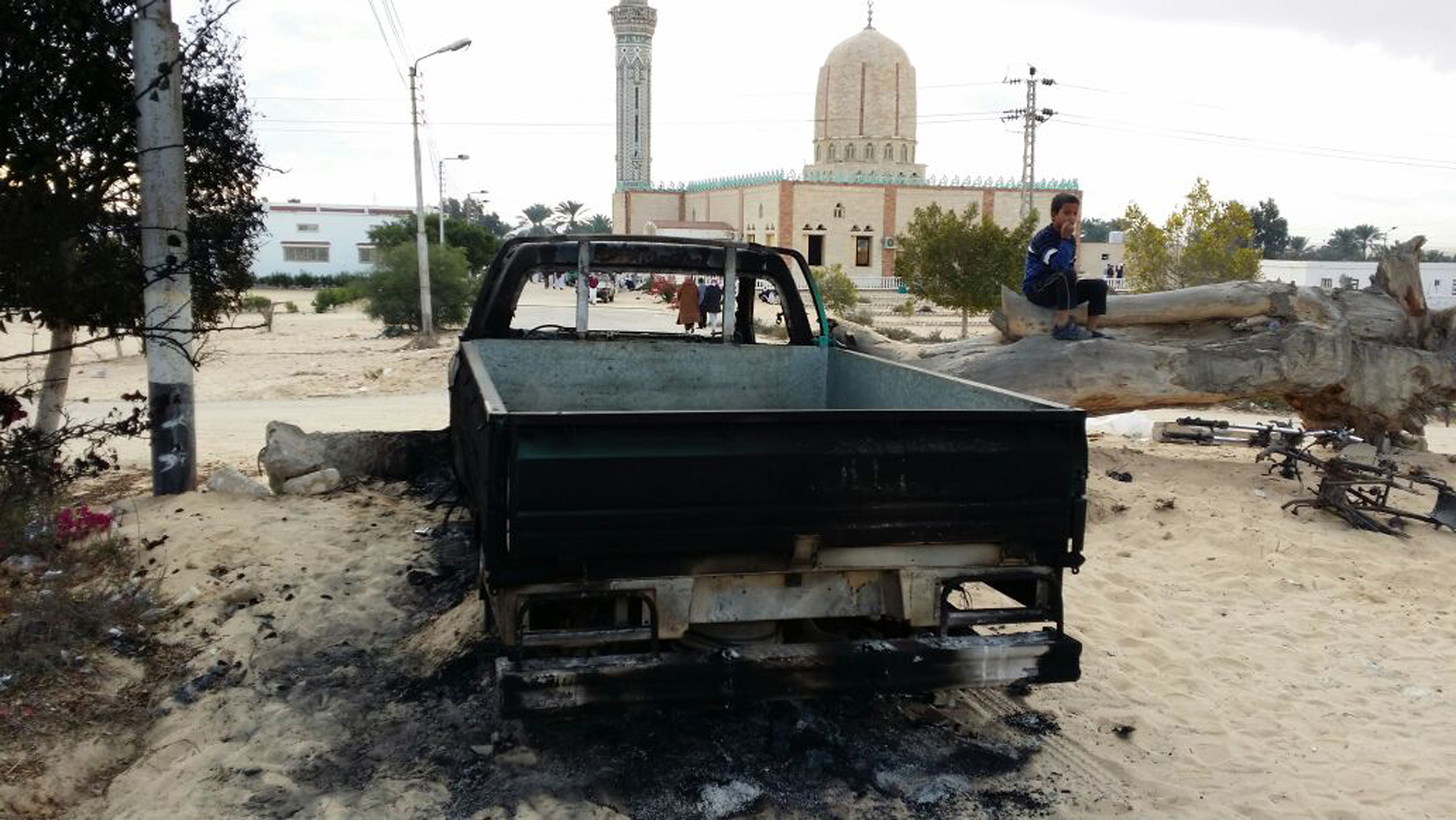
    But a deadly Islamic State attack on a mosque in the northern Sinai town of Al Rawda late last year damaged the group’s standing in the community.

    “We will not be consoled until each murderer in Sinai is eliminated, and no mercy will be shown,” said Eissa El Kareen, an elder in the El Romylat tribe who lost dozens of brothers and cousins in the massacre.

    The incident spurred Mr. el-Sissi to launch more military strikes in the region. “This attack will do nothing but make us stronger and more persistent in our effort to combat terrorism,” he said in public remarks after the unprecedented killings of 305 mostly Bedouin Muslim worshippers.

    Egypt could hardly hand over part of Sinai after such statements, said Tarek Fahmy, a professor who leads the political and strategic unit at the National Center for Middle East Studies in Cairo.

    “President el-Sissi … will not reclaim Sinai in order to leave it,” Mr. Fahmy said. “The idea is not an acceptable one for the Egyptian leadership.”