Blog

  • Latest lava flow destroys 4 homes, sparks evacuation prep

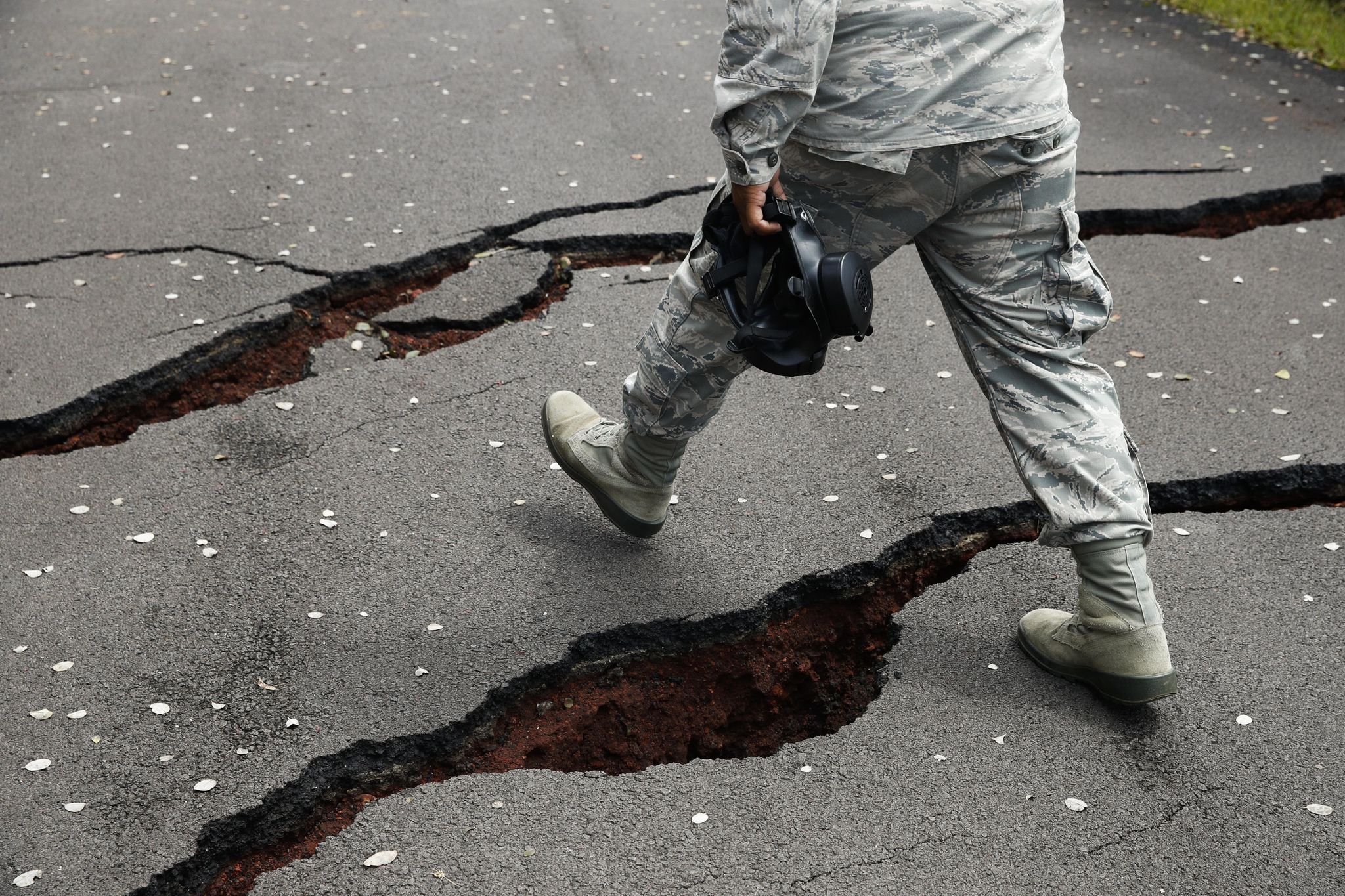
    Lava creeping across roadways destroyed four homes and left dozens of others in the shadow of Hawaii’s Kilauea volcano isolated Saturday, forcing more residents to plan for a possible evacuation.

    PAHOA, Hawaii (AP) — Lava creeping across roadways destroyed four homes and left dozens of others in the shadow of Hawaii’s Kilauea volcano isolated Saturday, forcing more residents to plan for a possible evacuation.

    Hawaii County Civil Defense said a fissure near the neighborhood of Lanipuna Gardens has been continuously erupting, releasing a slow-moving lava flow. If that lava threatens a nearby highway, more people will be told to prepare for voluntary evacuation.

    On Friday, fast-moving lava crossed a road and isolated about 40 homes in a rural subdivision, forcing at least four people to be evacuated by county and National Guard helicopters.

    Police, firefighters and National Guard troops were securing the area of the Big Island and stopping people from entering, Hawaii County Civil Defense reported. The homes were isolated in the area east of Lanipuna Gardens and Leilani Estates. Both neighborhoods had 40 structures, including 26 homes, decimated by lava over the past two weeks.

    Officials said three people were still in that area but not in imminent danger. They were advised to shelter in place and await rescue by helicopter first thing Saturday.

    County officials have been encouraging residents in the district to prepare for potential evacuations.

    Edwin Montoya, who lives with his daughter on her farm near the site where lava crossed the road and cut off access, said he was at the property earlier in the day to get valuables.

    “I think I’m lucky because we went there this morning and we got all the batteries out, and all the solar panels out, about $4,000 worth of equipment,” he said. “They have to evacuate the people that are trapped up there right now in the same place that we were taking pictures this morning.”

    He said no one was on his property, but his neighbor had someone on his land.

    “I know that the farm right next to my farm . he’s got somebody there taking care of the premises, I know he’s trapped,” Montoya said.

    Montoya said the fissure that poured lava across the road opened and grew quickly.

    “It was just a little crack in the ground, with a little lava coming out,” he said. “Now it’s a big crater that opened up where the small little crack in the ground was.”

    Experts are uncertain about when the volcano will calm down.

    The Big Island volcano released a small explosion at its summit just before midnight Saturday, sending an ash cloud 10,000 feet (3,048 meters) into the sky. The U.S. Geological Survey’s Hawaiian Volcano Observatory said eruptions that create even minor amounts of ashfall could occur at any time.

    This follows the more explosive eruption Thursday, which emitted ash and rocks thousands of feet into the sky. No one was injured and there were no reports of damaged property.

    Scientists said the eruption was the most powerful in recent days, though it probably lasted only a few minutes.

    It came two weeks after the volcano began sending lava flows into neighborhoods 25 miles (40 kilometers) to the east of the summit.

    A new lava vent – the 22nd such fissure – was reported Friday by county civil defense officials.

    Several open fissure vents are still producing lava splatter and flow in evacuated areas. Gas is also pouring from the vents, cloaking homes and trees in smoke.

    The fresher, hotter magma will allow faster lava flows that can potentially cover more area, said Janet Babb, a geologist with the Hawaiian Volcano Observatory.

    Much of the lava that has emerged so far may have been underground for decades, perhaps since a 1955 eruption.

    Meanwhile, more explosive eruptions from the summit are possible.

    “We have no way of knowing whether this is really the beginning or toward the end of this eruption,” said Tom Shea, a volcanologist at the University of Hawaii. “We’re kind of all right now in this world of uncertainty.”

    It’s nearly impossible to determine when a volcano will stop erupting, “because the processes driving that fall below the surface and we can’t see them.” said volcanologist Janine Krippner of Concord University in West Virginia.

    U.S. government scientists, however, are trying to pin down those signals “so we have a little better warning,” said Wendy Stovall, a volcanologist with the observatory.

    Thus far, Krippner noted, authorities have been able to forecast volcanic activity early enough to usher people to safety.

    The greatest ongoing hazard stems from the lava flows and the hot, toxic gases spewing from open fissure vents close to homes and critical infrastructure, said Charles Mandeville of the U.S. Geological Survey’s volcano hazards program.

    Authorities have been measuring gases, including sulfur dioxide, rising in little puffs from open vents.

    The area affected by lava and ash is small compared to the Big Island, which is about 4,000 square miles. Most of the island and the rest of the Hawaiian chain is unaffected by the volcanic activity on Kilauea.

    State and local officials have been reminding tourists that flights in and out of the entire state, including the Big Island, have not been impacted. Even on the Big Island, most tourist activities are still available and businesses are open.

    ___

    Associated Press journalists Jae Hong and Marco Garcia in Pahoa, Sophia Yan, Jennifer Kelleher and Audrey McAvoy in Honolulu, Becky Bohrer in Juneau, Alaska, Seth Borenstein in Washington, D.C., and Alina Hartounian in Phoenix contributed to this report.

  • After Texas shooting, Ted Nugent wants armed security ‘at every entrance of every school in America’

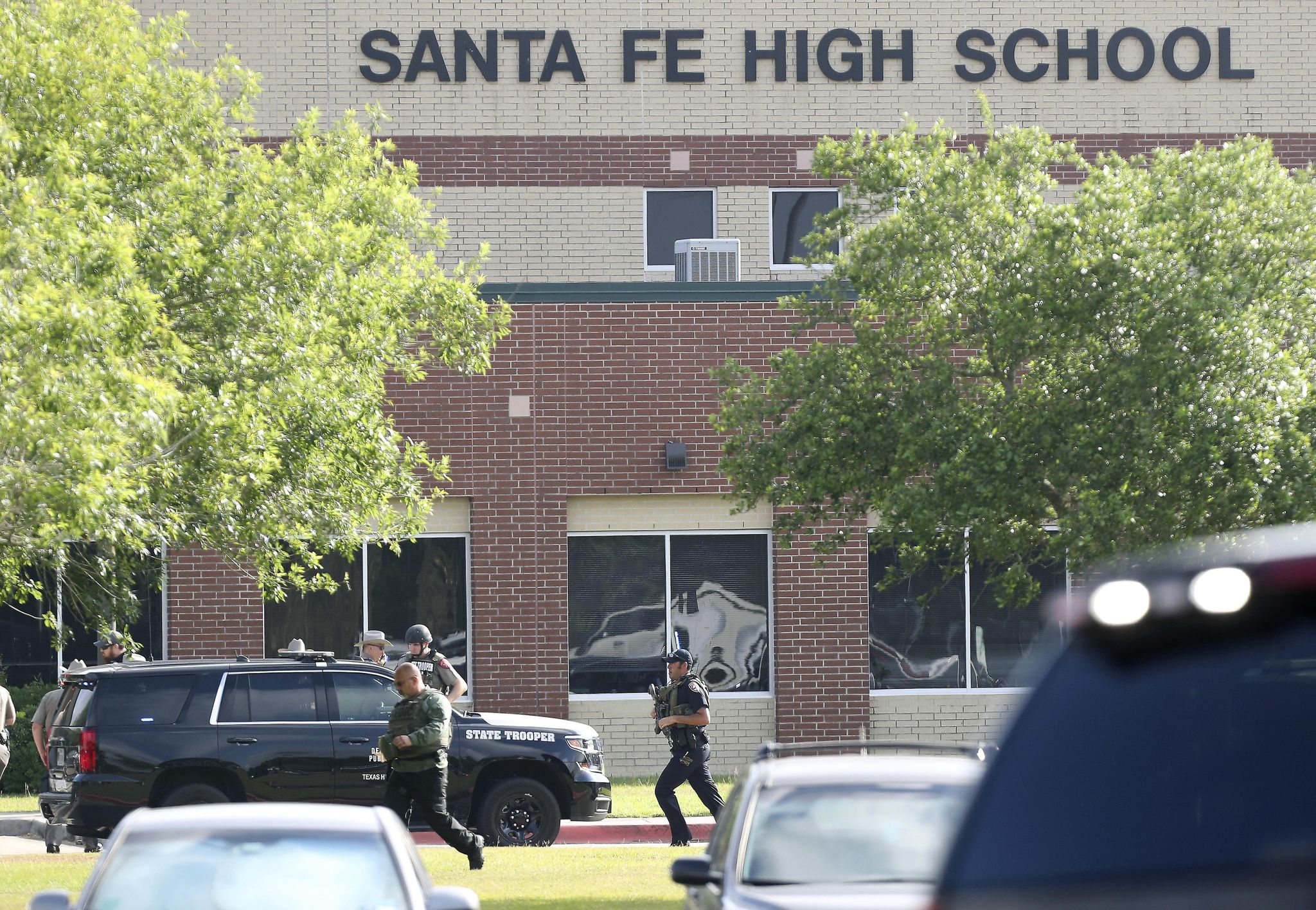
    National Rifle Association board member Ted Nugent endorsed stationing armed security at “every entrance of every school in America” after 10 people were shot dead Friday at Santa Fe High School near

    National Rifle Association board member Ted Nugent endorsed stationing armed security at “every entrance of every school in America” after 10 people were shot dead Friday at Santa Fe High School near Houston, Texas.

    The rock guitarist and adamant Second Amendment defender called for arming school personnel across the country during an interview with right-wing media personality Alex Jones conducted following Friday’s mass shooting in Galveston County.

    “If we want to stop the slaughter of innocents, one armed security guard for 1,400 students will not cut it,” said Mr. Nugent, an NRA board of directors member since 1995. “You’ve got to have armed security at our schools like we do banks and the airports and at sporting events and racetracks. We have to have an armed, prepared, trained security individual, preferably undercover without a uniform on, at every entrance of every school in America.”

    SEE ALSO: At least 10 killed in Texas school shooting; gunman in custody

    Vetted school officials could easily double as armed security personnel, added Mr. Nugent, 69.

    “I know there are parents and teachers and administrators and janitors and coaches out there that not only are ready, willing and able to be armed to stop evil perpetrators,” Mr. Nugent continued, “but they already have concealed weapons permits, but they’re invalid in those arenas where they’re the most desperately needed.”

    “It’s not like we’re pulling this out of our ass. The evidence is irrefutable. If you are unarmed and helpless, you are unarmed and helpless,” said Mr. Nugent. “What a tragic, irresponsible, embarrassing condition to allow yourself to become.”

    Ten people were killed and another ten injured after a gunman opened fire at the high school Friday morning, according to authorities.

    Police have arrested the suspected shooter, Santa Fe student Dimitrios Pagourtzis, 17, and charged him late Friday with capital murder of multiple persons and aggravated assault against a public servant. Dimitrios confessed to the shootings, according to authorities, and is being held without bond.

    Dimitrios opened fire armed with a shotgun and a .38-caliber owned by his father, Texas Gov. Greg Abbott said at a news conference.

    According to Mr. Nugent, however, the specific weaponry involved wasn’t a factor in Friday’s massacre.

    “Once again, this is not about hardware — it’s about heart-ware; it’s about spirit,” Mr. Nugent told Mr. Jones. “This is a manifestation of a cultural deprivation of the abandonment of accountability and discipline in our world.”

    “This is an issue of sick, twisted freaks,” reacted Mr. Jones.

  • Texas shooting renews debate about American school design

    Just hours after the nation’s latest school shooting, the debate began anew: Are American schools built in a way that makes them easy targets? Are there too many windows, too many entrances and exits

    Just hours after the nation’s latest school shooting, the debate began anew: Are American schools built in a way that makes them easy targets? Are there too many windows, too many entrances and exits and too few security features?

    The questions expose yet another divide, with Second Amendment activists and some security experts calling for safer school designs and some gun-control advocates saying it’s a distracting side issue that avoids more meaningful action.

    The debate began after the 1999 mass shooting at Columbine High School in Colorado and gained more attention in the aftermath of the 2012 shooting at Sandy Hook Elementary School in Newtown, Connecticut. On Friday, in the hours after a student shot and killed 10 people at a high school in Santa Fe, Texas, the state’s lieutenant governor suggested again that it was time to examine school layouts.

    “There are too many entrances and too many exits to our over 8,000 campuses in Texas,” Lt. Gov. Dan Patrick said, explaining that those points can’t all be guarded.

    Gun-rights activists, led by the National Rifle Association, have pushed for a “hardening” of schools, including training and arming educators and even keeping shrubbery and landscaping farther away from school buildings so there are fewer blocked viewpoints. Reducing the number of entrances is considered another way to prevent shooters from getting inside undetected.

    According to a report last year in Education Week, a trade publication, the average age of an American school is 44 years with major renovations dating back more than a decade. Older buildings were designed without today’s worries of active shooters and terrorism.

    They have lots of “nooks and crannies,” isolated areas that are difficult to supervise, as well as old hardware on classroom doors and main offices that aren’t located near the main entrance. Other problems include old public-address systems and no telephones in classrooms, said Kenneth Trump, president of the National School Safety and Security Services, a Cleveland-based consulting firm.

    When it comes to designing schools, educational considerations create some natural tension with security needs. Studying in places with lots of light, for example, is thought to improve learning. That was the philosophy behind one school constructed just last year with floor-to-ceiling windows, Trump said. But those same windows could make students and staff easy targets for a gunman.

    He agrees that a large number of entrances can make a school vulnerable. More doors bring a greater risk that someone will prop one open or that mechanical issues will prevent a door from being closed or locked. It’s also harder to monitor who is coming and going.

    And even if a front entrance is fortified with security systems, there are usually other ways in, such as the cafeteria where food deliveries are made or the gym.

    Still, Trump said, no amount of architectural planning or design will replace mental health treatment, emergency drills and training and the ability to identify potential school shooters ahead of time.

    It’s simplistic to think that layouts and building features alone will make schools safer, he said, and politically expedient to tout only architectural design and construction.

    Focusing solely on exits and entrances can create a host of other issues, cautioned Gregory Shaffer, a security consultant and retired FBI agent.

    Having metal detectors at the entrance creates long lines, which means schools have to start earlier and hire more staff to screen students. “And if you have long lines going into the school, that makes it a target as well. That is a shooter’s ideal location,” he said.

    For gun-control advocates, it’s galling to focus on structural issues. They see frequent school shootings as evidence of the nation’s unwillingness to take other steps to stop gun violence.

    “I often find that the discussion of how to do it is really a smoke screen,” said David Chipman, formerly of the Bureau of Alcohol, Tobacco, Firearms and Explosives and now a senior policy adviser with the gun safety organization founded by former Rep. Gabby Giffords, who was gravely wounded in a shooting in 2012. “How to do it isn’t really the issue. It’s do we want to do it and are we willing to pay the money.”

    After the 9/11 terror attacks, the United States took steps to secure government and public buildings – from airports to concert halls. It’s routine now to go through a metal detector before entering. Yet those same steps aren’t common in public schools, making them, he said, more dangerous than prisons.

    “There are some places that we’ve decided as a nation that we will not allow violence to ever occur,” Chipman said. “But school is not one of them yet.”

  • President Trump demands DOJ give informant documents to Congress

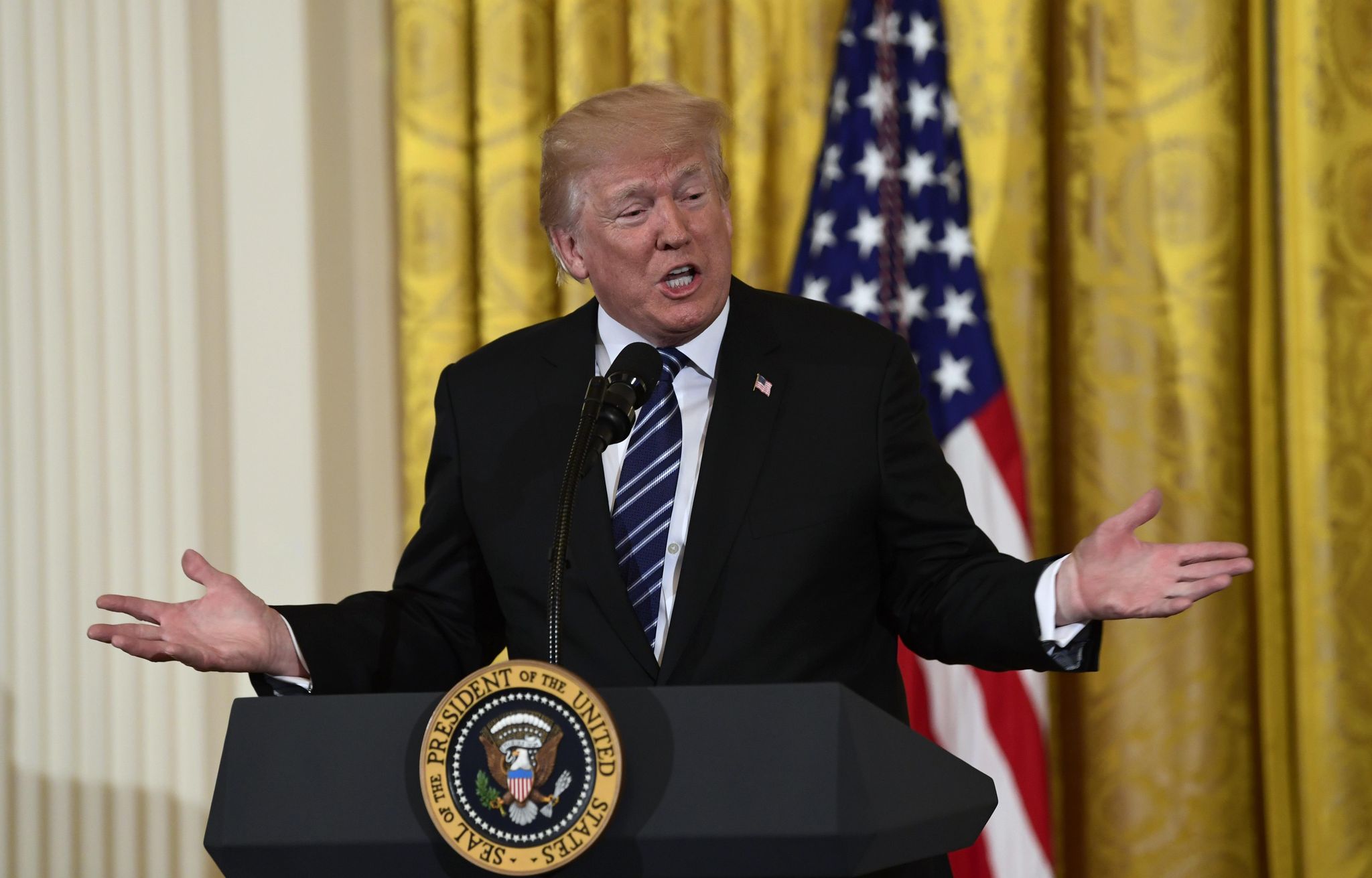
    President Donald Trump late Saturday demanded Justice Department give members of Congress the documents related to an FBI informant who had contacted campaign officials during the 2016 election.

    President Donald Trump late Saturday demanded Justice Department give members of Congress the documents related to an FBI informant who had contacted campaign officials during the 2016 election.

    “If the FBI or DOJ was infiltrating a campaign for the benefit of another campaign, that is a really big deal,” Mr. Trump Tweeted. “Only the release or review of documents that the House Intelligence Committee (also, Senate Judiciary) is asking for can give the conclusive answers. Drain the Swamp!”

    The tweet references allegations that have been circulating among Republicans and conservative media outlets that an FBI informant was planted into the campaign as part of the Russian collusion investigation.

    It is also the latest Tweet from Trump calling upon Justice Department to give Congress documents related to the Russian probe.

    Lawmakers had requested the documents related to the Russia investigation – which could include details about the FBI informant, – several months ago, but the Justice Department continues to stall. Earlier this month, House Intelligence Committee Chairman Devin Nunes, Republican California, threatened to hold Attorney General Jeff Sessions in contempt if the documents are turned over.

    On Friday, multiple media outlets reported an FBI informant met with Trump campaign officials George Papadopoulos and Carter Page regarding their alleged Russia Times. The Washington Post reported the informant also met with Trump co-chairman Sam Clovis.

    The New York Times said the informant was “an American academic who teaches in Britain,” but said it would not name the person to “preserve their safety.” In addition, CNN reported the informant has been an FBI and CIA source “for years.”

    Justice Department and FBI officials have maintained that turning over the documents to Mr. Nunes would put the informant’s life in danger.

    Mr. Trump said earlier this month that he could force the Justice Department to provide lawmakers with the documents

    “A Rigged System – They don’t want to turn over Documents to Congress,” Trump tweeted. “What are they afraid of? Why so much redacting? Why such unequal “justice?” At some point, I will have no choice but to use the powers granted to the Presidency and get involved!”

    Rudy Giuliani, who is serving as the president’s attorney, told CNN Friday morning that he didn’t know for sure if the FBI had embedded an informant in the Trump campaign.

    “Here’s the issue that I really feel strongly about with this informant, if there is one. First of all, I don’t know for sure, nor does the President, if there really was. We’re told that,” the former New York City mayor told CNN’s Chris Cuomo on “New Day,” without providing details on the source for that information other than to hint some are “gone from the FBI.”

  • Cory Gardner pushes to give police officers new body armor

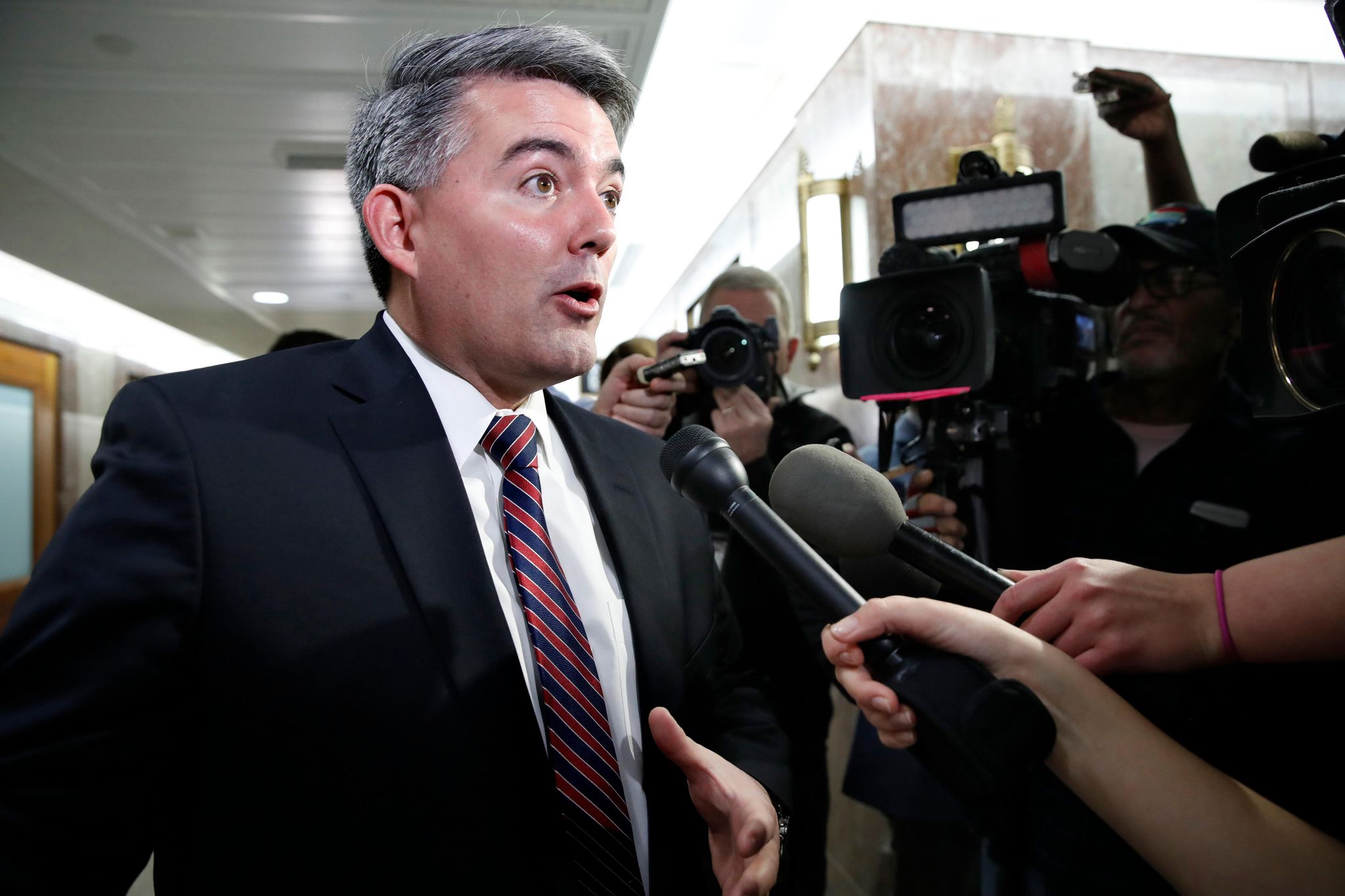
    Sen. Cory Gardner introduced a new proposal to give every law enforcement officer body armor strong enough to absorb shots from a rifle.

    Sen. Cory Gardner introduced a new proposal to give every law enforcement officer body armor strong enough to absorb shots from a rifle.

    “Most have vests, but not the right kind,” Mr. Gardner, Colorado Republican, said on Fox News.

    He said that a stronger type of body armor may have saved the fallen officer killed in his state in the past week. Four officers were ambushed after responding to an incident, leaving one policeman and wounding three others.

    “This would equip our officers with type III body armor that’s good for rifles. Some of the things that could’ve protected the officers in Colorado,” Mr. Gardner said.

    Most officers currently have a type of armor, but it’s not as strong as type III, or has been worn down. The senator acknowledged that the new protective gear would be more expensive, but said that he thinks it’s an expense worth making.

    “This is going to be expensive there’s no doubt about it, but this country sent $1.7 billion to Iran. I think we can find $1 billion to back the blue,” he said.

  • Rudy Giuliani: Jeff Sessions could have prevented a special counsel investigation

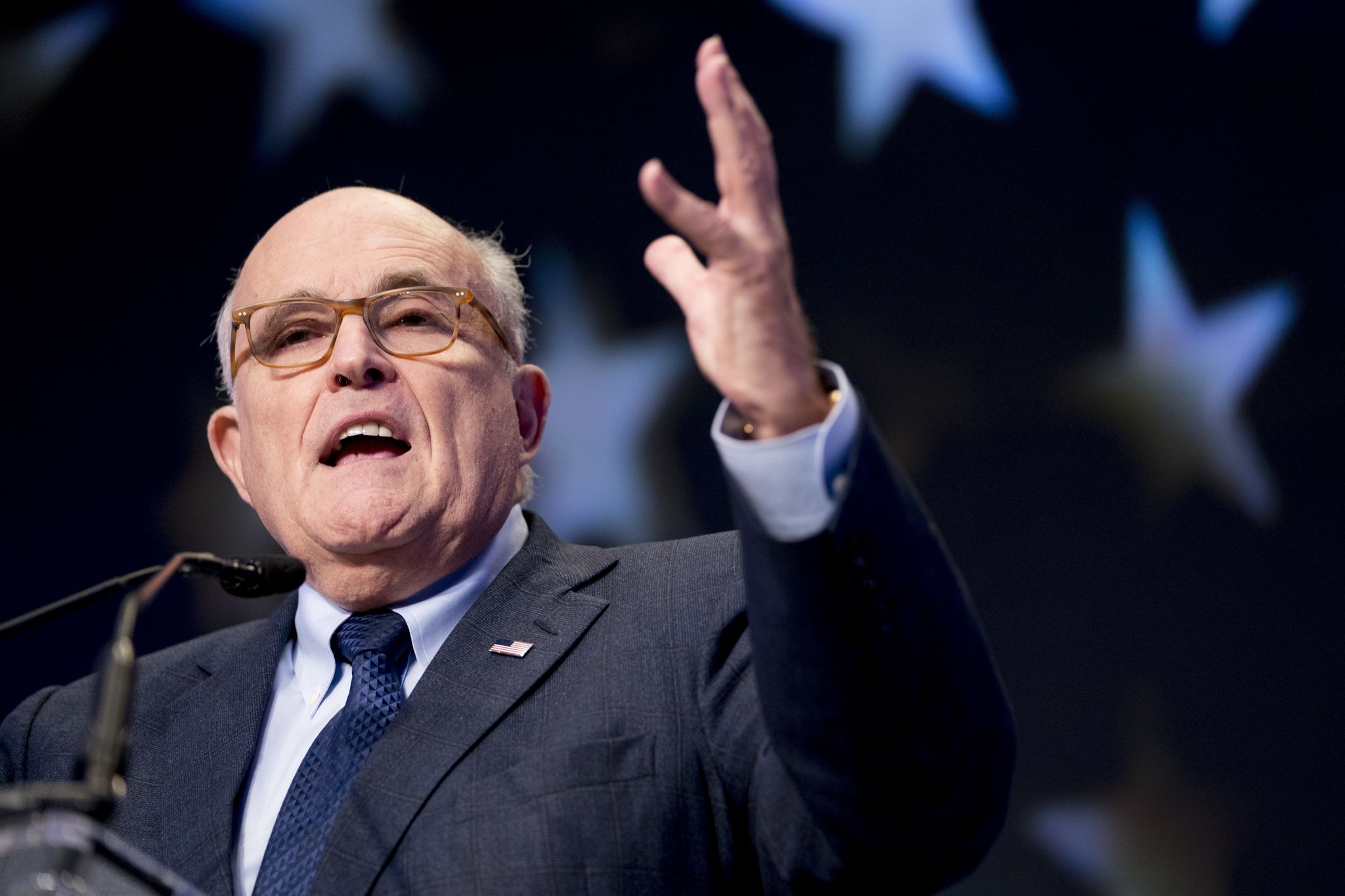
    Trump lawyer Rudy Giuliani said Friday that Attorney General Jeff Sessions could have prevented a special counsel investigation, attributing that as the reason President Trump remains upset with him.

    Trump lawyer Rudolph W. Giuliani said Friday that Attorney General Jeff Sessions could have prevented a special counsel investigation, attributing that as the reason President Trump remains upset with him.

    “What Jeff Sessions has done to him is stick him with a special counsel because he didn’t step up and say, ‘I can make this decision.’ Stick him with a special counsel, that has now $20 million later, has come up with nothing,” Mr. Giuliani said on CNN.

    He said there is no need for a special counsel investigation into collusion claims between the Trump campaign and Russia. Mr. Giuliani argued that Mr. Sessions’ recusal triggered the need for an outside counsel in the case and damaged the Justice Department’s ability to handle the investigation.

    SEE ALSO: EXCLUSIVE: Mueller agrees to narrow scope of questions in bid to interview Trump

    “Nobody else in the Justice Department is recused because Sessions is recused,” Mr. Giuliani said.

    He also stood by his previous statements that Mr. Trump should not testify in the case saying special counsel Robert Mueller’s team will try to trap the president.

    “Explain to me why they even need to interview the president if it isn’t to try and trap him into perjury,” Mr. Giuliani said.

    The former New York City mayor has also said that he does not believe Mr. Mueller’s team will indict Mr. Trump.

  • Robert Mueller agrees to narrow scope of questions in bid to interview Donald Trump

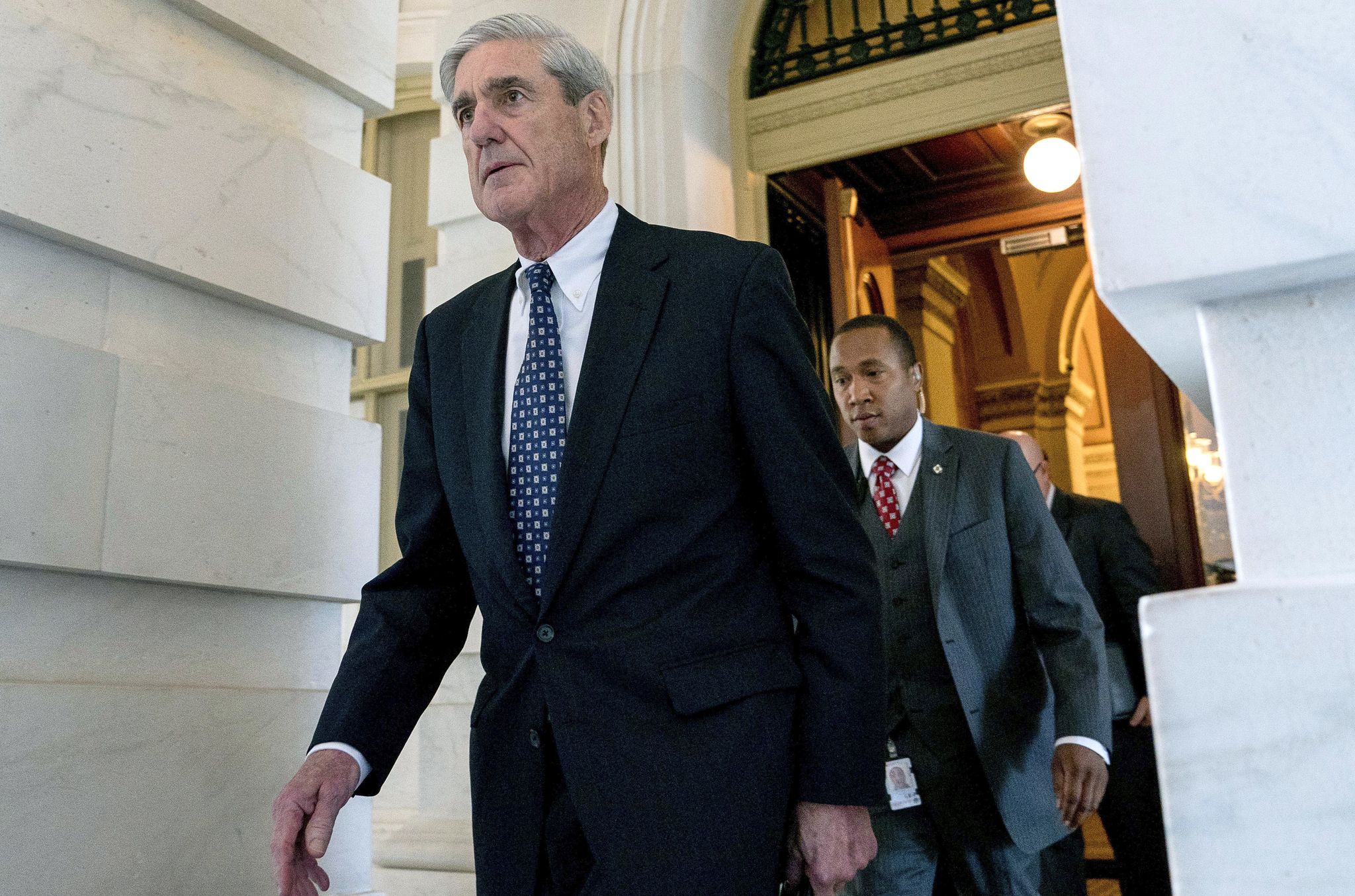
    Rudy Giuliani, President Trump’s lawyer, says that special counsel Robert Mueller has agreed to avoid a “fishing” expedition by narrowing the subject of questions in an effort to get the president to

    Rudolph W. Giuliani, President Trump’s attorney, says special counsel Robert Mueller has agreed to avoid a “fishing” expedition by narrowing the subject of questions in an effort to get the president to submit to an interview with the prosecutor.

    Mr. Giuliani also says he thinks fired FBI Director James B. Comey is “not going to be worth anything as a witness” and thus less a threat to the president.

    Mr. Giuliani told The Washington Times that Mr. Mueller’s team displayed a good-faith effort during a Wednesday meeting that might result in an interview in July and a final Mueller report by Labor Day.

    SEE ALSO: Robert Mueller files unredacted copy of Russia investigation memo in Manafort case

    “He’s eliminated a lot of subjects that would have indicated he was fishing,” Mr. Giuliani told The Times on Thursday. “He’s eliminated those, and he’s into a much more relevant area where we know the answers and we know the answers really can’t be effectively contradicted.”

    He declined to specify what topics have been dropped.

    He has contended from the start that there is no evidence of Trump collusion in Russian election interference. The other two major topics: whether the president somehow obstructed justice in the firing of Mr. Comey, a Mueller friend, and whether he might commit perjury in answering questions under oath.

    SEE ALSO: Giuliani eviscerates Comey, says ex-FBI boss won’t be ‘worth anything’ as witness

    Mr. Giuliani is a longtime Trump friend who was brought in to try to bring an end to Mr. Mueller’s inquiry. He said a final agreement on testifying would include the subjects; an exchange of questions and any Trump objections; a place and time; and a schedule for a final report.

    “What I’m telling you, none has been agreed to,” he said, putting the chance of an interview at 50-50. He said he could agree to a two- to three-hour interview.

    On perjury, the issue would be Mr. Comey’s word in contemporaneous memos he wrote of discussions with the president versus Mr. Trump’s recollection.

    Mr. Comey leaked his memos to the press with the express purpose of prompting the appointment of a special counsel. Deputy Attorney General Rod Rosenstein complied.

    Mr. Comey said Mr. Trump urged him to end an investigation into retired Army Lt. Gen. Michael Flynn, his brief national security adviser. Mr. Trump said he did not.

    Mr. Giuliani said Mr. Comey has revealed himself to be a leaker of confidential material.

    He also believes Mr. Comey’s credibility will be damaged by an upcoming report by Justice Department Inspector General Michael Horowitz on how the director handled the Hillary Clinton email investigation.

    “We don’t have a problem with him under oath,” Mr. Giuliani said. “What we have a problem is they’re using somebody else as the arbiter of truth, like Comey. We think when Horowitz gets finished with him he’s not going to be worth anything as a witness.”

    Mr. Giuliani said he wants Mr. Mueller to “show a realistic attitude toward the guy I think was going to be their chief witness, Comey, who is falling apart in front of us.”

    Asked whether Mr. Mueller’s team believes they have evidence of collusion, Mr. Giuliani said, “Actually, when you press them really hard, they say they can put this together and that together. But do they have any hard evidence of it? Do they have evidence that could be sustained in some kind of a proceeding? No.”

    Asked about Mr. Mueller’s strategy, Mr. Giuliani said:

    “I think they are relying more on obstruction and they wish perjury from their point of view than they are on collusion with the Russians. I think every time they’ve gone up the collusion alley it’s gone nowhere. That becomes the biggest obstacle to our testifying. Why are we going to get them to use the president’s word against himself? He’s already given all the explanations that they need to make a decision in his public comments. His comments under oath are not going to be materially different than this public comments. And if they would be we would tell them that. ‘On further reflection, he remembers this and that.’ So far, there haven’t been too many further reflections.”

    Mr. Giuliani said the Mueller team understands that Mr. Trump could not sit for questioning before the proposed summit with North Korea on June 12.

    “Of course Mueller agrees with that,” he said. “I think he’s anxious to wrap up because he’s become a bit of a target now. He realized he would get nowhere if he tried to do it now. We couldn’t prepare. He couldn’t force him if he went to court. It might jeopardize his ability to question him at all.”

    Mr. Giuliani previously said one agreement he procured is that Mr. Mueller agrees he cannot legally indict the president.

  • Donald Trump stands by calling MS-13 ‘animals’

    President Trump said Friday that he was referring to MS-13 gang members as “animals” and not illegal immigrants as a whole in comments he made earlier this week.

    President Trump said Friday that he was referring to MS-13 gang members as “animals” and not illegal immigrants as a whole in comments he made earlier this week.

    “Fake News Media had me calling Immigrants, or Illegal Immigrants, ‘Animals.’ Wrong! They were begrudgingly forced to withdraw their stories. I referred to MS 13 Gang Members as ‘Animals,’ a big difference – and so true. Fake News got it purposely wrong, as usual!” Mr. Trumptweeted.

    The comments were in response to a sheriff who mentioned MS-13 to which the president responded, “These aren’t people, these are animals.”

    Democrats quickly jumped on the remarks with immigration groups calling Mr. Trump a “racist.”

    Fake News Media had me calling Immigrants, or Illegal Immigrants, “Animals.” Wrong! They were begrudgingly forced to withdraw their stories. I referred to MS 13 Gang Members as “Animals,” a big difference – and so true. Fake News got it purposely wrong, as usual!

    — Donald J. Trump (@realDonaldTrump) May 18, 2018

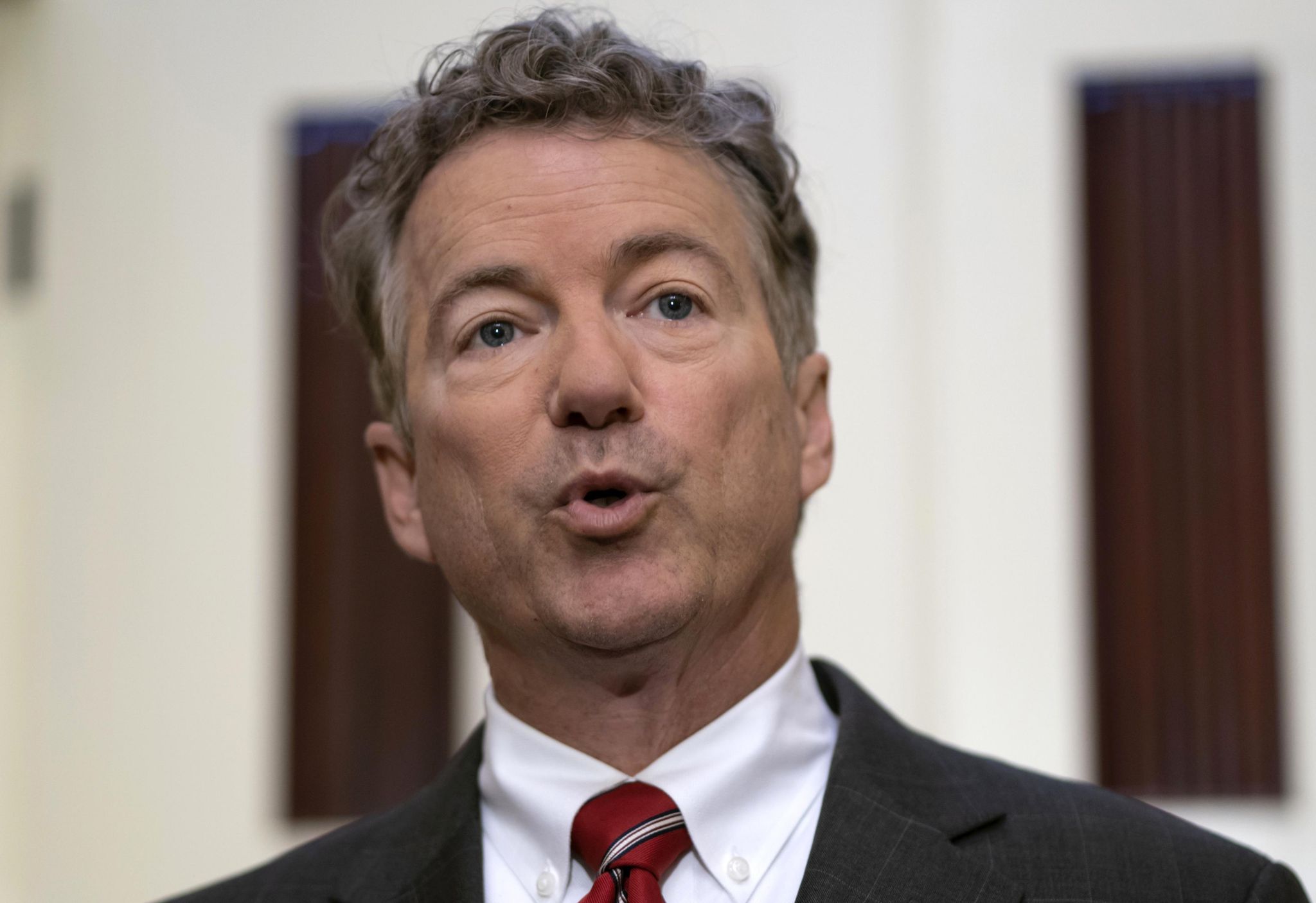
  • Rand Paul: Republicans are for a balanced budget ‘in the abstract’

    Sen. Rand Paul said Friday that part of the reason he forced a vote on his proposal to balance the budget was to show who among Republicans actually supports fiscal responsibility.

    Sen. Rand Paul said Friday that part of the reason he forced a vote on his proposal to balance the budget was to show who among Republicans actually supports fiscal responsibility.

    “Republicans are, in the abstract, for balanced budgets. But as you saw yesterday, the majority of the Republican senators are really not for the balanced budget. They’re only for it in the abstract,” Mr. Paul, Kentucky Republican, said on Fox Business.

    He said the growing debt is becoming a national security concern and added that being in debt to countries like China makes the U.S. dependent.

    “We also need to be concerned that they have a trillion of our debt. And my concern with security is that we need to be not so dependent on countries that hold so much of our debt,” Mr. Paul explained.

    The senator said the solution for this pending crisis is to have less debt, which is also why he put forward the proposal to cut spending. An overwhelming majority of the Senate voted against the measure.

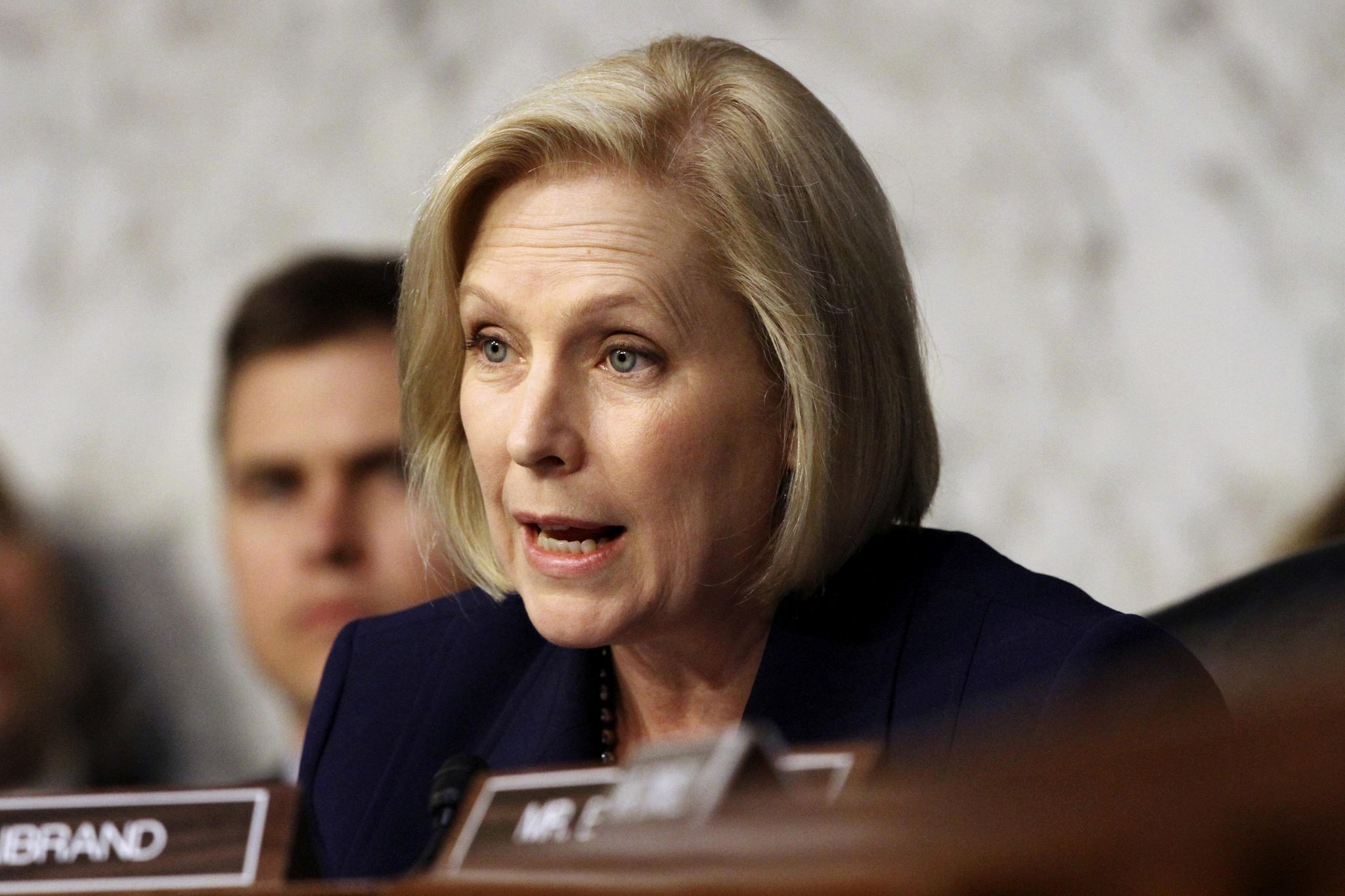
  • Kirsten Gillibrand: New abortion restriction should ‘enrage’ the public

    Sen. Kristen Gillibrand said Friday that President Trump’s proposal to restrict family planning groups from providing abortions in the same establishments as federally funded grants is an attack on wo

    Sen. Kristen Gillibrand said Friday that President Trump’s proposal to restrict family planning groups from providing abortions in the same establishments as federally funded grants is an attack on women’s rights.

    “I think this is an issue that should enrage the American public, particularly women, because it’s an attack on them,” Ms. Gillibrand, New York Democrat, said on CNN.

    The administration is expected to introduce the proposal on Friday. The Hyde Amendment currently prohibits groups like Planned Parenthood from using federal funds for abortions. These groups currently use federal funds for other health services and use private funds for abortions, but do not always have separate facilities for each service, which the new proposal would require. 

    “It’s really important that this is something we fight,” Ms. Gillibrand said, adding that this is an issue that will drive people to the ballot box.