Tag: Politics

  • Julian Assange’s lawsuit against Ecuador halted over WikiLeaks publisher’s issue with translator

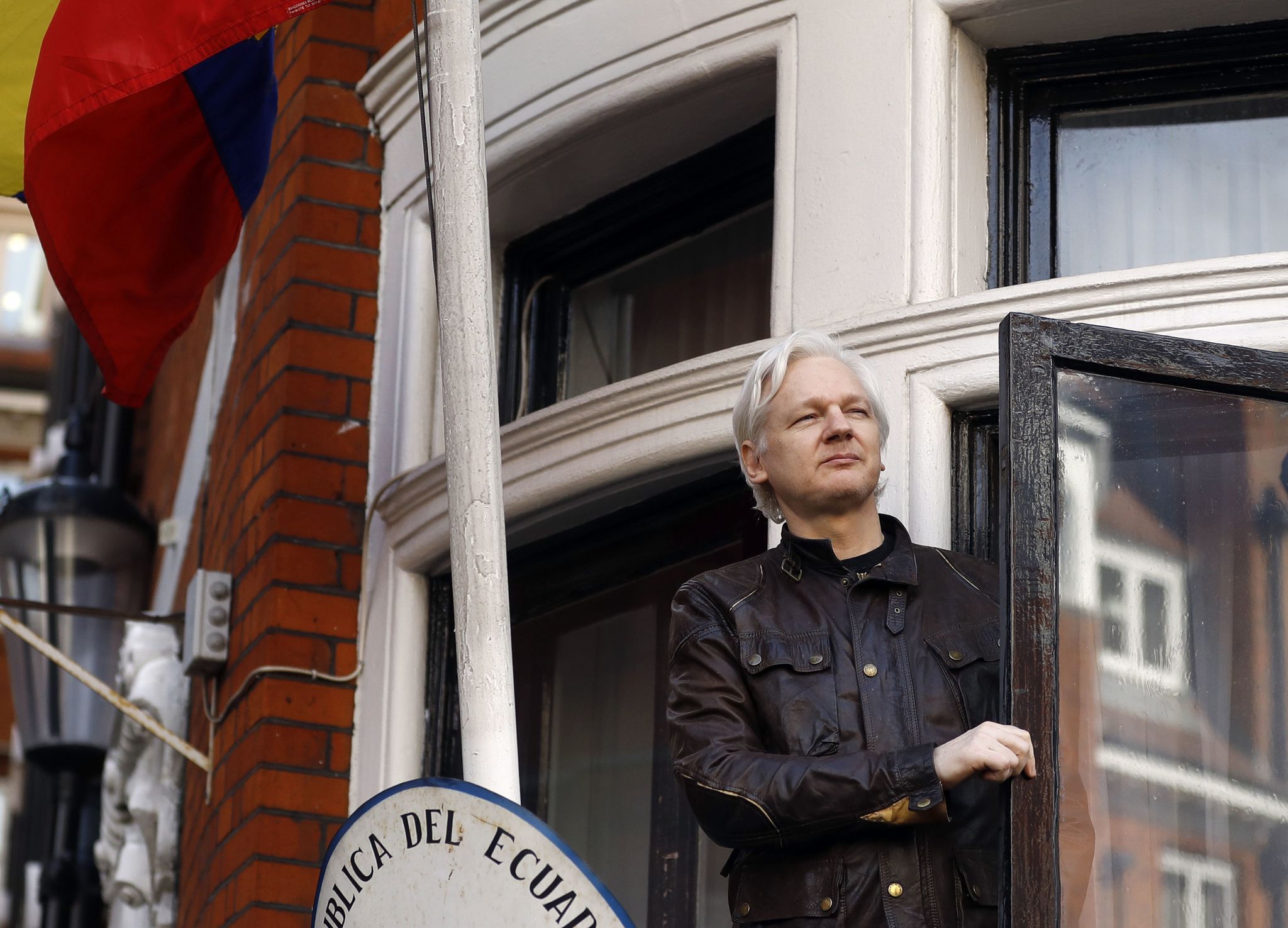
    WikiLeaks publisher Julian Assange complained that his court-appointed translator was “not good enough,” prompting a judge overseeing his lawsuit against Ecuador to put a pause on proceedings to find

    WikiLeaks publisher Julian Assange complained that his court-appointed translator was “not good enough,” prompting a judge overseeing his lawsuit against Ecuador to put a pause on proceedings to find a replacement fluent in “Australian,” news outlets reported Friday.

    Judge Karina Martinez cut Thursday’s hearing short in response to Mr. Assange’s protest and ordered the appointment of a translator better equipped to interpret matters for the Australian-born fugitive, the Sydney Morning Herald first reported.

    Mr. Assange filed the lawsuit through an attorney last week in response to the Ecuadorian government imposing new conditions on his asylum status, and Thursday’s hearing in Quito, the nation’s capital, was the first to be held by the court considering his case.

    Speaking remotely from the Ecuadorian Embassy in London, Mr. Assange complained about the quality of the translation service prior to the judge agreeing to suspend proceedings, The Herald reported.

    The initial hearing last roughly 90 minutes prior to being suspended due to “communication problems,” Spanish media separately reported.

    WikiLeaks did not immediately return a message seeking comment.

    Mr. Assange, 46, entered the Ecuadorian Embassy in 2012 and was subsequently granted asylum, effectively protecting him against the possibility of being prosecuted in the U.S. in relation to releasing classified government material through the WikiLeaks website.

    His relationship with Ecuador has grown increasingly tense, however, and WikiLeaks lawyer Baltasar Garzon sued the nation’s foreign minister last week in response to new rules governing Mr. Assange’s conduct inside the embassy, including restrictions on his internet and phone access.

    “The protocol makes Assange’s political asylum contingent on censoring his freedom of opinion, speech and association,” WikiLeaks said in a statement announcing the suit.

    Responding in court Thursday, Ecuador’s vice minister of foreign affairs, Andrés Terán, said the lawsuit was “paradoxical,” “illogical” and filed with an “irresponsibility” toward the “democratic state that has welcomed him,” according to Agencia EFE, a Spanish news agency covering the proceedings.

    “He is (there) of his own free will and (…) he has to abide by the rules imposed by the asylum country, it is as simple as that!” said Mr. Terán, the outlet reported.

    British authorities have said that Mr. Assange will be arrested upon exiting the embassy, at which point he would risk being extradited to the U.S. and tried in relation to releasing classified documents including U.S. diplomatic and military secrets.

    Mr. Assange would possibly surrender to U.K. authorities if he is spared a trip abroad, another one of his lawyers said Friday.

    “In British justice, he could even be sentenced to three to six months’ imprisonment,” said the lawyer, Carlos Poveda, AFP reported. “But what is being requested from the legal team is that there is a necessary assurance that after that sentence he will not be extradited to the United States.”

  • Mike Pence outlines China’s election meddling strategy

    Vice President Mike Pence announced earlier this month that China is working to unseat President Trump and meddle in U.S. elections, revealing what he said was Beijing’s plan as outlined in an interna

    Vice President Mike Pence announced earlier this month that China is working to unseat President Trump and meddle in U.S. elections, revealing what he said was Beijing’s plan as outlined in an internal government propaganda directive.

    “In June, Beijing circulated a sensitive document, entitled ‘Propaganda and Censorship Notice,’ that laid out its strategy,” Mr. Pence said in an Oct. 4 speech outlining a tougher U.S. policy toward China.

    “It states that China must ‘strike accurately and carefully, splitting apart different domestic groups’ in the United States,” he noted.

    As part of the directive, “Beijing has mobilized covert actors, front groups and propaganda outlets to shift Americans’ perception of Chinese policies,” the vice president said, noting that a senior U.S. intelligence official told him that Russian election meddling “pales in comparison to what China is doing across this country.”

    White House officials said the document the vice president referred to is a confidential Chinese government directive that was published in the California-based China Digital Times.

    The censorship notice published online did not identify the government or Communist Party department that wrote the directive. But the notice directs China’s tightly controlled network of newspapers, television, radio and social media outlets to sharply restrict all reporting on the ongoing U.S.-Chinese trade dispute.

    The June 28 directive states that China’s most senior official in charge of the trade dispute, Vice Premier Liu He, has said that in the U.S.-Chinese “trade war,” the Chinese side must remain “calm and rational, strengthen interdepartmental coordination, [and] establish a coherent power in stabilizing market forecasts.”

    “We are done with talks, we must now not yield an inch, and formulate reciprocal measures,” the directive says, according to a translation different from the one the vice president used.

    “We must carefully control our propaganda tone, not to escalate, not to expand the scope. Instead, we must fire precision strikes, we must sow discord among different groups in the United States and make them collapse. Trade war is in reality a war against China’s rise. We must see who can last to the end, and we must never be weak and soft in action and in rhetoric.”

    In conducting trade war propaganda against the United States, Beijing created what it calls the Three Don’t Relays: “Don’t relay comments from Trump, from U.S. government spokespersons, or from U.S. officials,” according to the document.

    The notice also tells Chinese propaganda outlets not to “attack Trump’s vulgarity” and “Don’t make this a war of insults.”

    “All media should prepare well for protracted conflict,” the notice says. “Don’t follow the American side’s fluctuating declarations. Play down the correlations between the stock market and trade conflict.”

    The Chinese government is also ordering propaganda reports to play up “economic bright spots” that appear to show steadying improvements in the Chinese economy. Such stories are to be given “important page placement” in newspapers and timed to have maximum impact.

    “Interview experts recommended by each department; websites and Weibo and WeChat accounts must emphasize suitable forms of network propaganda,” said the directive, referring to two major Chinese microblogs.

    The document concludes with a warning not to mention China’s long-term strategy to corner world markets in high technology known as Made in China 2025, “or there will be consequences.”

    China is known to fire or imprison editors who fail to follow the directives of the Communist Party’s propaganda department, the likely origin of the directive.

    CHINA PROPAGANDA TARGETS HAWAII

    Two radio stations in Honolulu are broadcasting Chinese propaganda into Hawaii, location of the Pacific Command.

    The command views the two Chinese-language stations as supporting Beijing’s overall information operations against the United States that include “influence activities” in support of Beijing policies, espionage, identity theft and intellectual property theft.

    One of the stations was identified by military officials as KHCM, which broadcasts some programming directly supplied by China Radio International (CRI), the state-owned propaganda outlet for overseas broadcasts. CRI recently merged with China’s state television to create the China Media Group, also called the Voice of China.

    Disclosure of the Chinese radio propaganda in Hawaii comes as Hong Kong’s pro-Beijing Phoenix Television is seeking Federal Communications Commission approval to buy a radio station near Tijuana that critics say will be used to beam Chinese propaganda into Southern California, targeting the large Chinese-American community there.

    Radio Station XEWW-AM is being bought by the New York financial firm H&H Capital Partners, a firm that FCC documents indicate will shift the current Spanish-language radio station into a Mandarin broadcaster.

    “The Chinese Communist Party (CPC) is waging an information warfare campaign to undermine American democracy,” Sen. Ted Cruz, Texas Republican, said in a Sept. 11 letter opposing the sale to FCC Chairman Ajit Pai.

    “The decision before the commission risks allowing the CPC to broadcast government-approved propaganda into Southern California, one of the most densely populated regions in America of Mandarin speakers, to boost that warfare campaign.”

    Under an agreement with Mexico, the sale of any station in Mexico that broadcasts into the United States must be approved by the FCC.

    PENTAGON RAMPS UP HYPERSONIC MISSILE WORK

    The Pentagon’s Missile Defense Agency is joining efforts of the Army, Navy and Air Force to develop hypersonic missiles — ultra-high-speed weapons capable of maneuvering to avoid missile defenses.

    “MDA is actively participating in a department-wide Common Hypersonic Glide Body Memorandum of Agreement where we are participating in development efforts and leveraging investments in hypersonic technology across the department to advance our counter-hypersonic activities,” Air Force Lt. Gen. Samuel Greaves, the MDA director, said in a statement to Inside the Ring.

    The Common Hypersonic Glide Body is the name being used by the military for a triad of high-speed missile variants for the Army, Navy and Air Force.

    The three versions will be designed for firing from Army ground-based missiles, from Navy ship and submarine missile-launch tubes, and from Air Force bombers.

    The inclusion of the MDA in the hypersonic missile program was confirmed by Gen. Greaves after Aviation Week first reported on the collaboration this week.

    A defense official said the group effort will include pooling the research of weapons engineers for both missiles and missile defenses.

    “We’re trying to come up with anti-missile missiles. We want to knock down things like that,” the official said.

    MDA is the lead Pentagon unit for defenses against hypersonic missiles and will be involved in developing hypersonic missile defense interceptors and hypersonic target missiles. Hypersonic missiles currently are being developed rapidly by both China and Russia as key asymmetric warfare capabilities designed to strike with both conventional and nuclear warheads through advanced missile defense systems.

    “So we’re interested in how the missiles are made, how they fly and, of course, we’ll need targets to shoot at,” the official said.

    Congress directed the MDA in 2016 to set up a program focused on hypersonic missile defense. Current efforts include setting up a space-based network of sensors capable of detecting and tracking hypersonic maneuvering missiles.

    The glide body is being developed from a three-stage booster prototype built several years ago by Sandia National Laboratories.

    The Air Force weapon is called the Hypersonic Conventional Strike Weapon, and the Army missile is called the Long-Range Hypersonic Weapon. Both could be fielded by 2022.

    The Navy conducted a test of its version of the hypersonic missile, described only as Intermediate Range Conventional Prompt Strike Flight Experiment-1, in October 2017. The test utilized what the Navy said were “hypersonic boost-glide technologies.”

    The hypersonic missiles can be either gliders that maneuver at speeds of over 7,000 miles per hour after being launched atop another missile or high-speed flight powered by engines using scramjet — supersonic combustion ramjet — technology.

    Contact Bill Gertz on Twitter at @BillGertz.
  • Firms urged to use other routes if no-deal Brexit threatens vital drugs

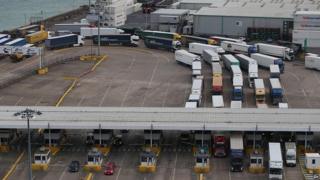
    Container lorries coming off ferries at Dover Image copyright AFP

    Ferry and freight firms will be urged to plan alternative routes for drugs and other vital supplies if a no-deal Brexit blocks cross-Channel traffic.

    The suppliers will be told to use Belgian and Dutch ports if blockages at Calais threaten to delay shipments.

    The news emerged after a “passionate” cabinet meeting in which ministers were told about contingencies for no deal.

    Earlier, MPs were warned that a no-deal could have “catastrophic” consequences for the supply of drugs into the UK.

    A senior government source denied there were plans to buy or charter vessels to keep the NHS working or to guarantee food supplies.

    Image copyright Getty Images Image caption Stockpiling of medicines that need refrigerating, such as insulin and vaccines, is difficult
    Our correspondent says the mood among ministers was more evidence of the prime minister’s limited room for manoeuvre in the Brexit talks, as she prepares to address Tory backbenchers on Wednesday.

    Cabinet ministers will receive weekly updates about preparations for Brexit until the UK leaves next March, either with or without a deal.

    ‘Declaration of war’

    The government has already asked firms to start stockpiling a six-week supply of drugs and if necessary plan to fly in medicines which cannot be stockpiled because of their short shelf life.

    The UK imports 37 million packs of medicine each month from the EU. Concern has been raised that prolonged disruption at the borders could disrupt the supply chain.

    Macron in English faux pas over visas Drug makers stockpiling for Brexit

    Earlier on Tuesday, Martin Sawer, of the Healthcare Distributors Association, told MPs that the pharmaceutical industry was “very concerned” about a no-deal as it could have “catastrophic” consequences for the supply of drugs.

    He warned it could lead to patients being put on drugs that they are not currently prescribed.

    The Department for Transport said that while it was confident of the UK reaching an agreement with the EU on the terms of its exit, it was sensible to plan for all possible outcomes.

    “We are continuing to work closely with partners on contingency plans to ensure that trade can continue to move as freely as possible between the UK and Europe,” a spokesman said.

    But Labour MP David Lammy, who supports a new referendum on the outcome of the negotiations with the option of remaining in the EU, said Brexit had become “like a declaration of war on ourselves”.

    “Emergency ships will be chartered for food and medicine if we leave the EU with no deal,” he said.

    “But at least when we’re using ration books and running out of drugs, we’ll have taken back control.”

    France has also stepped up its planning for a no-deal Brexit, publishing a draft law last week which would give the government powers to deal with visas, transport and other services.

  • Italy budget: European Commission demands changes

    Italy's Prime Minister, Giuseppe Conte; Deputy Prime Minister and Minister of Economic Development, Labour and Social Policies, Luigi Di Maio; and Deputy Prime Minister and Interior Minister, Matteo Salvini Image copyright AFP Image caption Prime Minister Giuseppe Conte (L) and his two deputies – Luigi Di Maio and Matteo Salvini (R) – have been told to revise their budget

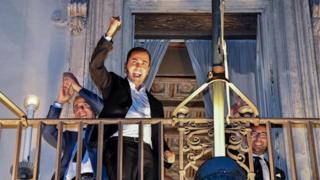
    The European Commission has told Italy to revise its budget, an unprecedented move with regard to an EU member state.

    The Commission is worried about the impact of higher spending on already high levels of debt in Italy, the eurozone’s third-biggest economy.

    Italy’s governing populist parties have vowed to push ahead with campaign promises including a minimum income for the unemployed.

    The country now has three weeks to submit a new, draft budget to Brussels.

    The Commission said the first draft represented a “particularly serious non-compliance” with its recommendations.

    Italy won’t back down

    Kevin Connolly, BBC Europe correspondent

    Image copyright EPA Image caption Four week ago, cries of “We did it!” followed the budget’s approval in Italy
    Italy’ has put itself on a collision course with the EU. The dispute takes the eurozone into uncharted waters.

    The authorities in Brussels have the right to reject a budget and demand new proposals – and to impose fines – if its requests are ignored.

    This is the first time they’ve gone as far as this down that road and the EU has to weigh the prospect of taking firm measures to discourage other eurozone states from breaking the rules against the prospect of a drawn-out conflict with one of its largest member states at a time when its political energies are already absorbed by Brexit.

    The Italian government says its measures are necessary to restore growth and that it has no intention of backing down.

    How bad is Italy’s debt?

    Italy’s neutral Finance Minister, Giovanni Tria, and international observers had hoped the country would keep its deficit under 2% of GDP – and perhaps as low as 1.6%.

    While 2.4% falls well short of the 3% deficit limit under eurozone rules, Italy’s debt level is alarming.

    Click to see content: debt_ratios_Europe

    “For the first time the Commission is obliged to request a euro area country to revise its draft budgetary plan but we see no alternative than to request the Italian authorities to do so,” Mr Dombrovskis said.

    He pointed out that Italian taxpayers were having to spend as much servicing the national debt as on education.

    “Breaking rules can appear tempting at the first look – it can provide the illusion of breaking free,” he said.

    “It is tempting to try and cure debt with more debt. At some point, the debt weighs too heavy… you end up having no freedom at all.”

    After Italy announced its draft budget last month, weeks of market turmoil followed.

    Before the Commission announced its rejection of the Italian budget on Tuesday, European shares fell to their lowest levels in nearly two years.

    Following the announcement, the Italy-Germany 10-year bond yield gap, widely used as a relative yardstick of Italy’s position on the markets, widened to a new high of 314 points.

  • Donald Trump threatens to pull out of Russia nuclear treaty

    Washington and Moscow returned to Cold War-style rhetoric Monday as President Trump ratcheted up his threat to unilaterally pull the U.S. out of a key agreement that has kept the nuclear arsenals of b

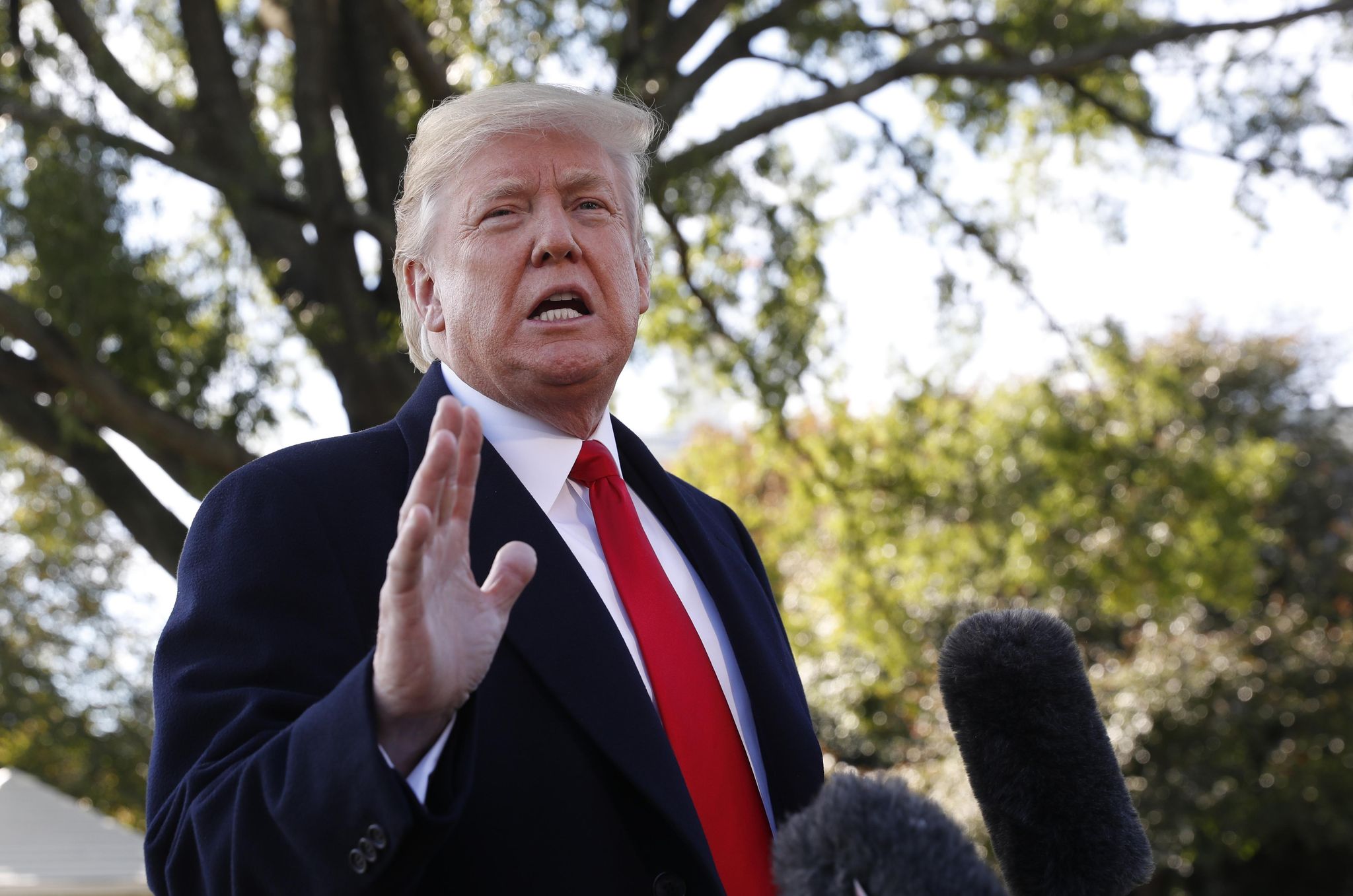
    Washington and Moscow returned to Cold War-style rhetoric Monday as President Trump ratcheted up his threat to unilaterally pull the U.S. out of a key agreement that has kept the nuclear arsenals of both sides in check since the Reagan era, as Russia demanded an explanation and analysts warned that the move could spur nuclear deployments around the globe.

    Mr. Trump revealed to reporters that he felt so strongly Russia was cheating on the deal that he didn’t bother to inform the Kremlin before making his decision.

    “Russia has not adhered to the agreement,” Mr. Trump said. “We have more money than anybody else by far. We’ll build it up until they come to their senses.”

    SEE ALSO: Trump promises nuclear buildup, warns Russia not to ‘play games’

    The high-stakes threats of a revived nuclear arms race were issued as White House National Security Adviser John R. Bolton prepares for a tense meeting with Russian President Vladimir Putin on Tuesday.

    Both sides have publicly declared that they will begin ramping up their missile capabilities. The meeting was scheduled before Mr. Trump said last week that he intended to withdraw the U.S. from the Intermediate-Range Nuclear Forces (INF) Treaty, a deal designed to limit the U.S. and Russia from building or deploying any missiles and launch systems with an “intermediate” range of 300 to 3,400 miles.

    Signed in 1987 by President Reagan and Soviet leader Mikhail Gorbachev, the INF cooled fears that a “limited” nuclear war short of an all-out exchange could erupt in Europe. Both sides dismantled huge caches of missiles as part of the agreement, which remained in place after the fall of the Soviet Union.

    But the U.S. and international partners such as NATO now say Moscow is in clear violation of the deal, and Mr. Trump on Monday offered a stern warning that Washington won’t allow it.

    The president also stressed that no other nation — including China, which isn’t bound by the treaty and has been building up its own arsenal as its economy modernizes — can compete with the U.S.

    “It’s a threat to whoever you want, and [that] includes China,” Mr. Trump told reporters as he left for a campaign trip to Texas. “It includes anybody else that wants to play that game. You can’t play that game on me.”

    The Kremlin said earlier Monday that if the INF collapses, then Russia will have no choice but to “restore balance” in the global power structure.

    “This is a question of strategic security. Such measures can make the world more dangerous,” Kremlin spokesman Dmitry Peskov said.

    “It means that the United States is not disguising, but is openly starting to develop these systems in the future, and if these systems are being developed, then actions are necessary from other countries, in this case Russia, to restore balance in this sphere,” he added.

    Breaking the deal

    Moscow denies that it violated the deal, but both the Obama and Trump administrations have accused Russia of breaking its promises. U.S. and international observers cite in particular the Russian 9M729 cruise missile system as their chief concern.

    The system — a U.S. assessment of which has not been made available publicly — is rumored to have a range of about 1,250 miles or more — clearly within the limits covered by the INF. The Obama administration first objected to the missile system in 2014 but opted to retain the treaty.

    NATO officials also have said the missile system violates the INF, and Russian aggression in Ukraine in recent years has spurred fears that Moscow once again could be eyeing the deployment of nuclear weapons into Eastern Europe.

    Russia has denied that the missile system violates the deal, but critics say the Kremlin has been unwilling to provide answers about the 9M729, what its purpose is and whether it’s fully operational. Some Russian military strategists have argued that the 1987 deal benefits the U.S. more than Russia because the U.S. faces no real strategic threat from its near neighbors, Canada and Mexico, the way Russia does all along its perimeter.

    “In the absence of any credible answer from Russia on this new missile, allies believe that the most plausible assessment would be that Russia is in violation of the INF Treaty,” NATO spokeswoman Oana Lungescu said Monday.

    Key U.S. allies, while divided over Mr. Trump’s decision to pull out of the deal entirely, were united in urging Russia to provide more answers. They said the burden lies with Mr. Putin to cool international tensions.

    “We of course want to see this treaty continue to stand, but it does require two parties to be committed to it, and at the moment you have one party that is ignoring it,” U.K. Defense Secretary Gavin Williamson told The Guardian newspaper. “It is Russia that is in breach, and it is Russia that needs to get its house in order.”

    The government of German Chancellor Angela Merkel took a more cautious stand, saying it regrets the U.S. decision while calling on Moscow to “dispel the serious doubts about its adherence to the treaty that had arisen as a result of a new type of Russian missile.”

    Foreign Minister Heiko Maas said Mr. Trump’s move poses “difficult questions for us and for Europe.”

    European Union officials took a more measured approach, urging the U.S. and Russia to negotiate in the hopes of preserving the agreement.

    There is a six-month waiting period after notification before either party can formally exit the deal. Russian officials said Monday afternoon that they had not received formal notification, though that could come Tuesday when Mr. Bolton meets with Mr. Putin.

    Rising China

    While the INF applies only to the U.S. and Russia, Mr. Trump’s comments Monday made clear that the White House sees China as a key part of the equation.

    “China is not included in the agreement. They should be included in the agreement,” the president told reporters.

    Analysts and U.S. officials said there is good reason for questions about China in the context of the INF.

    As Beijing upgrades its military presence, particularly in the South China Sea, the administration fears that the U.S.-Russia deal is giving China a free pass, potentially allowing the rising superpower to get a leg up militarily.

    Retired Navy Adm. Harry B. Harris Jr., formerly the head of U.S. forces in the Pacific and now the administration’s ambassador to South Korea, told lawmakers this year that the U.S. and Russia are limited by the deal, while China can essentially do whatever it wants.

    “Over 90 percent of China’s ground-based missiles would violate the treaty,” he told a House committee in February.

    Regional analysts say the Trump administration’s secondary motivation for scrapping the INF could be to give the Pentagon freedom to deploy missile systems to the Pacific to counter China.

    “Should Trump follow through on his threat to leave the INF, it would also open the door to potential nuclear build-up in East Asia, as Washington looks to counter growing Chinese presence. A deployment of missiles to Guam or allies Japan and Australia would not be out of the question, with uncertain consequences for the region,” David A. Wemer, an assistant director at the Atlantic Council, wrote Monday.

    The China state-controlled Global Times wrote a stinging editorial Monday condemning Mr. Trump’s INF decision, which it said was clearly made with Beijing in mind.

    “Although China has exercised restraint in developing strategic weaponry with no intention of nuclear power competition, the U.S. still fixes its eyes on China doubtfully …,” the editorial argued. “Military might and strategic nuclear power have never played an outstanding role in China’s foreign relations. But as the U.S. grows more skeptical about China, we face growing strategic risks and have become the main target of U.S. hegemony.”

    • Dave Boyer contributed to this report.

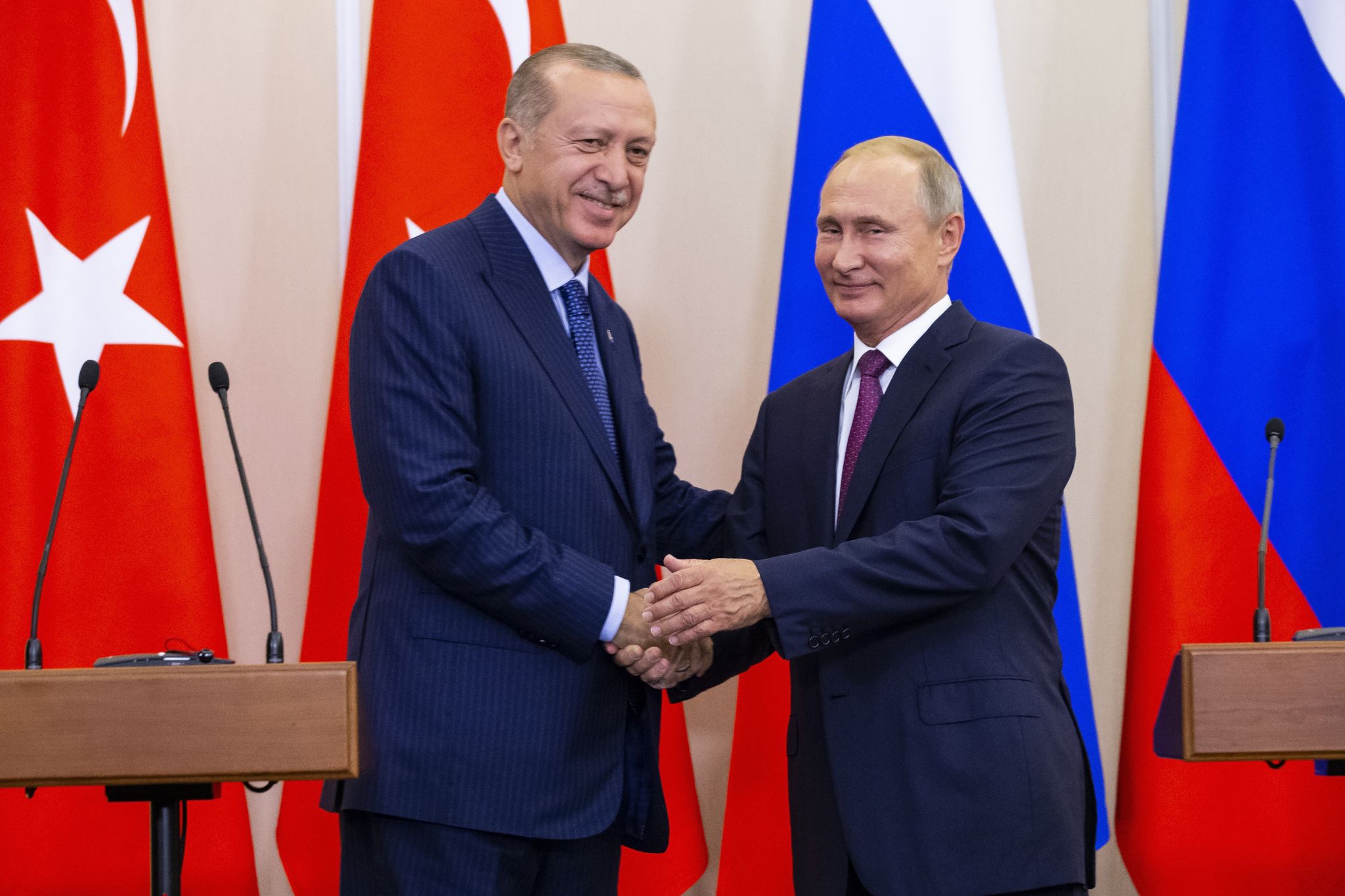
  • Vladimir Putin and Recep Tayyip Erdogan to meet on sidelines of upcoming Syria peace talks

    Russian and Turkish leaders, Vladimir Putin and Recep Tayyip Erdogan, will hold a bilateral meeting on the sidelines of this weekend’s four-nation Syrian War summit in Istanbul, which will also gather

    Russian and Turkish leaders, Vladimir Putin and Recep Tayyip Erdogan, will hold a bilateral meeting on the sidelines of this weekend’s four-nation Syrian War summit in Istanbul, which will also gather representatives from France and Germany.

    Russia is a main backer of Syrian President Bashar Assad’s government while Turkey has been helping insurgents trying to remove him from power.

    Last month, Russia and Turkey reached an agreement to set up a demilitarized zone around the northwestern Syrian province of Idlib preventing a government offensive on the last rebel stronghold in the country.

    Idlib has been calm since, though some militant groups did not meet an Oct. 15 deadline to evacuate the DMZ.

    Many feared that a government offensive in Idlib would trigger a new refugee crisis as the region is home to some 3 million people, many of them already displaced by the war from other parts of Syria.

    On Tuesday, top Russian diplomat Andrei Buravov confirmed “a separate bilateral meeting” has been scheduled for Saturday in Istanbul between Mr. Erdogan and Mr. Putin, according to the Russian news service Tass.

    Kremlin spokesman Dmitry Peskov said Monday that Moscow did not expect a breakthrough decision during the four-country talks, Tass reported.

    “It would be probably incorrect to predict that the summit is held with the aim of reaching certain agreements,” Mr. Peskov said. “Obviously, we need to be realistic.”

    Turkey’s presidential spokesman has said the summit is expected to address all aspects of the Syrian conflict, including the situation on the ground, the Idlib agreement and efforts for a lasting solution to the conflict.

    German Chancellor Angela Merkel is scheduled to attend.

    • This article is based in part on wire service reports.

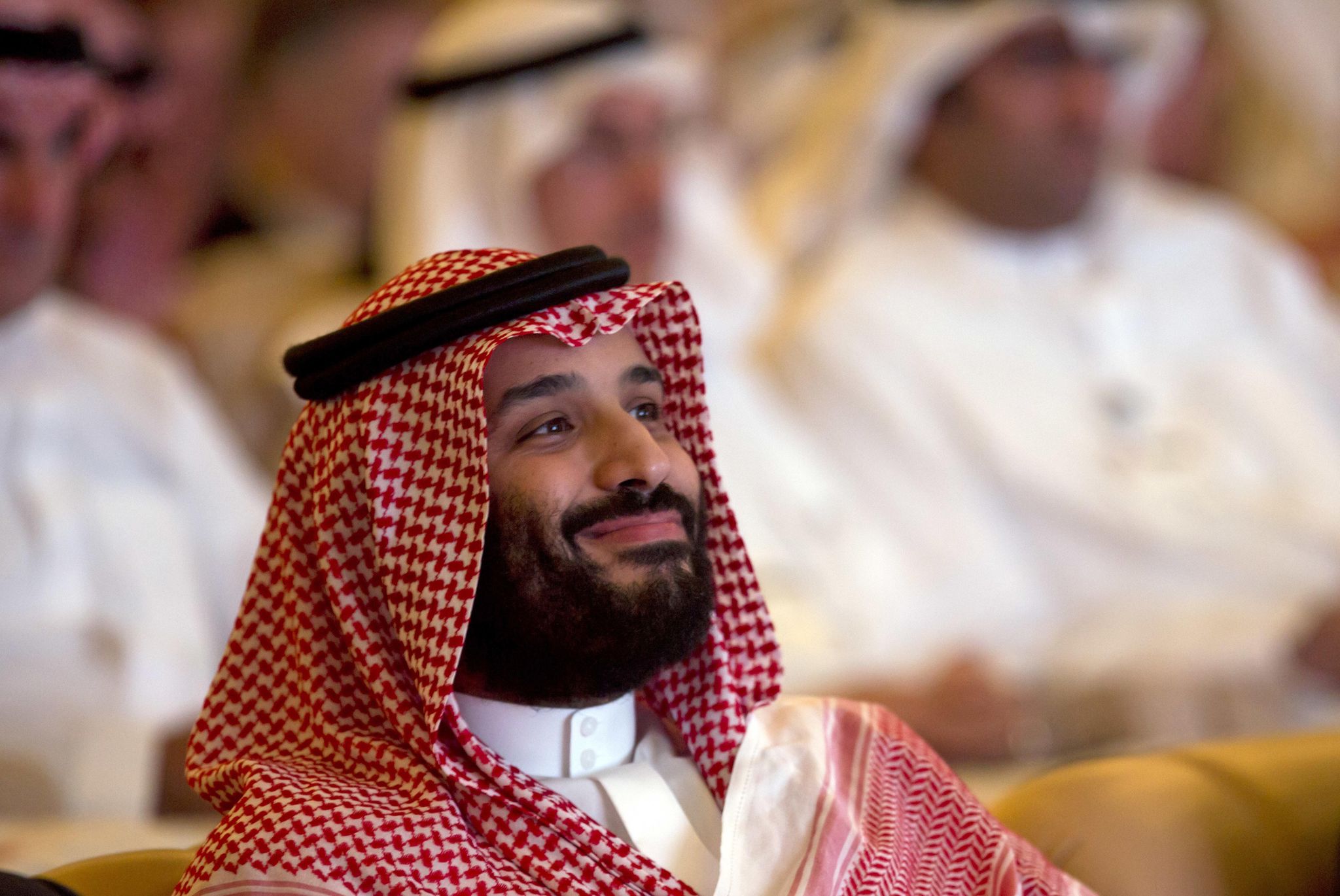
  • Russia sticking with Saudis amid boycotts over Khashoggi murder

    Russia is one country that is not letting the international furor over the fate of dissident Saudi writer Jamal Khashoggi disrupt its ties with the oil-rich kingdom.

    Russia is one country that is not letting the international furor over the fate of dissident Saudi writer Jamal Khashoggi disrupt its ties with the oil-rich kingdom.

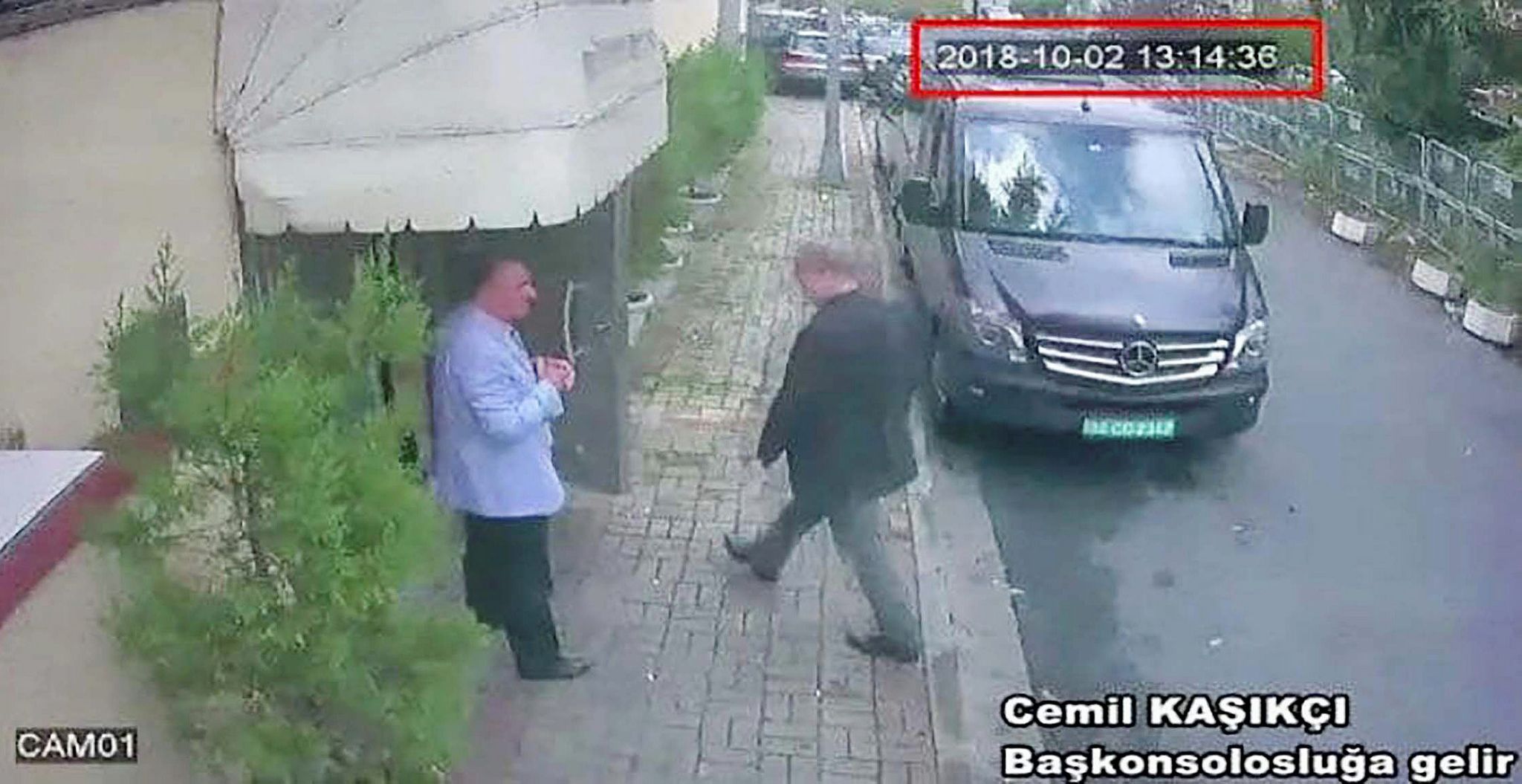
    Even as U.S. and European officials and corporate titans were canceling their travel plans, Russian officials were out in force on the opening day of a major investment conference in Saudi Arabia championed by Crown Prince Mohammed bin Salman, who has been strongly implicated in the apparent death of the U.S.-based Mr. Khashoggi at the Saudi consulate in Istanbul, Turkey Oct. 2.

    “Saudi Arabia is a great partner for us, not just a partner in investments or oil,” Kirill Dmitriev, chief executive of the Russian government’s $10 billion state-controlled sovereign investment fund, told attendees at the conference Tuesday, according to Euronews.

    “There are many Russian companies here from the petrochemical sector and other sectors. They want to invest in Saudi Arabia,” Mr. Dmitriev said.

    President Trump has faced increasing pressure to scale back U.S. diplomatic and commercial ties to Saudi Arabia in light of the Khashoggi scandal, but has cited the potential for Riyadh to turn to China and Russia as a reason for caution.

    Russian President Vladimir Putin has said the Kremlin does not have enough information to judge the level of Saudi government complicity in the journalist’s killing and other top aides have hinted the incident is an internal affair for the Saudis to deal with. Mr. Putin has tried to cultivate the 33-year-old crown prince in a bid to coordinate policy between two of the world’s biggest oil-producing nations.

    “We’ve all heard the official statements from Riyadh on the case denying members of the royal family had any role,” Kremlin spokesman Dmitry Peskov told the Moscow Times Tuesday. “We’ve taken that into account. The rest is a matter for investigators.”

  • India-China rivalry looms over Bhutan election

    VARANASI, India | Bhutanese voters have already decided to oust their current leaders, voting out their prime minister and his political party in the first round of parliamentary elections last month.

    VARANASI, India | Bhutanese voters have already decided to oust their current leaders, voting out their prime minister and his political party in the first round of parliamentary elections last month.

    Now many voters of this tiny, ancient kingdom hope that whoever wins the second round Thursday will renegotiate their lopsided longtime alliance with India and make nice with rival China.

    “We love our sovereignty,” said Pawo Choyning Dorji, 35, a photographer in the capital of Thimphu. “We appreciate how India has helped in the development of Bhutan, but our relationship with India has cost us our sovereignty. India must know that someday Bhutan is going to establish a good relationship with China.”

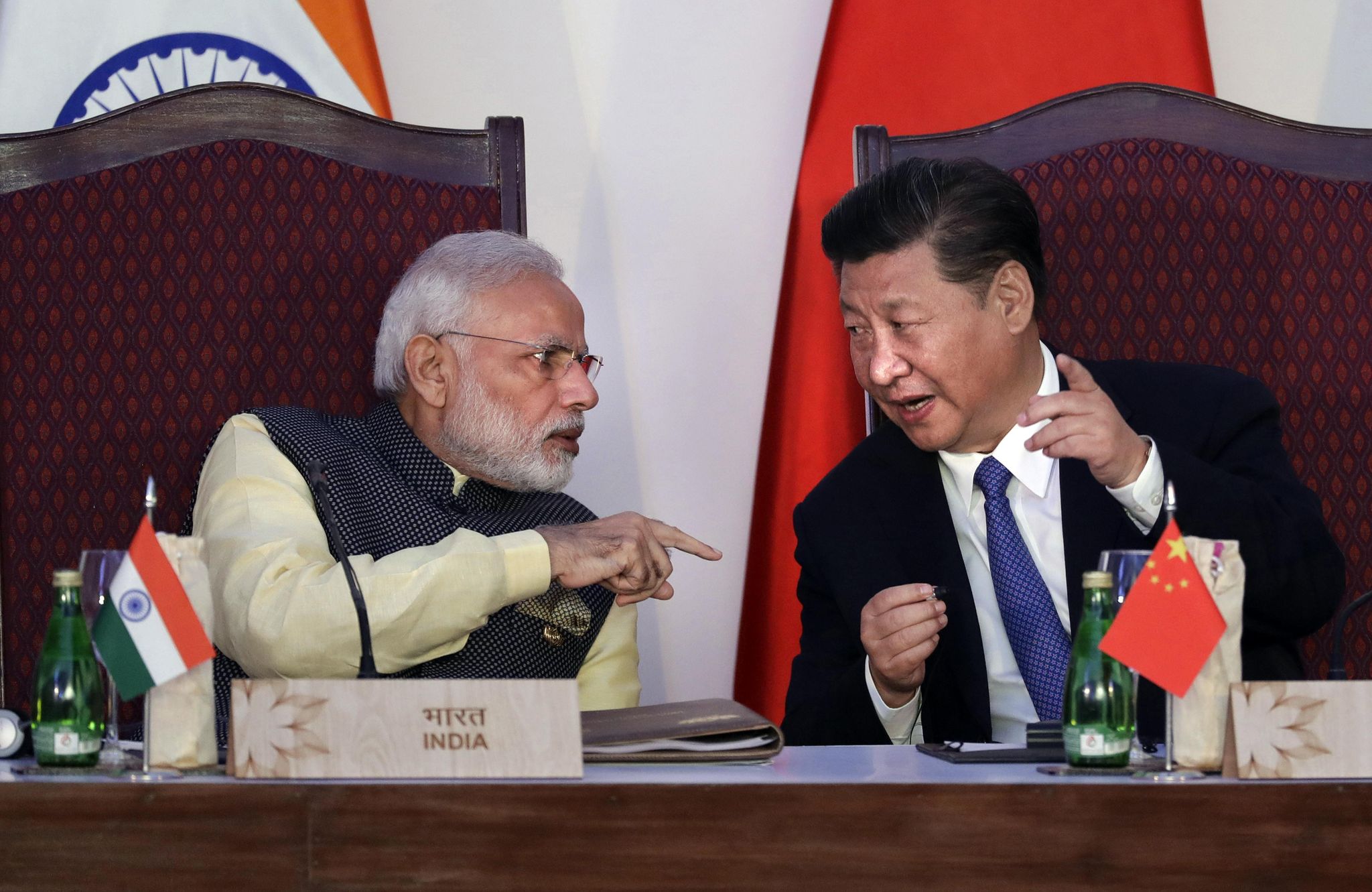
    In modern “Great Game” playing out far from the focus of much U.S. and Western foreign policy these days, Bhutan is just one case study of China and India jockeying for influence across South Asia, a clash of interests that has been playing out in recent years in countries from Bangladesh and Nepal, to Sri Lanka, Myanmar and the Maldives.

    But it is the tiny country of Bhutan where the rivalry is hottest these days.

    “It’s a tiny speck of a country in South Asia, and it was only last summer’s standoff between India and China that brought Bhutan to the headlines,” said Faisel Pervaiz, South Asia analyst at the global think tank, Stratfor. “But now, what looks to be an election in a tiny, mountainous Himalayan kingdom actually has geopolitical implications between the world’s two most populous countries.”

    Both countries are closely watching the results, hoping for an advantage in the future. The ruling party had been very close to India, analysts said.

    In fact, India has had a “hegemony by default” in the region for decades, being the largest country in terms of size and population with the strongest economy and military. And while it has strong cultural and linguistic ties to its neighbors, it is Bhutan where India has played the most dominant role, all but dictating its foreign and economic policy, and being its dominant benefactor and trade partner.

    Enter China with its Belt and Road initiative, it’s “Marshall Plan” to underwrite and build massive infrastructure projects across Asia, Africa and Europe. In South Asia, Beijing has been calling on governments with offers of investments, loans and economic partnerships, talking to countries who lack resources for roads, bridges and ports. As a result, they have been very receptive.

    India has been so concerned that it has tripled its foreign aid over the past seven years — the most going to what it sees as its buffer state of Bhutan — and upped its own offer of loans, infrastructure projects and other economic and military cooperation.

    Last year, the rivalry came to a head.

    New Delhi has long had an interest in protecting the so-called narrow “chicken neck” near Bhutan that connects northeastern India to the rest of the country. Last year, Indian troops stopped Chinese forces from building a road on Bhutanese-controlled land on the Doklam plateau that Beijing has long claimed, stoking fears of a repeat of the Sino-Indian border war of the early 1960s. Both sides stood down after talks.

    In Bhutan, many now see China as the future.

    “China is beneficial for us,” said Shyam Parajuli, 46, who sells gifts and knickknacks, often to Chinese tourists, in Thimphu. “They pay a good price for the goods they buy here. Indians don’t, because they know every inch of this country very well.”

    Some voters thought it would be a boon for local business.

    “We get most of the business-related items from India but recently China has started giving us cheap products which make the trade cheaper, and many people prefer cheap products here,” said Sangay Choden, a middle-aged teacher in Thimphu. “If we get more trade goods from China on regular basis, we may be able to do more business with more profit.”

    Other noted, however, that India provides Bhutan with crucial aid and the lion’s share of its commerce.

    “We enjoy Indian liquors in the bars here, thinking how to loosen the Indian hold around our neck,” said Pushpa Gurung, a 28-year-old aspiring fashion model.

    Many Bhutanese, resenting recent pressure by India to limit relations with Beijing, insist they are not worried of becoming another Tibet — the remote land incorporated into China after Mao’s takeover in the late 1940s. That development was one reason why Bhutan drew closer to India in the first place. The world has changed since then, said Thimphu-based political blogger Yeshey Dorji, 63.

    “We are not worried about China entering Bhutan — this is not the 1950s or 1970s,” Mr. Dorji said. “If China wants to enter Bhutan, they will employ economic means — as does India, to subjugate Bhutan. Once our boundary issues are sorted out, China will be as good a neighbor as any other country.”

    Jabeen Bhatti reported from Berlin; John Dyer in Boston contributed to this report.

  • Israel retaliates on Hamas targets in Zeitoun, Tel Al-Hawa

    From certain parts of this crowded city, one doesn’t hear rockets like the salvo fired from the Gaza Strip in the twilight hours of Wednesday morning, nor the more than two dozen retaliatory strikes b

    GAZA CITY, Gaza — From certain parts of this crowded city, one doesn’t hear rockets like the salvo fired from the Gaza Strip in the twilight hours of Wednesday morning, nor the more than two dozen retaliatory strikes by the Israeli Defense Forces shortly after.

    The electricity was out in the hotel across from the sea, a regular occurrence. The street was quiet, and there was no internet service, limiting what residents here can learn of the violence raging just blocks away.

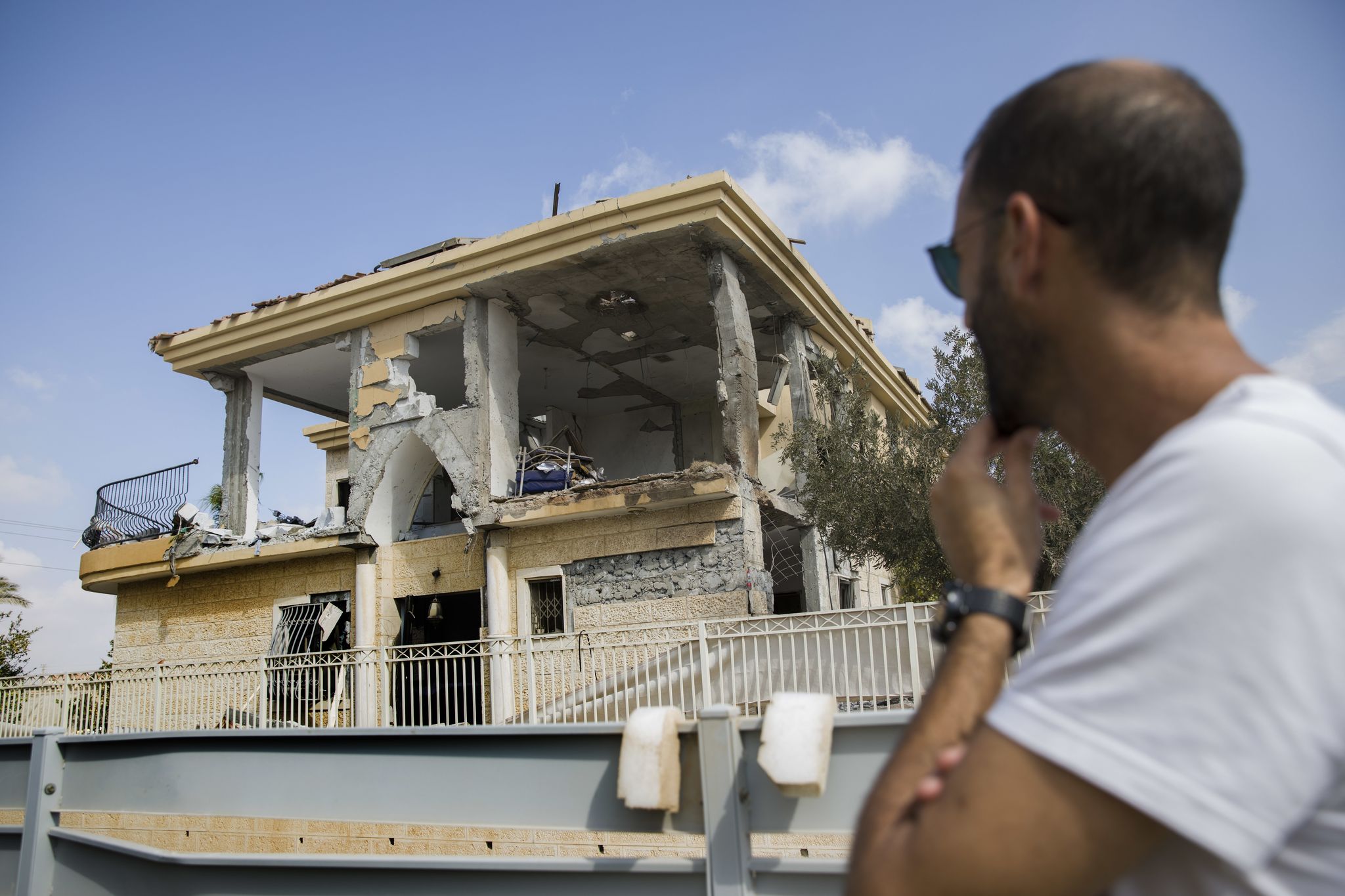
    In the early morning hours of Wednesday, Hamas terrorists fired a rocket towards Israel and made a direct hit on a home in the city of Beersheva, gutting the second floor. While there were no injuries, a mother and her children who had hid in their bomb shelter were treated for “shock” — an all-encompassing term for the nervous breakdown that occurs for people in this area experiencing frequent near-death experiences.

    In retaliation, Israeli fighter jets targeted at least 12 Hamas military targets in the Tel Al-Hawa neighborhood and Zeitoun, close to Gaza City. The targets included tunnel-digging sites and a factory used for the manufacturing of aerial weaponry, according to the office of the Israeli Defense Forces (IDF) spokesman.

    In the south of the Strip, the IDF targeted tunnel digging sites and a maritime terror tunnel shaft in Khan Yunis, and weapon manufacturing factories in Rafah, the Gazan city on the border with Egypt.

    The IDF also released video footage Wednesday showing a strike on a terrorist squad that attempted to launch rockets at an Israeli community in the Hof Ashkelon Regional Council, an area that borders Gaza to the north.

    In the video, a man in sandals, white pants and a long sleeve shirt is seen setting up a launching pad for a rocket. Another man with blue jeans, a black shirt and a gray vest is seen loading a rocket into a launcher before the entire site explodes with the IDF attack.

    “This, sadly, is the normal here in Gaza — and there’s no major impact other than it just keeps the level of anxiety and nervousness very high,” said Matthias Schamle, the director of operations for UNRWA Gaza, the troubled U.N. agency that aids Palestinian refugees, in an interview. As Mr. Schamle spoke in his office in Gaza City, Hamas members milled about outside.

    Border closings at Erez, the main crossing point in the north, and Kerem Shalom in the south, can affect the delivery of needed materials from Israel into the Gaza Strip, he said.

    “I keep saying, more broadly, that things remain tense here and that we don’t think anyone wants war — on either the Israeli or Palestinian side here — but incidents by hotheads, if I may call it this way, on either side could trigger a war,” he said.

    Border closings and the threat of a war could complicate travel around the Gaza Strip, complicating efforts by a reporter to get a full picture of the conflict.

    An Israeli press office in Jerusalem confirms the closure of the border but offers no information on when it would be open.

    “That’s above my pay grade,” said one IDF spokesman.

    Electricity was inconsistent on a three-day visit to the densely populated Palestinian enclave, a reality Gazans have become accustomed to and a challenge by shop, restaurant and cafe owners meet with their own generators.

    By mid-morning after the exchange of fire, the streets of Gaza City were packed with cars and people — young men and women heading to the Islamic University of Gaza and Al-Azhar University. An email from the Israeli Government Press Office announced that the Erez crossing had re-opened, but only until 3:30 p.m.

    Without electricity, no stoplights work and people tend to drive through intersections with little regard for stopping, making the drive to the crossing before it closed a hazard in itself.

    At the Erez crossing, the first checkpoint on the Gaza side is controlled by Hamas.

    In October 2017, a little over a year to the day, the Palestinian government in Ramallah signed a reconciliation agreement with Hamas that would slowly transfer governing authority of the Gaza Strip back to the recognized PA government. The first step, in those early days, was for PA security forces to take over the Erez crossing.

    But that arrangement quickly broke down, as Hamas officals — distrusting the P.A. — set up their own makeshift checkpoint, complete with desks, laptops, and photocopy machines inside two office trailers.

    After a few minutes of conversation, a reporter was allowed to proceed through a gate, but still needed to take a $5 taxi ride half a mile to the Palestinian Authority checkpoint. The second check goes more quickly and border-crossers leave with no stamps in their passport.

    The Israeli checkpoint was still another mile to travel. A young Palestinian with a motorcycle and a trailer gave offered a lift. At the Israeli entrance were six heavy metal sliding doors, which remained shut and monitored by a security camera

    The hulking concrete of the security fence erected by Israel stretches out into the distance on either side of the crossing terminal. After a few minutes the doors creaked, slid open, and a traveler was back in Israel.

  • Jamal Khashoggi killing sparked by Muslim Brotherhood ties

    The prevailing narrative about the bizarre case of U.S.-based Saudi journalist Jamal Khashoggi is that Saudi Arabia’s hard-charging young crown prince ordered him kidnapped and perhaps killed in order

    The prevailing narrative about the bizarre case of U.S.-based Saudi journalist Jamal Khashoggi is that Saudi Arabia’s hard-charging young crown prince ordered him kidnapped and perhaps killed in order to silence a particularly effective critic who wrote widely read, disparaging columns about the royal family and the crown prince’s own ambitious reform agenda.

    But Middle East insiders say some deeper subplots played into Mr. Khashoggi’s disappearance — stemming from his long career of political activism, ties to Saudi intelligence and Mr. Khashoggi’s past relationship with the Islamist group the Muslim Brotherhood.

    Mr. Khashoggi, who was 59 when he disappeared at the Saudi Consulate in Istanbul on Oct. 2, is said to have withdrawn years ago from any formal affiliation with the Brotherhood, but his past ties to the transnational Islamist group are believed to have been a source of distrust for Saudi Crown Prince Mohammed bin Salman.

    The 33-year-old prince branded the Brotherhood a terrorist organization, and one of his signature moves as heir to the Saudi throne was to cut off all ties with the rival Gulf nation of Qatar. The prince blames Doha for financing the Muslim Brotherhood to foment unrest against the powers that be across the Arab world, in particular Saudi Arabia.

    Since leaving Saudi Arabia for self-imposed exile in the U.S. last year, Mr. Khashoggi has worked to create an advocacy group called Democracy for the Arab World Now (DAWN) to promote Arab Spring-style freedom movements across the Middle East.

    Some say Mohammed, who has a reputation for quickly identifying and crushing any threats to his authority, was well aware of Mr. Khashoggi’s political activities and likely more concerned about them than his journalistic efforts as a columnist for The Washington Post.

    Longtime regional analyst and former Wall Street Journal publisher Karen Elliott House said in the newspaper this week: “Those who watch the crown prince closely say he is determined to pre-empt any hint of possible disruption before it can materialize.

    “So Mr. Khashoggi’s decision to register in the U.S. a new political organization, perhaps funded by Saudi regional rivals, might have triggered this action,” wrote Ms. House, who is also the author of an influential 2012 book on Saudi Arabia.

    The New York Times, citing interviews with longtime friends of Mr. Khashoggi, reported that he was in the midst of raising money for DAWN when he disappeared in Turkey, whose own government is a rival to Saudi Arabia in the Muslim world and has close ties to Qatar and to the Muslim Brotherhood.

    Qatar has not commented on claims by Turkish officials that Mr. Khashoggi was killed by a Saudi “hit squad.” The crown prince, meanwhile, has denied any knowledge of what happened and has pledged to support a transparent investigation into the journalist’s disappearance.

    Meeting bin Laden

    Mr. Khashoggi had a long and varied career in Saudi affairs before he became a U.S.-based opinion writer, including working on and off for the Saudi government.

    The Khashoggi name was well-known in U.S. government circles long before Jamal Khashoggi came onto the scene. His uncle Adnan Khashoggi was a noted global arms dealer implicated in the Reagan administration’s Iran-Contra scandal.

    Jamal Khashoggi reportedly engaged in occasional work for Saudi intelligence during the era of Prince Turki al-Faisal, who headed Riyadh’s spy agencies from 1979 until just before the terrorist attacks of Sept. 11, 2001.

    As a younger man in Saudi Arabia, Mr. Khashoggi considered himself a member of the Muslim Brotherhood, which analysts often describe as a foundational group behind the emergence of al Qaeda.

    In his 30s, Mr. Khashoggi drew international attention for interviewing Osama bin Laden. According to the 2007 book “The Looming Tower: Al Qaeda and the Road to 9/11,” Mr. Khashoggi met with the emerging terrorist leader in Sudan in 1995 and pressured him to disavow violence.

    “I was aware of Jamal for many years, during his tenure as a reporter and editor,” Warren David, the founder of the U.S.-based media organization Arab America, wrote on the organization’s website Wednesday.

    Mr. David described Mr. Khashoggi as a “man of principle and integrity” who believed in the promotion of democracy in the Arab world and as someone steeped in the challenges of navigating the tumultuous media scene in Saudi Arabia and across the Middle East.

    “Jamal could speak from experience. He was the editor-in-chief of the Al-Arab News Channel, owned by Saudi prince and philanthropist, Al Waleed bin Talal Abdulaziz al Saud,” Mr. David wrote. “After the Arab Spring uprisings of 2011, Prince Waleed founded the channel which would focus on freedom of speech and democratic media.

    “In February of 2015, Al-Arab News Channel debuted in Bahrain under the leadership of Jamal Khashoggi. On the first day of broadcast, the opposition leader of Bahrain’s uprisings was interviewed,” wrote Mr. David. “Shockingly, within a couple of hours, the channel’s closure was announced. After searching for a new location, and securing a home for the network in Qatar, Jamal was ready to initiate broadcasting with the new network but was informed by Prince Al Waleed in February 2017 that the channel would never open.”

    ‘Putin-style’ whacking?

    While Mr. Khashoggi often and ironically expressed support for the crown prince’s social and economic reforms, he made no secret of his disgust with Mohammed’s crackdown of perceived critics.

    “With young Crown Prince Mohammed bin Salman’s rise to power, he … spoke of making our country more open and tolerant,” Mr. Khashoggi wrote in September 2017. “But all I see now is the recent wave of arrests. … The arrested are accused of being recipients of Qatari money and part of a grand Qatari-backed conspiracy.”

    Although the columns were often critical, analysts are at a loss to explain why the Saudi leadership would risk geopolitical blowback and the strains on U.S.-Saudi ties that would result from an operation to kidnap or kill him. Many say Crown Prince Mohammed simply underestimated the reaction the mission would spark.

    Mr. Khashoggi’s “ties to the Muslim Brotherhood do not seem to have involved any links to extremism,” said Anthony Cordesman, an analyst at the Center for Strategic and International Studies. “His criticisms of the Saudi government seem to have been limited to the kinds of reforms the kingdom will eventually have to make.

    “In fact, a more enlightened and pragmatic Saudi crown prince might have seen them as actually helping in the near term by acting as a counterweight to the hard-line Saudi conservatives that challenge every [reform],” Mr. Cordesman wrote this week.

    But others say Mr. Khashoggi crossed a line in his columns for The Post.

    David Ottaway, a Middle East fellow at the Wilson Center who knew Mr. Khashoggi for more than 20 years, wrote in The Post on Wednesday that “Khashoggi’s unpardonable sin was to call for debate not about the crown prince’s social reforms, which he wholeheartedly supported, but about the crown prince’s stifling intolerance for anyone who cast even a speck of dirt on his highly polished image as the kingdom’s long-awaited savior.”

    But sources close to the Saudi government insist the crown prince would never go so far as to order an assassination.

    “Saudi policy toward a critic like this is always to buy people off, try to bring them back into the fold,” one source told The Washington Times. “An act like this is totally out of character for the royal family. If it happened, it would be because it was a total [mistake] by some people and there will be consequences.”

    Still others say the prince is a new kind of leader for the tradition-bound, hierarchical kingdom, one who drew global attention last year by engineering a nearly three-month-long house arrest of dozens of fellow princes and leading business figure, including several older relatives within the royal family.

    Joshua Landis, who heads the Center for Middle East Studies at the University of Oklahoma, said the prince has ushered in a sharp shift in the way Riyadh conducts itself on the world stage.

    “The Saudis may have used money, not force, for decades to get their way with bribes, but that all changed with Mohammed bin Salman,” Mr. Landis said. “Frankly, I don’t put it past him to have put out an order for [Mr. Khashoggi] to be whacked in the same way [Russian President Vladimir] Putin is whacking opponents overseas, because it sends a message and intimidates critics.

    “Every Saudi who might be thinking about speaking up,” he added, “is [now] going to be quiet.”