Tag: Social Issues

  • Women winning election to more top offices in Massachusetts

    For all its liberal pretensions, Massachusetts hasn’t always been the most progressive of states when it comes to electing women to positions of political power.

    BOSTON (AP) – For all its liberal pretensions, Massachusetts hasn’t always been the most progressive of states when it comes to electing women to positions of political power.

    That’s changing.

    On Tuesday, Massachusetts voters elected four women to the state’s 11-member congressional delegation – the most ever. At the same time, voters elected twice as many women as men to statewide office on Beacon Hill.

    It wasn’t that long ago when women in high political office were still a relative rarity in Massachusetts

    Just a decade ago, in 2008, the only woman holding statewide office was then-Attorney General Martha Coakley, a Democrat. And the only woman on the state’s then 10-member congressional delegation was Democratic U.S. Rep. Niki Tsongas.

    The hard-fought shift didn’t go unnoticed Tuesday, when the election of women in Massachusetts and other states became a familiar theme.

    The highest-profile woman on the Massachusetts ballot – Democratic U.S. Sen. Elizabeth Warren – credited women with leading the fight against the Trump administration during her victory speech after winning a second, six-year term.

    “We’ve seen white women learning from black women how to organize and mobilize. Older women partnering with younger women to take to the streets. Married, single, straight, lesbian and transwomen, rich and poor women, building alliances with each other and, yes, building alliances with the men who also want to make real change in this country,” said Warren, who has promised to take “a hard look” at running for president in 2020.

    Boston City Councilor Ayanna Pressley – who defeated longtime incumbent U.S. Rep. Michael Capuano in the Democratic primary – ran unopposed Tuesday to become the first black woman elected to the U.S. House from Massachusetts. She will represent the 7th Congressional District.

    Pressley said black women face an added challenge running for office.

    “When it comes to women of color candidates, folks don’t just talk about a glass ceiling. What they describe is a concrete one,” Pressley said in her victory speech. “But you know what breaks through concrete? Seismic shifts.”

    In the state’s 3rd Congressional District, Lori Trahan emerged the winner. During her victory speech Trahan, who grew up in Lowell, gave a shout-out to Tsongas, whose decision not to seek re-election led to a mad scramble to replace her.

    Katherine Clark, who first won election to the U.S. House in 2012 to represent the 5th Congressional District, also pointed to the gains made by women seeking office in Massachusetts, saying she was thrilled to welcome Pressley and Trahan to the delegation.

    “For the first time in our history we will have a record number of women representing the commonwealth in Washington,” Clark said in a statement after winning re-election.

    At the Statehouse, voters re-elected Attorney General Maura Healey, Treasurer Deb Goldberg and Auditor Suzanne Bump – all Democrats – and Lt. Gov. Karyn Polito, a Republican. They also re-elected two men – Republican Gov. Charlie Baker and Democratic state Secretary William Galvin.

    The victories for women candidates weren’t limited to statewide and congressional races.

    In the Massachusetts House, Democrat Tram Nguyen defeated incumbent Republican state Rep. Jim Lyons from a district that includes Andover, while fellow first-time Democratic candidate Becca Rausch from Needham Heights defeated another Republican incumbent – state Sen. Richard Ross.

    And in Boston, Rachael Rollins, a former federal prosecutor, won election to become the city’s first female district attorney and the first woman of color to hold such a job anywhere in Massachusetts. Rollins ran on the promise to help curb mass incarceration and racial disparities in the criminal justice system while building trust between communities and law enforcement.

    In another sign of the growing political clout wielded by women on Beacon Hill, 2018 marked the first time in state history when an incumbent female Senate president (Harriette Chandler) passed the gavel to an incoming female Senate president (Karen Spilka).

  • Honduras migrant caravan crosses Guatemala border, heads for U.S.

    A caravan of hundreds of Honduran migrants surged over the Guatemalan border under a broiling sun Monday hoping to make it to new lives in the United States, far from the poverty and violence of their

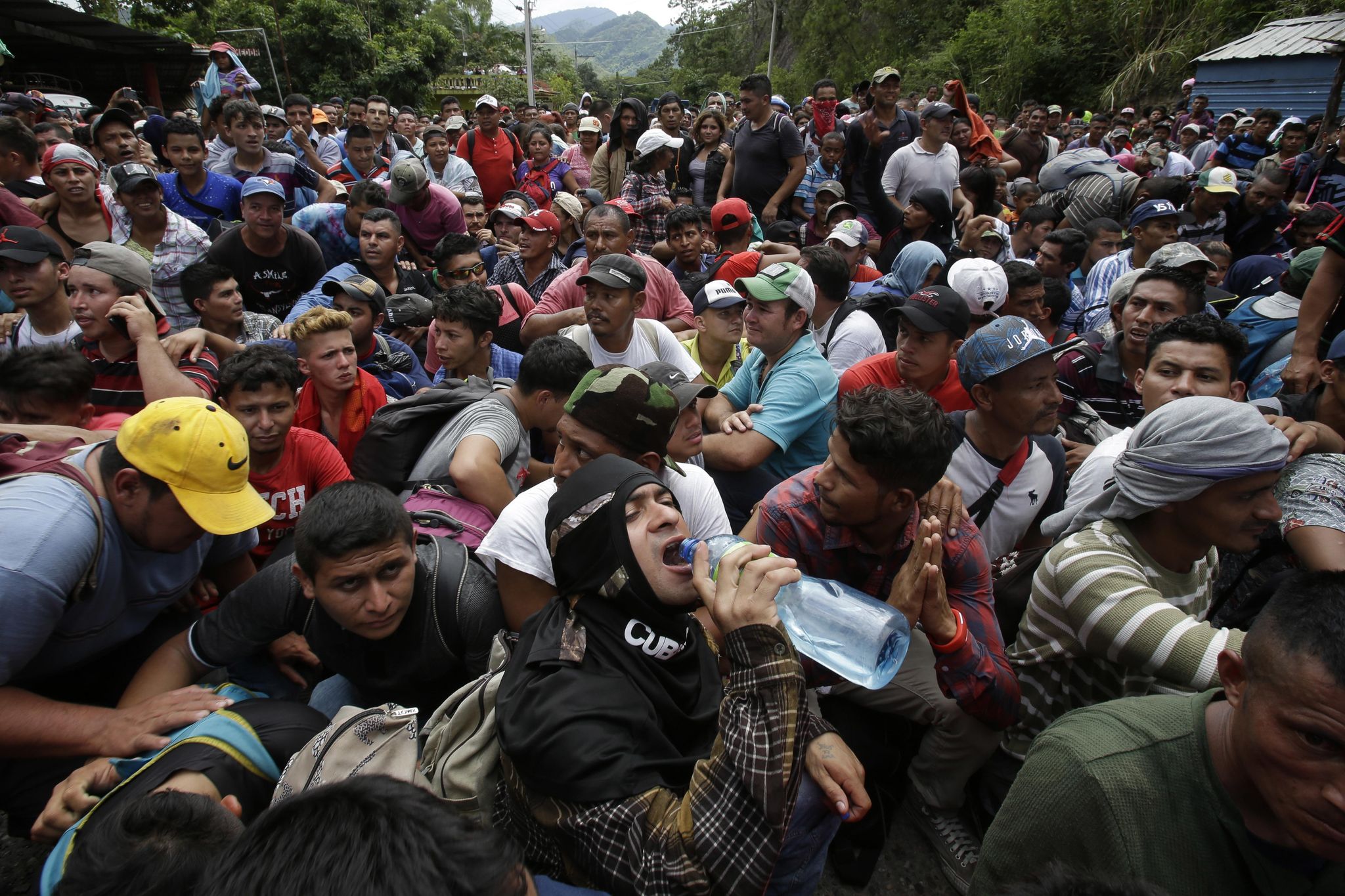
    ESQUIPULAS, Guatemala — A caravan of hundreds of Honduran migrants surged over the Guatemalan border under a broiling sun Monday hoping to make it to new lives in the United States, far from the poverty and violence of their home nation.

    Police stopped the migrants at a roadblock outside Esquipulas for several hours in the afternoon, but the travelers refused to return to the border and were eventually allowed to pass.

    Singing the Honduran national anthem, praying and chanting, “Yes, we can,” the group estimated at 1,600 or more had earlier defied an order by the Guatemalan government that they not be allowed to pass.

    “We have rights,” the migrants shouted.

    Keilin Umana, a 21-year-old who is two months pregnant, said she was moved to migrate to save herself and her unborn child after she was threatened with death.

    Umana, a nurse, said she had been walking for four days. “We are not criminals – we are migrants,” she said.

    Many in the caravan traveled light, with just backpacks and bottles of water. Some pushed toddlers in strollers or carried them on their shoulders.

    Carlos Cortez, a 32-year-old farmer traveling on foot with his 7-year-old son, said poverty back home made it impossible to support a family.

    “Every day I earn about $5,” Cortez said. “That isn’t enough to feed my family.”

    The caravan was met at the border by about 100 Guatemalan police officers. After a standoff of about two hours, the migrants began walking again. Outnumbered, the police did nothing to stop them and accompanied them several miles (kilometers) into Guatemalan territory.

    Officers then set up the roadblock about a mile (2 kilometers) outside the city of Esquipulas, where the migrants had planned to spend the night.

    The migrants were stuck for about three hours. About 250 police kept them from advancing and told them they had to return to the border to go through immigration. The migrants refused to budge and it appeared they would likely sleep on the highway.

    But the migrants begged police to let them continue, saying they weren’t criminals. Eventually officers let them pass and they planned to sleep in Esquipulas before continuing Tuesday.

    Some police and Guatemalan civilians offered the migrants water, and some locals drove Hondurans part of the way. Red Cross workers gave medical attention to some migrants who fainted in the heat.

    The caravan began as about 160 people who first gathered early Friday to depart from San Pedro Sula, one of Honduras’ most dangerous places, figuring that traveling as a group would make them less vulnerable to robbery, assault and other dangers common on the migratory path through Central America and Mexico.

    Local media coverage prompted hundreds more to join, and Dunia Montoya, a volunteer assisting the migrants, estimated Sunday that the group had grown to at least 1,600 people. Police gave their own estimate of around 2,000 on Monday.

    The caravan formed a day after U.S. Vice President Mike Pence urged the presidents of Honduras, El Salvador and Guatemala to persuade their citizens to stay home and not put their families in danger by undertaking the risky journey to the United States.

    In April, President Donald Trump threatened in April to withdraw foreign aid from Honduras and countries that allowed transit for a similar caravan that set out from the Central American country. That caravan dwindled as the group approached the U.S. border, with some giving up along the way and others splitting off to try to cross on their own.

    Historian Dana Frank, an expert on human rights and U.S. policy in Honduras, said the caravan could have political implications in the United States less than a month before the midterm elections.

    “Whatever the caravan’s origins, some in the United States will be quick to raise alarms about a supposed dangerous immigrant invasion, and use that to try to influence the upcoming U.S. elections,” Frank said. “Others will view these migrants with compassion and as further evidence of the need for comprehensive immigration reform … .”

    Frank added that the caravan’s rapid growth “underscores quite how desperate the Honduran people are – that they’d begin walking toward refuge in the United States with only a day back full of belongings.”

    In San Pedro Sula, where the procession started, sociologist Jenny Arguello said authorities wanted to make the mass migration out to be a political event, but it was just poor people fleeing violence.

    “From my community 20 went and one neighbor came back sad with his little backpack because when he arrived they had already left,” Arguello said. “You see that the need to leave is the priority. The people have already made up their minds and just hearing of the possibility they take off.”

    Honduras is largely dominated by murderous gangs that prey on families and businesses, and routinely sees homicide rates that are among the highest in the world.

    • Associated Press writers Maria Verza in San Pedro Sula and Martha Mendoza in Santa Cruz, California, contributed to this report.

  • Polish police use tear gas to protect gay rights march

    Polish police used tear gas and a water cannon Saturday against right-wing extremists who were trying to block the first equality parade in the city of Lublin in eastern Poland.

    WARSAW, Poland (AP) — Polish police used tear gas and a water cannon Saturday against right-wing extremists who were trying to block the first equality parade in the city of Lublin in eastern Poland.

    More than 1,000 lesbian, gay, bisexual and transgender rights activists with rainbow-colored flags and banners gathered Saturday in Lublin for the parade, while around 300 right-wing opponents stood in the march’s way. Police used tear gas, concussion grenades and high-pressured water to disperse them.

    The right-wing protesters pelted police with stones and dispersed, but some small groups tried to get through the police cordon that was protecting the march.

    The colorful parade then proceeded undisturbed.

    The march took place after Lublin’s Court of Appeals on Friday overruled a ban by Mayor Krzysztof Zuk, who had cited security concerns as his reason for banning the parade.

    Gay rights parades have been taking place for years in Warsaw, the capital, and many other cities in predominantly Catholic Poland, but the ruling conservative party is not supportive of gay rights groups.

    __

    This story has been corrected to show that 300 right-wing extremists tried to block the parade, not 3,000.

  • Honduras migrant caravan grows, heads for U.S.

    A caravan of more than 1,000 Hondurans is winding its way toward their country’s border with Guatemala, with the goal of reaching a better life in the United States.

    MEXICO CITY — A caravan of more than 1,000 Hondurans is winding its way toward their country’s border with Guatemala, with the goal of reaching a better life in the United States.

    Dunia Montoya, a volunteer helping the migrants, said the group planned to sleep Saturday inside an auditorium in Santa Rosa de Copan, a town several hours east by car from Guatemala.

    The migration began swelling spontaneously Friday after local media reported on approximately 160 migrants who had agreed to depart together for greater safety from San Pedro Sula. The aspiring migrants organized via WhatsApp chats.

    “People leave Honduras every day, but this is the first time (they do it) in a public way and in a group,” Montoya said in a telephone interview from Santa Rosa de Copan.

    Other Hondurans who had been thinking of leaving the country saw an opportunity to go with a support network. They stuffed backpacks with essentials and rushed to join the caravan.

    People lent vans and trucks to help the group, whose initial members had started out on foot. Hondurans offered bottles of water or food along the way.

    Montoya, who plans to stay in Honduras, said many in the caravan have tried multiple times to reach the U.S.

    Some did not enroll their children in school this year, planning to take off any day, she said. Others joined the group with months-old babies.

    Poor economic prospects are the main reason Hondurans want to leave the Central American country of 9.4 million people, according to a recent survey by the Center for Immigration Studies. Violence was the second most-cited reason.

    The United Nations Economic Commission for Latin America and the Caribbean projects 3.9 percent economic growth for Honduras this year. The Honduran Labor Ministry pegs unemployment at 6.7 percent, although nearly half of working age Hondurans are underemployed, meaning they can’t make ends meet with the amount of paid work they can secure.

    “There’s a misery and a violence that is overwhelming people. People no longer have faith in this country, and they are fleeing,” said Montoya.

    Maria Dolores Moreno, 31, said she stuffed a bag with a few personal belongings and grabbed her 10-year-old son to join the caravan Friday. She didn’t bring any money with her. She has been unemployed for more than a year, she said. Previously she sold Avon products.

    Moreno said by phone that she hopes to find a job – any job – anywhere in the United States.

    “We want to adopt the American dream,” she said.

  • Kevin McCarthy, House GOP leader, announces get-tough immigration bill

    House Majority Leader Kevin McCarthy announced Friday a new get-tough immigration bill that would build the rest of President Trump’s border wall, punish sanctuary cities and stiffen penalties on repe

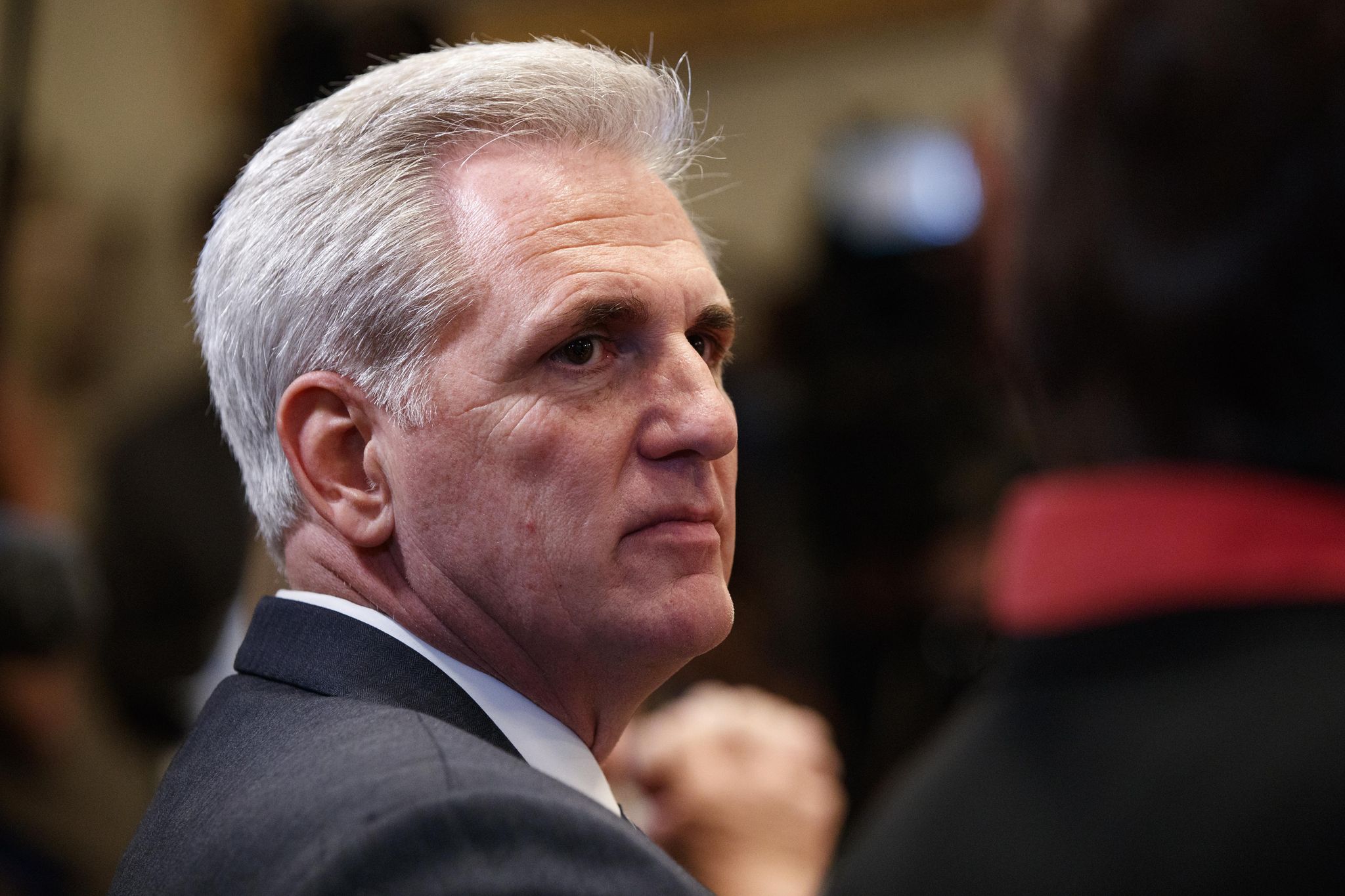
    House Majority Leader Kevin McCarthy announced Friday a new get-tough immigration bill that would build the rest of President Trump’s border wall, punish sanctuary cities and stiffen penalties on repeat-illegal immigrants.

    The bill is unlikely to see action in the near future but instead serves as a marker for House Republicans as they prepare for what’s likely to be a renewed immigration debate in December or, should Democrats win control of the House, early next year.

    “Maintaining strong borders is one of the basic responsibilities of any nation. For too long, America has failed in this responsibility,” Mr. McCarthy said in announcing the bill.

    Mr. Trump is likely to be most excited about the wall funding, which is symbolically important to fulfilling a campaign pledge, but the more substantive parts of the bill deal with withholding federal money from sanctuary cities, shrinking several categories of humanitarian relief and boosting jail time for illegal immigrants who amass serious criminal records.

    The bill does not cover illegal immigrant “Dreamers.”

    An earlier GOP push this year for a crackdown strategy toward illegal immigration faltered after a number of Republicans were unable to back the legislation because it didn’t include full citizenship rights for millions of illegal immigrants.

  • Trump teams with U.N. to battle drugs: ‘We commit to fighting the drug epidemic together’

    President Trump on Monday led a United Nation’s panel on combating the world drug crisis, saying a robust international effort could save millions of lives.

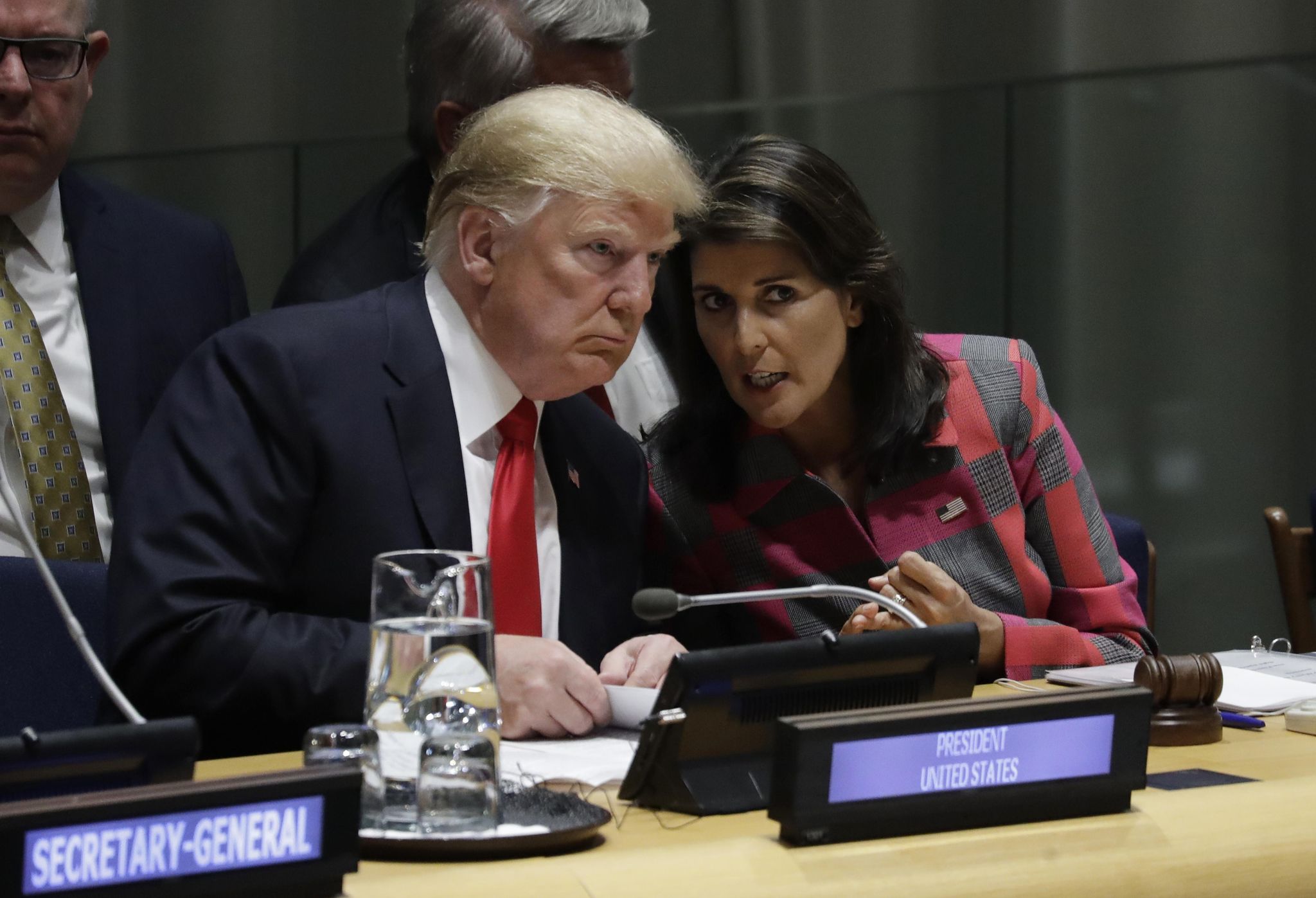
    President Trump on Monday led a United Nation’s panel on combating the world drug crisis, saying a robust international effort could save millions of lives.“Today we commit to fighting the drug epidemic together,” Mr. Trump told the panel, part of the U.N. General Assembly meeting in New York this week.Mr. Trump often clashes with the U.N. but the fight against illegal drug trafficking was an area where he sees eye-to-eye with the international body.The Trump administration pulled out of the U.N.’s Human Rights Council and the UNESCO cultural program.“I’ve always said the United Nations has tremendous potential and that potential is being met. Slowly but surely it is being met,” the president said.The president noted that cocaine and opium production reached an all-time high and the number of drug-related deaths around the world increased 60 percent between 2000 and 2015.He called the death toll “absolutely terrible.”“As we know, illicit drugs are linked to organized crime, illegal financial flows, corruption and terrorism,” he said. “It is vital for public health and national security that we fight drug addiction and stop all forms of trafficking and smuggling that provide the financial lifeblood for vicious transnational cartels.”

  • Understanding ‘illiberal democracy’ and the fight for the West

    Western leftists likes to mock Hungarian Prime Minister Viktor Orban when he infamously said that Hungary would pursue an “illiberal democracy” in opposition to Western European social democracy &mdas

    ANALYSIS/OPINION:

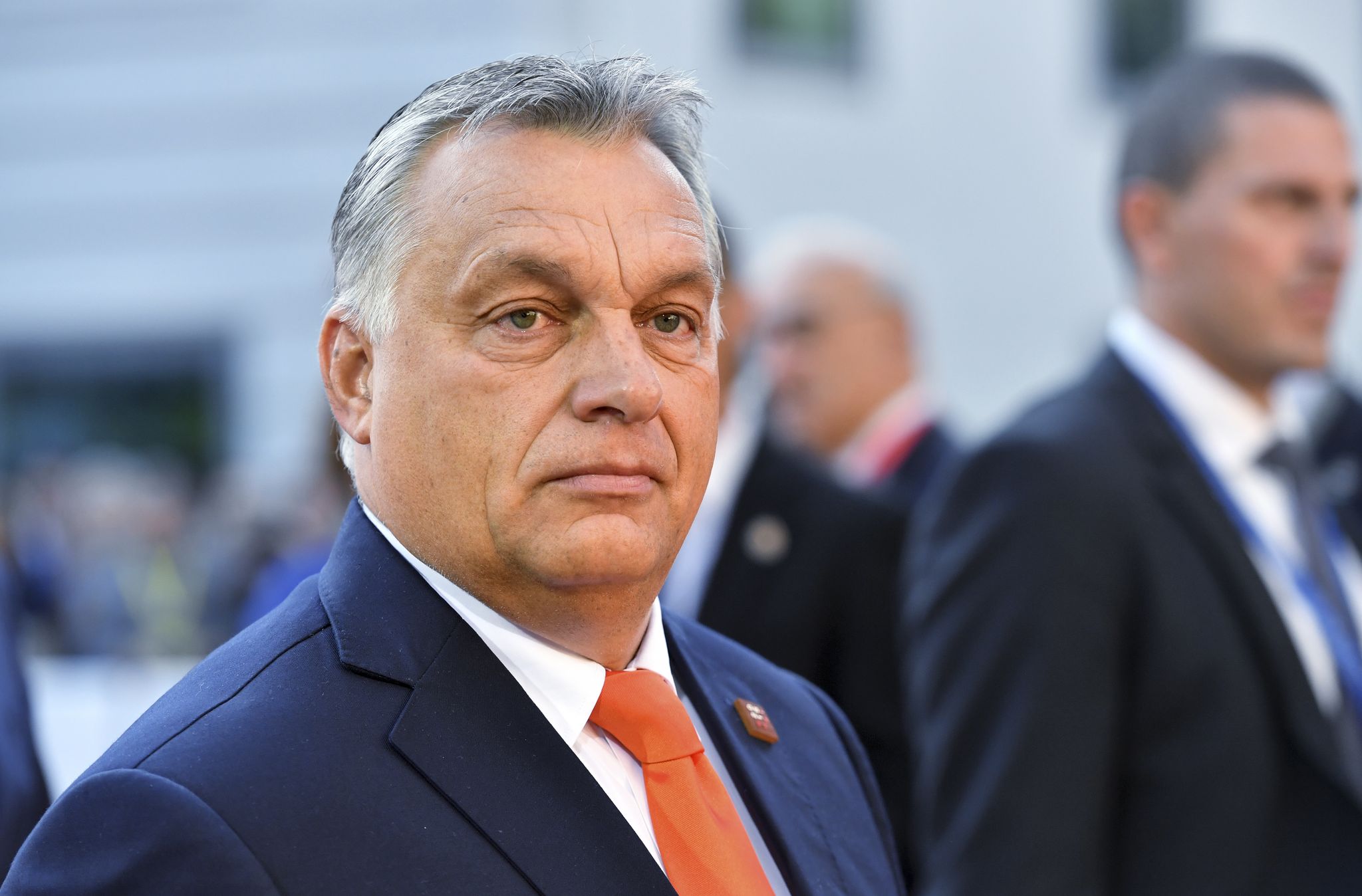
    Western leftists likes to mock Hungarian Prime Minister Viktor Orban when he infamously said that Hungary would pursue an “illiberal democracy” in opposition to Western European social democracy — which might more accurately be labeled as intolerant socialism. If one wants to be intellectually rigorous (not a virtue common among liberals), it’s necessary to dig deeper into Mr. Orban’s concept to see what he is actually talking about.

    The big beef that Hungary and other Central European nations have with European liberal democracies is that they are not liberal at all. They are totalitarian, especially if you do not share their views. Just ask Tommy Robinson, the right-wing activist sent to jail essentially for espousing his beliefs in public in the United Kingdom.

    The unelected leaders and bureaucrats within the European Union have taken it upon themselves to inflict their view of the world upon the continent and beyond. It’s a culturally Marxist agenda, one that threatens the very existence of nations as sovereign entities in Europe.

    This agenda includes the destruction of Europe’s Christian past; the welcoming of millions of migrants from North Africa and the Middle East who lack a common cultural heritage with Europe; the demonization of Israel; the suppression of free speech and freedom on the internet if they threaten liberal pieties; and the unconditional erasure of national borders and local control.

    This is not “liberalism” in any classic sense. It is much more accurately defined as elite control and supernationalist totalitarianism.

    The small countries of Central Europe, known as the Visegrad nations, have had enough. Of course they do not want this future for their children. Who would?

    When Mr. Orban and the Poland’s ruling Law and Justice Party talk of “illiberal democracy,” they are attacking the dangerous, undemocratic agenda of the George Soros-backed EU crowd who want to destroy the nations of Europe. Christian Central Europeans don’t want to be overrun and will not be bullied by Brussels. They will not be bought off with EU money.

    Luckily for Europe, this rejectionist viewpoint is starting to spread, as nations like Italy and Austria are also questioning the internationalist dogma and have recently elected right-of-center nationalist governments.

    Leftists try to dismiss any opposition to their agenda and narrative with epithets such as “far-right,” “Nazi” or “extremist.” But ordinary people are starting to see through this charade, and the name-calling doesn’t really work anymore.

    The NGOs that Hungary kicked out of the country were of course engaged in political agitation. These groups were enabling the migrant crisis into Europe for a reason. They did not care about these so-called “refugees.” They cared only for the undermining of European society as it once existed. It is the same agenda we see playing out in the United States, with President Trump’s critics pushing for unlimited immigration, open borders and giving the vote to illegal aliens.

    Those on the left know they cannot win elections on a sustainable basis with such an agenda. So, instead of trying to win over voters, they try to change the make-up of who gets to vote. Presto! Promise the migrants everything in exchange for the vote, while those evil white men will pay for everything.

    As Mr. Orban put it shortly after winning a third term in office this year, “We have replaced a shipwrecked liberal democracy with a 21st-century Christian democracy, which guarantees people’s freedom, security. … It supports the traditional family model of one man and one woman, keeps anti-Semitism at bay, and gives a chance for growth.”

    It is Mr. Orban’s critics who are being dishonest about their “progressive” agenda in Europe and what lies behind their definition of liberal democracy. I don’t support everything that Mr. Orban and some of his nationalist allies have done to restrict press freedom and the like, but as the saying goes, let those without sin cast the first stone. Hungary, Poland, and the Czech Republic are fighting the good fight against the leviathan of European socialism. They are trying to save their peoples from the destructive policies of Brussels.

    That may be liberal or illiberal, but the conversation in the media on the debate and the stakes could use a whole lot more honesty.

    L. Todd Wood is a former special operations helicopter pilot and Wall Street debt trader, and has contributed to Fox Business, The Moscow Times, National Review, The New York Post and many other publications. He can be reached at LToddWood.com.

  • The Latest: Aid group refuses migrants from US Navy ship

    The Latest on the flow of migrants into Europe (all times local):

    CATANIA, Sicily (AP) – The Latest on the flow of migrants into Europe (all times local):

    10:05 p.m.

    A German humanitarian group says it is declining to take aboard 41 migrants rescued by a U.S. Navy ship because Italy has refused to assign the group’s ship a port where it can dock.

    Sea Watch, whose rescue vessel is operating off Libya’s northern coast, said the migrants were picked up by the Navy after their rubber dinghy sank and at least 12 people died. The group said Wednesday the survivors need immediate care on land.

    The group cited Italy’s recent refusal to let another group’s rescue ship dock as the reason it was not taking on the passengers the U.S. Navy ship Trenton rescued Tuesday.

    Sea Watch confirmed it had space on board its ship and food for 41 passengers, “but that without an assigned place of safety, Sea-Watch 3 isn’t in a position to carry out a transfer” of migrants from the Trenton.

    The U.S. Sixth Fleet says it is coordinating with its partners on where the migrants will go.

    ___

    6:10 p.m.

    German Chancellor Angela Merkel is heading for a showdown with her conservative allies in a dispute over whether to turn back some refugees at the border.

    Horst Seehofer, who heads the Bavaria-only sister party to Merkel’s center-right Christian Democratic Union, made the proposal as part of a 63-point plan to crack down on illegal migration.

    As interior minister, Seehofer oversees border control and migration, and his party is under pressure to take a hard line ahead of state elections in Bavaria this fall.

    Seehofer told reporters Wednesday that he wants an agreement this week, and backed the idea of an Italian-Austrian-German “axis” to tackle illegal migration.

    Speaking at a separate event, Merkel said she wants a “solution for all of Europe” rather than one that works only for some countries.

    ___

    3:10 p.m.

    Italy’s finance minister has canceled a planned meeting in Paris with his French counterpart after the two countries clashed over Italy’s decision to refuse entry to a migrant rescue ship.

    The office of Finance Minister Giovanni Tria confirmed Wednesday’s meeting with Bruno Le Maire had been scrapped. Le Maire’s office confirmed the cancellation. No reason was given by either office.

    But earlier, Italy’s foreign ministry warned that relations had been compromised by France’s public criticism that Italy’s decision to refuse entry to the migrant ship Aquarius had been “cynical” and irresponsible.

    Italy summoned the French ambassador to protest and demanded an official apology.

    Italy has defended its decision to refuse the Aquarius and its 600 passengers entry. Spain has offered to take it in and the ship is currently on the days long voyage to Valencia.

    ___

    2:15 p.m.

    The U.N. refugee agency chief says a bitter dispute over which European country should take in a rescue boat carrying hundreds of migrants in the Mediterranean is “profoundly shameful” for the European Union.

    Filippo Grandi railed against the dispute involving France, Italy, Malta and Spain over the Aquarius, which is carrying some 629 migrants who left from Libya.

    Speaking to reporters in Geneva, Grandi said the EU can expect more such incidents in coming weeks as long as it remains divided on its policies toward migrants and refugees.

    Spain offered to take in the Aquarius after Italy and Malta refused to do so. French President Emmanuel Macron criticized the Italian government’s refusal.

    Grandi said closing ports wrongly threatens “rescue at sea” – a requirement under international law – but said Italy’s reasoning was “something that we need to listen to.”

    ___

    2 p.m.

    France’s foreign ministry spokeswoman says France is fully aware of the burden weighing on Italy amid the migrant crisis, and of the efforts made by the country.

    Agnes von der Muhll says “none of the comments by French authorities have questioned this, nor the need for a close coordination between Europeans”, in a written statement Wednesday.

    She wouldn’t comment any further on the decision of Italian Foreign Minister Enzo Moavero Milanesi to summon the French ambassador on Wednesday following comments by the French president on Italy’s refusal to allow a ship carrying rescued migrants to dock.

    French President Emmanuel Macron is to meet with new Italian Premier Giuseppe Conte on Friday in Paris.

    Migrant-related issues will be at the heart of the discussions and France hopes to maintain a “close dialogue” with its neighbor, the statement says.

    ___

    1:35 p.m.

    The leader of Austria and Germany’s conservative interior minister say their countries will cooperate with Italy to tackle the problem of illegal migration.

    Austrian Chancellor Sebastian Kurz said an “axis of the willing” between Rome, Vienna and Berlin makes sense because the countries form one of the main travel routes into Europe for migrants who have crossed the Mediterranean.

    Kurz told reporters in Berlin that a growing number of European governments agree on the need to curb uncontrolled migration and crack down on people trafficking.

    Horst Seehofer, Germany’s interior minister, said he spoke Tuesday to his Italian counterpart, adding that the three countries would press ahead on the issue.

    Seehofer has taken a tough line on immigration that’s put him at odds with German Chancellor Angela Merkel.

    ___

    1:15 p.m.

    Italy’s foreign ministry says French criticism of its handling of the migrant ship Aquarius is “unacceptable,” and is compromising their diplomatic relations.

    The ministry issued a statement after Foreign Minister Enzo Moavero Milanesi summoned the French ambassador to complain on Wednesday. The French charge d’affairs, Claire Anne Raulin, represented France as the ambassador was out of Rome.

    In the statement, Italy said France could have made its views privately, and considered the public complaints by President Emmanuel Macron “unacceptable” and “unjustified.” Macron had said Italy had been cynical and irresponsible for having denied entry to the Aquarius, a rescue vessel with more than 600 migrants onboard.

    The ministry said: “Such declarations are compromising relations between Italy and France.” It added that Italy was waiting for French to take action to “heal the situation that has been created.”

    ___

    11:40 a.m.

    Italy is challenging France to take in the migrants it promised to under an EU agreement, and has accused France of turning back some 10,000 migrants at Italy’s northern border.

    Interior Minister Matteo Salvini blasted the French critique of its handling of the Aquarius migrant ship standoff during a speech to Parliament on Wednesday. Salvini demanded an apology after French President Emmanuel Macron accused Italy of cynical, irresponsible behavior by refusing to let the Aquarius dock in an Italian port.

    Salvini said France had committed to accepting 9,816 migrants under a 2015 EU redistribution scheme to relieve front-line countries of the pressure of asylum-seekers. The scheme has never gotten off the ground.

    Salvini said in three years, France has accepted only 640 people. “So I ask President Macron to pass from words to action and tomorrow morning welcome the 9,816 France promised to welcome as a sign of concrete generosity and not just words.”

    ___

    10:45 a.m.

    The co-founder of the SOS Mediterranee charity says three ships carrying 629 migrants are expected to arrive around Saturday night at the Spanish port of Valencia, depending on weather conditions.

    Sophie Beau said Wednesday in a news conference in Marseille, France, “it’s a relief for everyone, our teams and of course above all for the survivors to know that they are finally allowed to head to a safe port in Europe.”

    Beau said while the rescue ship the association operates, the Aquarius, is travelling the 1,500 kilometers (930 miles) to Spain, new victims “are dying under our eyes.”

    She called on European countries to set up a fleet to save human lives in the Mediterranean Sea.

    Spain offered to welcome migrants aboard the Aquarius rescue ship after Italy and Malta refused to take them in.

    Italy sent two ships operated by the Italian navy and coast guard to take on some of the migrant passengers and escort the ship on the voyage.

    ___

    10:40 a.m.

    Italy’s coast guard says its ship Diciotti has brought 932 migrants to shore in Catania, Sicily, as a diplomatic standoff continues over Italy’s refusal to let another rescue ship dock.

    The Diciotti was also carrying the corpses of two people who died during their voyage, a woman and a teenage boy.

    Thirteen of the passengers disembarking in Catania are pregnant and 208 are minors. The passengers hailed from Eritrea, Sudan, Mali, Ivory Coast and Guinea.

    During the voyage to Sicily, four pregnant women and a man suffering from fever were evacuated urgently and taken to hospitals.

    The Aquarius migrant ship operated by SOS Mediterranee has been refused entry to Italian ports. It is now heading to Spain.

    ___

    9:25 a.m.

    Italy has summoned the French ambassador for consultations after French President Emmanuel Macron criticized what he called Italy’s cynicism and irresponsibility in turning away a migrant rescue ship with more than 600 people aboard.

    A statement from the foreign ministry said the ambassador had been summoned Wednesday morning “following the statements given in Paris yesterday about the Aquarius.”

    Macron’s office said Tuesday that France doesn’t want to “start a precedent” that would allow some European countries to breach international laws and rely on other EU member states to take in migrants.

    Spain has agreed to accept the Aquarius in its port in Valencia.

    ___

    9:15 a.m.

    An Italian coast guard vessel has docked in Sicily with more than 900 migrants aboard, evidence that Italy’s new anti-migrant government is still taking in some asylum-seekers but is forcing the rest of Europe to accept others.

    Crew aboard the Diciotti began disembarking passengers in Catania’s port early Wednesday. At the same time, the Aquarius vessel of the aid group SOS Mediterranee continued its days long westward voyage to Spain, where it was rerouted after Italy and Malta refused it entry.

    The fates of the two ships are evidence of the policy shift by Italy’s new populist government: refuse entry to rescue ships of European-flagged aid groups, but allow Italian maritime vessels in its ports.

    The shift has heightened tensions in Europe, with France accusing Italy of “cynical” and irresponsible behavior.

  • Trump calls Texas shootings a ‘horrific attack’

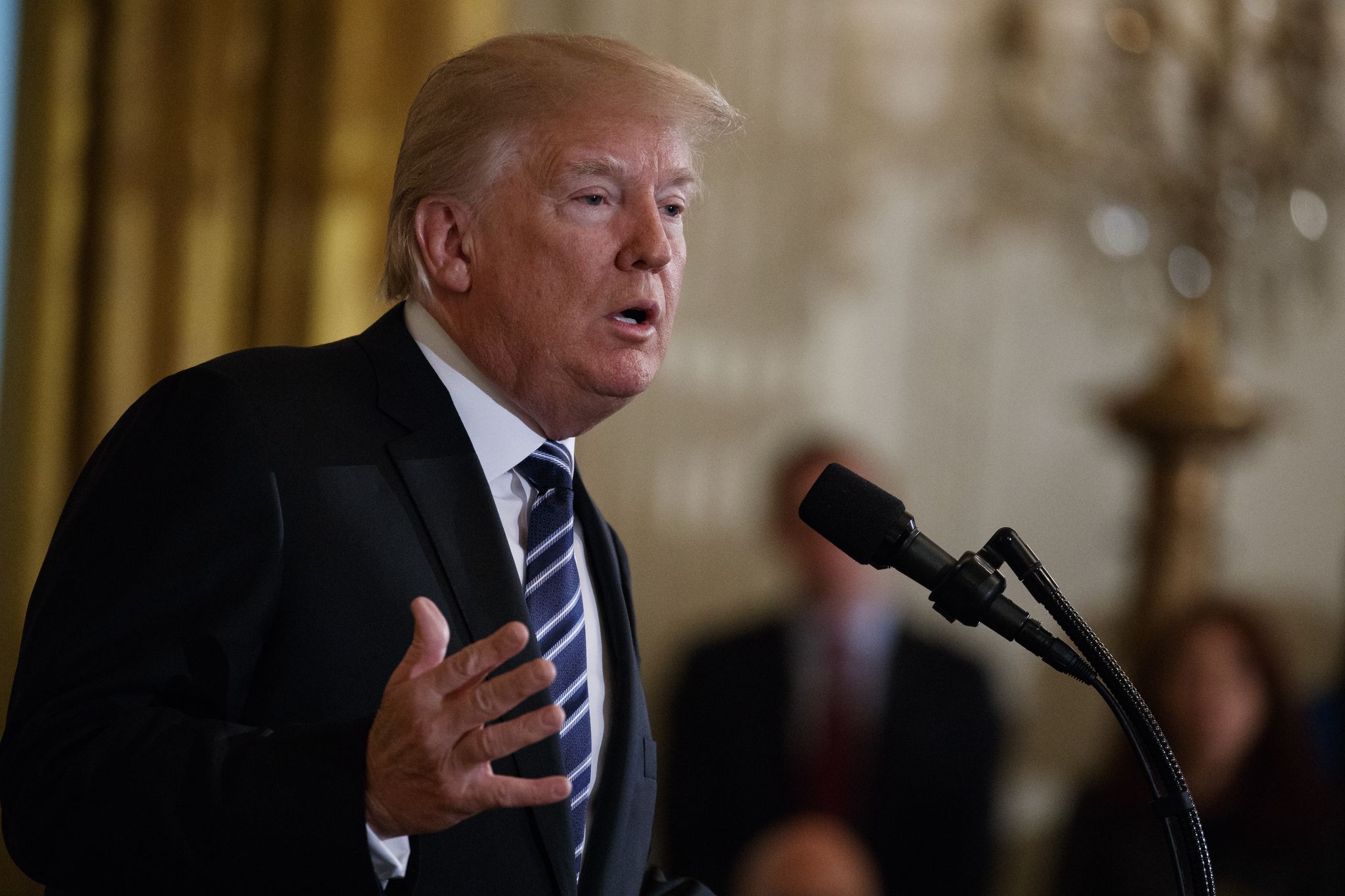
    President Trump called Friday’s school shooting in Texas a “horrific attack” and said the government must do more to keep guns out of the hands of dangerous people.

    President Trump called Friday’s school shooting in Texas a “horrific attack” and said the government must do more to keep guns out of the hands of dangerous people.

    “This has been going on for too long in our country,” Mr. Trump said at the White House, calling it “a very sad day.”

    Mr. Trump said the administration is “closely monitoring” the situation in Texas, where at least nine people were killed Friday morning in a shooting at a high school in Santa Fe.

    “My administration is determined to do everything in our power to protect our students, secure our schools and keep weapons out of the hands of those who pose a threat to themselves and to others,” the president said. “Everyone must work together at every level of government to keep our children safe. May God be with the victims, and with the victims’ families.”

  • Trump calls for prison reform, more job training for inmates

    President Trump said Friday that the U.S. can reform prisons and release more inmates without endangering communities

    President Trump said Friday that the U.S. can reform prisons and release more inmates without endangering communities

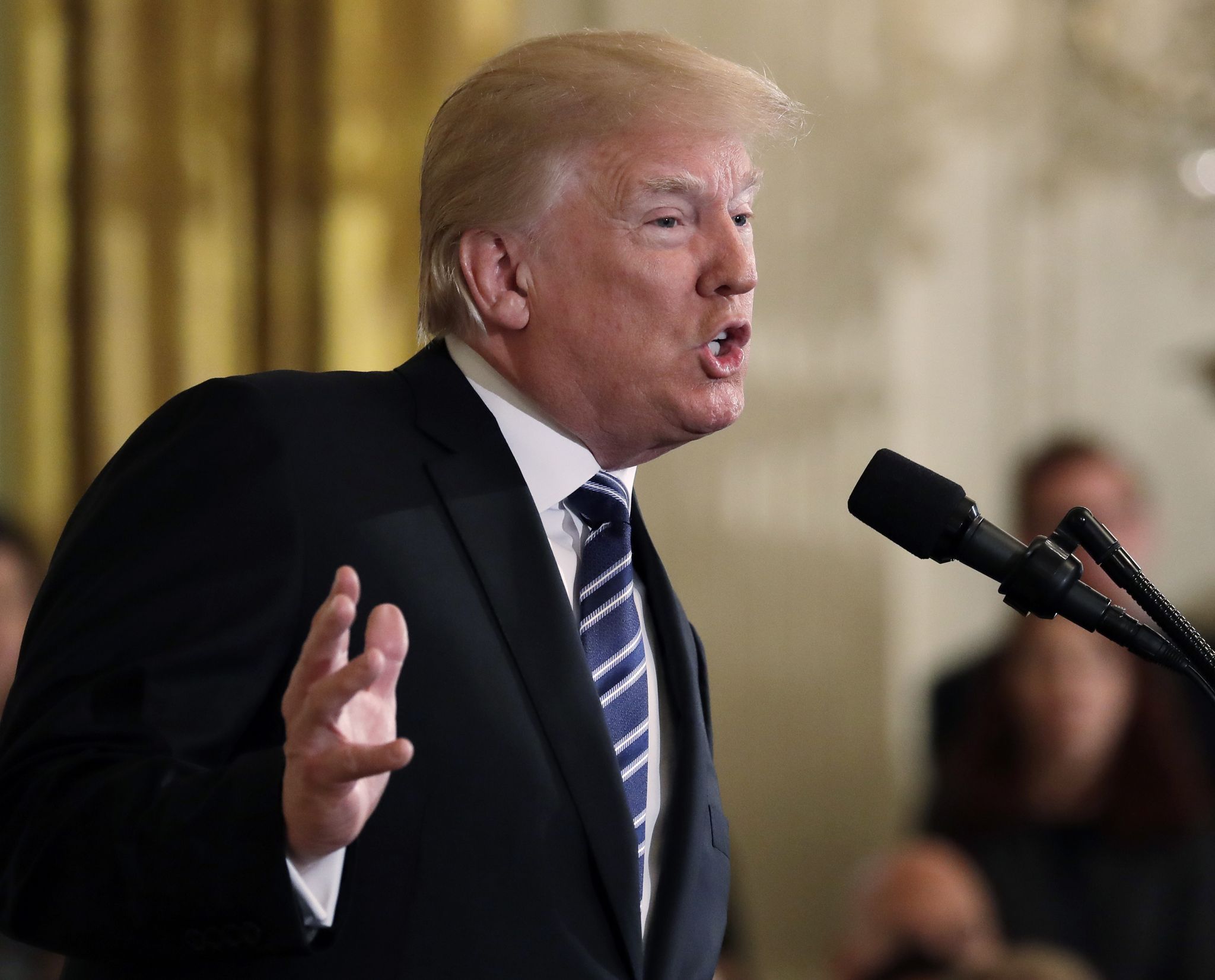
    Hosting a summit on prison reform at the White House with state and federal officials, faith leaders and others, the president said legislation moving through Congress can help to reduce crime and save tax dollars.

    “Our whole nation benefits if former inmates are able to reenter society as productive, law-abiding citizens,” Mr. Trump said.

    About 620,000 inmates are released from prison annually after completing their sentences. But the president said that more than 33 percent of federal inmates, and more than three-fourths of state inmates, are re-arrested within five years.

    “We want former inmates to find a path to success so they can support their families and support their communities,” the president said. “Crucial to this effort is helping former prisoners find jobs. It is not merely a waste of money, but a waste of human capital … to put former inmates on public assistance instead of placing them into a steady job where they can pay taxes, contribute to their country, gain dignity and pride that comes with a career.”

    The event was moderated by Van Jones, a former Obama administration official and CNN commentator who has frequently criticized Mr. Trump. The president thanked Mr. Jones “primarily because he constantly says such nice things about me.”

    “Not too often … it does feel good,” Mr. Trump joked.

    Among those attending was Freedom Partners Chairman Mark Holden, who said the goal is for Congress to approve prison reform this year.

    “States have proven that preparing prisoners for reentry starting on day one of their sentences will increase public safety, reduce recidivism, bring incarceration rates down and save taxpayers money,” Mr. Holden said.