Blog

  • Colleges, universities see decline in public confidence

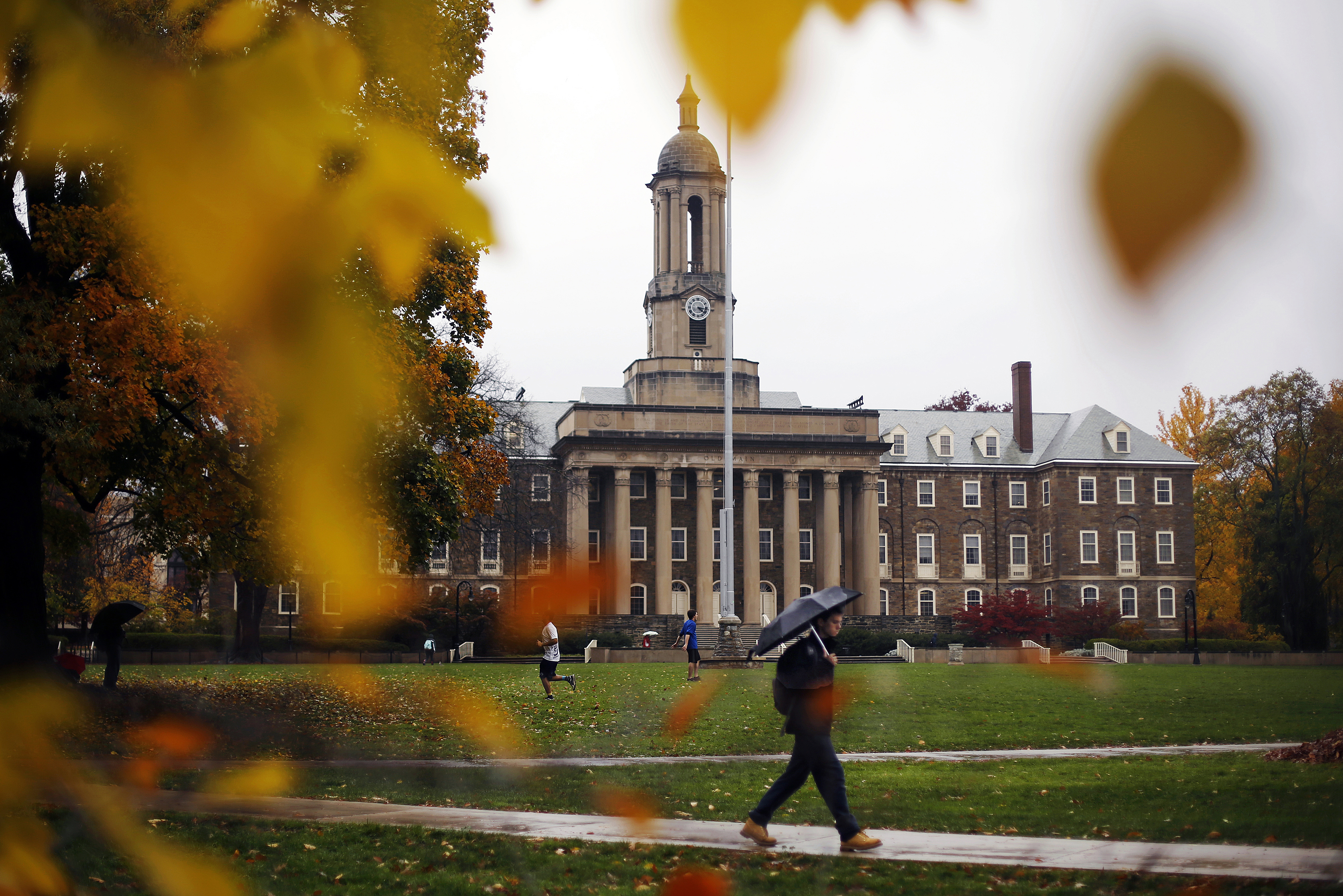
    Soaring tuition costs, degrees of dubious value and nonstop student activism have combined to bring public confidence in the ivory tower tumbling down.

    Soaring tuition costs, degrees of dubious value and nonstop student activism have combined to bring public confidence in the ivory tower tumbling down.

    Even college and university presidents acknowledge that the country is becoming disillusioned with higher education. In a recent survey conducted by Inside Higher Ed and Gallup, 51 percent of institution leaders said the 2016 election “exposed that academe is disconnected from much of American society.”

    The erosion of higher education’s brand comes as no surprise to Cornell Law School professor William A. Jacobson. He said the public’s negative perception of academia reflects the “reality of left-wing bias disconnected from American society.”

    “Particularly in the humanities and social sciences, many faculty view political activism and indoctrination as a core part of their academic mission,” said Mr. Jacobson, who runs the Legal Insurrection blog. “While they may have the academic freedom to do so, there is a price to pay for the higher educational system.”

    When asked to assess which factors are responsible for the negative view of higher education, 86 percent of college and university presidents cited the perception of liberal bias on campus.

    Seventy-seven percent said they are worried about the way conservatives view higher education, and 65 percent said the perception that colleges and universities are intolerant of conservative ideas is having a major impact on higher education.

    Despite their concern, less than one-third of college presidents agreed that conservative ideas are not tolerated on campus. Only 12 percent said Republican doubts about higher education are justified.

    Ninety-eight percent of college presidents said concerns about affordability and student debt are factors contributing to higher education’s image problem, and 95 percent pointed to concerns about whether college education adequately prepares students for careers.

    Yet university presidents said economic concerns also have more to do with perception than reality.

    Eighty-six percent said the attention paid to student debt has “led many prospective students and parents to think of college as less affordable than it is, taking into account student aid.”

    Just 16 percent of institution leaders said Americans have an “accurate view of the purpose of my sector of higher education,” and 14 percent said most Americans have an “accurate view of the purpose of higher education.”

    Lanae Erickson Hatalsky, vice president for social policy at Third Way, a left-leaning higher education think tank, knocked campus heads for chalking up dissatisfaction with their institutions to misperception.

    “The presidents 100 percent think it’s about perception,” Ms. Erickson Hatalsky told Inside Higher Ed. “There’s little acknowledgment that there might be a kernel of truth” to the public concerns.

    The survey suggests that college presidents may have tunnel vision when it comes to their institutions.

    Eighty percent of presidents said race relations are “good” or “excellent” on their campuses, and just 1 percent described them as “poor.” But when asked to evaluate race relations in higher education in general, just 20 percent described them as “good” or “excellent,” and 14 percent said they were “poor.”

    The Inside Higher Ed/Gallup survey polled 618 college and university presidents from Jan. 3 to Feb. 1.

    It builds on studies that have documented a rapid decline in Republican views toward higher education.

    A survey released last year by the Pew Research Center shows that just 36 percent of Republicans believe colleges and universities have a positive effect on the way things are going in the country, compared with 58 percent who say they have a negative effect.

    Those numbers are nearly reversed from 2010, when 58 percent of Republicans said higher education has a positive effect and 32 percent a negative effect.

    Seventy-two percent of Democrats, meanwhile, had a high regard for higher education, which is up slightly from 65 percent in 2010.

    Terry W. Hartle, senior vice president for government and public affairs at the American Council on Education, said discontent with higher education has more to do with economics than culture, citing focus groups with Trump voters in Florida and Pennsylvania.

    “They overwhelmingly think the value [of a degree] has declined, and they measure value by economic return,” Mr. Hartle told Inside Higher Ed. “They think you don’t need a college education to get a good job, but their own kids are going to go to college, and they think it’s too expensive.”

    Mr. Jacobson, the Cornell Law School professor, said the first step for university presidents is to recognize that there is a problem.

    “At least a substantial number of university presidents recognize the problem and how it has undermined public confidence in higher ed,” he said. “Whether and what they can do about it is the challenge.”
  • Munilla Construction Management, Figg Bridge Engineers involved in collapses before FIU

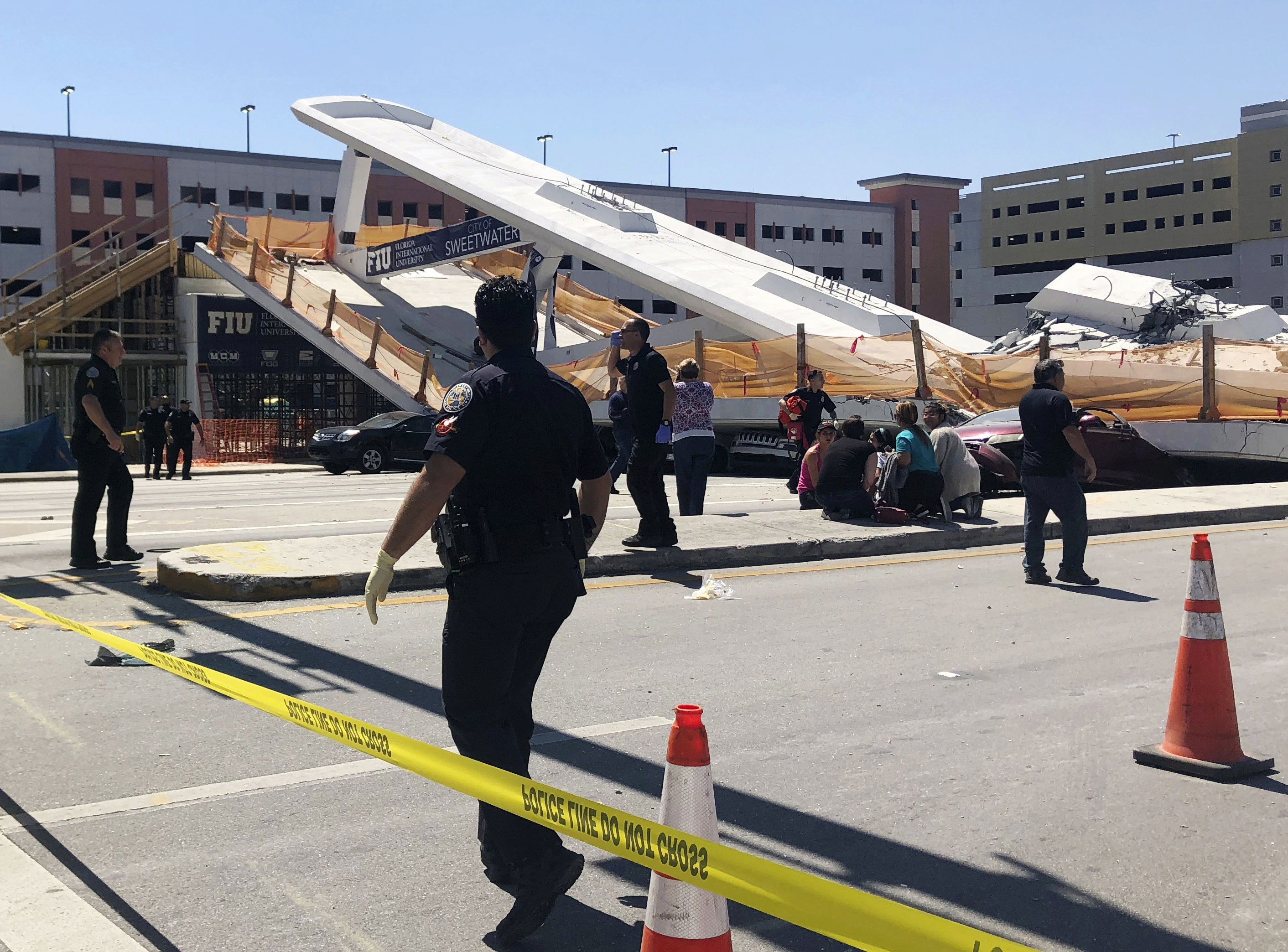
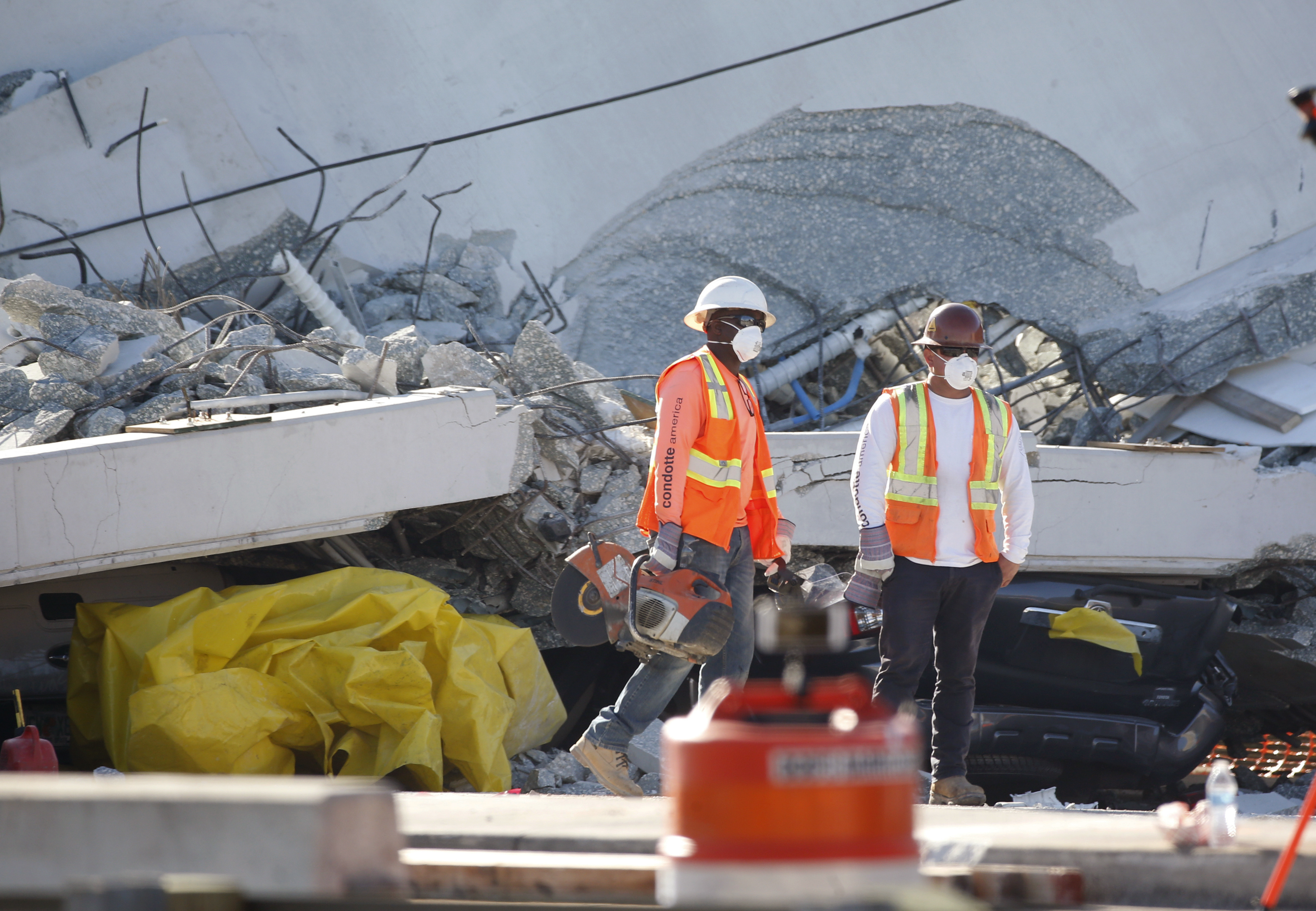
    Two companies involved in building the bridge that collapsed Thursday at Florida International University have been accused of shoddy work resulting in bridge collapses in recent years.

    Two companies involved in building the bridge that collapsed Thursday at Florida International University have been accused of shoddy work resulting in bridge collapses in recent years.

    According to a report in the Miami New Times, lead contractor Munilla Construction Management was sued less than two weeks ago over the collapse of a “makeshift bridge” built at Fort Lauderdale-Hollywood International Airport as part of a major airport expansion.

    According to a lawsuit filed March 5 in Miami-Dade Civil Court, TSA worker Jose Perez was traversing the bridge last October when it “broke under [his] weight.”

    SEE ALSO: Company that built collapsed FIU bridge offers ‘thoughts and prayers’

    “They built this makeshift bridge in the area where all the employees work, and it was poorly done. He fell and hurt himself really badly,” Tesha Allison, a lawyer representing Mr. Perez, told the New Times. “He had multiple broken bones and damage to his spine… They did shoddy work.”

    The company that designed the bridge — Figg Bridge Engineers — had an even worse accident on a bigger project happened almost six years ago in Virginia, according to the New Times.

    Four workers were injured in June 2012 when Figg-assembled span fell apart, causing “a 90-ton concrete portion of the South Norfolk Jordan Bridge to drop 40 feet onto railroad tracks below,” New Times wrote.

    State regulators called it luck that nobody was killed.

    “They were fortunate that the injuries were not more serious,” Jay Withrow, director of the legal support division for the Department of Labor and Industry, told the Norfolk Virginian-Pilot.

    Mr. Withrow’s department fined Figg $28,000 for several violations of safety rules, though the company’s manager on that project called the violations unrelated to the completed bridge’s stability.

    “The incident that occurred during construction was a construction equipment property damage issue that had nothing to do with the final bridge,” W. Jay Rohleder told the Virginian-Pilot.

  • Miami pedestrian bridge collapse is a homicide case but doesn’t mean criminal charges: Police

    Miami-Dade Police Department Chief Juan Perez said Friday that the bridge collapse in Florida is a homicide investigation, but added that doesn’t mean there will be criminal charges.

    Miami-Dade Police Department Chief Juan Perez said Friday that the bridge collapse in Florida is a homicide investigation, but added that doesn’t mean there will be criminal charges.

    “We’re not there yet. We don’t even know if it’s going to lead to that,” Mr. Perez said at a press conference in Miami.

    The pedestrian bridge collapsed Thursday afternoon and left six people dead at the last count. Recovery efforts are still underway, but officials said they are not hopeful there will be any more survivors. The newly installed bridge was on Florida International University’s campus in Miami.

    SEE ALSO: Two companies in FIU bridge construction accused of ‘shoddy’ work in previous collapses

    National Transportation Safety Board Chairman Robert Sumwalt said the agency brought a full investigative team to the area Thursday night and said their investigation differs from what local authorities are looking at.

    “We’re charged by Congress to investigate transportation accidents, to determine the cause, [and] to make recommendations so that something like this does not happen in the future,” Mr. Sumwalt said.

  • Russia retaliates against sanctions, puts more Americans on its ‘blacklist’

    Moscow is striking back against new U.S. sanctions by expanding the number of Americans on its “blacklist,” Russian Deputy Foreign Minister Sergei Ryabkov said Friday.

    Moscow is striking back against new U.S. sanctions by expanding the number of Americans on its “blacklist,” Russian Deputy Foreign Minister Sergei Ryabkov said Friday.

    “Those [American] politicians are playing with fire by destroying Russian-American relationship because simultaneously they shake global stability,” Mr. Ryabkov said, according to a report by the new service RIA.

    It is the first retaliation for the Trump administration slapping new sanctions on Russian individuals and entities, including Russian spy agencies, for meddling in the 2016 U.S. election and cyberattacks on the U.S.

    SEE ALSO: Russia will expel British diplomats in poisoning standoff

    Tension between the West and Russia reached the breaking point this month with a nerve-gas assassination attempt for a former double agent and his daughter in the U.K.

    U.S. national security officials cited the assassination attempt and cyberattacks, including a series of attacks on America’s power grid, nuclear power plants and aviation, as contributing to the sanction regime.

    Mr. Rybkov said adding more Americans to the “blacklist” would maintain Moscow’s policy of parity in sanctions.

    The Trump administration expanded sanctions against Russia by 19 individuals and five entities, Russian spy agency FSB and Russia’s military intelligence agency GRU.

    Russian President Vladimir Putin, who is expected to easily win re-election Sunday, has denied his country was involved in election meddling.

    Moscow also denies involvement in the nerve-agent attack in Britain.

  • Mystery surrounds how ex-Russian spy was poisoned in U.K.

    As British authorities investigate the poisoning of a former Russian spy and his daughter in England, there is much mystery about how exactly the brazen attack was carried out. Here are some of the un

    LONDON (AP) — As British authorities investigate the poisoning of a former Russian spy and his daughter in England, there is much mystery about how exactly the brazen attack was carried out. Here are some of the unanswered questions that British officials are chasing:

    WHERE DID THE NERVE AGENT ORIGINATE?

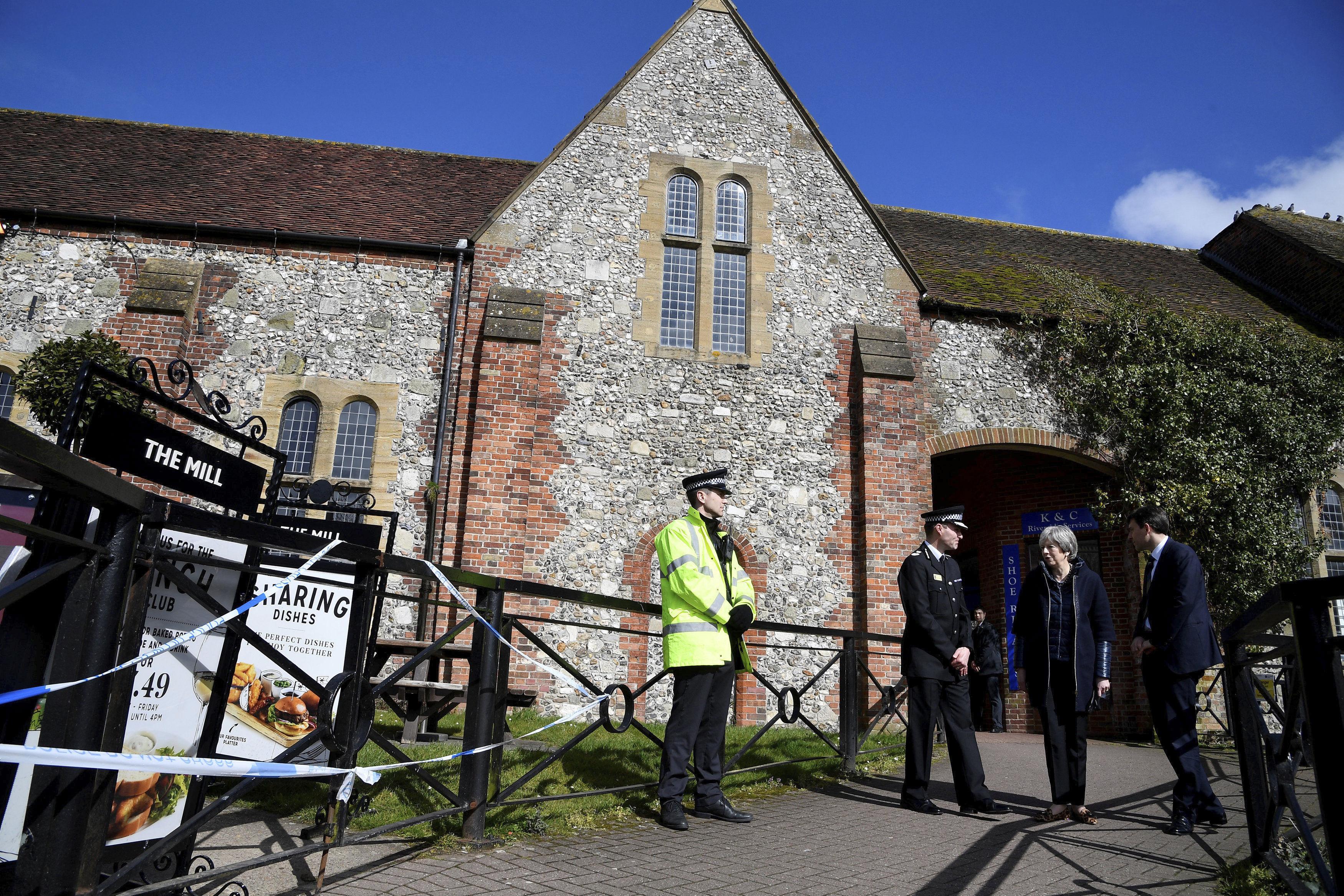
    British Prime Minister Theresa May has declared that former Russian military intelligence officer Sergei Skripal and his daughter Yulia were poisoned March 4 in Salisbury with Novichok, a class of military-grade nerve agents developed by the Soviet Union at the end of the Cold War. They are both in critical condition.

    Hamish de Bretton-Gordon, an ex-commander of the British Army’s chemical, biological, radiation and nuclear regiment, said Novichok was only ever manufactured at one site, a military laboratory at Shikhany in central Russia.

    De Bretton-Gordon said there were rumors of a Novichok test in Uzbekistan in the 1980s but that any of the remaining nerve agent from that experiment would have lost its toxicity – and that the agent used to poison the Skripals was extremely toxic. He said it was “very unlikely” the Novichok used in Salisbury could have been lost or stolen in the years after the Soviet Union collapsed in 1991.

    Russia’s envoy at the international chemical weapons watchdog said Britain and the U.S. both had access to Novichok and that the nerve agent used to attack the Skripals could have come from either of their stockpiles.

    De Bretton-Gordon dismissed that claim as “complete hogwash.”

    According to the Organization for the Prohibition of Chemical Weapons, there is no record of Novichok nerve agents having been declared by any nation that signed the Chemical Weapons convention.

    ___

    HOW DID NOVICHOK ARRIVE IN BRITAIN?

    It’s unclear. Some British media, citing unnamed police sources, are reporting that Yulia Skripal unknowingly brought the Novichok nerve agent to Salisbury in her suitcase on a plane trip from Moscow, arriving in Britain the day before the attack.

    Some scientists say it’s feasible that the nerve agent could be made stable enough to travel and that various compounds could have been added to Novichok to make it a clear, colorless liquid resembling water, perfume or alcohol. The ingredients to make Novichok are relatively cheap and accessible, but mixing them together is extremely dangerous, which suggests the nerve agent was brought to the U.K. as a finished product.

    “The moment you mix this stuff up, it presents a high risk to you – and if you were to spill it, you’d be in terrible danger,” said Andrea Sella, a professor of inorganic chemistry at University College London.

    He said nerve agents like Novichok are usually highly unstable and degrade quickly in the presence of moisture, but that if the agent was sealed in a tight container “it ought to be able to hang around.”

    De Bretton-Gordon said it was possible that the Novichok arrived in Salisbury in Yulia Skripal’s suitcase, but said much could go wrong in such a scenario.

    “I think there must be somebody behind it who has delivered it,” he said.

    ___

    HOW WERE THE SKRIPALS EXPOSED TO THE NERVE AGENT?

    It’s thought the Skripals were exposed to Novichok at the elder Skripal’s home in Salisbury. But officials are struggling to explain why there appears to have been a significant delay between when they were exposed to the deadly agent and when they got sick.

    Yulia Skripal arrived in the U.K. on March 3 but it was not until the following day – after she and her father had eaten lunch and stopped at a pub – that they were found slumped over unconscious on a public bench. A police officer who then visited the Skripal residence was also later hospitalized for chemical poisoning. As of Friday he was still in serious condition.

    “The fact that both the father and daughter came down with very similar symptoms at a similar time suggests that the contact with Novichok was fairly close for both of them,” said Alastair Hay, a professor emeritus of environmental toxicology at the University of Leeds.

    Sella said it seemed unusual that neither of the Skripals appeared to have noticed their exposure to Novichok since they did not seek medical attention.

    “It seems like (the Novichok) was disguised incredibly cunningly, because if you suddenly realized there was this horrendous substance in something that you thought was innocuous, you would immediately raise the alarm,” he said. “But to all appearances, they had no real concerns: they went to lunch and they went to a pub.”

    ___

    Jill Lawless in London and Michael Corder in The Hague contributed to this report.

  • Donald Trump, South Korea prep for nuclear talks with the North

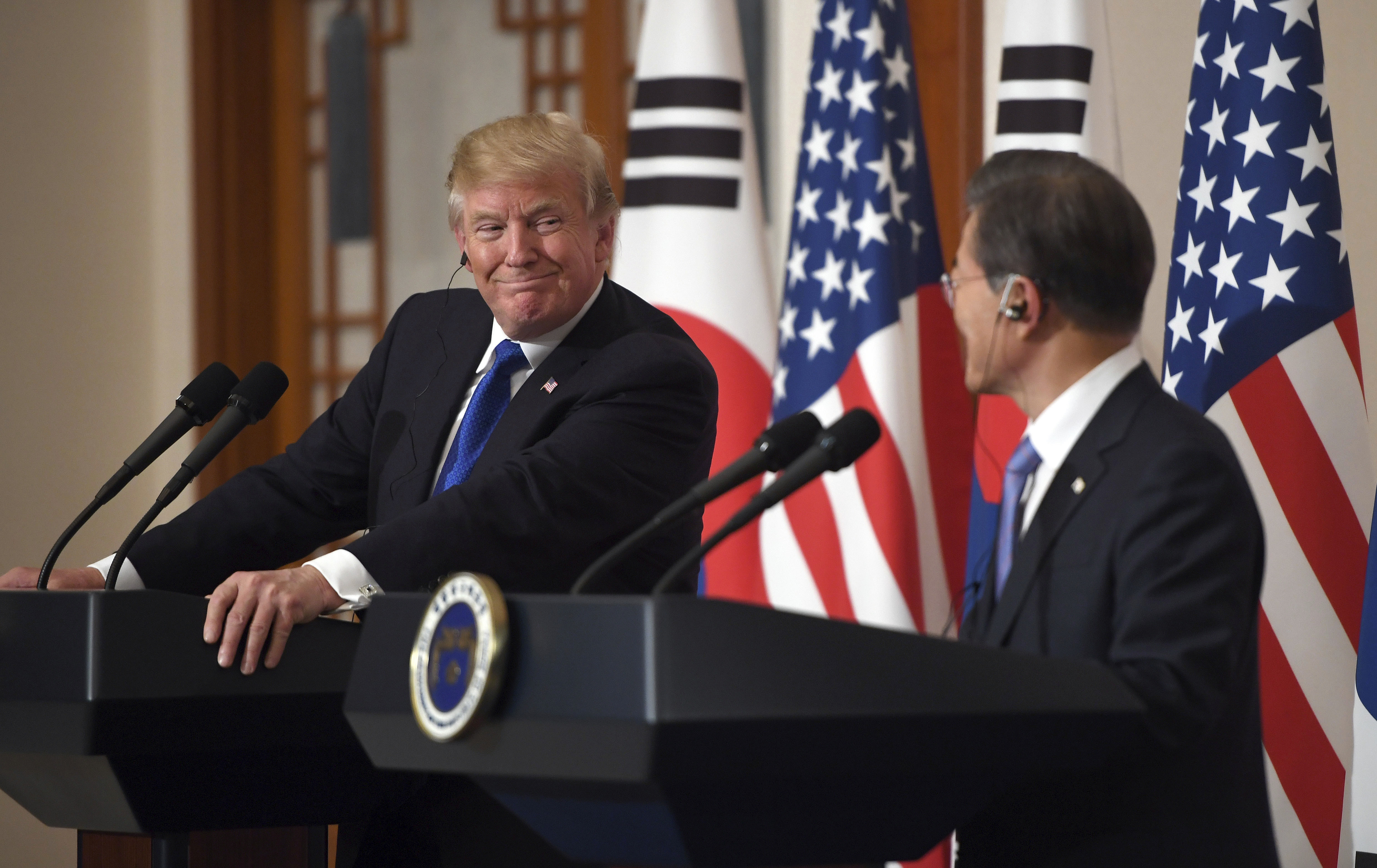
    President Trump spoke Friday with South Korea President Moon Jae-in about setting up denuclearization talks with the North, said the White House.

    President Trump spoke Friday with South Korea President Moon Jae-in about setting up denuclearization talks with the North, said the White House.

    Mr. Trump said he wants to hold the historic face-to-face talks with North Korea dictator Kim Jong-un before the end of May.

    “Both leaders affirmed the importance of learning from the mistakes of the past, and pledged continued, close coordination to maintain maximum pressure on the North Korean regime,” the White House said in a statement.

    Mr. Kim requested the talks, agreeing to cease nuclear weapons and missile tests, after severe economic sanctions were imposed on the Hermit Kingdom by the U.S. and other nations, including North Korea chief sponsor China.

    Mr. Trump has demanded North Korea demonstrate its willingness to stop nuclear test before opening talks, an issue that came up in the call Mr. Moon.

    “The two leaders agreed that concrete actions, not words, will be the key to achieving permanent denuclearization of the Korean Peninsula,” said the White House. “The two leaders expressed cautious optimism over recent developments and emphasized that a brighter future is available for North Korea, if it chooses the correct path.”

  • Vladimir Putin, emboldened by Russian elections, to expand influence abroad

    There’s little suspense about Sunday’s Russian presidential election, but a lot of questions — and concerns — over what Vladimir Putin might do next with another six-year term in his pocket and a st

    There’s little suspense about Sunday’s Russian presidential election, but a lot of questions — and concerns — over what Vladimir Putin might do next with another six-year term in his pocket and a string of unresolved confrontations with the West.

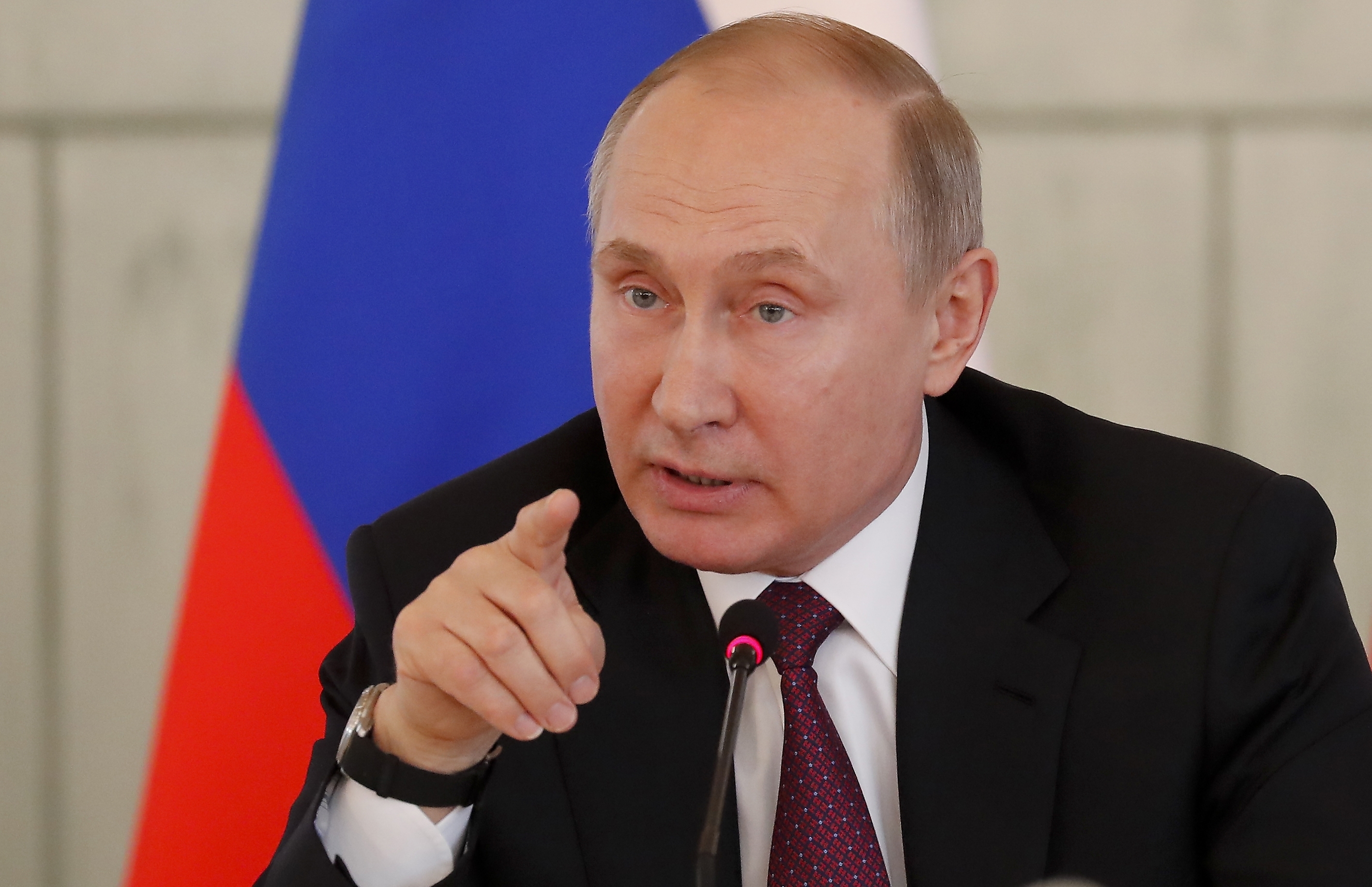
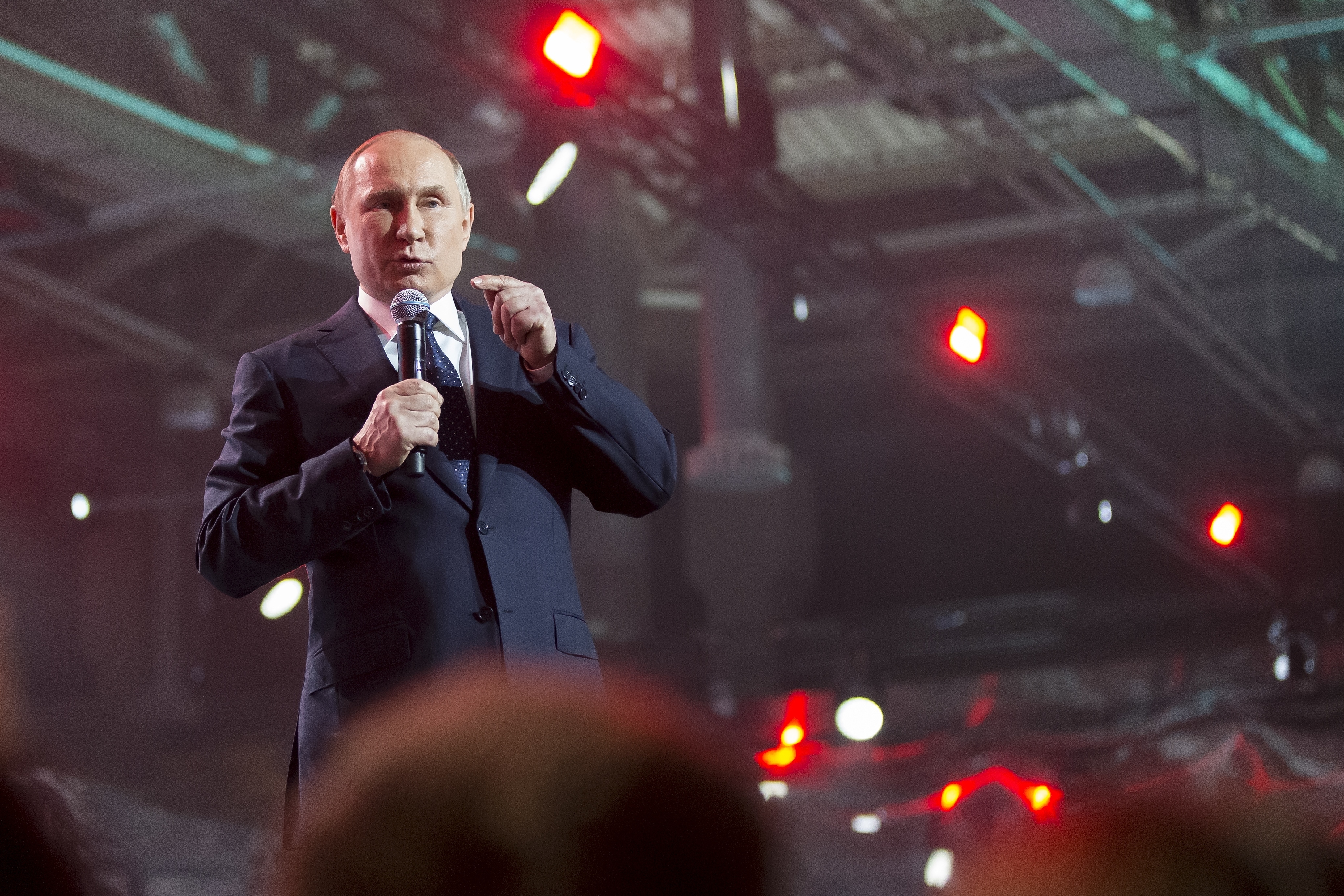
    Across nine time zones, Russians are widely expected to give the 65-year-old former KGB officer a fourth term in office Sunday, at a time when tensions with the West have skyrocketed to levels not seen since the Cold War.

    The Kremlin is at odds with the U.S. and its allies over alleged election-meddling, the nerve gas attack on an ex-Russian spy living in Britain, the future of Syria, Ukraine and Iran. In his final campaign rallies, including one in the Crimean peninsula seized by Moscow from Ukraine four years ago, Mr. Putin showed little sign of pulling back after Sunday’s vote.

    “If one thought that perhaps Putin would try to de-escalate ahead of this weekend, we have only seen the opposite,” Boris Zilberman, a Russia expert at the Foundation for Defense of Democracies, said in an interview.

    The sense of foreboding is shared by U.S. allies across the Atlantic.

    “Given the trajectory of the last six years, the die is cast for what will happen the next six,” said Dr. Alan Mendoza, executive director of the British-based think tank the Henry Jackson Society. Mr. Putin “has sped up his meddling and pushed Russian influence even further afield. There are no signs this will change.”

    While some blame the West’s inability after the Cold War to establish a new international security system that firmly included Russia — Mr. Mendoza said blame is unimportant compared to future action.

    “The question,” he said, “is not, ‘What is Putin going to do?’, but how are we going to respond and push his face him down and put him back into his box?”

    Experts see two trends intertwining — Mr. Putin’s rejection of the Western-inspired reforms of his predecessor, Boris Yeltsin, and the expansion of an Russian foreign policy to mask social and economic weaknesses at home. Even now, many ordinary Russians see the authoritarian Mr. Putin as a calming presence in the aftermath of the chaotic and economically troubled Yeltsin years.

    “The fact of the matter is Putin’s continued adventurism abroad, brazen violations of international norms and rules, and disregard for rule of law will only ensure that the next 6 years will only be worse for the average Russian citizen.” said Mr. Zilberman.

    Many ordinary Russians say the country’s precarious international standing was just one more reason to stick with Mr. Putin.

    “We will withstand this onslaught,” Svetlana Andrus, a ribbon round her neck in the colors of the Russian flag, told the Reuters news agency during a rally in Moscow. “We will support our country and Vladimir Vladimirovich.”

    The brazen hit job on ex-Russian spy Sergei Skripal on March 4 in the provincial British city of Salisbury could be trivial compared with more audacious actions that Moscow may be planning if Mr. Putin is “emboldened” by a victory, an American national security source with more than two decades experience working in Russia and the former Soviet Union argued.

    “It’s not that Putin was exactly shackled before, but once he has the election victory behind him, it will be like a new mandate,” the source said. “He’ll be emboldened.”

    Challenging Mr. Putin may require tougher steps after Sunday’s election is past, Russia watchers say.

    Mr. Mendoza backed significantly harsher sanctions than those imposed after Russia’s annexation of Crimea, which analysts questioned given that Russian counter-sanctions damaged some European export industries.

    “While there has been some movement, we could really squeeze their access to capital market and starve their ability to fund themselves,” he said. “It’s a weak economy and if we hit it the right way, Mr. Putin will slink back to Moscow with his tail between his legs.”

    Economic woes

    Economically, Mr. Putin’s third term as president was a roller-coaster ride, only turning up markedly in recent months.

    In 2015 falling oil prices rattled the ruble and sent inflation soaring above 16 percent, triggering a roughly two-year recession. Western sanctions also cut into national growth, although local Russian producers rushed to fill some of the import markets.

    Late last year, however, Russia’s central bank announced inflation had dipped below its target of 4 percent and that final 2017 figures showed the economy was growing again.

    International economists credit the Kremlin with policies that helped stabilize the situation, but overall GDP growth also remains extremely sluggish. World Bank estimates place it around 2 percent this year and 1.8 percent per year in future years.

    Everyday Russians feel the stagnation — the reason why Mr. Putin boasts about Russia’s foreign successes instead of recent economic progress.

    “By continuing to focus the attention of Russians to external events and controversies Putin has not had to explain why the average Russian is worse off today than they were six years ago,” said Mr. Zilberman.

    Get out the vote

    Mr. Putin has towered over Russia’s political landscape for the past 18 years and polls give him a roughly 80 percent approval rating.

    But this year the Kremlin grew so worried about low voter turnout that the Central Election Commission budgeted $13 million for consultancy firms to pump out flamboyant TV ads featuring everything from sex to anxiety jokes to persuade voters to cast ballots.

    While official turnout for presidential elections since the Soviet Union’s collapse in 1991 has been between 64 and 69.7 percent, the parliamentary elections of 2016 saw fewer than 50 percent of voters go to the polls.

    Fearful of apathy — and a field of eight candidates who pose no real challenge — Mr. Putin ditched his United Russia party, ran as an independent candidate and spent the past three months traversing the massive Russian countryside on highly choreographed campaign stops to press the flesh at factories, schools and even the occasional mosque.

    Anti-corruption critic Alexei Navalny, seen as the greatest threat to Mr. Putin’s popularity, has also been banned from the race.

    “What is extraordinary about Putin’s conduct this election,” said Mr. Mendoza, “for someone who looks so confident from the outside, he still pushed out Navalny and made sure he is running against the seven dwarfs. It tells you something about his belief in his ability to have a fair fight and it makes one wonder what would happen if the heat was really turned up.”

    • Guy Taylor contributed to this article.

  • No survivors in U.S. helicopter crash in western Iraq

    The entire crew of a U.S. Air Force search-and-rescue helicopter were killed when their aircraft crashed in western Iraq, American commanders with the U.S.-led operation against the Islamic State in t

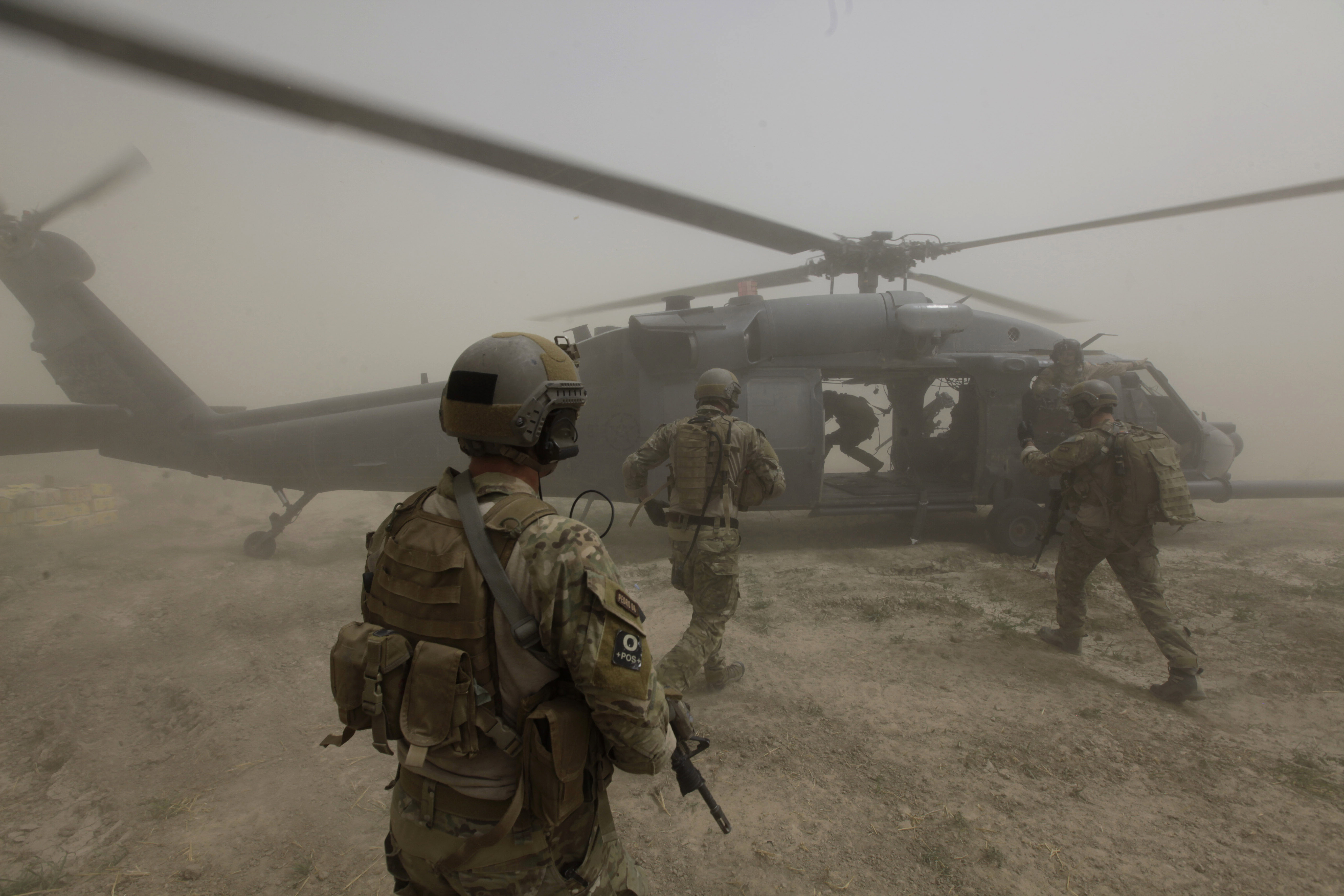
    The entire crew of a U.S. Air Force search-and-rescue helicopter were killed when their aircraft crashed in western Iraq, American commanders with the U.S.-led operation against the Islamic State in the country confirmed Friday.

    The seven-member crew of the HH-60 Pave Hawk helicopter were conducting an operation near Al Qaim in Anbar Governorate, nearly 250 miles northwest of Baghdad along the Iraqi-Syrian border.

    “All personnel aboard were killed in the crash,” said Brig. Gen. Jonathan P. Braga, director of operations, said in a command statement.

    The operation was reportedly in support of the coalition effort to battle the terror group known as ISIS in Iraq, according to a statement issued by command officials at Operation Inherent Resolve.

    While the incident is still under investigation, there are no indications the helicopter was brought down as a result of enemy fire, Gen. Braga added in the statement issued early Friday.

    “This tragedy reminds us of the risks our men and women face every day in service of our nations. We are thinking of the loved ones of these service members today,” Gen. Braga said in Monday’s statement, refusing to disclose the identities of the slain service members.

  • Obama aide started Christopher Steele-FBI Alliance

    A senior Obama State Department official gave the green light to an FBI agent in 2016 to meet with dossier writer Christopher Steele, a new book says.

    A senior Obama State Department official gave the green light to an FBI agent in 2016 to meet with dossier writer Christopher Steele, a new book says.

    The two met at Mr. Steele’s London office, touching off a relationship that would fuel the ongoing investigation into possible Donald Trump-Russia election collusion that shows no sign of ending.

    Mr. Steele’s sensational charge that prompted an FBI wiretap on Trump volunteer Carter Page was sourced to the girlfriend of an unidentified Kremlin figure, according to the book. Republicans have roundly criticized the bureau for relying on the unverified, Democratic Party-financed dossier to ask a judge to approve a year of surveillance in 2016 and 2017.

    John O. Brennan, Mr. Obama’s CIA director, worked behind the scenes before the election to get his suspicions about Trump and Russia into the news media.

    These disclosures, including that Victoria Nuland, then at State, started the FBI-Steele marriage is contained in “Russian Roulette.” The book, which was released Tuesday, was authored by two longtime Washington media figures: Yahoo News reporter Michael Isikoff and Mother Jones magazine’s David Corn.

    Two committees, the House Permanent Select Committee on Intelligence and the Senate Judiciary Committee, are investigating how Obama officials promoted Mr. Steele’s 35-page dossier, which in essence is raw opposition research designed to destroy the Trump candidacy.

    Mr. Steele makes a series of criminal charges against Mr. Trump and his associates, contending there was an “extensive conspiracy” between them and the Kremlin. This supposed collusion has not been substantiated publicly. House intelligence committee Republicans on Monday said their 14-month investigation found no collusion and had ended.

    “Russian Roulette” shows Obama people played a role in promoting the collusion theory and getting law enforcement involved.

    Mr. Steele was excited over his findings about Mr. Trump’s supposed dalliance with Russian prostitutes and purported collusion with the Kremlin. He pressed his handler, Glenn Simpson of Fusion GPS, to let him go to the FBI.

    Mr. Simpson agreed. Mr. Steele telephoned Michael Gaeta, an FBI agent with whom he worked on soccer league corruption who was then stationed at the U.S. Embassy in Rome.

    “I can’t discuss it over the phone. You have to come here. Believe me, Mike, you have to come to London,” Mr. Steele told him that summer.

    Says “Russian Roulette,” “There were a few hoops Gaeta had to jump through. He was assigned to the U.S. embassy in Rome. The FBI checked with Victoria Nuland’s office at the State Department: Do you support this meeting? Nuland, having found Steele’s reports on Ukraine to have been generally credible, gave the green light.”

    “Within a few days, on July 5, Gaeta arrived and headed to Steele’s office near Victoria station. Steele handed him a copy of the report. Gaeta, a seasoned FBI agent, started to read. He turned white. For a while, Gaeta said nothing. Then he remarked, ‘I have to report this to headquarters.’”

    Ms. Nuland’s name surfaced in January as Senate investigators under Senate Judiciary Committee Chairman Chuck Grassley, Iowa Republican, turned up evidence that Mr. Steele met with another Obama State Department official, Jonathan Winer.

    He worked as a middleman to bring Mr. Steele together with Sidney Blumenthal, a fierce Hillary Clinton defender. Mr. Winer spoke with Ms. Nuland, who gave a heads-up to Secretary of State John F. Kerry.

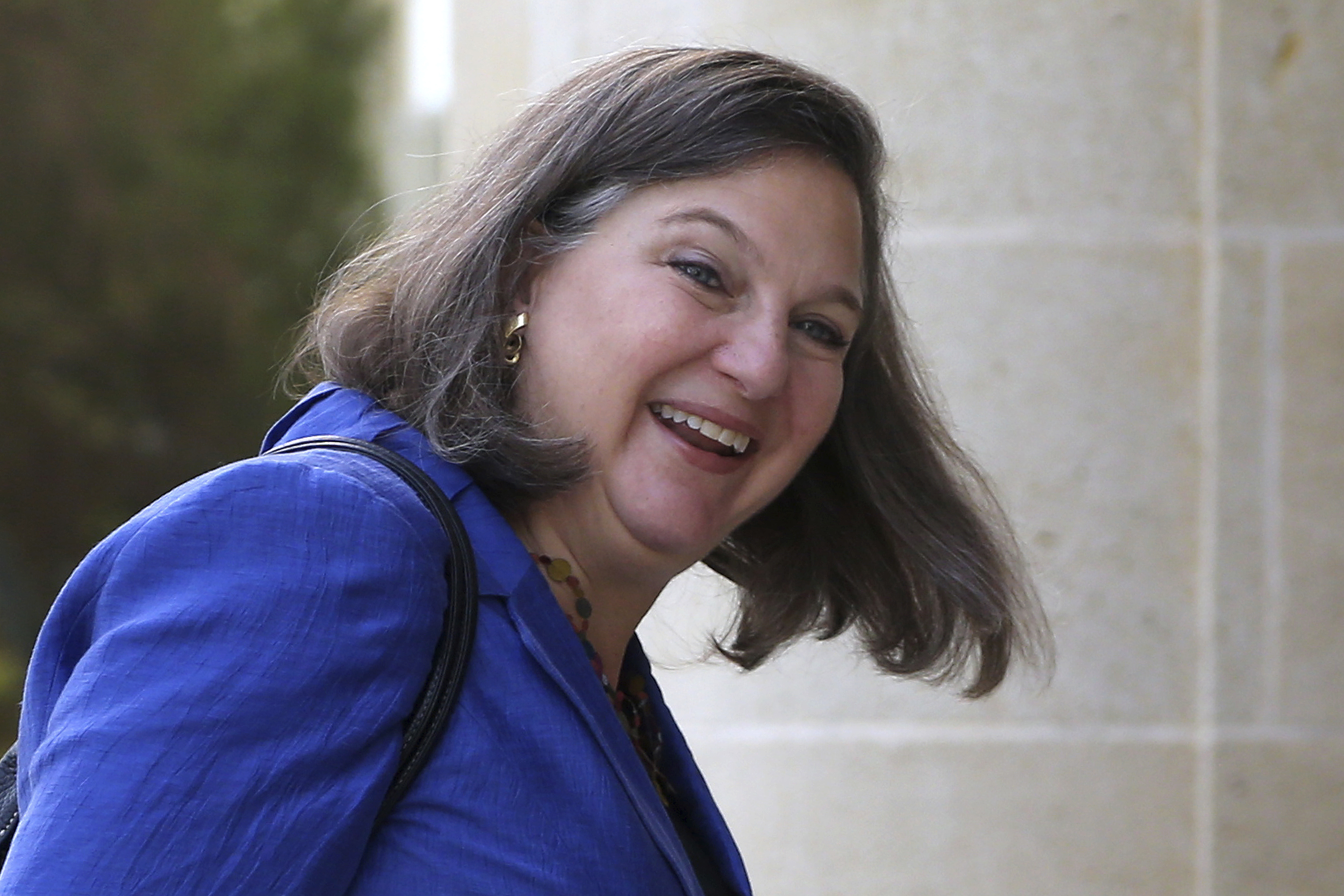
    At the time, Ms. Nuland, a career diplomat, was assistant secretary of state for European and Eurasian affairs.

    She is now chief executive at the Center for a New American Security. A message to the press office was not returned.

    In the Page affair, Mr. Steele accused the energy investor of meeting with two Kremlin figures while in Moscow to deliver a public speech in July 2016. Mr. Steele said the three discussed bribes for sanctions relief.

    Mr. Page has testified under oath that he never met the two men or discussed bribes.

    Ms. Nuland was not the only Obama appointee working against the Trump candidate.

    Isikoff-Corn report that Mr. Brennan, who in retirement is one of Mr. Trump’s hardest critics, telephoned Senate Minority Leader Harry Reid, Nevada Democrat, in August 2016. He alerted him that Russia had hacked Democrat Party computers and suggested that the Trump campaign was in on the plot. This charge has not been substantiated more than a year later.

    Mr. Brennan’s call was to prompt Mr. Reid to expose the news publicly, which he did. His open letter referred, without name, to the Page trip, something right out of the dossier, which had not yet become public.

    The authors say the information likely came from the Clinton campaign, which had been briefed on Mr. Steele’s allegations. Mr. Steele was paid by Fusion with money from the Democratic National Committee and Hillary Clinton campaign. Republicans have called this collusion — using bought smut from Russian sources to inject into the campaign.

    “Russian Roulette” picks up many Democratic Party talking points.

    ⦁ Democrats are portrayed as truth-seekers while Trump people are awash in Russian contacts.

    ⦁ Mr. Steele’s sensational charges are repeated with not much skepticism.

    ⦁ Mr. Steele is possibly the most respected spy in recent British history.

    ⦁ The Trump transition team may have been violating the obscure 1799 Logan Act by conducting diplomacy. This charge was spun to reporters from the Obama Justice Department.

    As the Nov. 8 election lay days away, Mr. Simpson, who was desperate to get Steele’s anti-Trump narratives into the media, met with Mr. Corn over the former spy’s latest anti-Trump memo.

    ” ‘This stuff is almost unbelievable,’ Simpson said,” according to the book.

    Republicans today say Mr. Steele’s collusion allegations remain unbelievable. “Russian Roulette” neither confirms nor rebuts them.

  • Some teachers expected to cut class with students at National School Walkout for gun control

    Ordinarily teachers frown on class-cutting, but any number of K-12 instructors are planning to join students who walk out of class Wednesday in a show of support for gun control.

    Ordinarily teachers frown on class-cutting, but any number of K-12 instructors are planning to join students who walk out of class Wednesday in a show of support for gun control.

    Randi Weingarten, president of the American Federation of Teachers, said the union is working with “school administrators, local governments and others to support these efforts so that students and educators can participate safely” in the National School Walkout.

    “Students, educators and staff are taking action to demand long-overdue action to ensure schools — and our communities — are free from gun violence,” she said in a statement, citing union efforts in Massachusetts and New York.

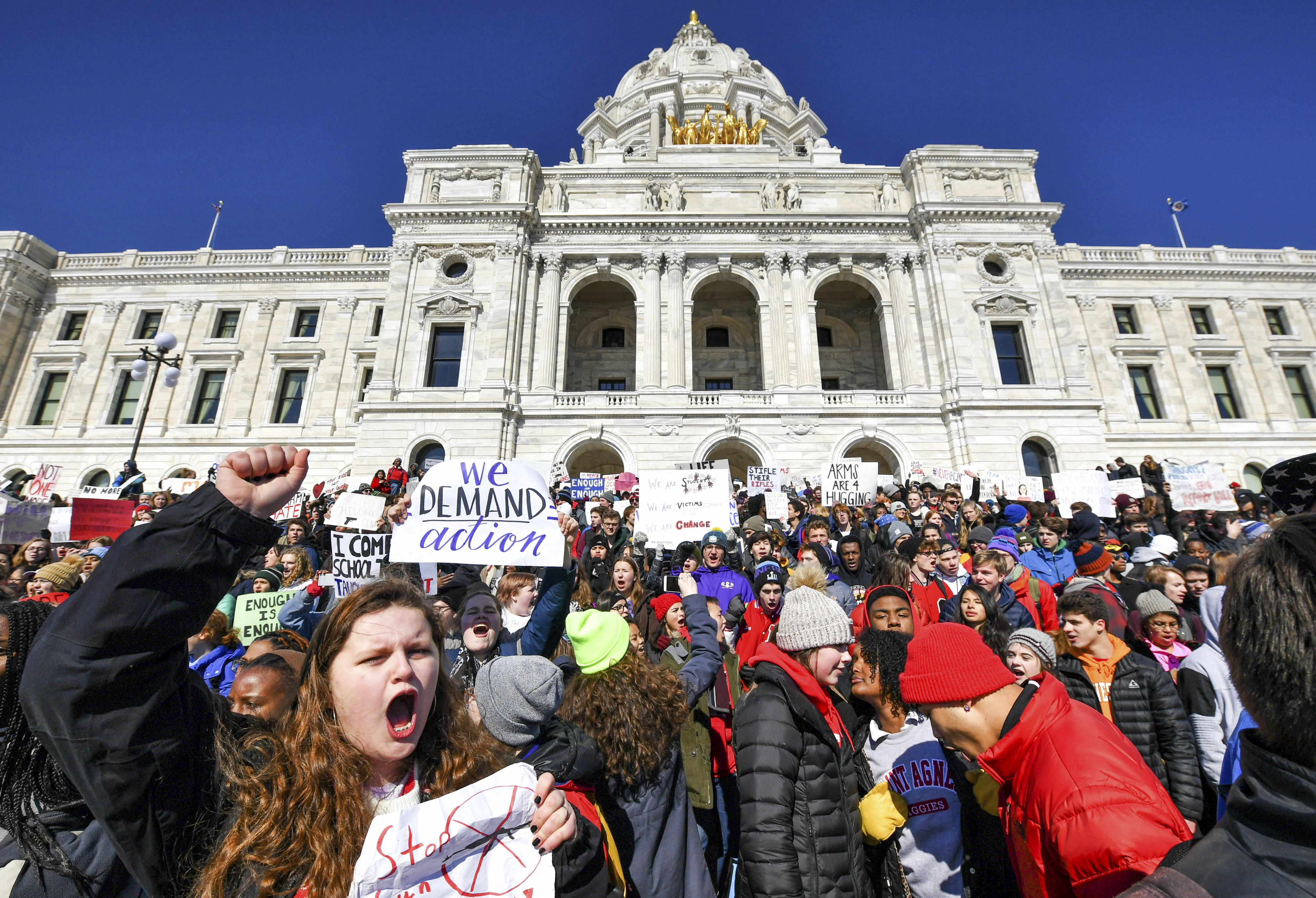
    The involvement of teachers adds another wrinkle to the walkout, a response to the deadly school shooting last month in Parkland, Florida, organized by the left-wing Women’s March Youth EMPOWER.

    Who’s walking out tomorrow? #ENOUGHpic.twitter.com/bOKkSEH8tZ

    — Women’s March (@womensmarch) March 13, 2018

    More than 185,000 students at nearly 3,000 schools are expected to walk out “to demand that Congress take action to stop gun violence,” according to the Women’s March.

    Participants are planning to walk out of class at 10 a.m. on Wednesday, the one-month anniversary of the Feb. 14 attack at Marjory Stoneman Douglas High School, and remain outside class for 17 minutes, one minute for each of those killed.

    Supporting the nationwide event are nearly 100 activist groups ranging from gun-control organizations such as the Brady Campaign to Democratic Party allies such as Planned Parenthood, Indivisible and Organizing for Action.

    The American Civil Liberties Union has issued a legal guidance for students about their First Amendment rights, including what to expect in terms of consequences such as unexcused absences, and urged schools not to discipline students who participate.

    “Unfortunately, some schools view this act as a disruption and are threatening to discipline students who participate,” said ACLU staff attorney Sarah Hinger. “A disciplinary response is a disservice to young people and a missed educational opportunity.”

    The reaction from school districts has ranged from walkout bans to enthusiastic resolutions of support as officials grapple with the logistics of allowing thousands of students — including in some cases elementary-age kids — exit class without putting themselves in danger or disrupting those who choose to stay put.

    In Harford County, Maryland, the ACLU fired off a letter to Superintendent Barbara Canavan after she sent a letter to parents saying that students “may be subject to disciplinary action for disrupting school operations,” CBS Baltimore reported.

    The ACLU of Maryland warned her that schools “may not punish students more severely for leaving class to engage in free speech activity then they would for any other unexcused absence.”

    In Horry County, South Carolina, school officials cited concerns about student safety in banning students from leaving the building.

    “I think there’s some leeway given to each school if they want to honor the students who were slain in Florida, but one thing we have not allowed is a walkout to the outside, which obviously puts children in harm’s way having them all congregating in an area that’s outside that’s totally unprotected,” Horry County Schools board chair Joe DeFeo told the Myrtle Beach Sun News.

    Instead, schools will “identify options that will take place inside the schools and student participation will be voluntary,” according to a statement.

    Other districts are taking the same tack, offering alternatives such as letter-writing to Parkland students and moments of silence.

    Elsewhere, student and faculty protesters are planning to congregate outside but on school property such as football and soccer fields.

    In Montgomery County, Maryland, superintendent Jack R. Smith urged students to stay on school grounds, saying he was “keenly aware that some students may decide to participate in a walkout that takes them off campus.”

    “MCPS does not have the staff or resources to ensure students are safe during the school day when they are not on a school campus,” Mr. Smith said.

    Carmen Farina, New York City Schools chancellor, issued a March 8 statement saying that staff members would “be present outside their school buildings during the walkout to help ensure safety and order,” and that students who produce a note from their parents will received an excused absence.

    “We commend all students and staff members, who help make our schools safe, respectful places where all students can learn free from the threat of deadly violence,” she said in the Queens Chronicle.

    In Lynn, Massachusetts, the teachers’ union affiliate “worked with the school committee to pass a resolution in support of the walkouts on March 14, and all school staff will be permitted to participate alongside students,” Ms. Weingarten said.

    Unfortunately for the would-be protesters, Mother Nature interfered. The Lynn Public Schools announced Tuesday that all schools would be closed Wednesday as a result of the blizzard.