Details of the Crash
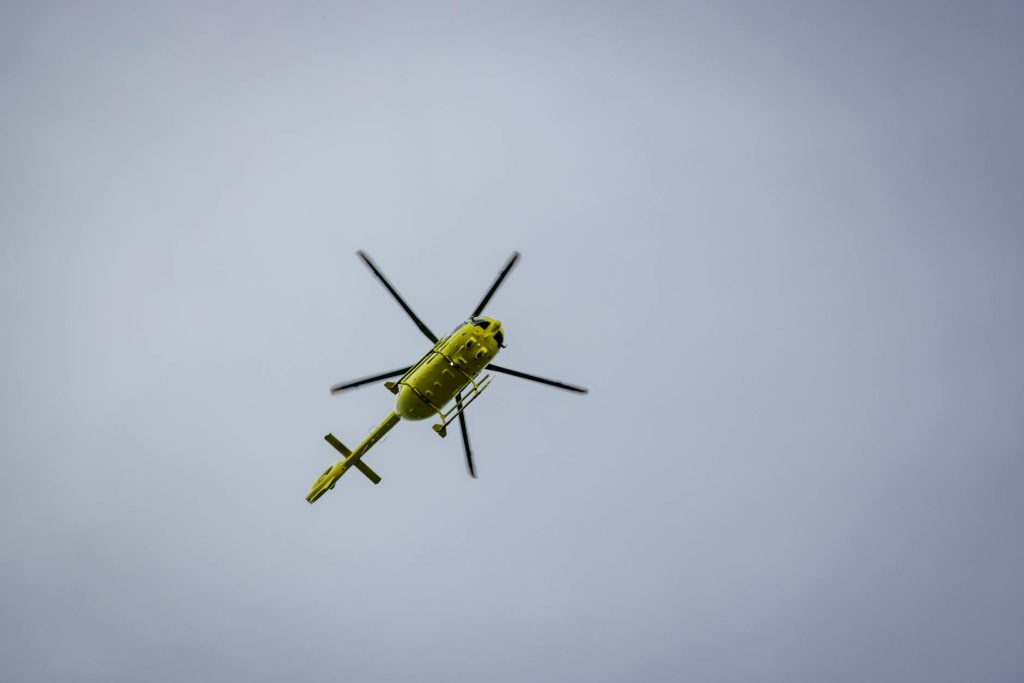
The helicopter, a Robinson R44, operated by Zara Tours, went down near the Kifufu area on the mountain’s southern slope. Initial reports indicate the aircraft was experiencing difficulties shortly before the crash. Witnesses reported hearing a loud bang followed by the wreckage falling from the sky. The Tanzanian National Parks Authority (TANAPA) confirmed the incident and immediately launched rescue efforts to recover the bodies and investigate the cause of the crash. The remote and challenging terrain of Mount Kilimanjaro significantly hampered these initial operations, requiring specialized teams and equipment to reach the site. The crash site is located at an altitude of approximately 12,000 feet, adding to the complexity of the recovery.
Who Were the Victims?
The five individuals who perished in the helicopter crash on Tanzania’s Mount Kilimanjaro were a mix of Tanzanian nationals and foreign tourists. The Pilot: A Tanzanian national with extensive experience flying in mountainous regions. Three Rescuers: Members of the Kilimanjaro Search and Rescue team, who had been involved in a successful earlier rescue operation. They were returning to base after assisting a climber suffering from altitude sickness. One Tourist: A South African national. Zara Tours has expressed its deepest condolences to the families and friends of the victims, describing the loss as devastating. The South African High Commission in Tanzania is providing consular assistance to the victim’s family. The identities of the rescuers have been released by TANAPA, honoring their dedication to safety on the mountain.
The Rescue Mission Preceding the Crash
The ill-fated flight was returning from a successful rescue of a climber who had been experiencing symptoms of Acute Mountain Sickness (AMS). AMS is a common ailment affecting climbers at high altitudes, and swift intervention is often crucial. The rescue team had safely evacuated the climber to a lower altitude for medical treatment before the helicopter crash on Tanzania’s Mount Kilimanjaro occurred. This highlights the inherent risks involved in high-altitude rescue operations, even with experienced personnel and well-maintained equipment. The incident underscores the importance of continuous safety evaluations and improvements in mountain rescue protocols.
Investigation Underway: What Caused the Crash?
A full investigation into the cause of the crash is currently underway, led by Tanzanian aviation authorities. The investigation will focus on several key areas: Mechanical Failure: A thorough inspection of the wreckage will be conducted to identify any potential mechanical issues that may have contributed to the crash. Weather Conditions: Mount Kilimanjaro is known for its unpredictable weather patterns. Investigators will analyze meteorological data to determine if adverse weather played a role. Pilot Error: While the pilot was experienced, investigators will examine flight data and procedures to rule out any possibility of pilot error. Maintenance Records: The maintenance history of the helicopter will be scrutinized to ensure all scheduled maintenance was performed correctly. Preliminary reports suggest possible engine trouble, but this remains unconfirmed. The investigation is expected to take several weeks to complete, and a final report will be released detailing the findings and any recommendations for preventing similar incidents in the future.
Impact on Kilimanjaro Tourism and Rescue Operations
This incident is likely to have a temporary impact on tourism to Mount Kilimanjaro. While the mountain remains open to climbers, some tour operators may temporarily suspend helicopter services while the investigation is ongoing. The helicopter crash on Tanzania’s Mount Kilimanjaro also raises questions about the capacity and resources of the current mountain rescue system. There will likely be a review of safety protocols and equipment, potentially leading to increased investment in rescue infrastructure. Here are some potential changes we might see: Enhanced Helicopter Maintenance: More frequent and rigorous inspections of all helicopters operating on the mountain. Improved Weather Monitoring: More sophisticated weather forecasting systems specifically tailored to the conditions on Kilimanjaro. Increased Rescue Team Training: Advanced training for rescue personnel in high-altitude emergency procedures. * Review of Flight Routes: Assessment of current flight paths to identify and mitigate potential hazards. The safety of climbers and rescue personnel is paramount. This tragedy serves as a stark reminder of the challenges and risks associated with mountaineering and the critical importance of prioritizing safety in all aspects of operations on Mount Kilimanjaro.