Blog

  • Firms urged to use other routes if no-deal Brexit threatens vital drugs

    Container lorries coming off ferries at Dover Image copyright AFP

    Ferry and freight firms will be urged to plan alternative routes for drugs and other vital supplies if a no-deal Brexit blocks cross-Channel traffic.

    The suppliers will be told to use Belgian and Dutch ports if blockages at Calais threaten to delay shipments.

    The news emerged after a “passionate” cabinet meeting in which ministers were told about contingencies for no deal.

    Earlier, MPs were warned that a no-deal could have “catastrophic” consequences for the supply of drugs into the UK.

    A senior government source denied there were plans to buy or charter vessels to keep the NHS working or to guarantee food supplies.

    Image copyright Getty Images Image caption Stockpiling of medicines that need refrigerating, such as insulin and vaccines, is difficult

    Our correspondent says the mood among ministers was more evidence of the prime minister’s limited room for manoeuvre in the Brexit talks, as she prepares to address Tory backbenchers on Wednesday.

    Cabinet ministers will receive weekly updates about preparations for Brexit until the UK leaves next March, either with or without a deal.

    ‘Declaration of war’

    The government has already asked firms to start stockpiling a six-week supply of drugs and if necessary plan to fly in medicines which cannot be stockpiled because of their short shelf life.

    The UK imports 37 million packs of medicine each month from the EU. Concern has been raised that prolonged disruption at the borders could disrupt the supply chain.

    Macron in English faux pas over visas Drug makers stockpiling for Brexit

    Earlier on Tuesday, Martin Sawer, of the Healthcare Distributors Association, told MPs that the pharmaceutical industry was “very concerned” about a no-deal as it could have “catastrophic” consequences for the supply of drugs.

    He warned it could lead to patients being put on drugs that they are not currently prescribed.

    The Department for Transport said that while it was confident of the UK reaching an agreement with the EU on the terms of its exit, it was sensible to plan for all possible outcomes.

    “We are continuing to work closely with partners on contingency plans to ensure that trade can continue to move as freely as possible between the UK and Europe,” a spokesman said.

    But Labour MP David Lammy, who supports a new referendum on the outcome of the negotiations with the option of remaining in the EU, said Brexit had become “like a declaration of war on ourselves”.

    “Emergency ships will be chartered for food and medicine if we leave the EU with no deal,” he said.

    “But at least when we’re using ration books and running out of drugs, we’ll have taken back control.”

    France has also stepped up its planning for a no-deal Brexit, publishing a draft law last week which would give the government powers to deal with visas, transport and other services.

  • Veganism: Why is it on the up?

    Young woman sitting holding a bowl full of spinach, rocket and avocado. Image copyright Getty Images

    Across Britain, people are spending more money on vegan products, and plant-based diets are trending online.

    With major supermarkets catching on and stocking up on vegan-friendly food – BBC News asks what’s behind the rise?

    The number of vegans is on the up

    A vegan diet involves cutting out animal products like meat, fish, dairy and eggs.

    According to the latest research by the Vegan Society, conducted in 2016, there are estimated to be around 540,000 vegans in Great Britain.

    It’s estimated that this is up from 150,000 in 2006, and that there are twice as many women than men who are vegan.

    Interest in vegetarian and vegan products shows no sign of slowing down, as retail sales are expected to increase to £658m by 2021.

    Do influencers influence what we eat?

    Social media has had a big part to play in the rise of the plant-based lifestyle.

    Celebrities like Ariana Grande, Miley Cyrus and Ellen DeGeneres are some of the well-known figures who don’t eat animal products, while #vegan has more than 61 million posts listed on Instagram.

    Image copyright Getty Images

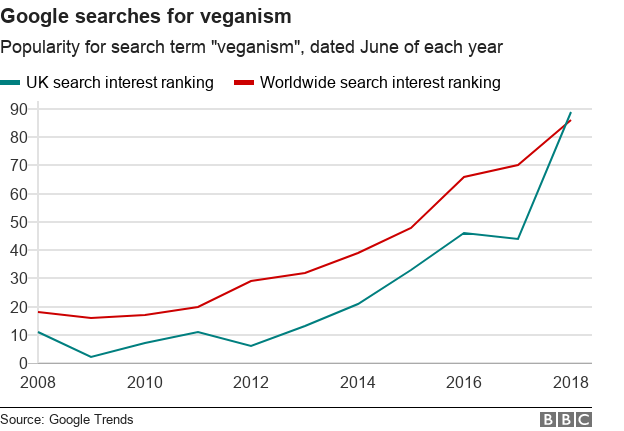
    Veganism is a hot topic – the number of Google searches worldwide has also spiked in recent years.

    The search engine uses a number out of 100 to represent interest in a search term. In 2008, the word “veganism” had a popularity score of only 17 but it has increased to 88 only 10 years later.

    The top five most-searched questions on the topic in the UK ask what veganism is and what the arguments are for and against cutting out animal products.

    Giles Quick, director at market researcher Kantar Worldpanel, said: “The vegan market has changed fundamentally in the last six or seven years – it’s now for everyone.

    “Social media has brought it to the forefront of customer’s minds, and the mainstream. It’s not seen any more as a choice for life, but as a choice for one meal, one moment, for one or two days a week.”

    Flexitarianism, part-time vegetarianism or veganism, is becoming more and more popular. This January, more than 168,000 people pledged to go vegan for the first month of the year, under the Veganuary campaign.

    Why are more people going vegan?

    According to analysts, young women are driving the growth of the vegan movement.

    But, a range of reasons lie behind veganism’s rise.

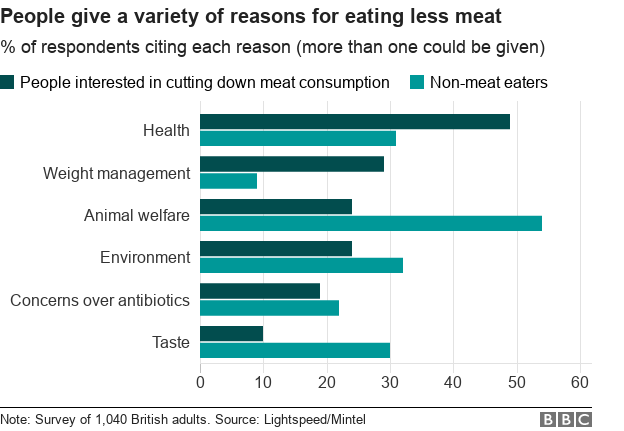
    A total of 49% of those interested in cutting down on their meat consumption said they would do so for health reasons, according to a survey of more than 1,000 adults in Great Britain by Mintel.

    Weight management, animal welfare and environmental concerns were also big motivators.

    With interest increasing all the time in healthy eating, part-time veganism might well become a full-time fixture in many people’s lives.

  • Vegetarian meat substitutes ‘exceeding salt limits’

    Tofu burger Image copyright Getty Images

    More than a quarter of meat-free burgers, sausages and mince tested for a study exceed maximum recommended salt levels, a campaign group has warned.

    A total of 28% of the 157 meat substitute products studied by Action on Salt missed the voluntary salt targets set by Public Health England.

    The worst offenders were saltier than Atlantic seawater, the report found.

    Public Health England said it had told companies the importance of meeting its voluntary targets.

    But Action on Salt called on PHE to take “urgent action” to do more to lower salt in the products.

    Image copyright Getty Images Image caption Researchers said some of the foods were saltier, per 100g, than seawater in the Atlantic Ocean

    What are PHE’s salt targets?

    Plain meat alternatives (including plain mince, pieces and fillets): 0.63g of salt per 100g Meat-free products (all meat alternative products, including sausages, burgers, bites, pies and sliced “meats”): 1.25g of salt per 100g Meat-free bacon: 1.88g of salt per 100g

    How the products compare

    Tofurky’s Deli Slices Hickory Smoked: 3.5g of salt per 100g Tesco Meat Free Bacon Style Rashers: 3.2g of salt per 100g Tesco Meat Free Mince (least salty): 0.2g of salt per 100g Atlantic seawater: 2.5g of salt per 100g

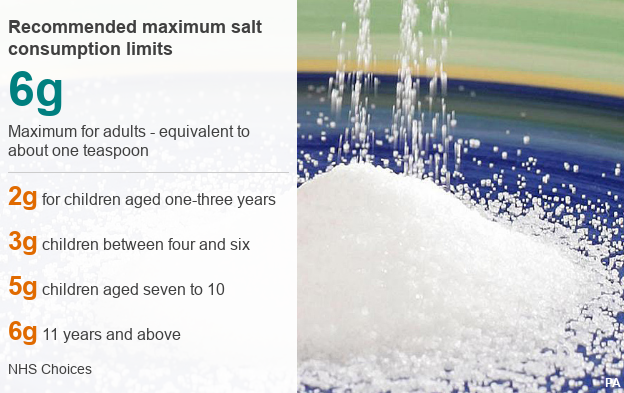
    What are the recommended daily maximum salt consumption limits?

    Action on Salt chairman Graham MacGregor, professor of cardiovascular medicine at London’s Queen Mary University, said: “Reducing salt is the most cost-effective measure to reduce the number of people dying or suffering from entirely unnecessary strokes and heart disease.”

    He added: “It is incomprehensible that Public Health England are not doing more to reduce the amount of salt in our food. We are again calling on PHE to take urgent action”.

    Prof Louis Levy, head of nutrition science at Public Health England, said salt consumption had fallen over the last decade “but there is still a long way to go, as some foods still contain too much salt”.

    He added: “Government has been clear with the food industry on the importance of meeting the 2017 salt targets.

    “Since taking over salt reduction, PHE has been collecting data on industry’s progress and we’ll report later this year as planned.”

    Quorn, one of the leading producers of vegetarian meat, said it had varying levels of salt in its products.

    Its Meat-Free Best of British Sausages contain 1.9g of salt per 100g – more than the PHE recommendation. That means eating one sausage will give you 1.1g of salt. Adults would need to eat more than six of them in a day to bust their salt allowance (not counting any other salt in foods they also eat).

    A spokeswoman added: “While they are higher in salt, as clearly marked on the pack, they are still low in saturated fat.

    “We review all our product recipes on an ongoing basis to ensure we are achieving what our consumers want in terms of taste and health credentials.”

  • Italy budget: European Commission demands changes

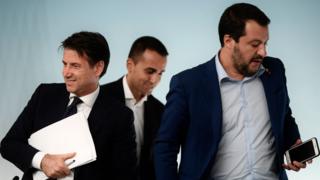
    Italy's Prime Minister, Giuseppe Conte; Deputy Prime Minister and Minister of Economic Development, Labour and Social Policies, Luigi Di Maio; and Deputy Prime Minister and Interior Minister, Matteo Salvini Image copyright AFP Image caption Prime Minister Giuseppe Conte (L) and his two deputies – Luigi Di Maio and Matteo Salvini (R) – have been told to revise their budget

    The European Commission has told Italy to revise its budget, an unprecedented move with regard to an EU member state.

    The Commission is worried about the impact of higher spending on already high levels of debt in Italy, the eurozone’s third-biggest economy.

    Italy’s governing populist parties have vowed to push ahead with campaign promises including a minimum income for the unemployed.

    The country now has three weeks to submit a new, draft budget to Brussels.

    The Commission said the first draft represented a “particularly serious non-compliance” with its recommendations.

    Italy won’t back down

    Kevin Connolly, BBC Europe correspondent

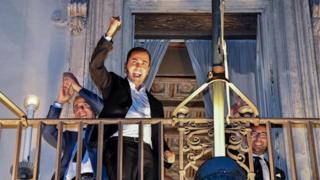
    Image copyright EPA Image caption Four week ago, cries of “We did it!” followed the budget’s approval in Italy

    Italy’ has put itself on a collision course with the EU. The dispute takes the eurozone into uncharted waters.

    The authorities in Brussels have the right to reject a budget and demand new proposals – and to impose fines – if its requests are ignored.

    This is the first time they’ve gone as far as this down that road and the EU has to weigh the prospect of taking firm measures to discourage other eurozone states from breaking the rules against the prospect of a drawn-out conflict with one of its largest member states at a time when its political energies are already absorbed by Brexit.

    The Italian government says its measures are necessary to restore growth and that it has no intention of backing down.

    How bad is Italy’s debt?

    Italy’s neutral Finance Minister, Giovanni Tria, and international observers had hoped the country would keep its deficit under 2% of GDP – and perhaps as low as 1.6%.

    While 2.4% falls well short of the 3% deficit limit under eurozone rules, Italy’s debt level is alarming.

    Click to see content: debt_ratios_Europe

    “For the first time the Commission is obliged to request a euro area country to revise its draft budgetary plan but we see no alternative than to request the Italian authorities to do so,” Mr Dombrovskis said.

    He pointed out that Italian taxpayers were having to spend as much servicing the national debt as on education.

    “Breaking rules can appear tempting at the first look – it can provide the illusion of breaking free,” he said.

    “It is tempting to try and cure debt with more debt. At some point, the debt weighs too heavy… you end up having no freedom at all.”

    After Italy announced its draft budget last month, weeks of market turmoil followed.

    Before the Commission announced its rejection of the Italian budget on Tuesday, European shares fell to their lowest levels in nearly two years.

    Following the announcement, the Italy-Germany 10-year bond yield gap, widely used as a relative yardstick of Italy’s position on the markets, widened to a new high of 314 points.

  • Saudi economic forum opens but many absent over Khashoggi

    A high-profile economic forum in Saudi Arabia began on Tuesday in Riyadh, the kingdom’s first major event on the world stage since the killing of writer Jamal Khashoggi at the Saudi Consulate in Istan

    RIYADH, Saudi Arabia (AP) — A high-profile economic forum in Saudi Arabia began on Tuesday in Riyadh, the kingdom’s first major event on the world stage since the killing of writer Jamal Khashoggi at the Saudi Consulate in Istanbul earlier this month.

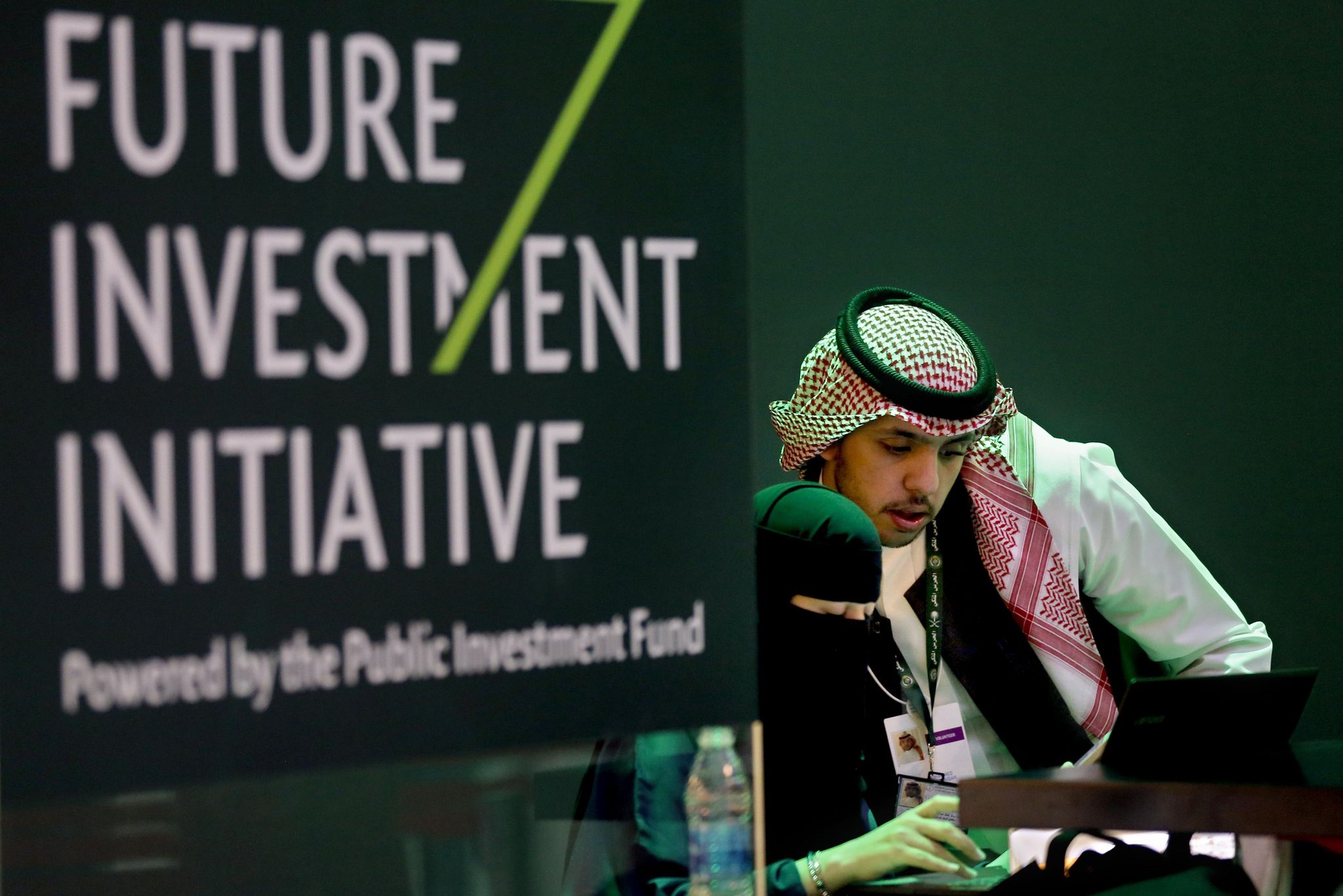
    The Future Investment Initiative forum is the brainchild of Saudi Crown Prince Mohammed bin Salman, aimed at drawing more foreign investment into the kingdom and to help create desperately needed jobs for its youthful population.

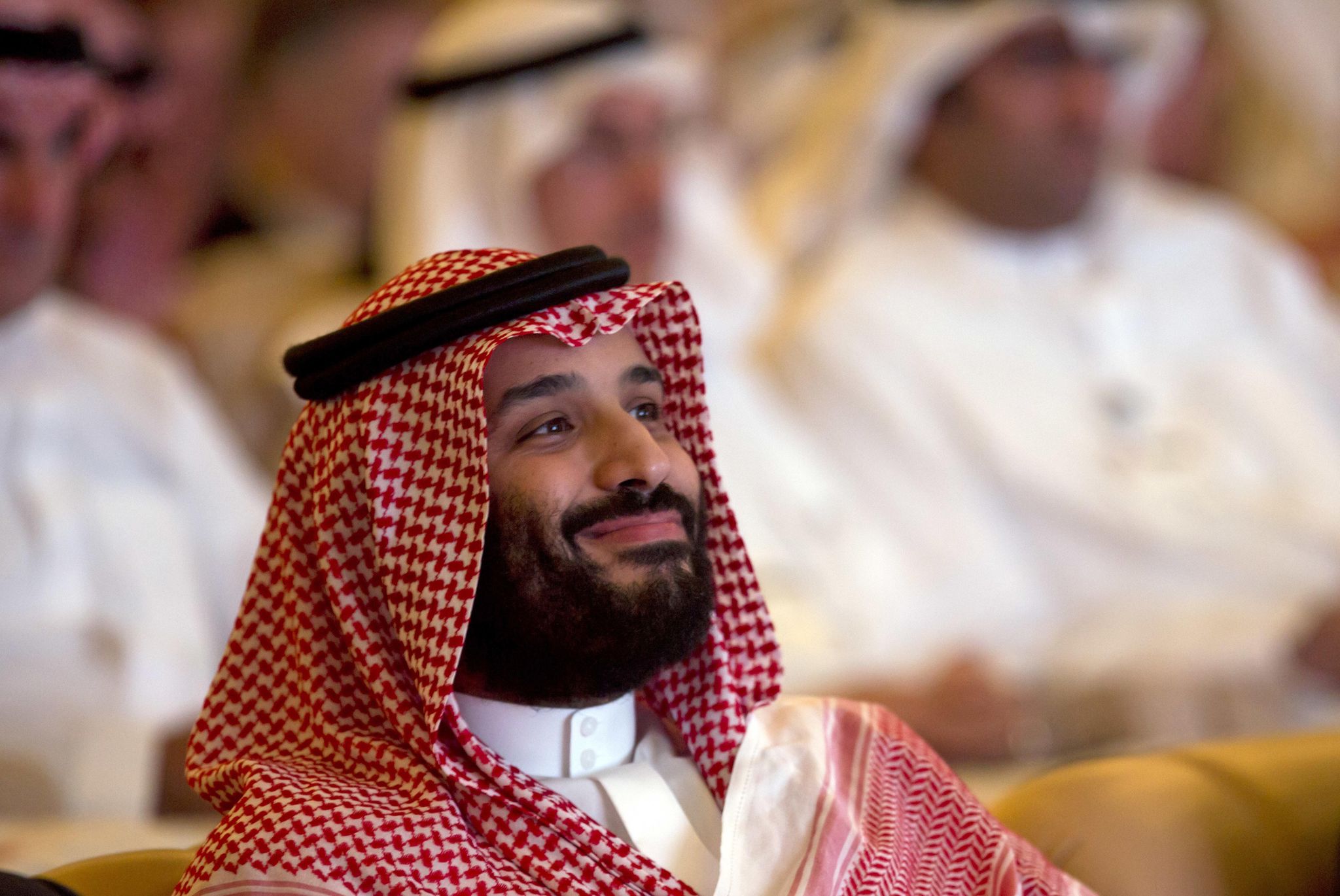
    Prince Mohammed was not immediately at the forum when it started.

    The forum last year proved to be a glitzy affair that drew more international business attention to the kingdom. This year’s event meanwhile has seen many top business leaders and officials drop out over Khashoggi’s Oct. 2 slaying.

    “As we gather here in Riyadh this morning, it is natural that our thoughts tend to focus on recent events surrounding the death of Jamal Khashoggi — a writer, a journalist and a Saudi journalist known to many of us,” said Lubna Olayan, a Saudi businesswoman moderating the forum’s first panel. “May he rest in peace.”

    She added that such “terrible acts reported in recent weeks are alien to our culture and DNA.”

    The killing of Khashoggi has marred the prince’s standing, especially amid Turkish media reports a member of his entourage on trips abroad allegedly took part in the slaying and made phone calls to the prince’s office.

    Saudi Arabia, which for weeks maintained Khashoggi had left the consulate, on Saturday acknowledged he had been killed there in a “fistfight.” Turkish media reports and officials maintain that a 15-member Saudi team flew to Istanbul on Oct. 2, knowing Khashoggi would enter the consulate to get a document he needed to get married. Once he was inside, the Saudis accosted Khashoggi, cut off his fingers, killed and dismembered the 59-year-old writer, according to Turkish media reports.

    The killing has also thrown into question whether Western executives will continue business as usual with the crown prince, who as King Salman’s favored son is the second most powerful man in the kingdom.

    Last year, the investment forum grabbed headlines when Prince Mohammed wowed the crowd of global business titans with pledges to lead the ultraconservative kingdom toward “moderate Islam.” He also announced plans to build a $500 billion futuristic city in the desert.

    He spoke on stage alongside Stephen Schwarzman of U.S. private equity firm Blackstone and Masayoshi Son of Japan’s technology conglomerate SoftBank.

    Schwarzman is among those who’ve backed out of attending this year. Others include U.S. Treasury Secretary Steven Mnuchin, who met with Prince Mohammed separately before the forum, according to Saudi state television.

    Among its many investments domestically and abroad, Saudi Arabia’s sovereign wealth fund, which the crown prince oversees, has invested $20 billion in a U.S.-focused infrastructure fund with Blackstone.

    The Public Investment Fund has also invested $3.5 billion in ride-sharing firm Uber, whose CEO also backed out of attending this year’s forum.

    Just days after last year’s forum, the emboldened prince launched a sweeping shakedown of Saudi Arabia’s wealthiest businessmen and top princes for alleged corruption, transforming the same Ritz-Carlton hotel that had earlier hosted the investment forum into a prison for the country’s elite.

    The crackdown — a surprise move by the prince, who’s upended the kingdom’s reputation for slow, cautions reforms — rattled investors.

    Alongside moves like allowing cinemas to open and lifting a ban on women driving, the crown prince has led a stifling crackdown on dissent. Dozens of critics and activists have been detained, including several women and their supporters who had long pushed for the right to drive.

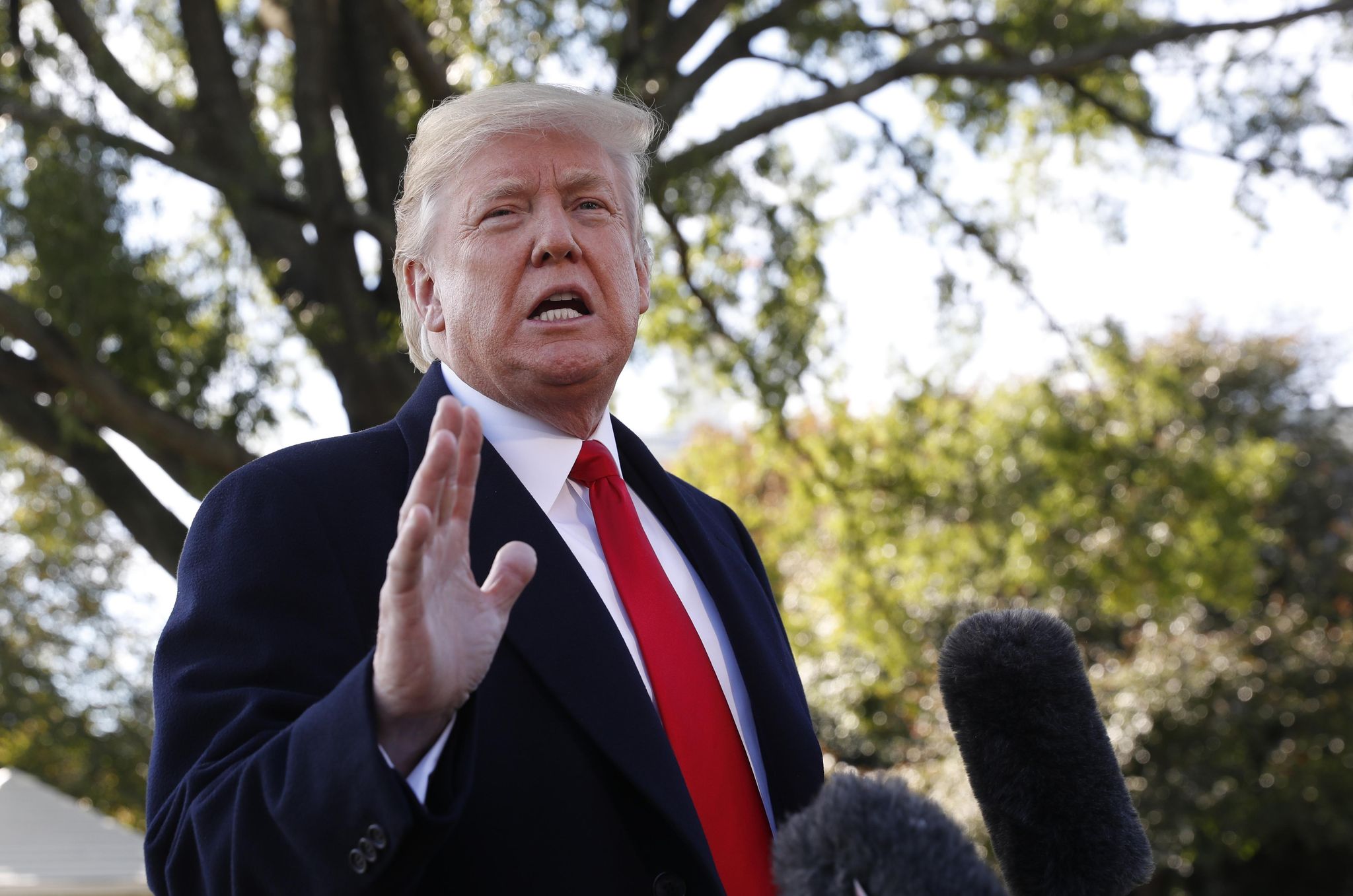
  • Donald Trump threatens to pull out of Russia nuclear treaty

    Washington and Moscow returned to Cold War-style rhetoric Monday as President Trump ratcheted up his threat to unilaterally pull the U.S. out of a key agreement that has kept the nuclear arsenals of b

    Washington and Moscow returned to Cold War-style rhetoric Monday as President Trump ratcheted up his threat to unilaterally pull the U.S. out of a key agreement that has kept the nuclear arsenals of both sides in check since the Reagan era, as Russia demanded an explanation and analysts warned that the move could spur nuclear deployments around the globe.

    Mr. Trump revealed to reporters that he felt so strongly Russia was cheating on the deal that he didn’t bother to inform the Kremlin before making his decision.

    “Russia has not adhered to the agreement,” Mr. Trump said. “We have more money than anybody else by far. We’ll build it up until they come to their senses.”

    SEE ALSO: Trump promises nuclear buildup, warns Russia not to ‘play games’

    The high-stakes threats of a revived nuclear arms race were issued as White House National Security Adviser John R. Bolton prepares for a tense meeting with Russian President Vladimir Putin on Tuesday.

    Both sides have publicly declared that they will begin ramping up their missile capabilities. The meeting was scheduled before Mr. Trump said last week that he intended to withdraw the U.S. from the Intermediate-Range Nuclear Forces (INF) Treaty, a deal designed to limit the U.S. and Russia from building or deploying any missiles and launch systems with an “intermediate” range of 300 to 3,400 miles.

    Signed in 1987 by President Reagan and Soviet leader Mikhail Gorbachev, the INF cooled fears that a “limited” nuclear war short of an all-out exchange could erupt in Europe. Both sides dismantled huge caches of missiles as part of the agreement, which remained in place after the fall of the Soviet Union.

    But the U.S. and international partners such as NATO now say Moscow is in clear violation of the deal, and Mr. Trump on Monday offered a stern warning that Washington won’t allow it.

    The president also stressed that no other nation — including China, which isn’t bound by the treaty and has been building up its own arsenal as its economy modernizes — can compete with the U.S.

    “It’s a threat to whoever you want, and [that] includes China,” Mr. Trump told reporters as he left for a campaign trip to Texas. “It includes anybody else that wants to play that game. You can’t play that game on me.”

    The Kremlin said earlier Monday that if the INF collapses, then Russia will have no choice but to “restore balance” in the global power structure.

    “This is a question of strategic security. Such measures can make the world more dangerous,” Kremlin spokesman Dmitry Peskov said.

    “It means that the United States is not disguising, but is openly starting to develop these systems in the future, and if these systems are being developed, then actions are necessary from other countries, in this case Russia, to restore balance in this sphere,” he added.

    Breaking the deal

    Moscow denies that it violated the deal, but both the Obama and Trump administrations have accused Russia of breaking its promises. U.S. and international observers cite in particular the Russian 9M729 cruise missile system as their chief concern.

    The system — a U.S. assessment of which has not been made available publicly — is rumored to have a range of about 1,250 miles or more — clearly within the limits covered by the INF. The Obama administration first objected to the missile system in 2014 but opted to retain the treaty.

    NATO officials also have said the missile system violates the INF, and Russian aggression in Ukraine in recent years has spurred fears that Moscow once again could be eyeing the deployment of nuclear weapons into Eastern Europe.

    Russia has denied that the missile system violates the deal, but critics say the Kremlin has been unwilling to provide answers about the 9M729, what its purpose is and whether it’s fully operational. Some Russian military strategists have argued that the 1987 deal benefits the U.S. more than Russia because the U.S. faces no real strategic threat from its near neighbors, Canada and Mexico, the way Russia does all along its perimeter.

    “In the absence of any credible answer from Russia on this new missile, allies believe that the most plausible assessment would be that Russia is in violation of the INF Treaty,” NATO spokeswoman Oana Lungescu said Monday.

    Key U.S. allies, while divided over Mr. Trump’s decision to pull out of the deal entirely, were united in urging Russia to provide more answers. They said the burden lies with Mr. Putin to cool international tensions.

    “We of course want to see this treaty continue to stand, but it does require two parties to be committed to it, and at the moment you have one party that is ignoring it,” U.K. Defense Secretary Gavin Williamson told The Guardian newspaper. “It is Russia that is in breach, and it is Russia that needs to get its house in order.”

    The government of German Chancellor Angela Merkel took a more cautious stand, saying it regrets the U.S. decision while calling on Moscow to “dispel the serious doubts about its adherence to the treaty that had arisen as a result of a new type of Russian missile.”

    Foreign Minister Heiko Maas said Mr. Trump’s move poses “difficult questions for us and for Europe.”

    European Union officials took a more measured approach, urging the U.S. and Russia to negotiate in the hopes of preserving the agreement.

    There is a six-month waiting period after notification before either party can formally exit the deal. Russian officials said Monday afternoon that they had not received formal notification, though that could come Tuesday when Mr. Bolton meets with Mr. Putin.

    Rising China

    While the INF applies only to the U.S. and Russia, Mr. Trump’s comments Monday made clear that the White House sees China as a key part of the equation.

    “China is not included in the agreement. They should be included in the agreement,” the president told reporters.

    Analysts and U.S. officials said there is good reason for questions about China in the context of the INF.

    As Beijing upgrades its military presence, particularly in the South China Sea, the administration fears that the U.S.-Russia deal is giving China a free pass, potentially allowing the rising superpower to get a leg up militarily.

    Retired Navy Adm. Harry B. Harris Jr., formerly the head of U.S. forces in the Pacific and now the administration’s ambassador to South Korea, told lawmakers this year that the U.S. and Russia are limited by the deal, while China can essentially do whatever it wants.

    “Over 90 percent of China’s ground-based missiles would violate the treaty,” he told a House committee in February.

    Regional analysts say the Trump administration’s secondary motivation for scrapping the INF could be to give the Pentagon freedom to deploy missile systems to the Pacific to counter China.

    “Should Trump follow through on his threat to leave the INF, it would also open the door to potential nuclear build-up in East Asia, as Washington looks to counter growing Chinese presence. A deployment of missiles to Guam or allies Japan and Australia would not be out of the question, with uncertain consequences for the region,” David A. Wemer, an assistant director at the Atlantic Council, wrote Monday.

    The China state-controlled Global Times wrote a stinging editorial Monday condemning Mr. Trump’s INF decision, which it said was clearly made with Beijing in mind.

    “Although China has exercised restraint in developing strategic weaponry with no intention of nuclear power competition, the U.S. still fixes its eyes on China doubtfully …,” the editorial argued. “Military might and strategic nuclear power have never played an outstanding role in China’s foreign relations. But as the U.S. grows more skeptical about China, we face growing strategic risks and have become the main target of U.S. hegemony.”

    • Dave Boyer contributed to this report.
  • Recep Tayyip Erdogan says Saudis planned Jamal Khashoggi slaying in advance

    Turkish President Recep Tayyip Erdogan said Tuesday that Saudi officials started planning to murder writer Jamal Khashoggi days before his death in Saudi Arabia’s Istanbul consulate.

    ANKARA, Turkey (AP) — Saudi officials murdered journalist Jamal Khashoggi in their Istanbul consulate after plotting his death for days, Turkey’s president said Tuesday, contradicting Saudi Arabia’s explanation that the writer was accidentally killed. He demanded that the kingdom reveal the identities of all involved, regardless of rank.

    President Recep Tayyip Erdogan also said he wants Saudi Arabia to allow 18 suspects that it detained for the Saudi’s killing to be tried in Turkish courts, setting up further complications with the Saudi government, which has said it is conducting its own investigation and will punish those involved. Saudi Arabia has described the suspects as rogue operators, even though officials linked to Saudi Arabia’s assertive Crown Prince Mohammed bin Salman have been implicated in the killing.

    “To blame such an incident on a handful of security and intelligence members would not satisfy us or the international community,” Erdogan said in a speech to ruling party lawmakers in parliament.

    “Saudi Arabia has taken an important step by admitting the murder. As of now we expect of them to openly bring to light those responsible — from the highest ranked to the lowest — and to bring them to justice,” said the Turkish president, who used the word “murder” 15 times in his speech.

    Erdogan’s speech was previously pitched as revealing the “naked truth” about Khashoggi’s slaying. Instead, he merely confirmed information previously reported based on leaks citing anonymous officials in the days since the columnist for The Washington Post walked into the Saudi consulate in Istanbul.

    Erdogan didn’t mention Prince Mohammed by name in his speech. However, he kept pressure on the kingdom with his demands for Turkish prosecution of the suspects as well as punishment for the plot’s masterminds.

    “All evidence gathered shows that Jamal Khashoggi was the victim of a savage murder. To cover up such a savagery would hurt the human conscience,” he said.

    Erdogan mentioned information that was earlier leaked by Turkish sources, including reports of 15 Saudi officials arriving in private jets shortly before Khashoggi’s death as well as a man, apparently dressed in the writer’s clothes, acting as a possible decoy by walking out of the consulate on the day of the disappearance.

    “Why did these 15 people all with links to the event gather in Istanbul on the day of the murder? We are seeking answers. Who did these people get their orders from to go there? We are seeking answers,” Erdogan said. “When the murder is so clear, why were so many inconsistent statements made? Why is the body of a person who has officially been accepted as killed still not around?”

    International skepticism intensified after Saudi Arabia said on Saturday that Khashoggi died in a brawl. The case has shocked the world and raised suspicions that a Saudi hit squad planned the writer’s killing after he walked into the consulate on Oct. 2, and then attempted to cover it up.

    At a Cabinet meeting Tuesday, King Salman again stressed that Saudi Arabia would hold those responsible for Khashoggi’s slaying “accountable,” according to the state-run Saudi Press Agency.

    Before Erdogan’s announcement, top Turkish officials said Turkey would clarify exactly what happened to Khashoggi as pressure increased on Saudi Arabia, which is hosting a glitzy investment conference this week that many dignitaries have decided to skip because of the scandal.

    “As we all know these are difficult days for us in the kingdom of Saudi Arabia,” Energy Minister Khalid Al-Falih told attendees seated in an ornate hall during the opening of the conference in Riyadh.

    “Nobody in the kingdom can justify it or explain it. From the leadership on down, we’re very upset of what has happened,” Al-Falih said

    Saudi Arabia said it arrested suspects and that several top intelligence officials were fired over Khashoggi’s killing, but critics alleged that the punishment was designed to absolve Prince Mohammed, the heir-apparent of the world’s top oil exporter, of any responsibility. Any major decision must be signed off by the highest powers within its ruling Al Saud family.

    On Monday, leaked surveillance video showed a man strolling out of the diplomatic post hours after Khashoggi disappeared into the consulate, apparently wearing the columnist’s clothes as part of a macabre deception to sow confusion over his fate.

    The new video broadcast by CNN, as well as a pro-government Turkish newspaper’s report that a member of Prince Mohammed’s entourage made four calls to the royal’s office from the consulate around the same time, put more pressure on the kingdom. Meanwhile, Turkish crime-scene investigators swarmed a garage Monday night in Istanbul where a Saudi consular vehicle had been parked.

    Saudi Arabia’s foreign minister, meanwhile, said Tuesday the investigation into the killing of Khashoggi would produce the truth about what happened and that his country was committed to ensuring “that the investigation is thorough and complete and that the truth is revealed and that those responsible will be held to account.”

    Foreign Minister Adel al-Jubeir, in Indonesia, also pledged that mechanisms will be put in place so that “something like this can never happen again.”

    ___

    Associated Press writers Aya Batrawy in Riyadh, Saudi Arabia and Jon Gambrell in Dubai, United Arab Em

  • Vladimir Putin and Recep Tayyip Erdogan to meet on sidelines of upcoming Syria peace talks

    Russian and Turkish leaders, Vladimir Putin and Recep Tayyip Erdogan, will hold a bilateral meeting on the sidelines of this weekend’s four-nation Syrian War summit in Istanbul, which will also gather

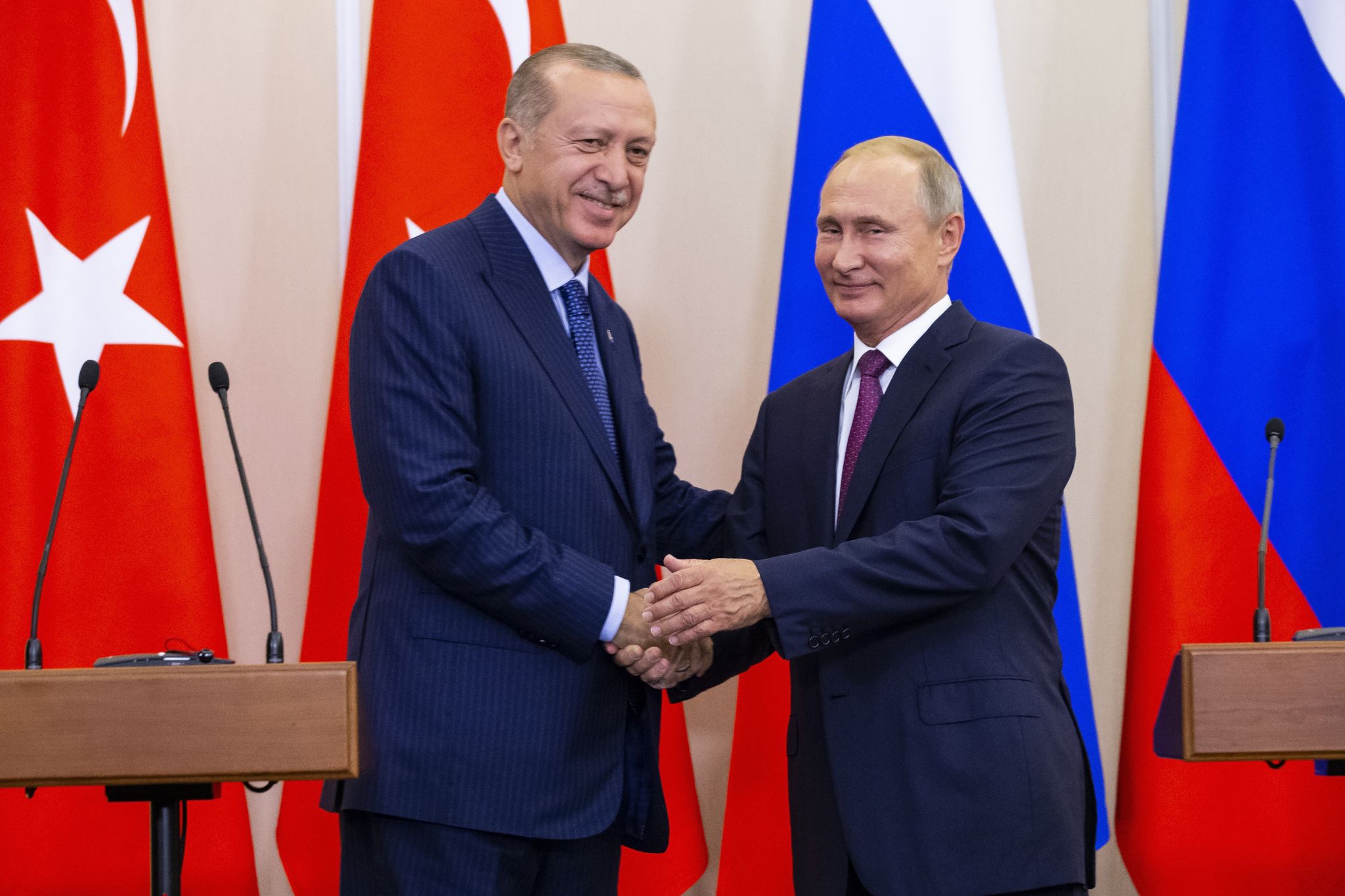
    Russian and Turkish leaders, Vladimir Putin and Recep Tayyip Erdogan, will hold a bilateral meeting on the sidelines of this weekend’s four-nation Syrian War summit in Istanbul, which will also gather representatives from France and Germany.

    Russia is a main backer of Syrian President Bashar Assad’s government while Turkey has been helping insurgents trying to remove him from power.

    Last month, Russia and Turkey reached an agreement to set up a demilitarized zone around the northwestern Syrian province of Idlib preventing a government offensive on the last rebel stronghold in the country.

    Idlib has been calm since, though some militant groups did not meet an Oct. 15 deadline to evacuate the DMZ.

    Many feared that a government offensive in Idlib would trigger a new refugee crisis as the region is home to some 3 million people, many of them already displaced by the war from other parts of Syria.

    On Tuesday, top Russian diplomat Andrei Buravov confirmed “a separate bilateral meeting” has been scheduled for Saturday in Istanbul between Mr. Erdogan and Mr. Putin, according to the Russian news service Tass.

    Kremlin spokesman Dmitry Peskov said Monday that Moscow did not expect a breakthrough decision during the four-country talks, Tass reported.

    “It would be probably incorrect to predict that the summit is held with the aim of reaching certain agreements,” Mr. Peskov said. “Obviously, we need to be realistic.”

    Turkey’s presidential spokesman has said the summit is expected to address all aspects of the Syrian conflict, including the situation on the ground, the Idlib agreement and efforts for a lasting solution to the conflict.

    German Chancellor Angela Merkel is scheduled to attend.

    • This article is based in part on wire service reports.

  • Russia sticking with Saudis amid boycotts over Khashoggi murder

    Russia is one country that is not letting the international furor over the fate of dissident Saudi writer Jamal Khashoggi disrupt its ties with the oil-rich kingdom.

    Russia is one country that is not letting the international furor over the fate of dissident Saudi writer Jamal Khashoggi disrupt its ties with the oil-rich kingdom.

    Even as U.S. and European officials and corporate titans were canceling their travel plans, Russian officials were out in force on the opening day of a major investment conference in Saudi Arabia championed by Crown Prince Mohammed bin Salman, who has been strongly implicated in the apparent death of the U.S.-based Mr. Khashoggi at the Saudi consulate in Istanbul, Turkey Oct. 2.

    “Saudi Arabia is a great partner for us, not just a partner in investments or oil,” Kirill Dmitriev, chief executive of the Russian government’s $10 billion state-controlled sovereign investment fund, told attendees at the conference Tuesday, according to Euronews.

    “There are many Russian companies here from the petrochemical sector and other sectors. They want to invest in Saudi Arabia,” Mr. Dmitriev said.

    President Trump has faced increasing pressure to scale back U.S. diplomatic and commercial ties to Saudi Arabia in light of the Khashoggi scandal, but has cited the potential for Riyadh to turn to China and Russia as a reason for caution.

    Russian President Vladimir Putin has said the Kremlin does not have enough information to judge the level of Saudi government complicity in the journalist’s killing and other top aides have hinted the incident is an internal affair for the Saudis to deal with. Mr. Putin has tried to cultivate the 33-year-old crown prince in a bid to coordinate policy between two of the world’s biggest oil-producing nations.

    “We’ve all heard the official statements from Riyadh on the case denying members of the royal family had any role,” Kremlin spokesman Dmitry Peskov told the Moscow Times Tuesday. “We’ve taken that into account. The rest is a matter for investigators.”

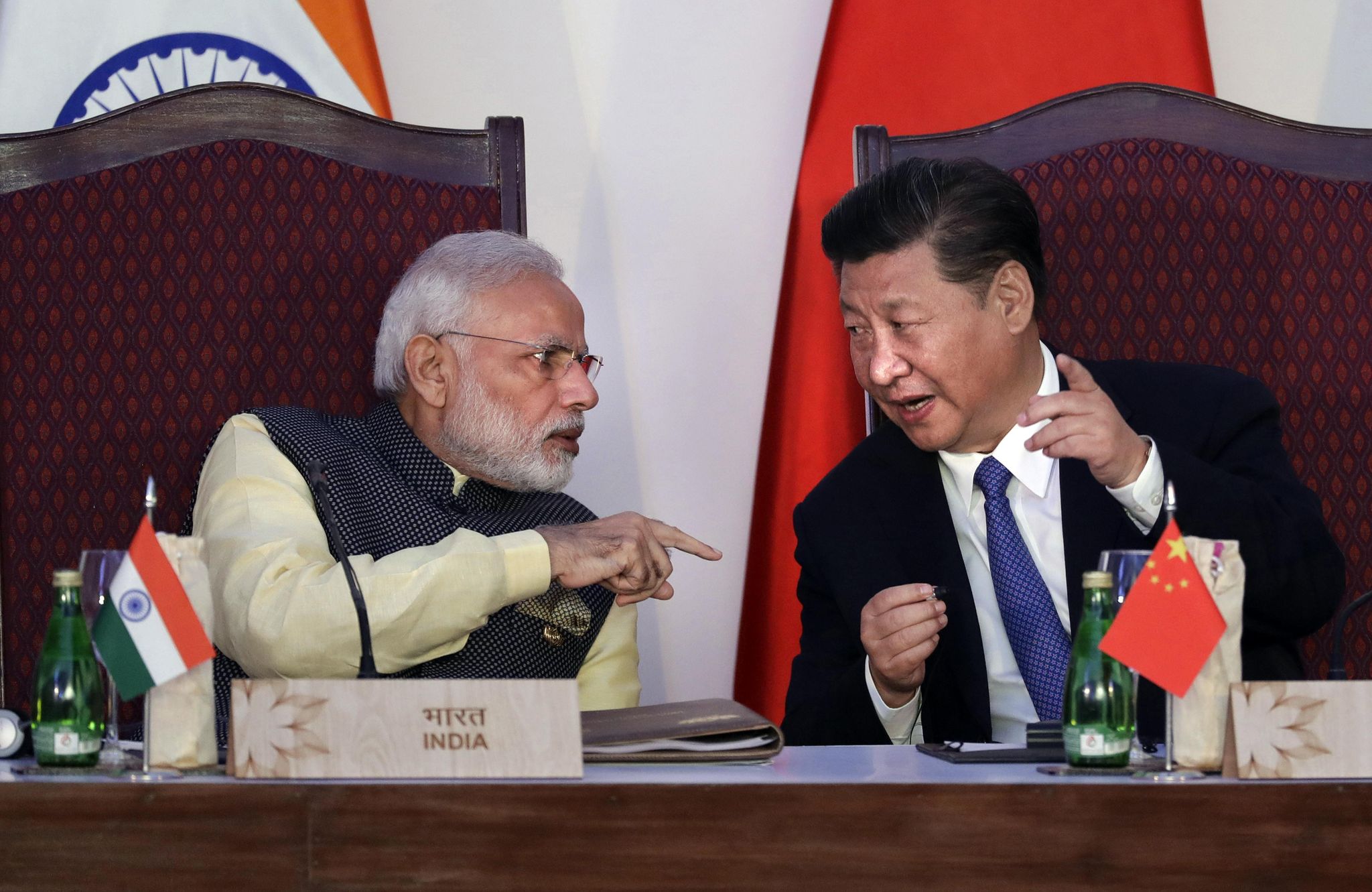
  • India-China rivalry looms over Bhutan election

    VARANASI, India | Bhutanese voters have already decided to oust their current leaders, voting out their prime minister and his political party in the first round of parliamentary elections last month.

    VARANASI, India | Bhutanese voters have already decided to oust their current leaders, voting out their prime minister and his political party in the first round of parliamentary elections last month.

    Now many voters of this tiny, ancient kingdom hope that whoever wins the second round Thursday will renegotiate their lopsided longtime alliance with India and make nice with rival China.

    “We love our sovereignty,” said Pawo Choyning Dorji, 35, a photographer in the capital of Thimphu. “We appreciate how India has helped in the development of Bhutan, but our relationship with India has cost us our sovereignty. India must know that someday Bhutan is going to establish a good relationship with China.”

    In modern “Great Game” playing out far from the focus of much U.S. and Western foreign policy these days, Bhutan is just one case study of China and India jockeying for influence across South Asia, a clash of interests that has been playing out in recent years in countries from Bangladesh and Nepal, to Sri Lanka, Myanmar and the Maldives.

    But it is the tiny country of Bhutan where the rivalry is hottest these days.

    “It’s a tiny speck of a country in South Asia, and it was only last summer’s standoff between India and China that brought Bhutan to the headlines,” said Faisel Pervaiz, South Asia analyst at the global think tank, Stratfor. “But now, what looks to be an election in a tiny, mountainous Himalayan kingdom actually has geopolitical implications between the world’s two most populous countries.”

    Both countries are closely watching the results, hoping for an advantage in the future. The ruling party had been very close to India, analysts said.

    In fact, India has had a “hegemony by default” in the region for decades, being the largest country in terms of size and population with the strongest economy and military. And while it has strong cultural and linguistic ties to its neighbors, it is Bhutan where India has played the most dominant role, all but dictating its foreign and economic policy, and being its dominant benefactor and trade partner.

    Enter China with its Belt and Road initiative, it’s “Marshall Plan” to underwrite and build massive infrastructure projects across Asia, Africa and Europe. In South Asia, Beijing has been calling on governments with offers of investments, loans and economic partnerships, talking to countries who lack resources for roads, bridges and ports. As a result, they have been very receptive.

    India has been so concerned that it has tripled its foreign aid over the past seven years — the most going to what it sees as its buffer state of Bhutan — and upped its own offer of loans, infrastructure projects and other economic and military cooperation.

    Last year, the rivalry came to a head.

    New Delhi has long had an interest in protecting the so-called narrow “chicken neck” near Bhutan that connects northeastern India to the rest of the country. Last year, Indian troops stopped Chinese forces from building a road on Bhutanese-controlled land on the Doklam plateau that Beijing has long claimed, stoking fears of a repeat of the Sino-Indian border war of the early 1960s. Both sides stood down after talks.

    In Bhutan, many now see China as the future.

    “China is beneficial for us,” said Shyam Parajuli, 46, who sells gifts and knickknacks, often to Chinese tourists, in Thimphu. “They pay a good price for the goods they buy here. Indians don’t, because they know every inch of this country very well.”

    Some voters thought it would be a boon for local business.

    “We get most of the business-related items from India but recently China has started giving us cheap products which make the trade cheaper, and many people prefer cheap products here,” said Sangay Choden, a middle-aged teacher in Thimphu. “If we get more trade goods from China on regular basis, we may be able to do more business with more profit.”

    Other noted, however, that India provides Bhutan with crucial aid and the lion’s share of its commerce.

    “We enjoy Indian liquors in the bars here, thinking how to loosen the Indian hold around our neck,” said Pushpa Gurung, a 28-year-old aspiring fashion model.

    Many Bhutanese, resenting recent pressure by India to limit relations with Beijing, insist they are not worried of becoming another Tibet — the remote land incorporated into China after Mao’s takeover in the late 1940s. That development was one reason why Bhutan drew closer to India in the first place. The world has changed since then, said Thimphu-based political blogger Yeshey Dorji, 63.

    “We are not worried about China entering Bhutan — this is not the 1950s or 1970s,” Mr. Dorji said. “If China wants to enter Bhutan, they will employ economic means — as does India, to subjugate Bhutan. Once our boundary issues are sorted out, China will be as good a neighbor as any other country.”

    Jabeen Bhatti reported from Berlin; John Dyer in Boston contributed to this report.