Blog

  • California shootings: Six dead in Bakersfield

    Map

    Six people have been killed in linked shootings in the city of Bakersfield in California, police say.

    A man and his wife drove to a trucking business in the city, where the man shot dead two men and his wife.

    The man then drove to another residence where he shot dead two more people.

    After hijacking a vehicle with a woman and child in it, the man was then confronted by a deputy and shot himself dead. Police are still investigating the motives behind the killings.

    Donny Youngblood of the Kern County Sheriff’s Department said deputies were called to the trucking business after reports of shots being fired at 17:20 local time (00:20 GMT) .

    The deputies learned that the husband had confronted a man and then shot both him and his own wife. Another man then appeared at the scene and the husband shot at him, before pursuing him and shooting him dead.

    The husband then drove to a residence on Breckenridge Road and shot dead two people.

    After carjacking a vehicle, the woman and child inside managed to escape.

    The man pulled over after a deputy confronted him with a firearm and then shot himself dead.

    The Sheriff’s Department said the shootings took only a short period of time and were not random.

  • Why do people ignore hurricane warnings?

    Video Why are hurricane warnings ignored?

    (more…)

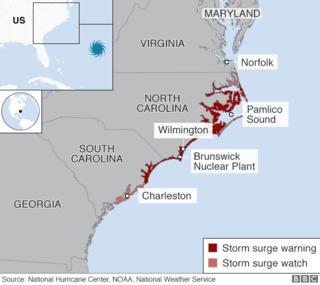
  • Hurricane Florence: ‘Disaster’ still feared as storm’s winds weaken Ask a question

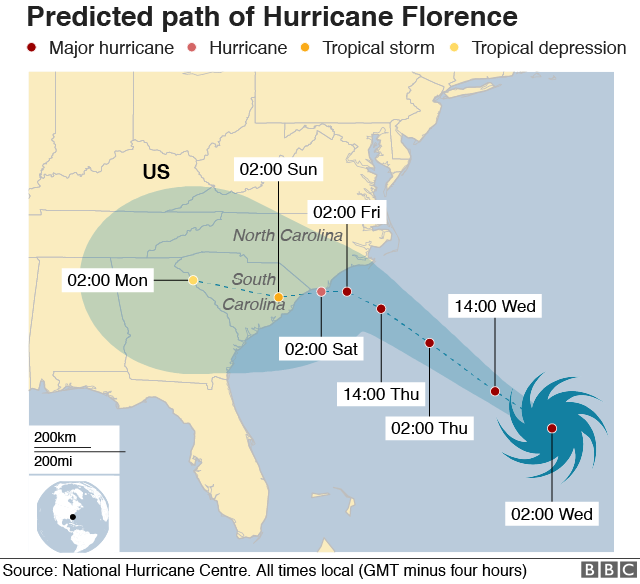
    Although the maximum sustained winds have fallen, they are not expected to weaken further and the forward speed of the hurricane is also dropping, meaning it could linger near the coastline through to Saturday,

    This means that torrential rainfall could last for significant periods and cause catastrophic flooding, including in inland areas such as Alabama, Tennessee, Kentucky and West Virginia.

    North Carolina Governor Roy Cooper said: “The time to prepare is almost over, Disaster is at the doorstep and it’s coming in.”

    Up to 1.7 million people have been ordered to evacuate across South Carolina, North Carolina and Virginia.

    Some 5.25 million people are under hurricane warning or watch, and another 4.9 million people are under storm warning or watch, Associated Press reported.

    “I can’t emphasise enough the potential for unbelievable damage from wind, storm surge and inland flooding with this storm.”

    Jeff Byard, of the Federal Emergency Management Agency, said: “This is going to be a Mike Tyson punch to the Carolina coast.”

    Reality Check: Are hurricanes getting worse?

    Florence could wreak more than $170bn (£130bn) of havoc and damage nearly 759,000 homes and businesses, says analytics firm CoreLogic.

    Ask a question

    Share this chatbot.

    Energy companies warned Florence could knock out power in some areas for weeks

    Waves 83ft (25m) tall were recorded at sea on Wednesday morning.

    European astronaut Alexander Gerst shared images of Florence’s eye wall from space, calling the storm a “no-kidding nightmare”.

    Skip Twitter post by @Astro_Alex

    Ever stared down the gaping eye of a category 4 hurricane? It’s chilling, even from space. #HurricaneFlorence #Horizons https://t.co/RdDmGgduou pic.twitter.com/2TlMghY4OL

    — Alexander Gerst (@Astro_Alex) September 12, 2018

    Report

    End of Twitter post by @Astro_Alex

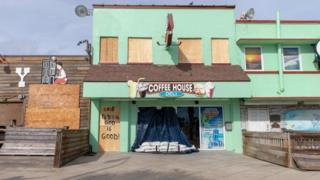
    But while many coastal residents have complied with mandatory evacuation orders, others are boarding up their homes and vowing to ride out the storm.

    Delicatessen owner in Wilmington, Brad Corpening, told Reuters he would stay, saying: “I’m not approaching Florence from fear or panic. It’s going to happen. We just need to figure out how to make it through.”

    Image copyright AFP Image caption Myrtle Beach in South Carolina. Some are shuttering up, some are riding it out

    Restaurant owner in the town, Solange Iliou Thompson, told Agence France-Presse: “I’m staying. The building’s solid and Buddha will protect us.

    “What can you do? You can’t stop Mother Nature.”

    Hurricanes

    A guide to the world’s deadliest storms

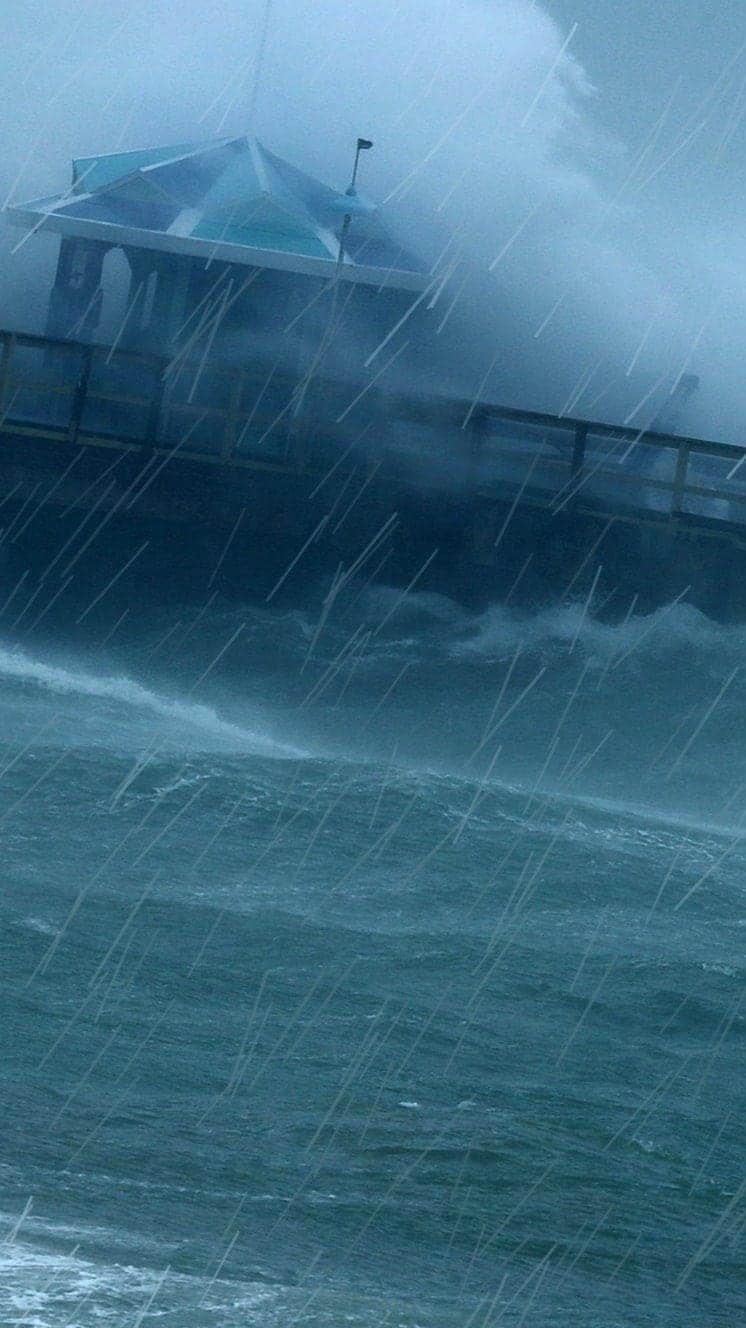
    Hurricanes are violent storms that can bring devastation to coastal areas, threatening lives, homes and businesses.

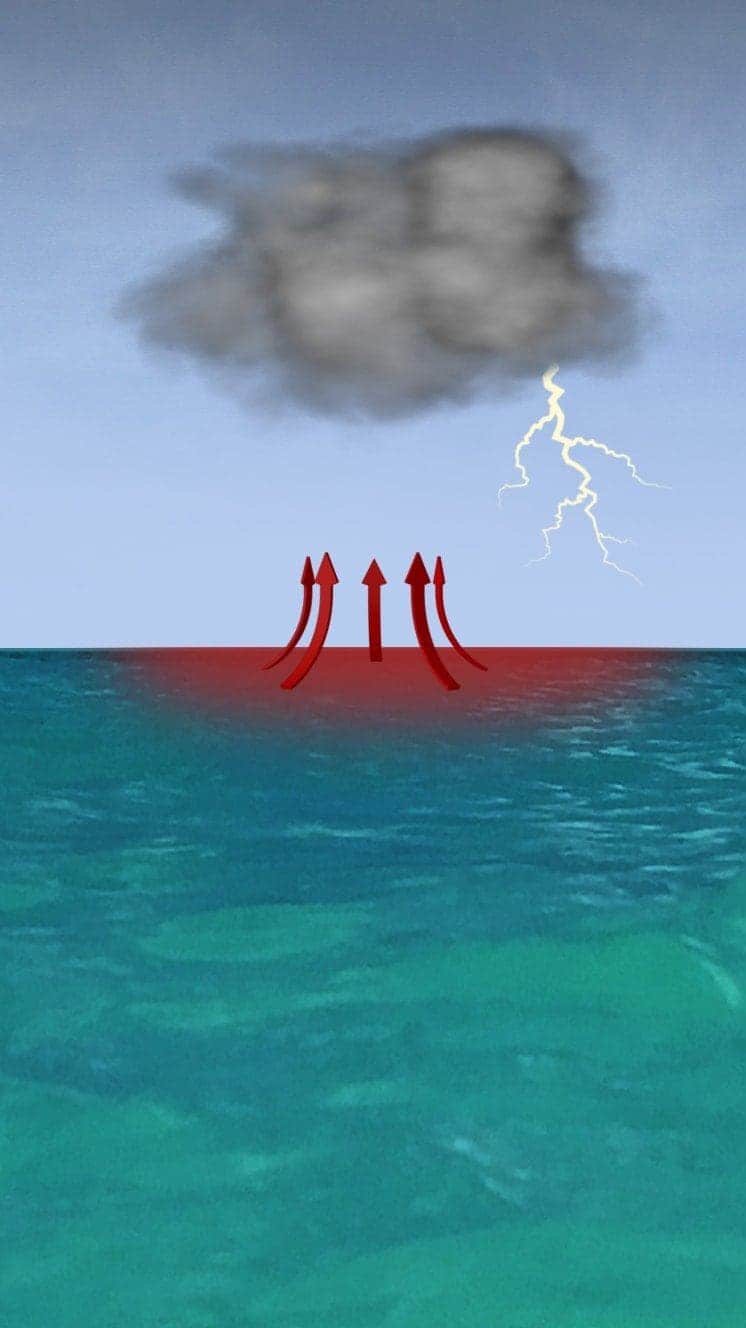
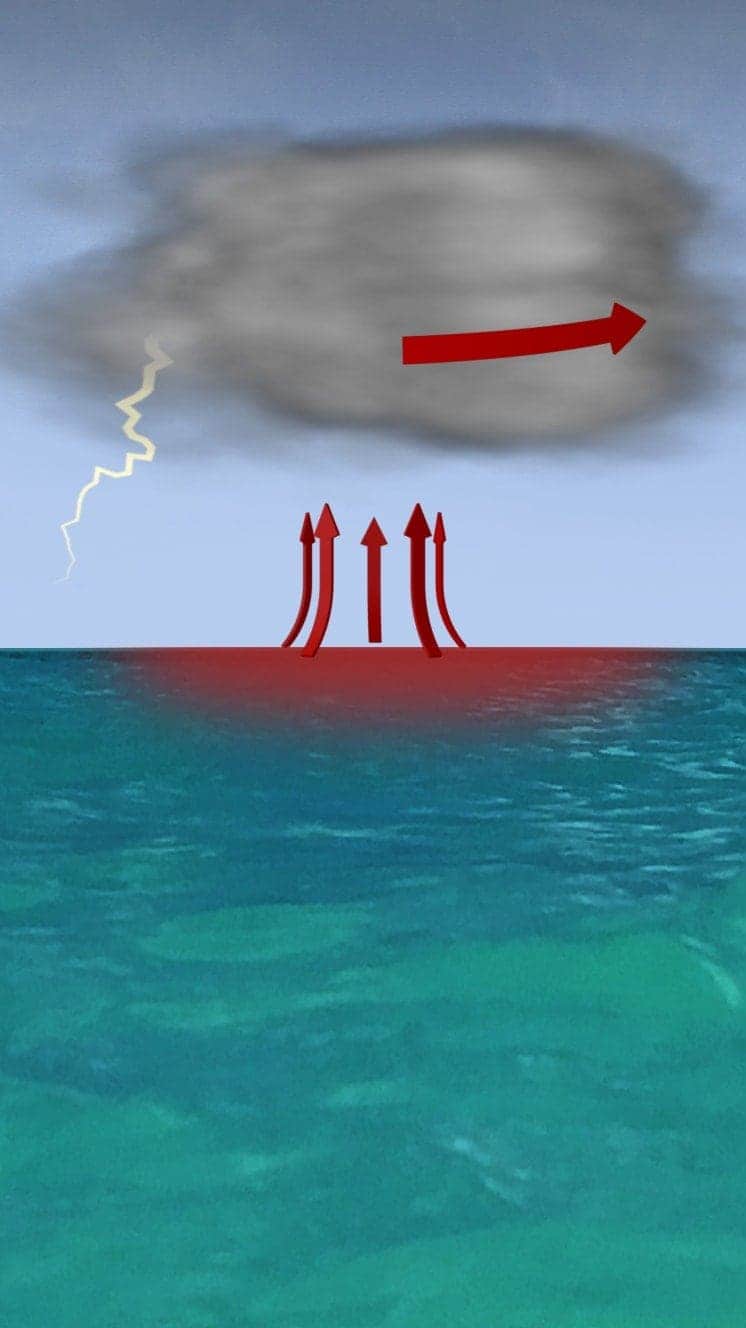
    Hurricanes develop from thunderstorms, fuelled by warm, moist air as they cross sub-tropical waters.
    Warm air rises into the storm.

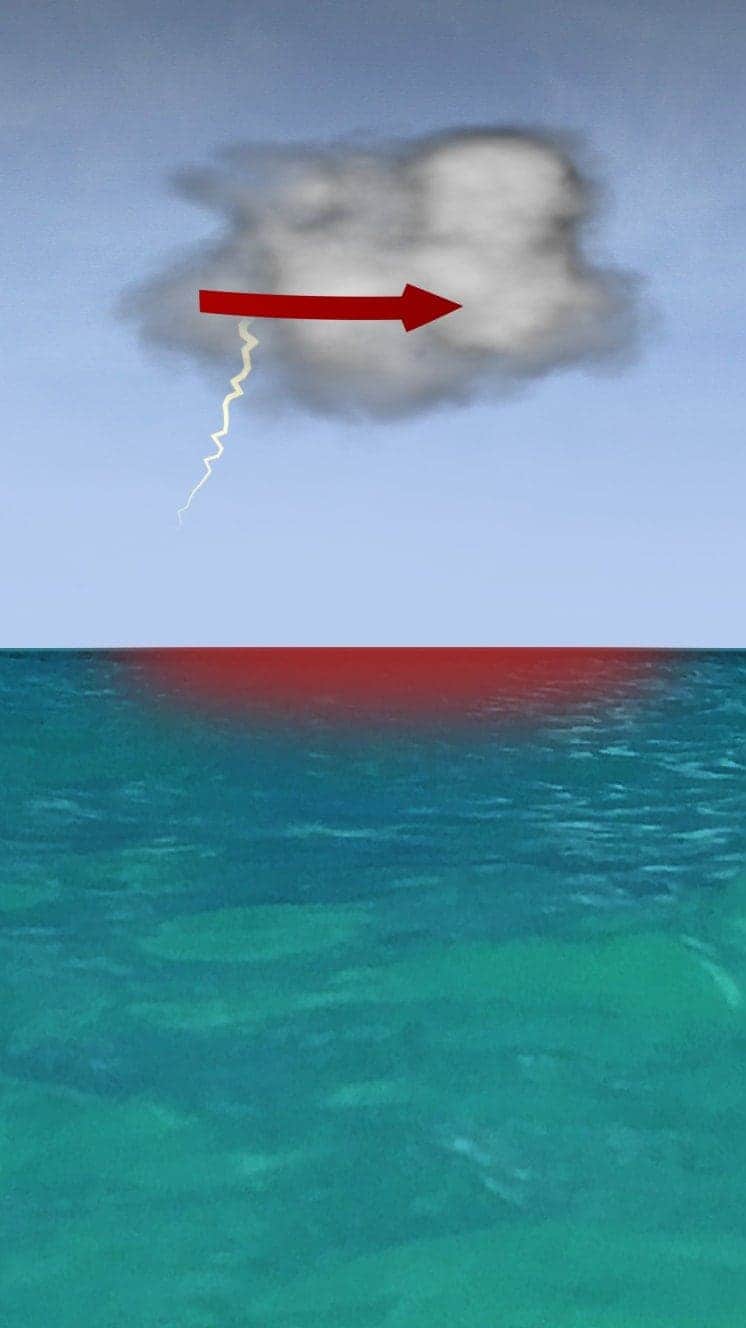
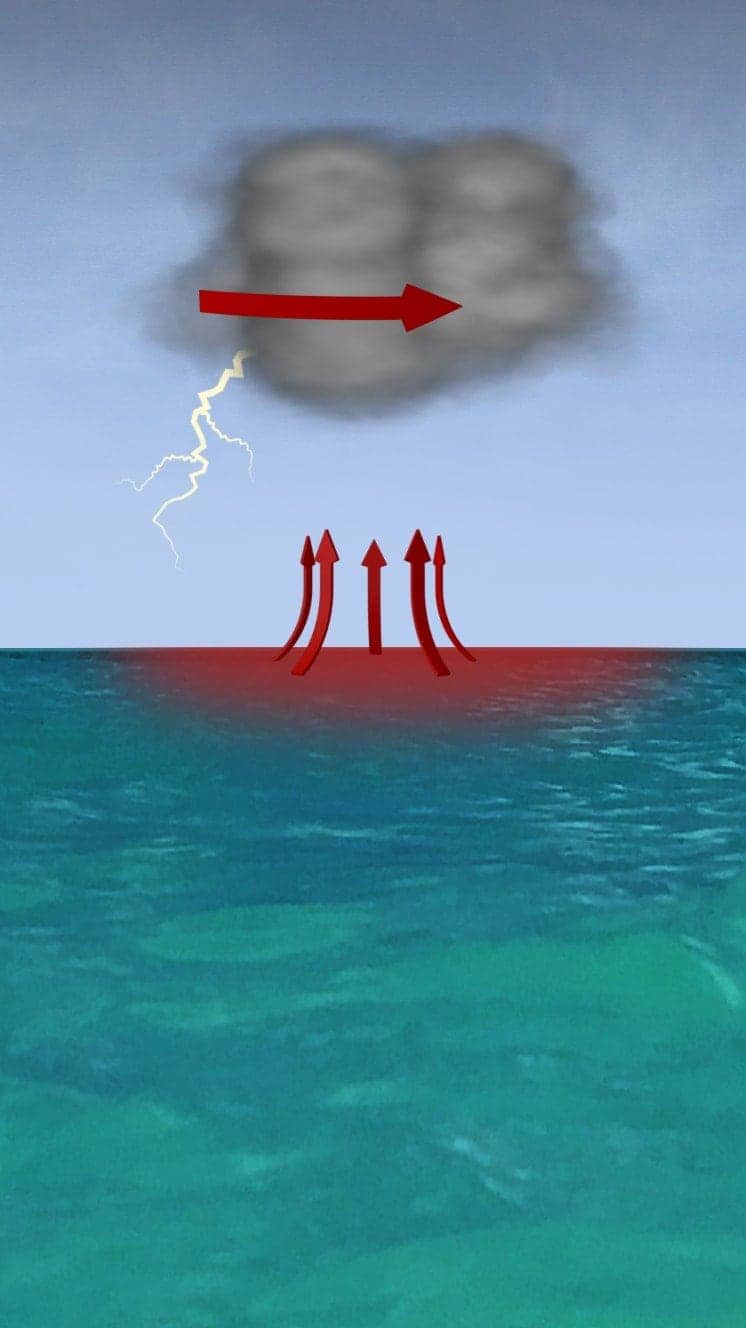
    Air swirls in to fill the low pressure in the storm, sucking air in and upwards, reinforcing the low pressure.

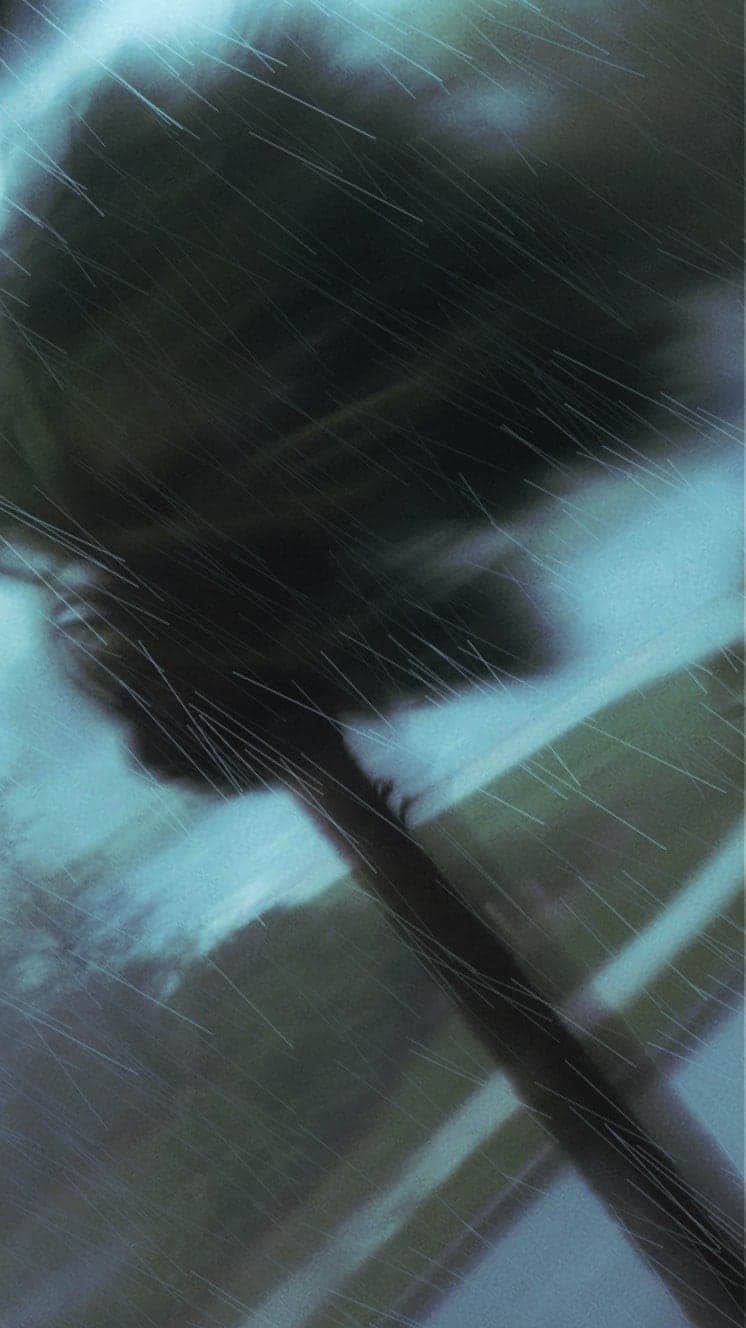
    The storm rotates due to the spin of the earth and energy from the warm ocean increases wind speeds as it builds.

    When winds reach 119km/h (74mph), it is known as a hurricane – in the Atlantic and Eastern Pacific – or a typhoon in the Western Pacific.

    “Everybody has a plan until they get punched in the face. Well, we’re about to get punched in the face.”
    Florida Mayor Bob Buckhorn, ahead of Hurricane Irma (2017)

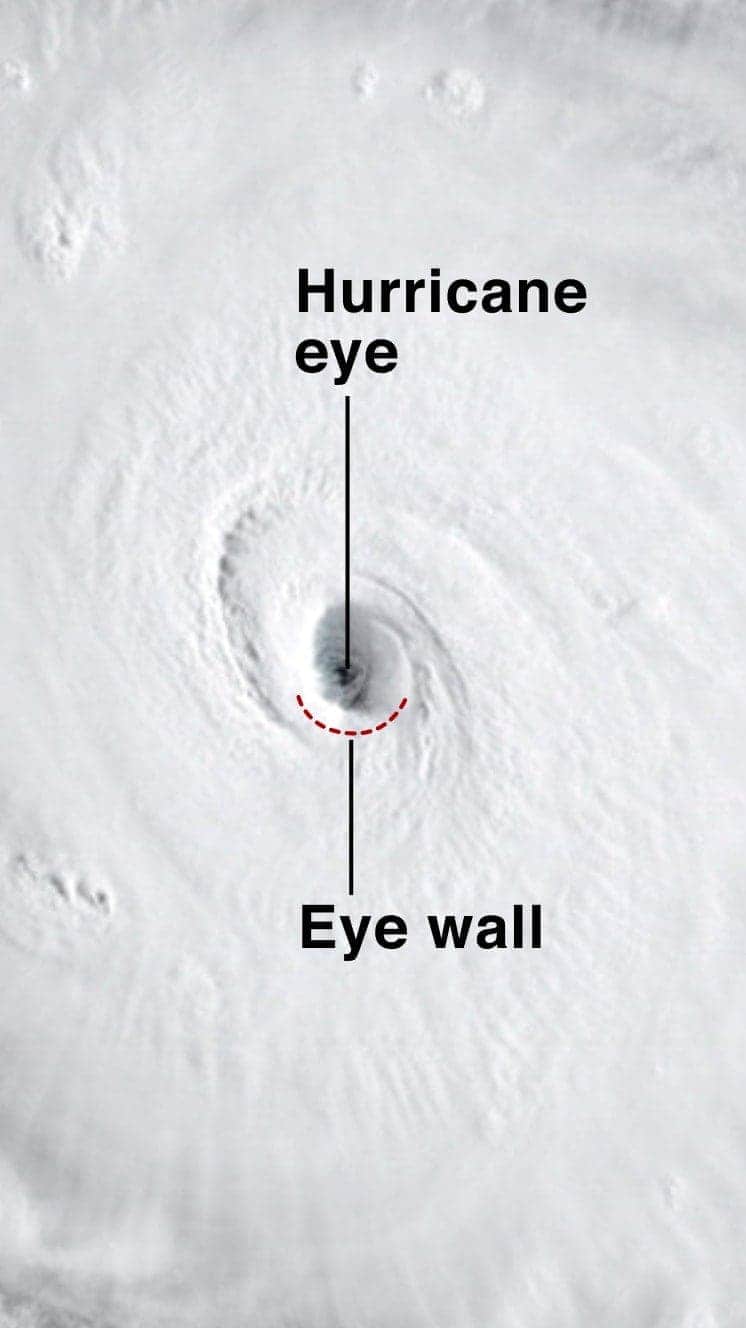
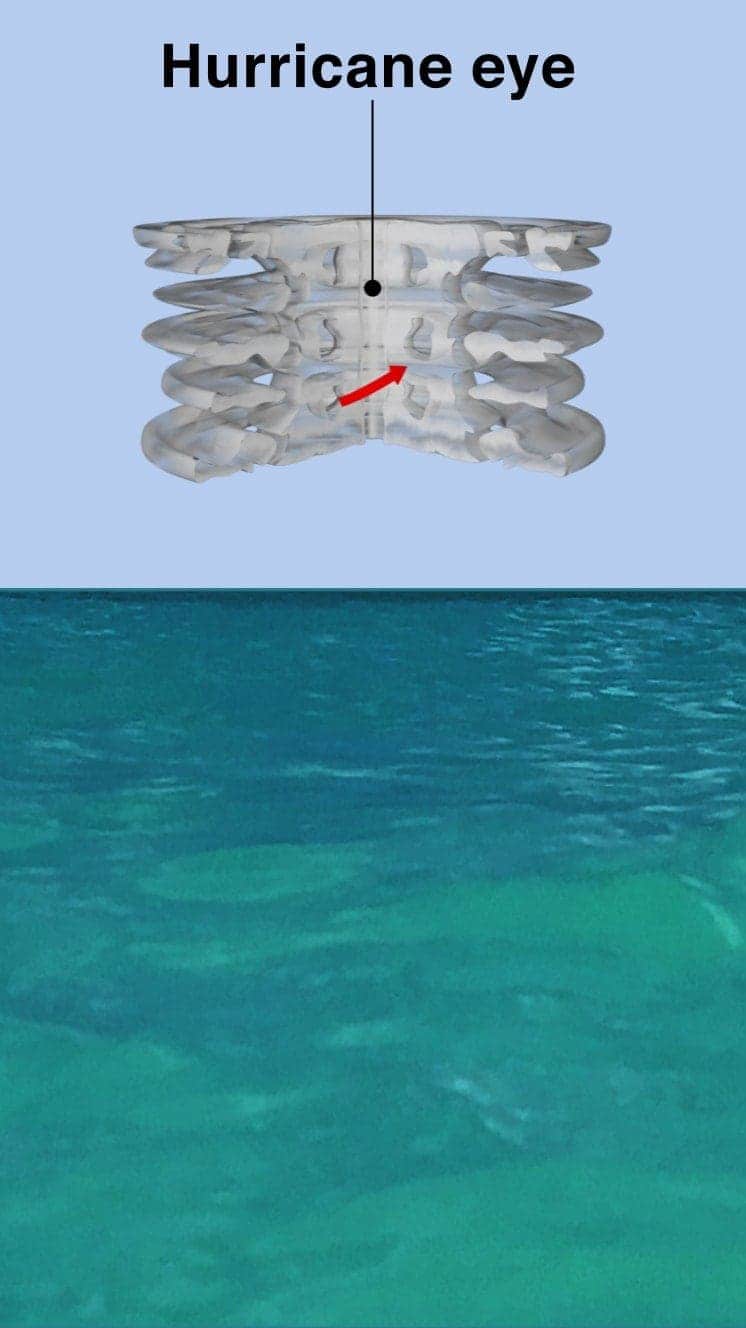
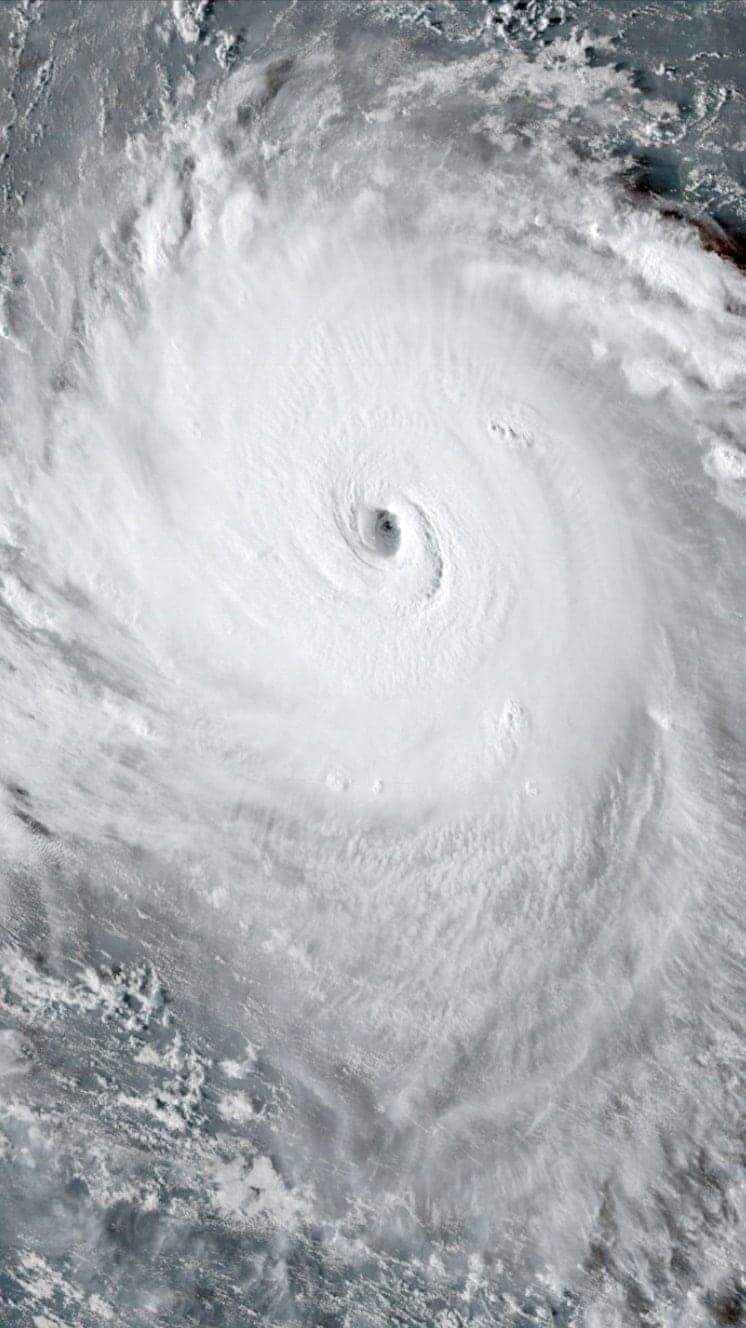
    The central eye of calmer weather is surrounded by a wall of rainstorms.
    This eyewall has the fastest winds below it and violent currents of air rising through it.

    A mound of water piles up below the eye which is unleashed as the storm reaches land.
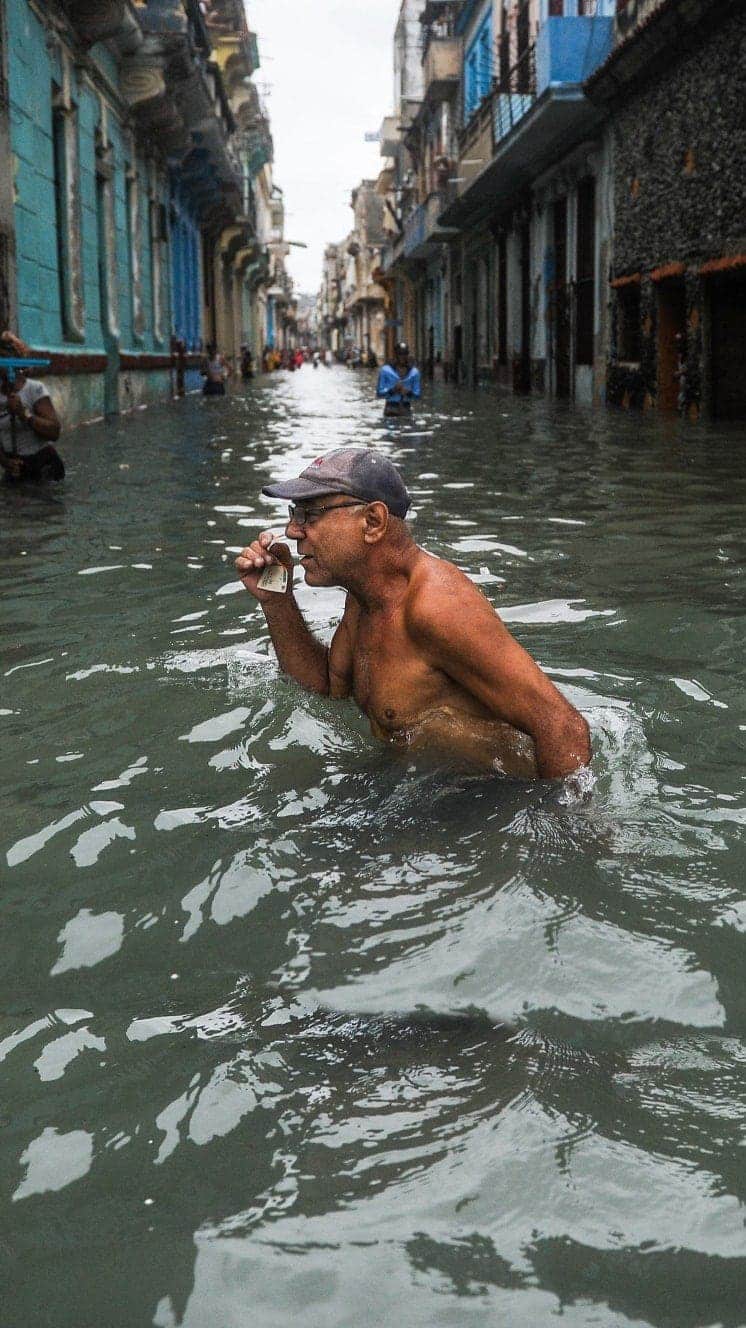
    These storm surges can cause more damage from flooding than the winds.

    “Urgent warning about the rapid rise of water on the SW FL coast with the passage of #Irma’s eye. MOVE AWAY FROM THE WATER!”
    Tweet from the National Hurricane Center

    The size of hurricanes is mainly measured by the Saffir-Simpson scale – other scales are used in Asia Pacific and Australia.

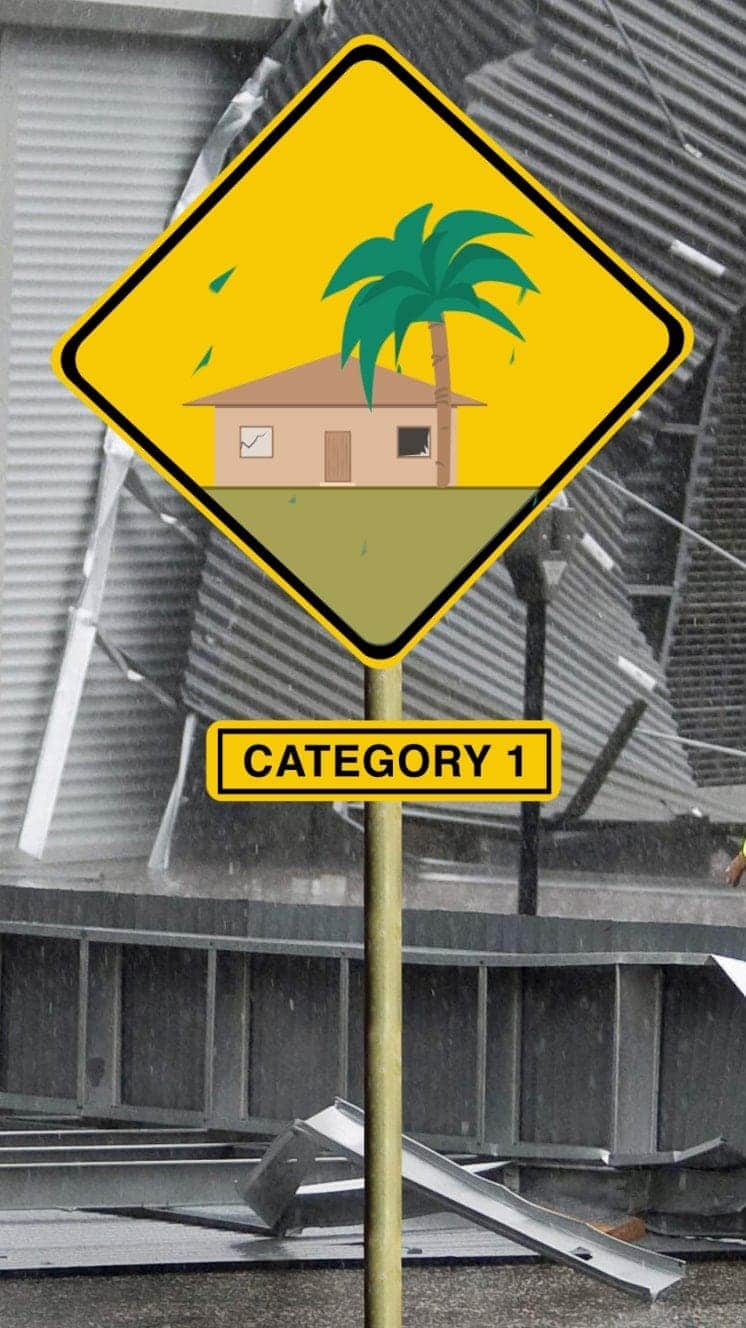
    Winds 119-153km/h
    Some minor flooding, little structural damage.
    Storm surge +1.2m-1.5m

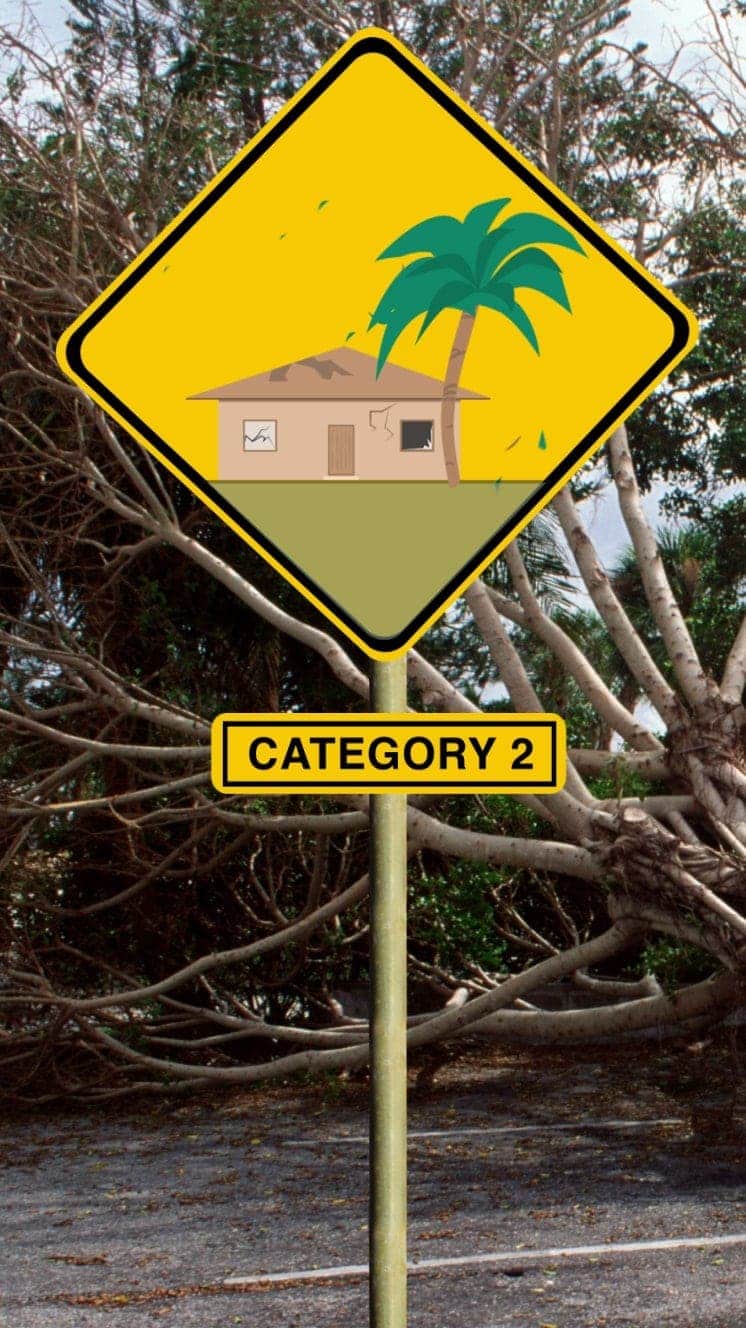
    Winds 154-177km/h
    Roofs and trees could be damaged.
    Storm surge +1.8m-2.4m

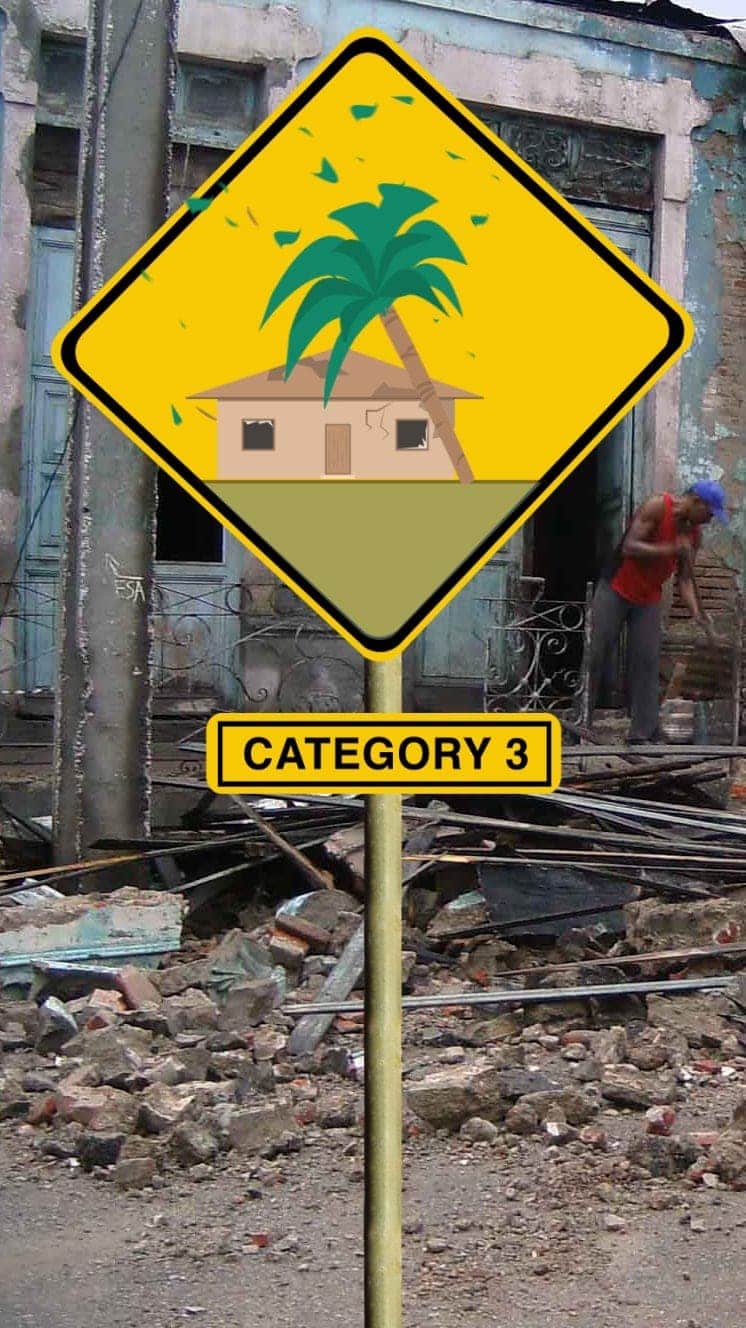
    Winds 178-208km/h
    Houses suffer damage, severe flooding
    Storm surge +2.7m-3.7m

    Hurricane Sandy (2012) caused $71bn damage in the Caribbean and New York

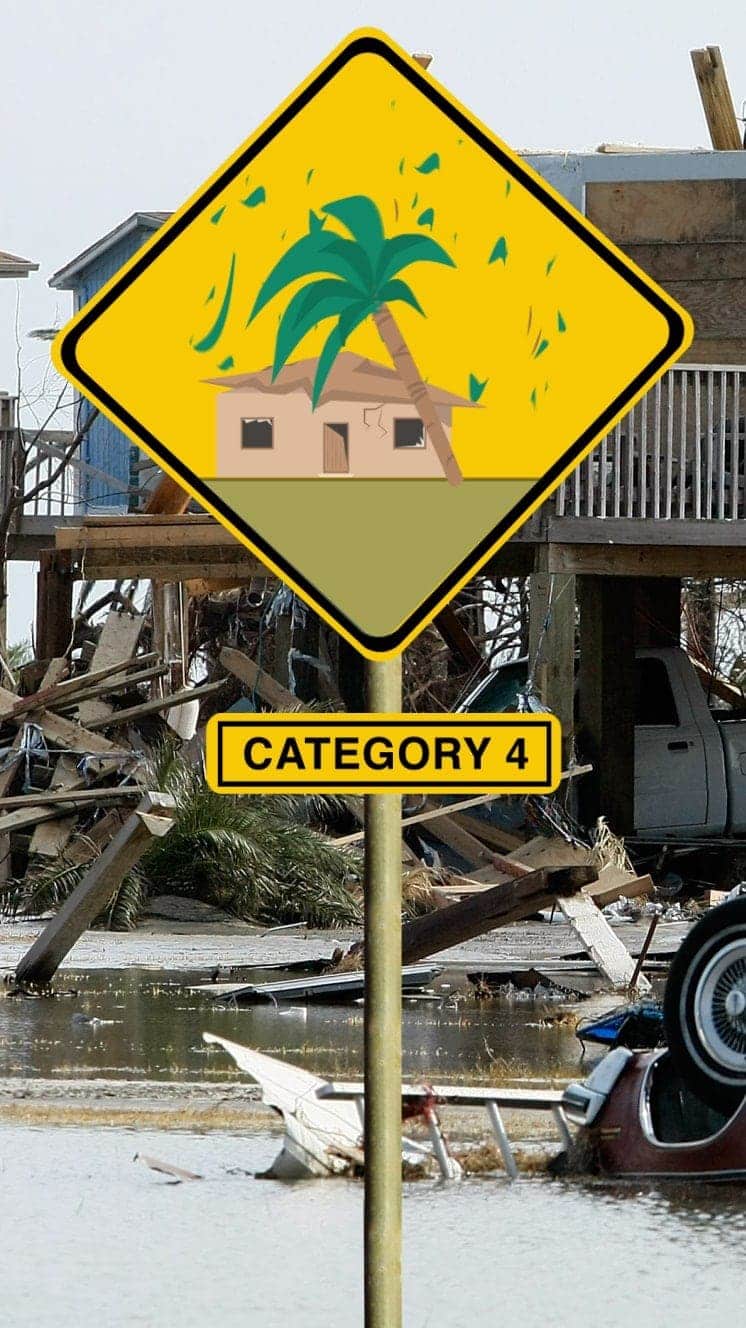
    Winds 209-251km/h
    Some roofs destroyed and major structural damage to houses.
    Storm surge +4m-5.5m

    Hurricane Ike (2008) hit Caribbean islands and Louisiana and was blamed for at least 195 deaths

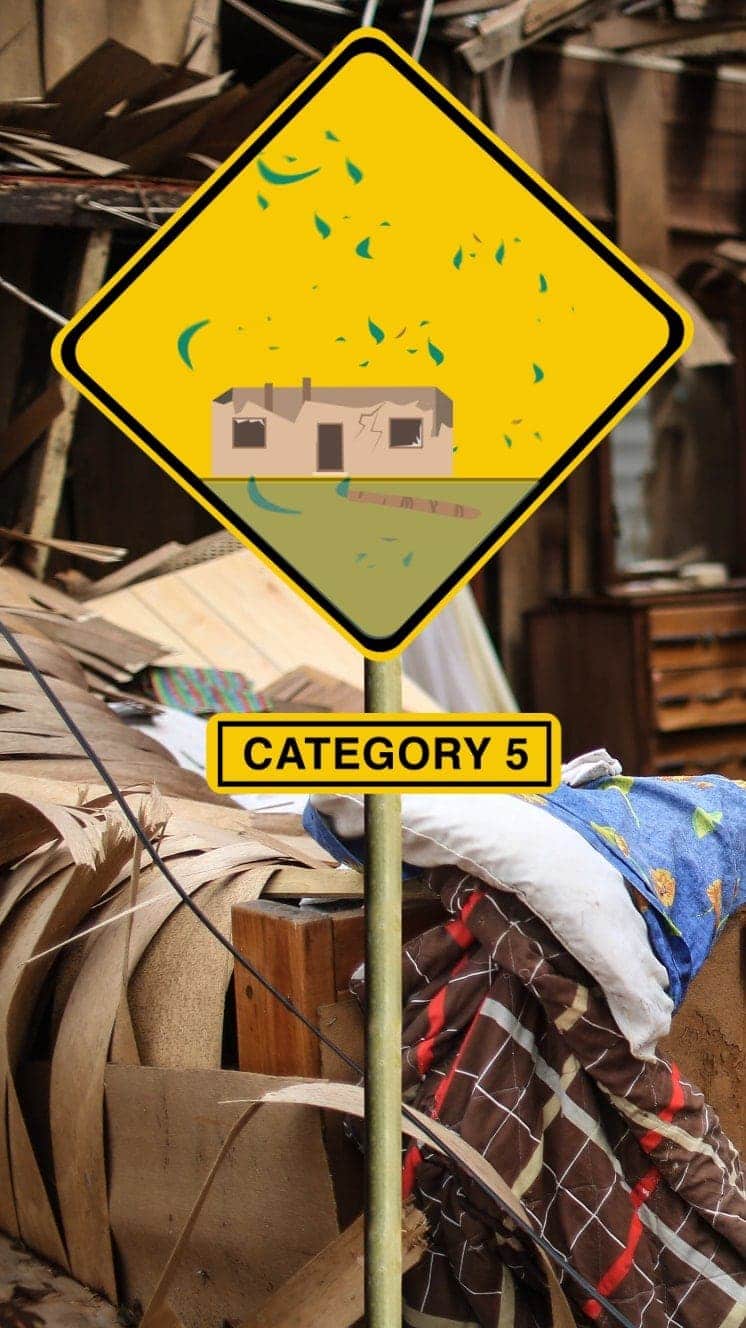
    Winds 252km/h+
    Serious damage to buildings, severe flooding further inland.
    Storm surge +5.5m

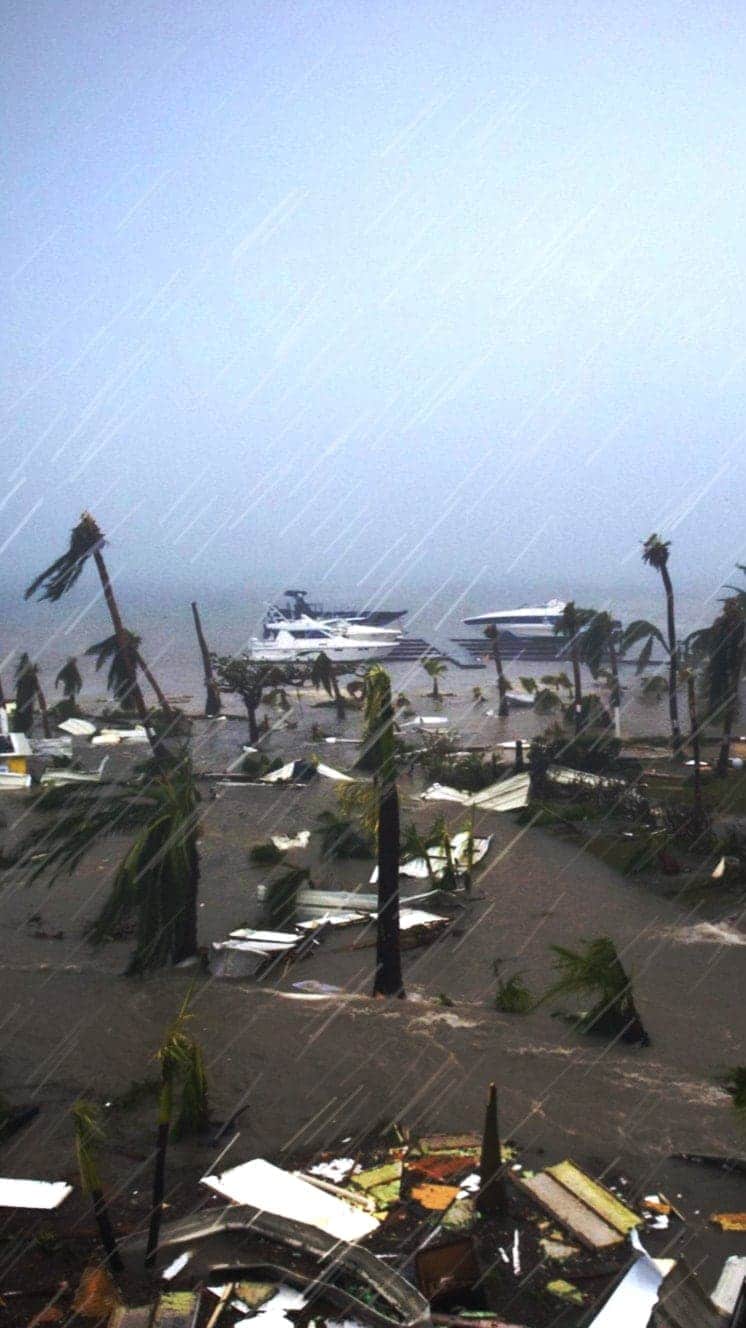
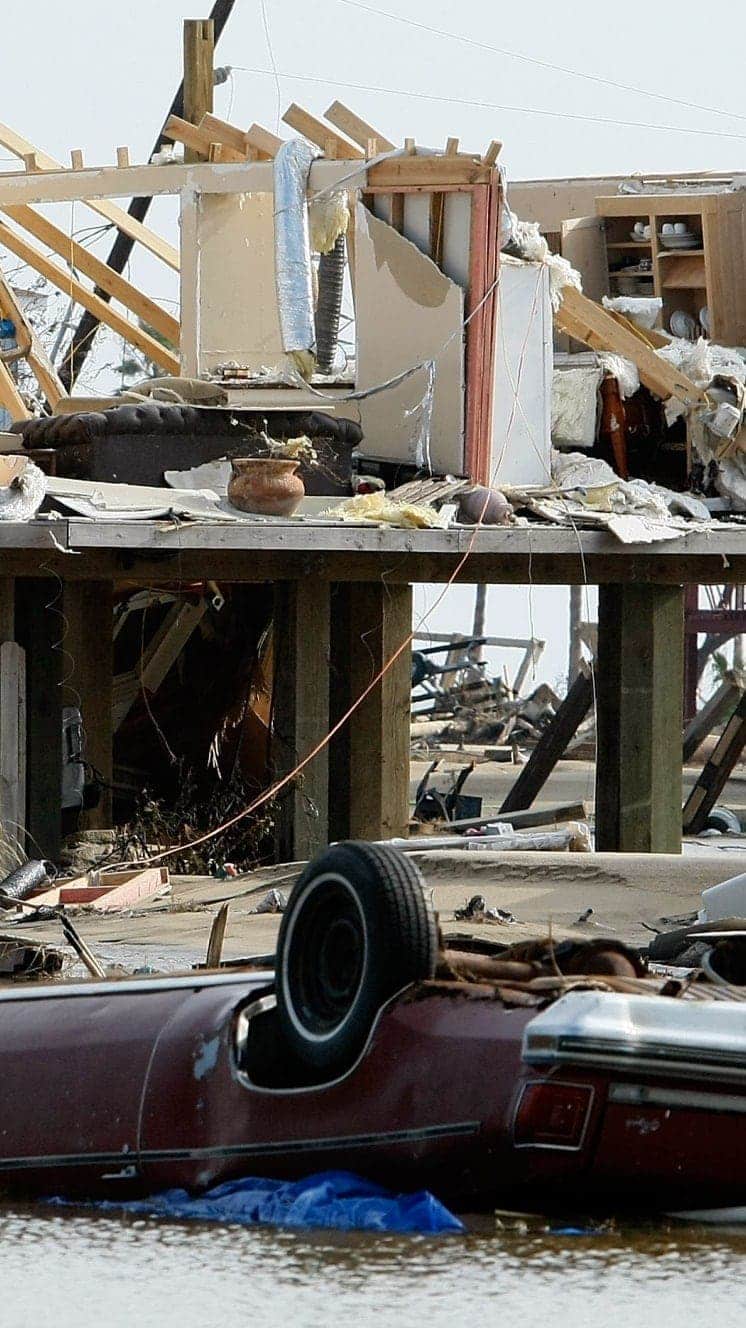
    Hurricane Irma (2017) caused devastation in Caribbean islands, leaving thousands homeless

    “For everyone thinking they can ride this storm out, I have news for you: that will be one of the biggest mistakes you can make in your life.”
    Mayor of New Orleans Ray Nagin ahead of Hurricane Gustav, 2008

    Are you in the area? How are you preparing for the hurricanes? Let us know by emailing haveyoursay@bbc.co.uk.

    Please include a contact number if you are willing to speak to a BBC journalist. You can also contact us in the following ways:

    WhatsApp: +447555 173285 Tweet: @BBC_HaveYourSay Send pictures/video to yourpics@bbc.co.uk Upload your pictures/video here Send an SMS or MMS to 61124 or +44 7624 800 100 Please read our terms and conditions and privacy policy

    (more…)

  • Wedge-tailed eagle ‘mass poisoning’ prompts Australia arrest

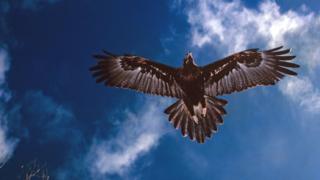
    A wedge-tailed eagle in flight Image copyright Getty Images Image caption The wedge-tailed eagle is Australia’s largest bird of prey

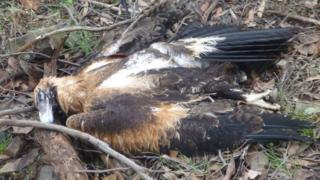
    A man has been charged following the deaths of at least 137 wedge-tailed eagles in Victoria, Australia.

    Authorities found the animals – Australia’s largest bird of prey and a protected species – in April, prompting raids on several properties.

    The man is alleged to have used poisoned baits to kill eagles since October 2016.

    State officials described it as the largest case of suspected wedge-tailed eagle killings they had ever seen.

    Authorities have previously said that the true number of dead birds may be even bigger.

    Image copyright DELWP Image caption The birds were allegedly poisoned with bait

    The carcasses were found hidden in scrub on properties that covered about 2,000 hectares in East Gippsland, the Department of Environment, Land, Water and Planning said.

    Authorities said the man was charged after an investigation involving about 30 people. They did not discuss a possible motive.

    Dozens of elephants killed in Botswana Australia cat-proof fence to save mammals Cutting off horns to prevent poaching

    He was released on bail following his arrest on Tuesday, authorities said.

    The Australian Broadcasting Corporation reported that wedge-tailed eagles had become a “a major topic of conversation” among farmers who say they attack lambs.

  • Hands on with the new Apple Watch

    Video Hands on with the new Apple Watch

    (more…)

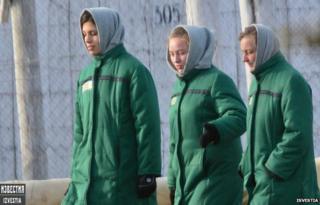
  • Pussy Riot: The story so far

    In less than three years, Pussy Riot has morphed from a little-known feminist protest band to an international cause celebre. As its two jailed members are freed from prison under an amnesty, the BBC News website recaps the group’s story so far.

    Controversial performance

    Pussy Riot was founded in 2011, but shot to greater prominence after appearing in Moscow’s Cathedral of Christ the Saviour in February 2012, to perform an obscenity-laced song called Punk Prayer which attacked the Orthodox Church’s support for President Vladimir Putin.

    Arrest

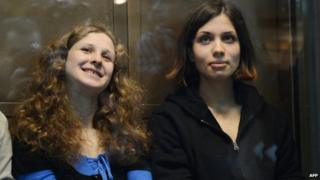
    Several weeks after the cathedral stunt – which was was broken up by church officials – Maria Alyokhina, Yekaterina Samutsevich and Nadezhda Tolokonnikova were arrested and charged with “hooliganism motivated by religious hatred”.

    They were held without bail until their trial in late July when they were convicted and sentenced to two years in prison. Samutsevich was freed on probation in October 2012, but Tolokonnikova and Alyokhina remained in jail.

    Protest

    The case divided Russia with many feeling the women were being too harshly treated and made examples of as part of attempts to clamp down on opposition to the government. But others felt their actions were a gross offence to the Orthodox faith.

    Cause celebre

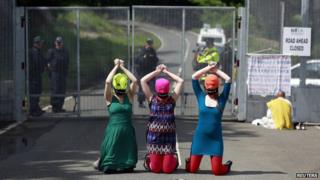
    The trio’s fate attracted much international attention. Musicians like Sting, the Red Hot Chilli Peppers, Madonna and Yoko Ono called for their release, while human rights groups designated them prisoners of conscience. Pussy Riot’s distinctive coloured balaclavas became a widely-recognised symbol.

    Prison regime

    The women – both mothers of young children – faced tough conditions inside Russia’s prison system and had a number of parole requests turned down. Tolokonnikova (above left) complained of abuses by prison staff and went on hunger strike.

    Amnesty

    The pair’s sentences were due to end in March 2014, but their release became inevitable in December after an amnesty law was signed by the Russian parliament, covering at least 20,000 prisoners, including mothers.

    Release

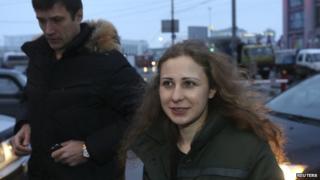
    Mr Putin’s critics see the amnesty as a bid to avoid controversy overshadowing Russia’s hosting of the Winter Olympics in February. Maria Alyokhina – the first of the duo to be freed from jail – told a Russian TV channel that the amnesty was a PR stunt and she would rather have remained in prison.

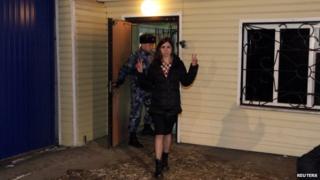
    Tolokonnikova, gesturing as she walked out of a prison hospital in Siberia, said that together with Alyokhina she would set up a human rights group to help prisoners.

  • Russia World Cup: How Pussy Riot managed to burst into final

    Croatia's Lovren grabbed pitch invader Pyotr Verzilov, 15 Jul 18 Image copyright Reuters Image caption Croatia defender Dejan Lovren (L) grabbed pitch invader Pyotr Verzilov

    A Pussy Riot activist who ran onto the pitch during the World Cup final says the stunt worked because of Russian deference for authority.

    Pyotr Verzilov said it was easy for him and three female activists to buy police uniforms, used in order to slip past security at the Croatia-v-France match in Moscow on 15 July.

    “No one stopped us,” he told BBC Russian, when interviewed at a prison north of the capital.

    “I know the Russian psychology: a police uniform is sacred. Nobody will ask for your permit or accreditation.

    “I pretended to be yelling into my phone – ‘Nikolayich, where do you want me to look for them?!’ – and I gestured to the steward to let me through the gate. He opened it.”

    Image copyright Reuters Image caption Pussy Riot invaded the pitch in front of President Putin and other dignitaries

    Pussy Riot – a feminist punk group opposed to President Vladimir Putin – said the “performance art” was intended to draw attention to human rights abuses in Russia.

    The four activists have been given 15-day prison terms and a three-year ban on attending sports events.

    Their pitch invasion in the second half lasted about 25 seconds – they stopped play but were quickly hustled off by stewards. France went on to win 4-2.

    Image copyright Reuters Image caption The activists (L-R): Verzilov, Nikulshina, Pakhtusova, Kurachyova

    Activists Veronika Nikulshina, Olga Kurachyova and Olga Pakhtusova are being held in a jail in the south of Moscow.

    “We were speaking for Russia,” Verzilov told the BBC.

    “Throughout the World Cup, which I really enjoyed, there wasn’t a word of political criticism [against the government].

    “I categorically disagree with Western countries who call for a boycott of Russian sporting events. But to avoid criticising what’s going on in Russia today is wrong.”

    Image copyright AFP Image caption President Putin was delighted with a successful World Cup

    President Putin however saw the World Cup as a great achievement for Russia. On 18 July he told a Moscow forum that visitors had praised Russia’s facilities and “hospitality and friendliness”.

    “The improved squares and streets of our cities have become points of attraction, friendship and communication for tourists,” he said.

    And at his swearing-in as president in May he said openness was vital for Russia’s future. He called for “a free society that is open to all new and cutting-edge advances, while rejecting injustice, ignorance, crass conservatism and bureaucratic red tape”.

    Read more on Pussy Riot’s protests:

    Court condemns Russia over Pussy Riot case Russia frees jailed Pussy Riot pair Pussy Riot to put audience ‘in prison’

    Pussy Riot’s protest took four weeks of planning, Verzilov said, although they had got hold of tickets for the final six months ago.

    “We bought several tickets on the Fifa website, and supporters of Pussy Riot in other countries obtained tickets for us too,” he said. “We sat in ordinary seats, we weren’t in the VIP zone.”

    Getting hold of police uniforms had been easy, Verzilov said. When police officers demanded to know where he had got them, he said, he answered the same way that President Putin had, when he was asked about Russian troops in Crimea.

    Mr Putin repeatedly denied any Russian military role in the takeover of Ukraine’s Crimea region in March 2014, but did admit it months later.

    Verzilov said: “I told them that Putin himself said you can pick up any military uniform you like these days, that it was easy to do and that it would set you back about 5,000 roubles [£61; $79].”

    Policeman’s trim

    To look the part, he said, he had had to shave for the first time in three years. “I told my barber I needed to look like a police officer.”

    One of the women protesters wore a wig, because she normally has pink hair, he said.

    They had rehearsed by running around a local football pitch.

    Image copyright Reuters Image caption One of the pitch invaders high-fived France’s Kylian Mbappé

    The four had gone to the match in ordinary clothes, carrying the police uniforms in rucksacks. Nobody asked about the clothes at the bag check, going into the stadium.

    At half-time the group changed into their police uniforms in the toilets. Shortly after that they leapt into the world’s spotlight.

    One of the women high-fived the young French star Kylian Mbappé.

    But Croatia defender Dejan Lovren grabbed Verzilov in anger.

    Later a video clip emerged on social media, in which a police officer berated Verzilov and Nikulshina. He accused them of bringing shame on Russia and said Fifa would impose a heavy fine for their protest.

    Pussy Riot’s motive was to get political prisoners released, stop the arrests of people at political rallies, or for posting “likes” on social media, and end trumped-up cases against dissidents in Russia, Verzilov told the BBC.

    Pussy Riot first drew international attention when they performed an anti-Putin punk song in Moscow’s Cathedral of Christ the Saviour in 2012, wearing colourful balaclavas. Three women were jailed in labour camps for that “blasphemy”.

  • Pussy Riot activist Pyotr Verzilov ‘in hospital’

    Pyotr Verzilov was one of those jailed for invading the World Cup final pitch Image copyright Reuters Image caption Pyotr Verzilov was one of those jailed for invading the World Cup final pitch

    Pyotr Verzilov, an activist with Russian protest group Pussy Riot, is reported to have been taken to hospital in a serious condition.

    Relatives speaking to the Meduza website said they believed he may have suffered poisoning but there is no official word on his condition.

    He reportedly fell ill after a court hearing on Tuesday for fellow Pussy Riot activist Veronika Nikulshina.

    Mr Verzilov was one of the activists who invaded the World Cup final pitch.

    The story of Pussy Riot’s 2012 jailing

    Ms Nikulshina told Meduza that Mr Verzilov had complained of losing his sight, “then the ability to talk, then the ability to walk”.

    Image copyright Reuters Image caption Croatia’s Dejan Lovren squared up to Mr Verzilov during the World Cup pitch invasion in July

    Meduza said Mr Verzilov was in the toxicology department of a hospital in Moscow’s Sokolniki district.

    It said Mr Verzilov’s mother had not been allowed to see her son.

    Mr Verzilov, who also holds Canadian citizenship, was part of the Voina performance art group with Ms Tolokonnikova before it split in 2009 and then acted as spokesperson for Pussy Riot during the 2012 trial.

    He was jailed for 15 days this year along with three women activists after invading football’s World Cup final in Moscow on 15 July wearing police uniforms.

    How Pussy Riot managed to burst into final

    They said the action, under the name of Pussy Riot, was a protest against human rights abuses in Russia.

  • Hurricanes: A guide to the world’s deadliest storms

    As Hurricane Florence approaches the east coast of the United States, use our guide to see how these deadly storms form, their devastating effects and how they are measured.

    Hurricanes

    A guide to the world’s deadliest storms

    Hurricanes are violent storms that can bring devastation to coastal areas, threatening lives, homes and businesses.

    Hurricanes develop from thunderstorms, fuelled by warm, moist air as they cross sub-tropical waters.
    Warm air rises into the storm.

    Air swirls in to fill the low pressure in the storm, sucking air in and upwards, reinforcing the low pressure.

    The storm rotates due to the spin of the earth and energy from the warm ocean increases wind speeds as it builds.

    When winds reach 119km/h (74mph), it is known as a hurricane – in the Atlantic and Eastern Pacific – or a typhoon in the Western Pacific.

    “Everybody has a plan until they get punched in the face. Well, we’re about to get punched in the face.”
    Florida Mayor Bob Buckhorn, ahead of Hurricane Irma (2017)

    The central eye of calmer weather is surrounded by a wall of rainstorms.
    This eyewall has the fastest winds below it and violent currents of air rising through it.

    A mound of water piles up below the eye which is unleashed as the storm reaches land.
    These storm surges can cause more damage from flooding than the winds.

    “Urgent warning about the rapid rise of water on the SW FL coast with the passage of #Irma’s eye. MOVE AWAY FROM THE WATER!”
    Tweet from the National Hurricane Center

    The size of hurricanes is mainly measured by the Saffir-Simpson scale – other scales are used in Asia Pacific and Australia.

    Winds 119-153km/h
    Some minor flooding, little structural damage.
    Storm surge +1.2m-1.5m

    Winds 154-177km/h
    Roofs and trees could be damaged.
    Storm surge +1.8m-2.4m

    Winds 178-208km/h
    Houses suffer damage, severe flooding
    Storm surge +2.7m-3.7m

    Hurricane Sandy (2012) caused $71bn damage in the Caribbean and New York

    Winds 209-251km/h
    Some roofs destroyed and major structural damage to houses.
    Storm surge +4m-5.5m

    Hurricane Ike (2008) hit Caribbean islands and Louisiana and was blamed for at least 195 deaths

    Winds 252km/h+
    Serious damage to buildings, severe flooding further inland.
    Storm surge +5.5m

    Hurricane Irma (2017) caused devastation in Caribbean islands, leaving thousands homeless

    “For everyone thinking they can ride this storm out, I have news for you: that will be one of the biggest mistakes you can make in your life.”
    Mayor of New Orleans Ray Nagin ahead of Hurricane Gustav, 2008

    If you can’t see the explainer above, follow this link

    Looming hurricane sparks Trump warning

    Hurricane Irma: Visual guide

    Six graphics that sum up Puerto Rico disaster